- BIST10010,962+1.88%
- USD49.86+0.15%
- EUR55.82+0.52%
- GOLD3,960.00-0.24%
- INTEREST36.00%-1.00
- BITCOIN76,671-0.02%
- November 3, 202616°
- BIST10010,962+1.88%
- USD49.86+0.15%
- EUR55.82+0.52%
- GOLD3,960.00-0.24%
- INTEREST36.00%-1.00
- BITCOIN76,671-0.02%
- November 3, 202616°
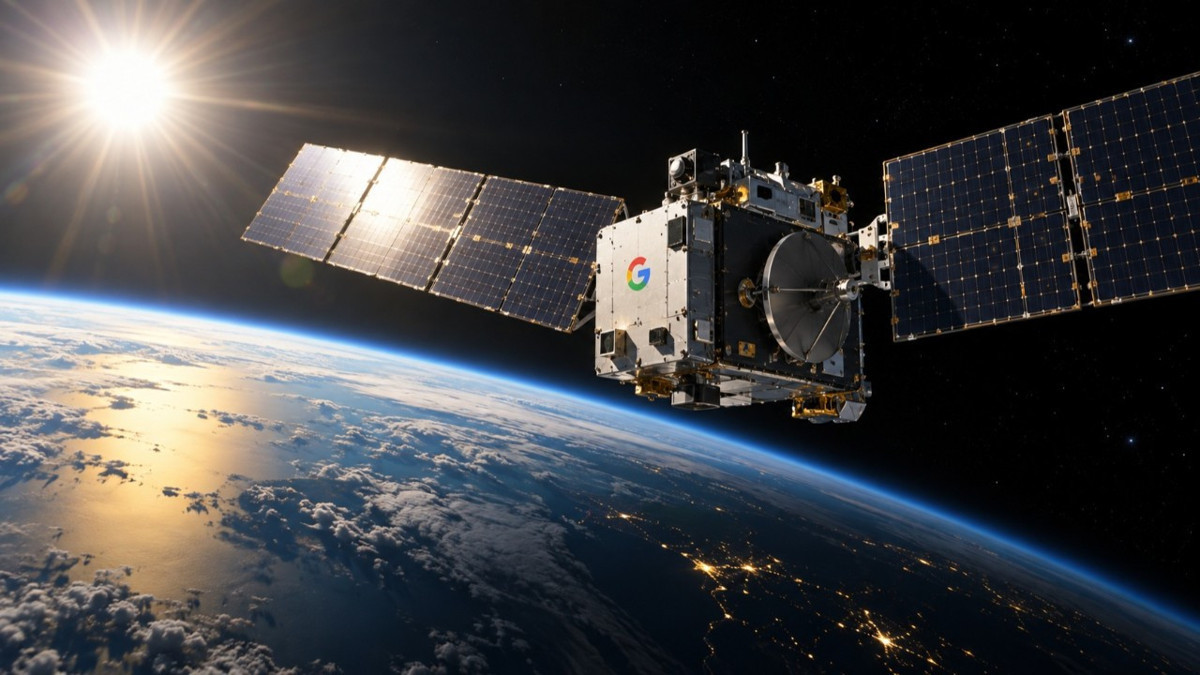
Google tests Trillium processors in orbit for solar-powered data centers
The satellite, equipped with four Trillium-generation processing units, is testing the processors’ ability to withstand launch and radiation, as well as the difficulty of dissipating heat in a vacuum. Google is betting on the Sun, which emits energy equivalent to about 100 trillion times humanity’s total electricity output.
Hilal Times Editorial DeskUpdated:


Stay Updated with Hilal Times
Subscribe to be informed about special news, developments and announcements. We will keep you informed.
By signing up, you agree to our Privacy Policy