- BIST10011,483+1.32%
- USD50.07+0.05%
- EUR55.96-0.52%
- GOLD4,074.90-0.94%
- INTEREST36.00%-1.00
- BITCOIN75,711-0.06%
- November 8, 20267°
- BIST10011,483+1.32%
- USD50.07+0.05%
- EUR55.96-0.52%
- GOLD4,074.90-0.94%
- INTEREST36.00%-1.00
- BITCOIN75,711-0.06%
- November 8, 20267°
Israeli media warn Vance’s talk of changing ties alarms Tel Aviv
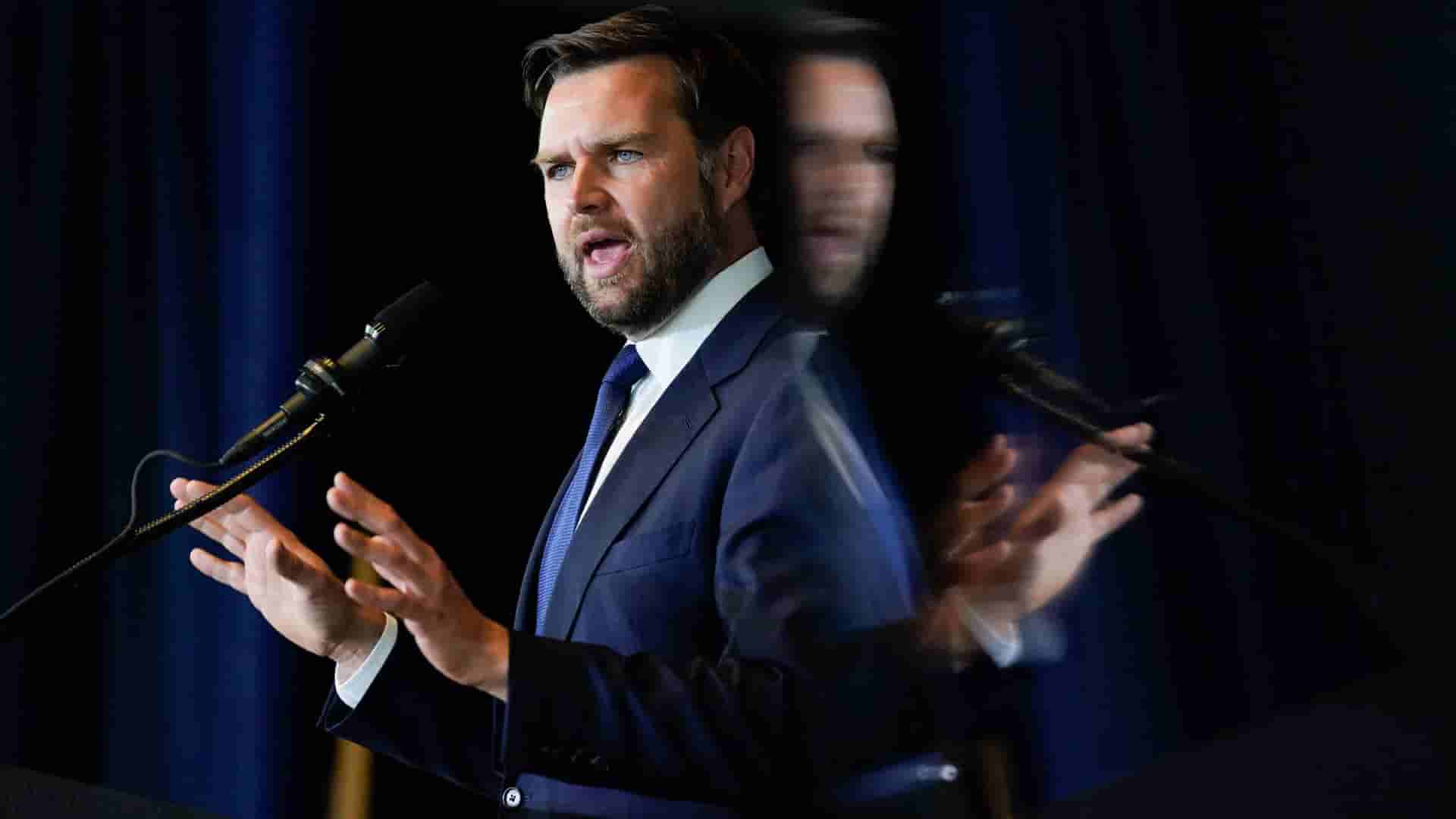
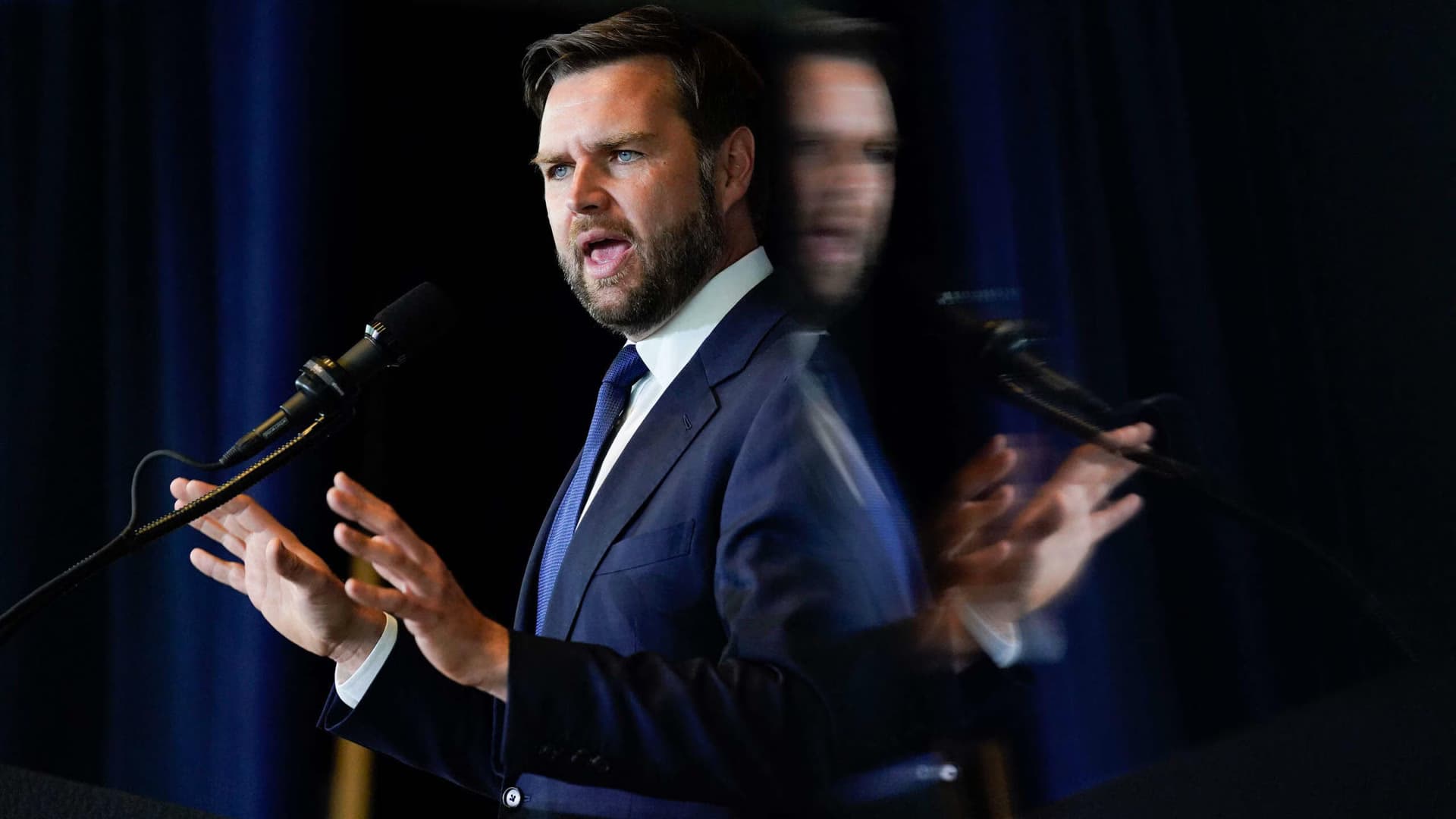
Israeli media argued that U.S. Vice President J.D. Vance’s remarks about “changing the relationship with Israel” threaten the Republican Party’s traditional support for Tel Aviv and limit Trump’s options regarding Iran. Ambassador Danny Danon responded that “it is always easy to blame Israel.”
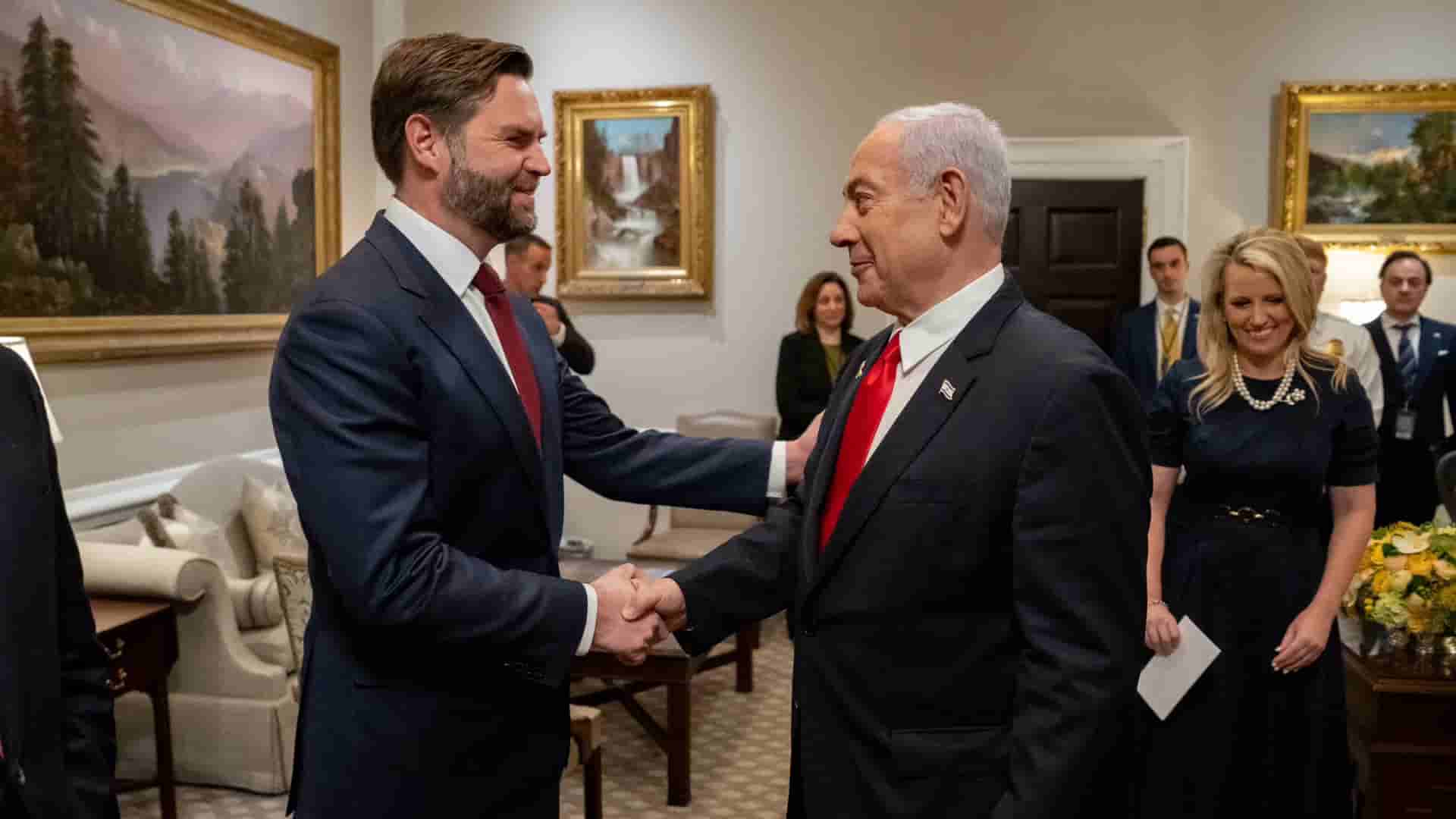
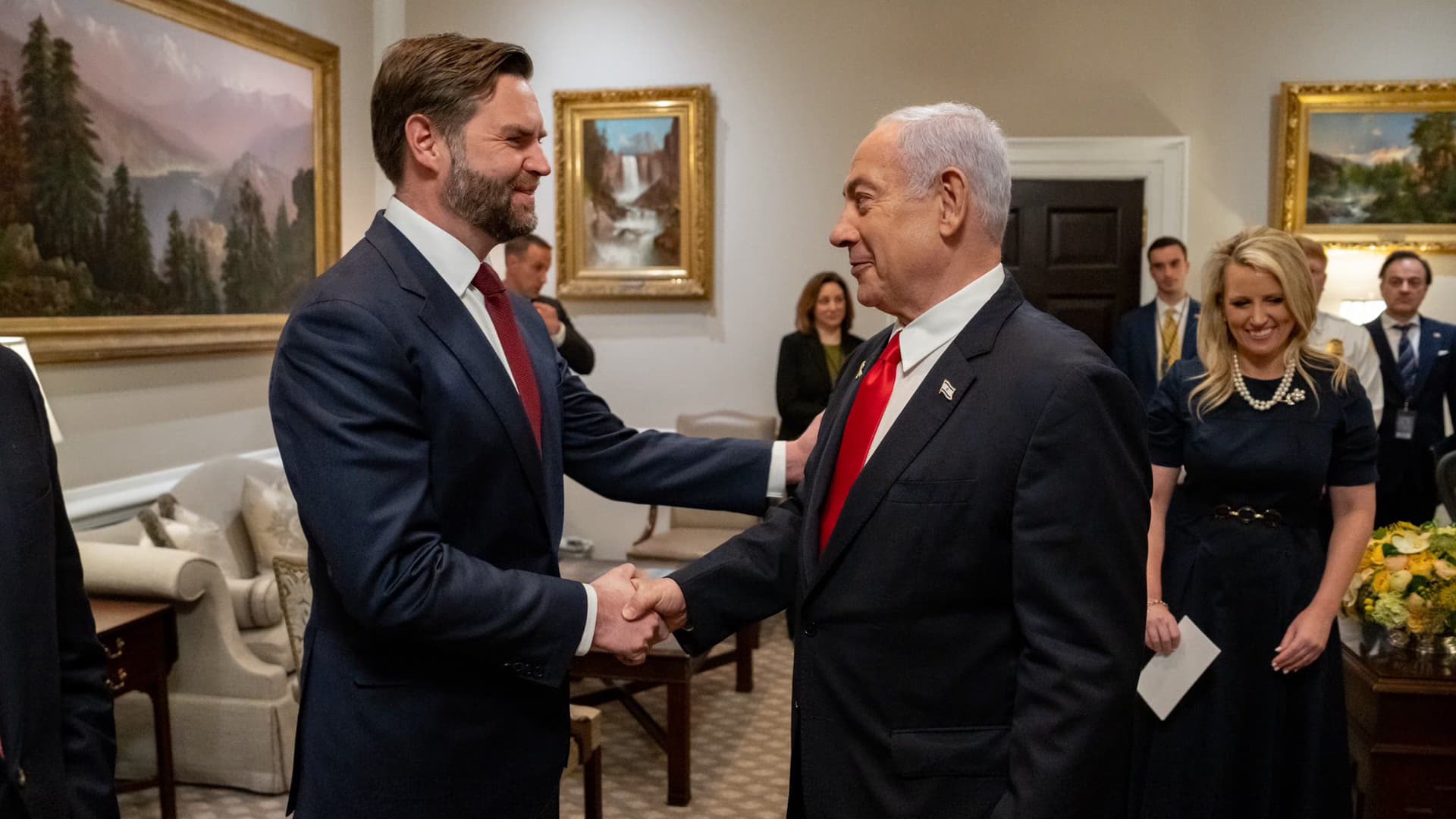
U.S. Vice President J.D. Vance’s remarks about “changing our relationship with Israel” have raised concern in the Israeli press, which viewed them as a sign that traditional Republican support for Tel Aviv is eroding after the party’s defeat in the midterm elections. Itamar Eichner wrote on Ynet, affiliated with Yedioth Ahronoth, that Vance’s comments “should deeply concern every Israeli.” Anadolu Agency also reported on the remarks.
On November 4, Vance quoted a pollster as saying that Trump voters who voted for Democrats had identified four conditions for returning: ending the war with Iran, addressing the cost-of-living crisis, putting “America First” and changing the relationship with Israel. Trump described his vice president’s assessment as “largely correct,” while stressing that he would have fought the war again.
“Three of the four reasons” concern Israel
Eichner noted that Vance directly or indirectly linked three of the four factors to Israel. He argued that support for Israel, which for years remained a unifying issue among conservatives, evangelicals and Trump supporters, could shift from a consensus issue within the Republican Party to an issue deepening its divisions. He said Vance was adopting a narrative popular in the United States that Netanyahu had dragged Trump into the war.
The website quoted an Israeli official as saying that the election results and Vance’s remarks had “effectively frozen” the war against Iran, amid fears that Trump could ease the conditions for ending it and settle for reopening the Strait of Hormuz without addressing Iran’s nuclear program.
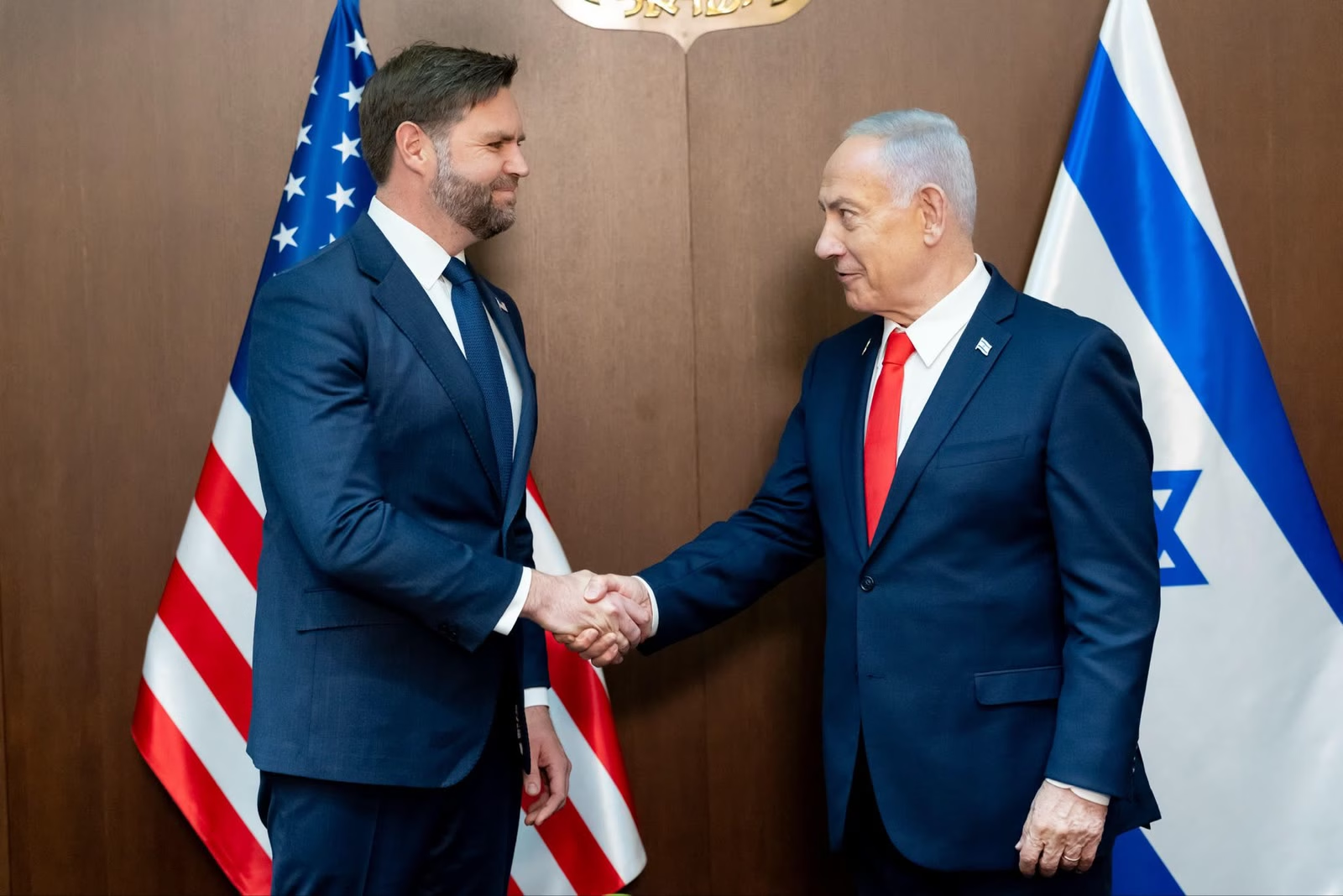
Danon: “It is always easy to blame Israel”
At the official level, Israel’s ambassador to the United Nations, Danny Danon, rejected holding his country responsible for the war and rising U.S. energy prices in an interview with i24NEWS. He said: “The decision to attack Iran was a decision by the United States; it was not our decision. We supported the American effort.” He added: “It is always easy to blame Israel for everything, but that is not the case.” He acknowledged that the growing number of anti-Israel voices in Congress meant that the task “would be more difficult for us.”
Mike Wagenheim, the channel’s chief Washington correspondent, warned that the consequences of the war, particularly higher fuel prices, could make Israel a scapegoat among Republicans. He said the bipartisan support underpinning the relationship “will not return to what it was” and that Vance’s reaching the presidency in 2028 could mean bidding farewell to it.
A more critical Congress and the 2028 race
Ynet noted that the Democratic wave brought 10 new lawmakers into Congress who strongly criticize Israel, most of whom oppose military aid to it. They include Abdul El-Sayed, who won a Michigan Senate seat, Peggy Flanagan of Minnesota and Troy Jackson of Maine. This follows Trump’s announcement that he was halting annual military aid to Israel.
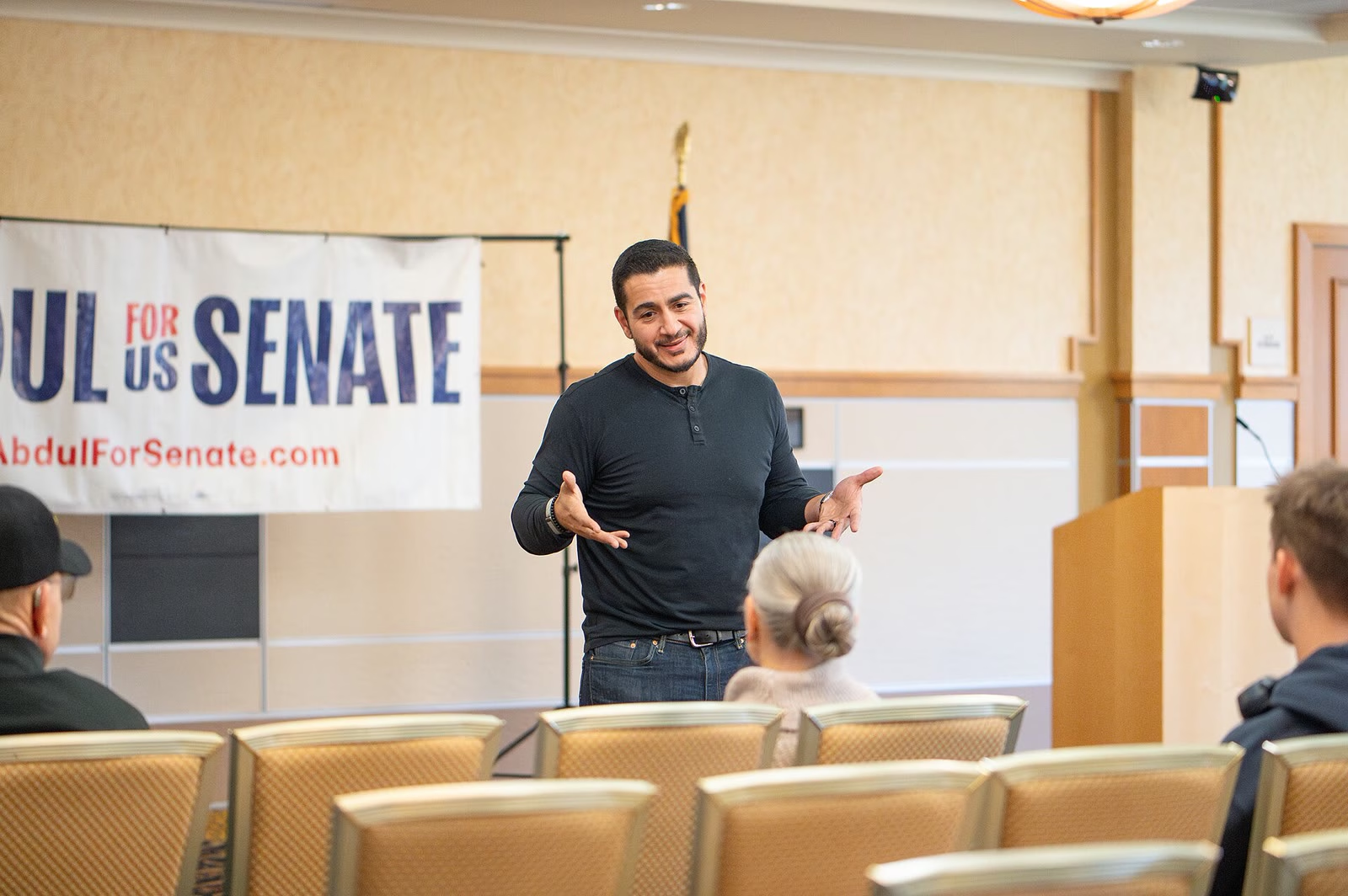
In an analysis of the 2028 race, Amichai Stein wrote in The Jerusalem Post that Vance was adapting his message to the “new right,” which is calling for a reassessment of the relationship with Israel, while Secretary of State Marco Rubio is being put forward as an alternative. Maariv highlighted former White House spokesperson Ari Fleischer’s response to Vance: “The problem was not the war against Iran, but the ceasefire.”
Sources: Anadolu Agency, Ynet, i24NEWS, The Jerusalem Post, Maariv. Images: Office of the U.S. Vice President / Wikimedia Commons (public domain, archive); Conlan Houston / Wikimedia Commons (CC BY-SA 4.0)
Have a story, event or announcement of your own?Send us your news on WhatsApp
Spotted an error in this story?Report it on WhatsApp
Share on all social platforms
Sponsored Ads
Featured Listings
Loading featured properties...
Stay Updated with Hilal Times
Subscribe to be informed about special news, developments and announcements. We will keep you informed.
By signing up, you agree to our Privacy Policy