Israel's launch of tenders for more than 1,200 housing units in the E1 area of the West Bank drew a reaction from Belgian Deputy Prime Minister and Foreign Minister Maxime Prévot. Prévot called on the Israeli government to withdraw the tenders and halt the expansion of settlements.
Prévot said the E1 project threatened the expectations of Israelis and Palestinians for peace and security. The Belgian minister said the project would divide the West Bank, separating Palestinian communities in the north from those in the south and further isolating East Jerusalem from the rest of the Palestinian territories.
Prévot said the development would seriously undermine the viability of a two-state solution and that Israeli settlements in the occupied Palestinian territories were illegal under international law.
Prévot called for the E1 project to be halted and for settlement expansion to end. The minister stressed that irreversible changes that further complicate the prospects for a just and lasting peace on the ground were unacceptable.
Background to the E1 project
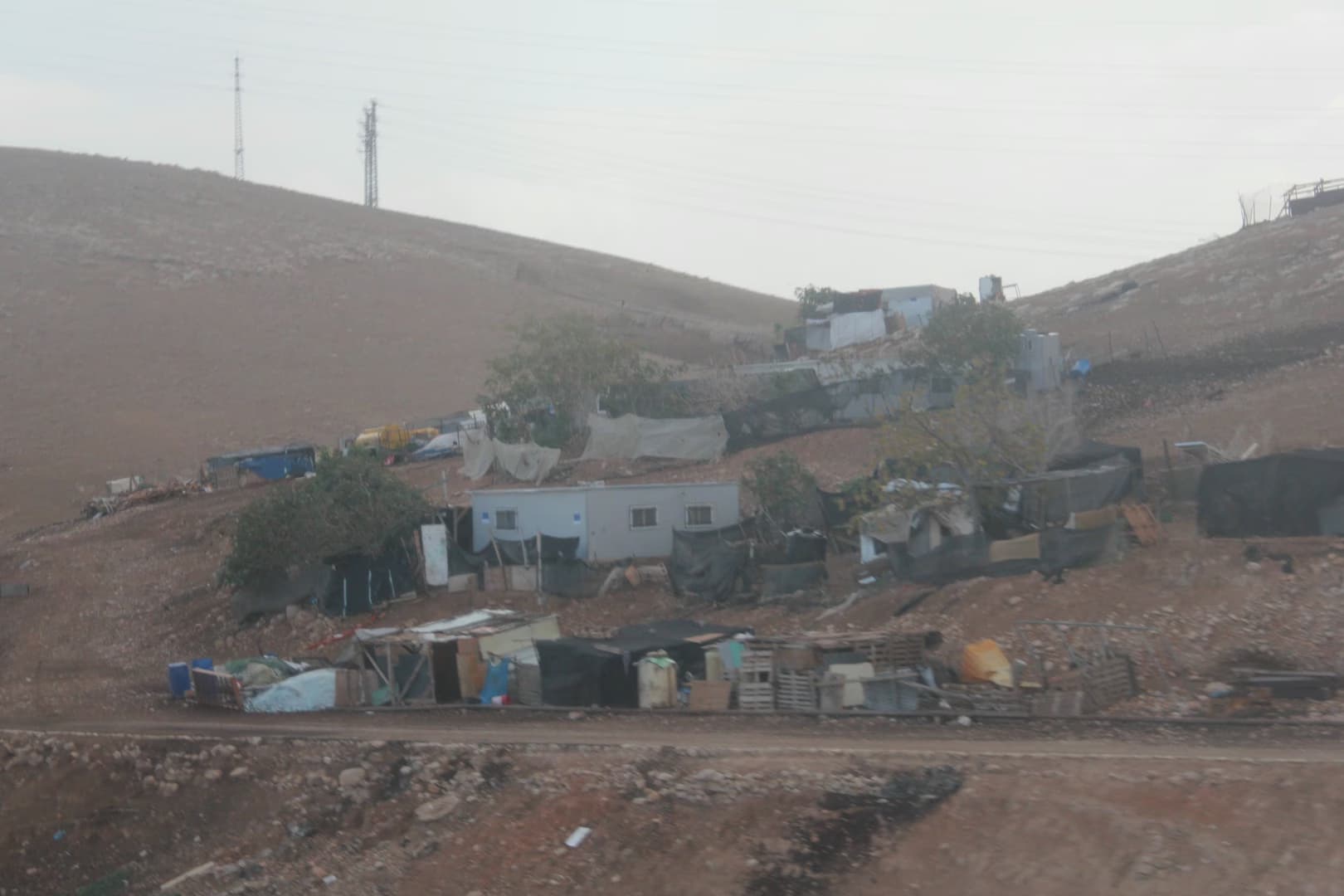
The E1 project was launched to connect the Jewish settlement of Maale Adumim to the road leading to West Jerusalem. Maale Adumim is located near Al-Eizariya, a Palestinian neighborhood historically associated with East Jerusalem. Al-Eizariya is now on the West Bank side of the separation wall.
As part of the project, 12,000 dunams of Palestinian land were confiscated in 1999. Plans called for more than 4,000 illegal housing units and hotels to be built in the area. The Israeli government had previously suspended the E1 project under pressure from the United States.
In September 2025, Israeli Prime Minister Benjamin Netanyahu approved the E1 project, which effectively divided the occupied West Bank in two. The Israeli government later published the first tender for 1,234 housing units in the E1 settlement without prior notification to the parties.