Egypt became the first country in the world to receive the World Health Organization’s gold-tier maintenance certification for its efforts against hepatitis C.
The certificate was presented to Egyptian Health Minister Khaled Abdel Ghaffar by WHO Director-General Tedros Adhanom Ghebreyesus at a press conference in Cairo. The presentation took place during the 73rd session of the organization’s Regional Committee for the Eastern Mediterranean.
Ghebreyesus said Egypt was the first country to retain gold-tier status for hepatitis C. He said the achievement demonstrated that the country was continuing to make progress in combating the disease.
Egypt’s work from 2023 to 2025 evaluated
The World Health Organization reviewed Egypt’s activities and results between 2023 and 2025. Following the review, the country was found to meet the requirements for maintaining gold-tier status.
The organization’s committee for validating the elimination of HIV, hepatitis and sexually transmitted infections adopted its decision on the certification in July 2026.

Screening conducted for 68 million people
Health Minister Abdel Ghaffar said the achievement was linked to the 100 Million Healthy Lives campaign launched in 2018 under the patronage of the president. As part of the campaign, 68 million Egyptians were screened for hepatitis C, while approximately 4.5 million patients received free treatment with domestically manufactured medicines.
Abdel Ghaffar said the gold-tier status recognized by the World Health Organization showed that Egypt was advancing toward its goal of eliminating hepatitis C. The minister said national efforts needed to continue to preserve the gains achieved.
Services integrated into the healthcare system
The World Health Organization said that during the period in which Egypt maintained gold-tier status, the country shifted from extensive screening campaigns to a more sustainable and integrated model for combating the disease. The model focused on strengthening routine case screening, diagnosis, treatment, monitoring and prevention services.
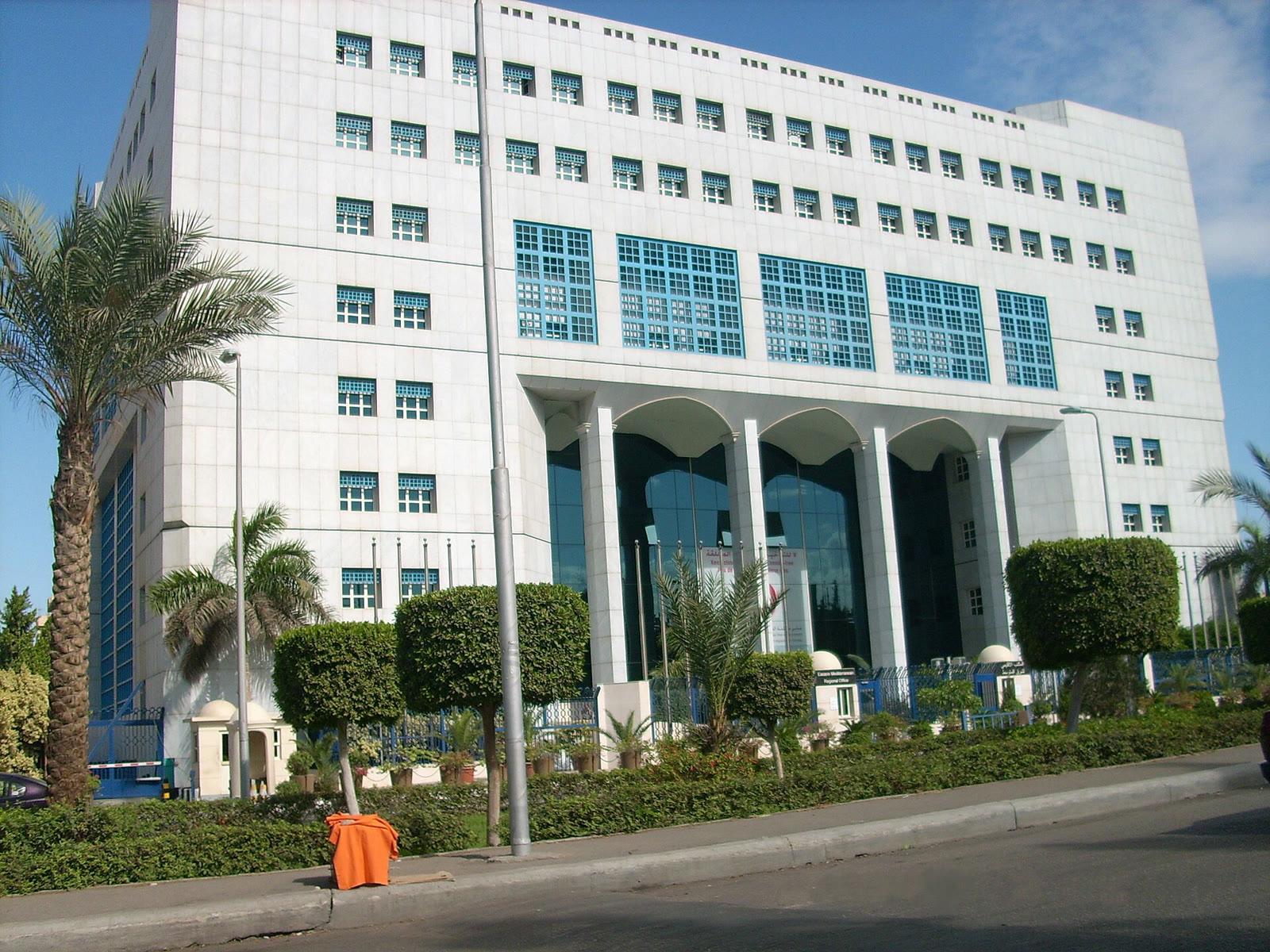
Egypt’s efforts focused on expanding virus screening, diagnosis and treatment services, as well as strengthening governance mechanisms for the 2025–2030 period. The country also prepared a national sustainability plan to make the elimination of the disease lasting.
Ongoing measures included integrating hepatitis services into primary healthcare and the comprehensive health insurance system. The plan also included developing laboratory quality systems and monitoring mechanisms, while maintaining high standards for blood and injection safety.
Prevalence falls from 10 percent to 0.38 percent
In October 2023, the World Health Organization awarded Egypt gold-tier certification in the process of eliminating hepatitis C. Egypt was also the first country in the world to receive the certification at that time.
Hepatitis C prevalence in Egypt fell from 10 percent, one of the highest rates in the world, to 0.38 percent over approximately 10 years. During the same period, 87 percent of people carrying the virus were diagnosed, and 93 percent of those diagnosed received treatment.
These figures exceeded the World Health Organization’s gold-tier criteria, which require 80 percent of patients to be diagnosed and 70 percent of those diagnosed to receive treatment.