- BIST10011,675-1.04%
- USD49.58+0.05%
- EUR55.62+0.09%
- GOLD4,151.30+0.21%
- INTEREST37.00%-1.00
- BITCOIN83,713+0.93%
- October 21, 202621°
- BIST10011,675-1.04%
- USD49.58+0.05%
- EUR55.62+0.09%
- GOLD4,151.30+0.21%
- INTEREST37.00%-1.00
- BITCOIN83,713+0.93%
- October 21, 202621°
Fehmi says destruction in southern Lebanon points to displacement
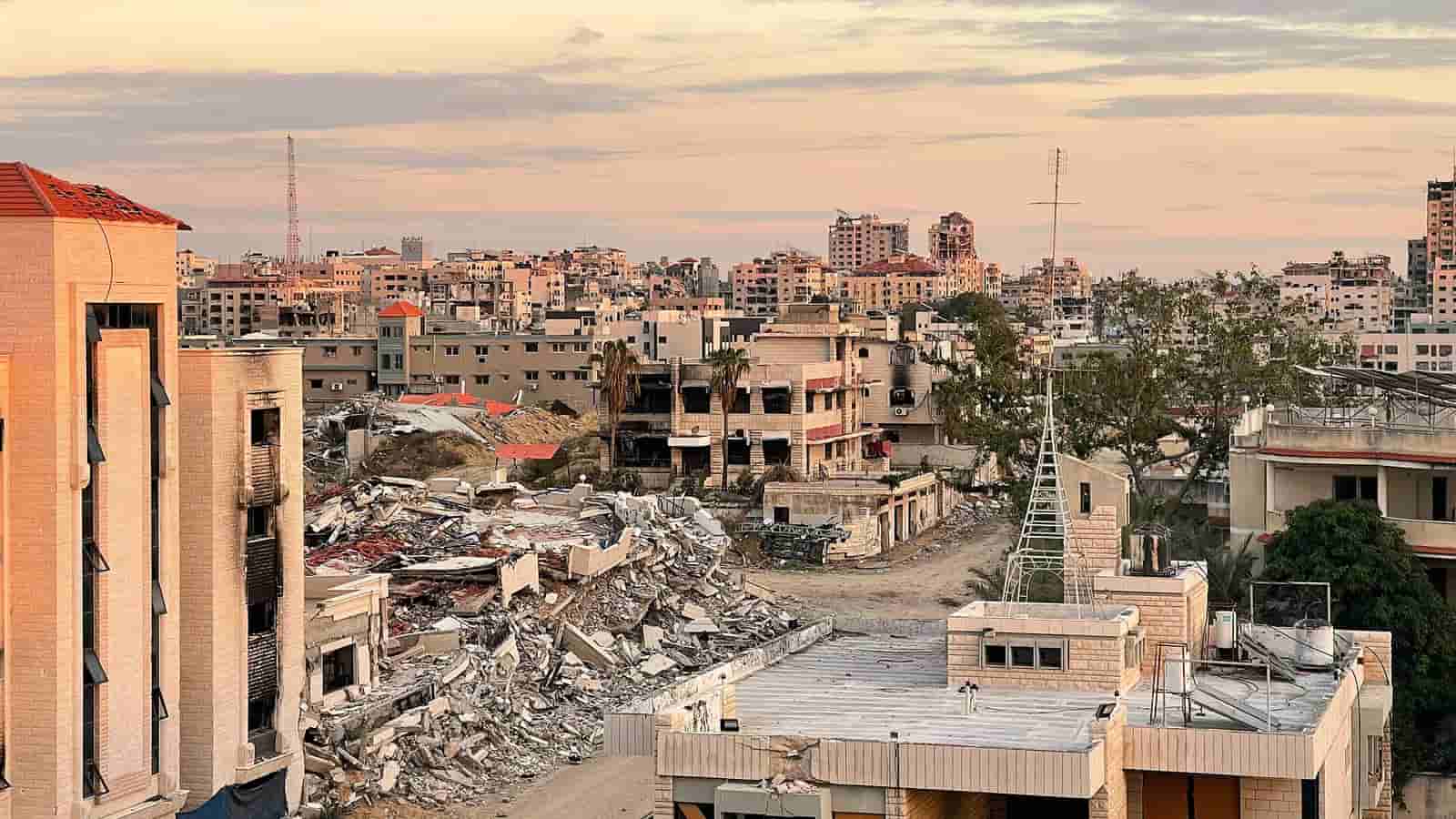
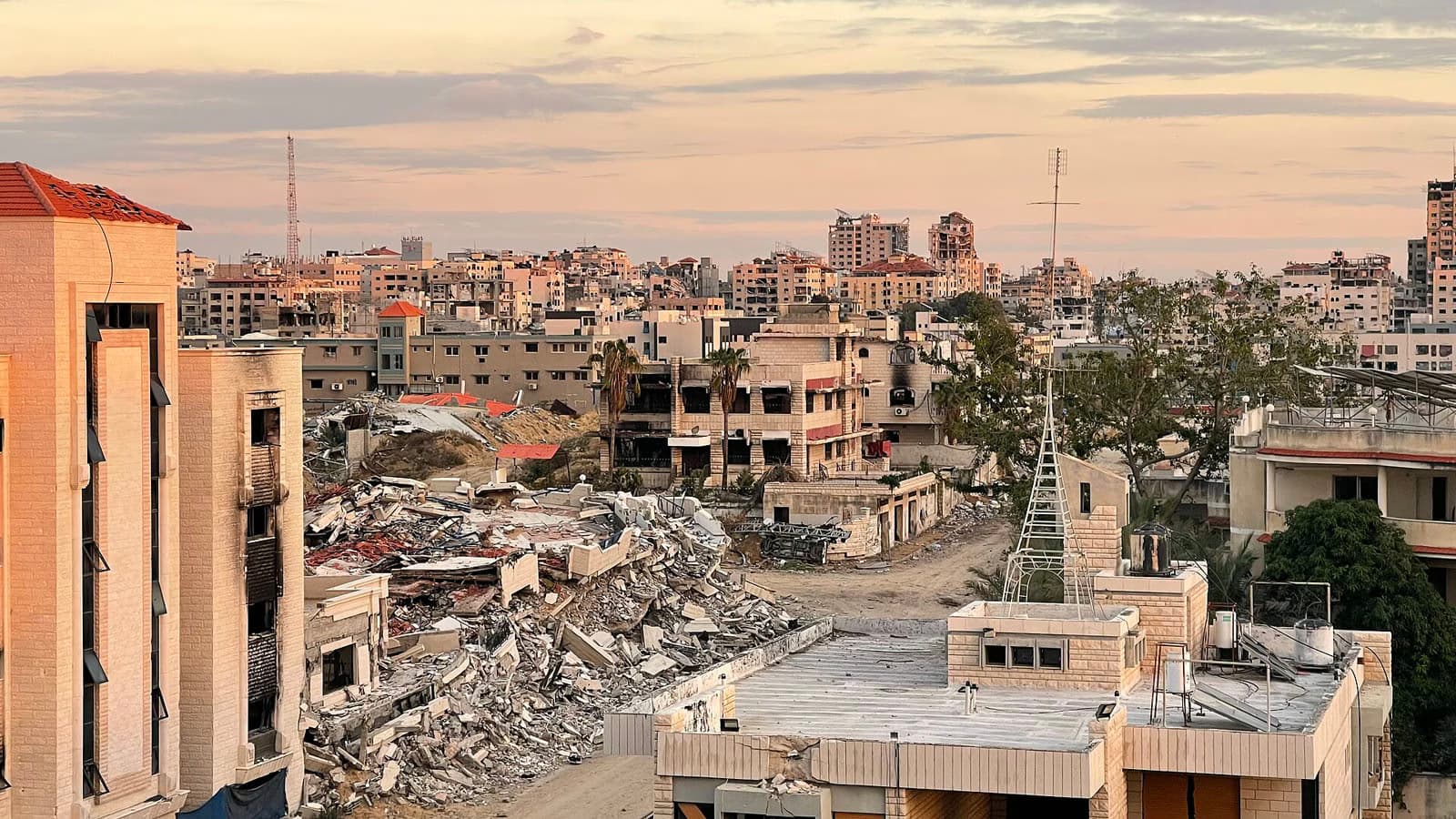
Arab League Secretary-General Nabil Fehmi said the destruction he witnessed in southern Lebanon reflected an approach aimed at destroying residential areas, seizing land and displacing civilians. Fehmi called for increased political and practical support for Lebanon.


Arab League Secretary-General Nabil Fehmi said the destruction in southern Lebanon revealed an approach aimed at displacing residents and paving the way for a possible Israeli occupation.
During his tour of southern Lebanon on Tuesday, Fehmi visited the towns of Jwaya and Nabatieh and their surrounding areas. After his visits, Fehmi traveled to the Binwa Barakat Barracks in Tyre, where he met Brigadier General Nikola Sabit, commander of the Lebanese army's sector south of the Litani River.
Describing the scenes he encountered in Jwaya and Nabatieh as "saddening," Fehmi said the destruction demonstrated a method of demolishing residential areas, seizing land and forcing the population to leave.
Fehmi said he believed the Lebanese people would remain committed to their land. He said the Arab League was monitoring developments and coordinating with the Lebanese government on reconstruction, strengthening the army's capabilities, and consolidating security and stability.
Describing Israel's attacks on residents of southern Lebanon as "unacceptable," Fehmi said political, moral and security measures were needed, along with concrete support for Lebanese institutions.
Emphasizing that support for Lebanon from the Arab League and its member states was a political responsibility, Fehmi called on Arab countries not to limit their positions to condemnations and statements of reaction. He said this position should be turned into practical and constructive steps, adding that the league administration would continue coordinating with officials to support the Lebanese government, people and army and enable displaced people to return to their villages and homes.
Lebanese army warns of security vacuum
Brigadier General Nikola Sabit, commander of the Lebanese army's sector south of the Litani River, called for Arab and international action to halt Israel's attacks, secure its withdrawal from Lebanese territory and ensure respect for the country's sovereignty.
Sabit said the continuation of the occupation and security risks was preventing residents from returning safely to their villages. He said this also made it more difficult for the Lebanese army to deploy across all areas in the south, up to the international border.
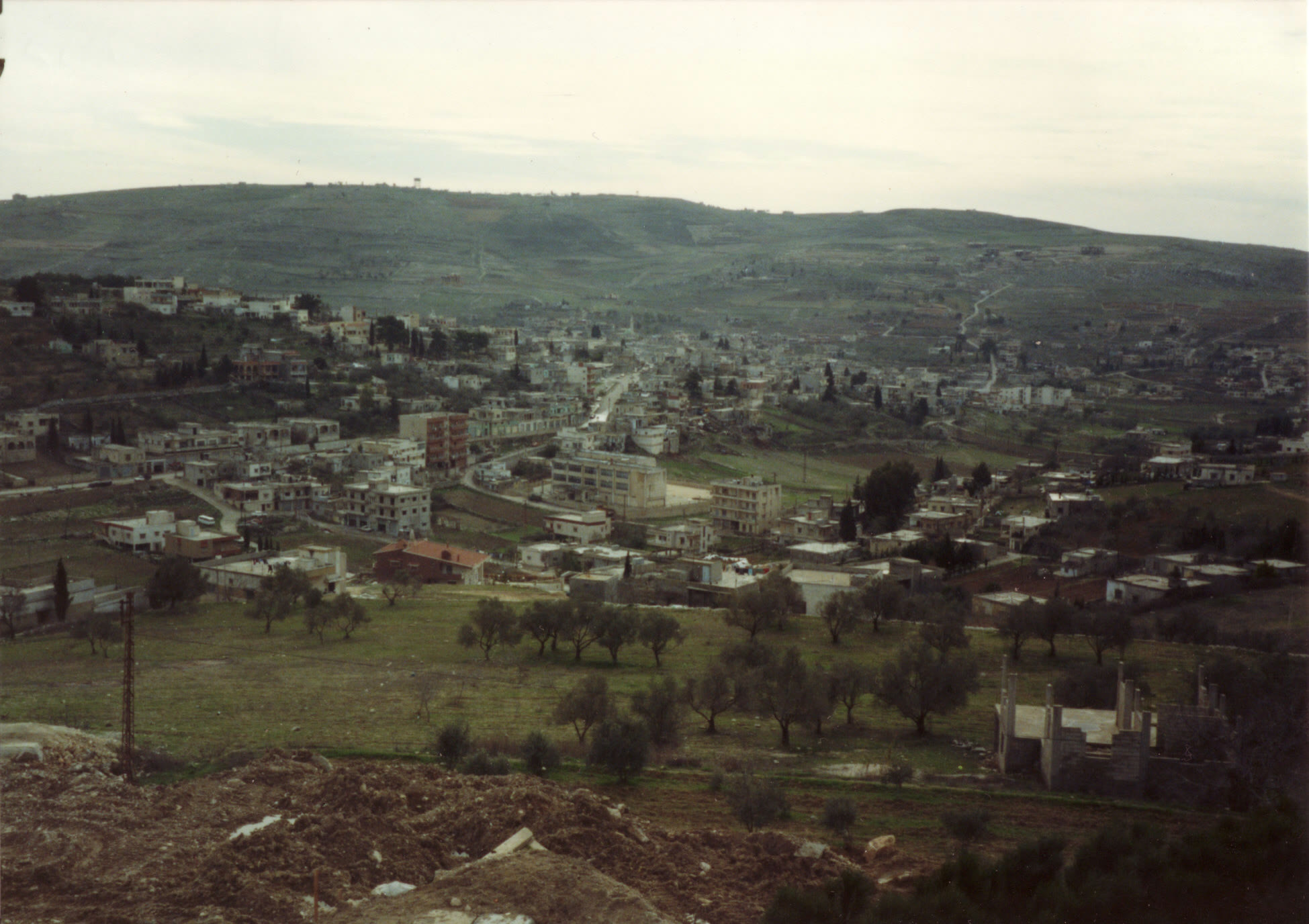
Sabit said the Lebanese army was continuing its mission despite difficult conditions and limited resources, adding that it remained committed to preserving the country's unity, the authority of legitimate institutions and the principle that weapons must be held by state institutions.
Sabit also asked the Arab League to help build political and diplomatic support for Lebanon, strengthen the army's capabilities and support the reconstruction of damaged areas.
Sabit said arrangements should be made with the United Nations and international partners to prevent a security vacuum after the mandate of the United Nations Interim Force in Lebanon expires, recalling that the mandate would end on December 31.
Under a United Nations Security Council resolution, the force is expected to withdraw gradually within one year after that date, with the Lebanese government becoming the sole authority responsible for security in the south.
The Council of the European Union also decided last week to establish a new support mission in Lebanon, with an initial mandate of three years. The mission is intended to strengthen the capabilities of the Lebanese army and internal security forces and support the country's sovereignty and stability.
Kaja Kallas, the European Union's high representative for foreign affairs and security policy, said during her visit to Lebanon on October 7 and 8 that a security vacuum should not emerge in the south after the mandate of the United Nations Interim Force in Lebanon ends.
According to Lebanese authorities, more than 4,300 people have been killed, 12,400 wounded and more than 1 million displaced in Israel's attacks on Lebanon since March 2.
A "framework agreement" was signed between Beirut and Tel Aviv on June 26 under U.S. mediation. The agreement provides for Israel's gradual withdrawal from Lebanese territory, the deployment of the Lebanese army in those areas and Hezbollah's surrender of its weapons.
Attacks on southern Lebanon continued despite the agreement, while Israel maintained its presence in the area. Some of these areas have been held for decades, while others were seized during the latest war and military operations.
Stay Updated with Hilal Times
Subscribe to be informed about special news, developments and announcements. We will keep you informed.
By signing up, you agree to our Privacy Policy