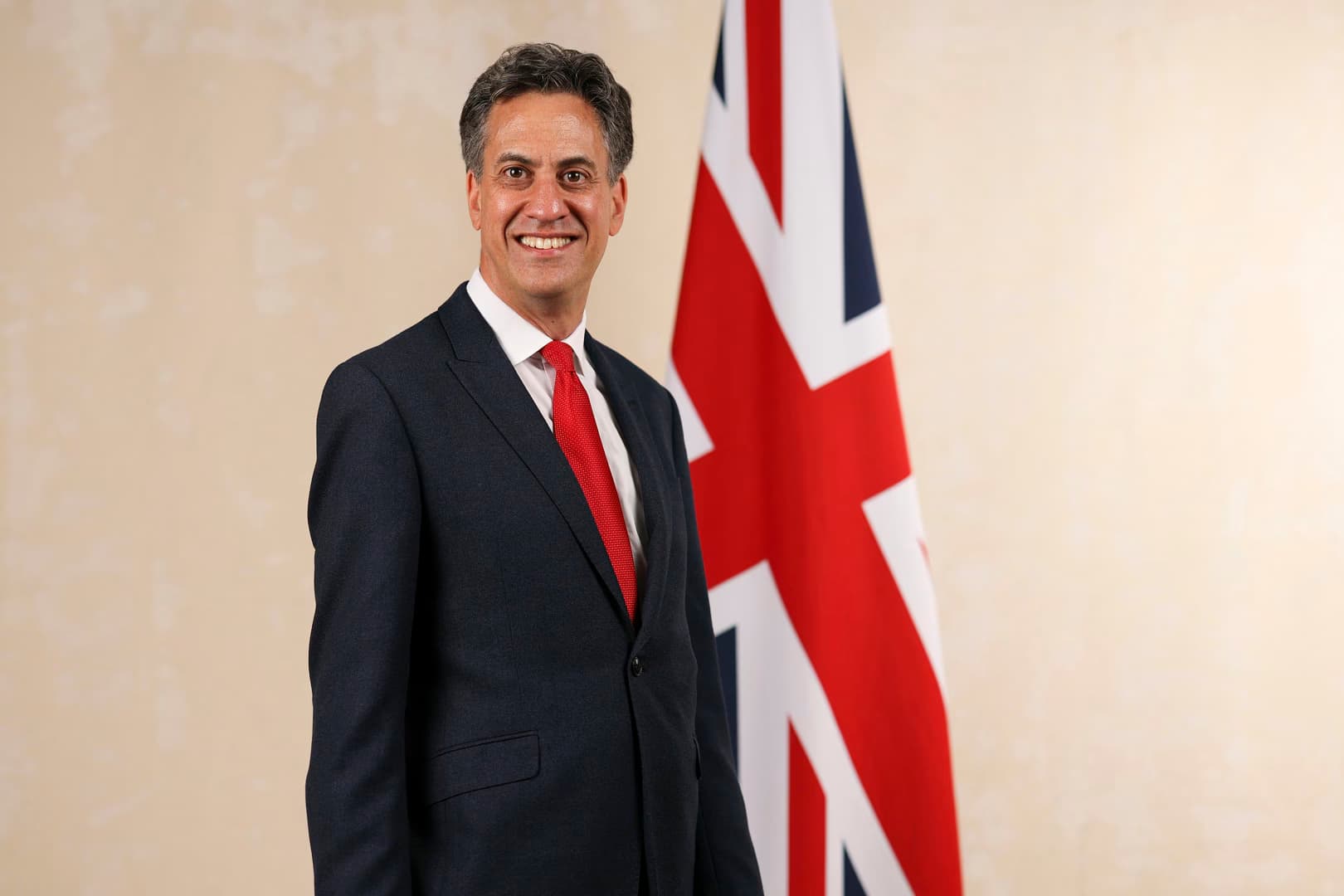
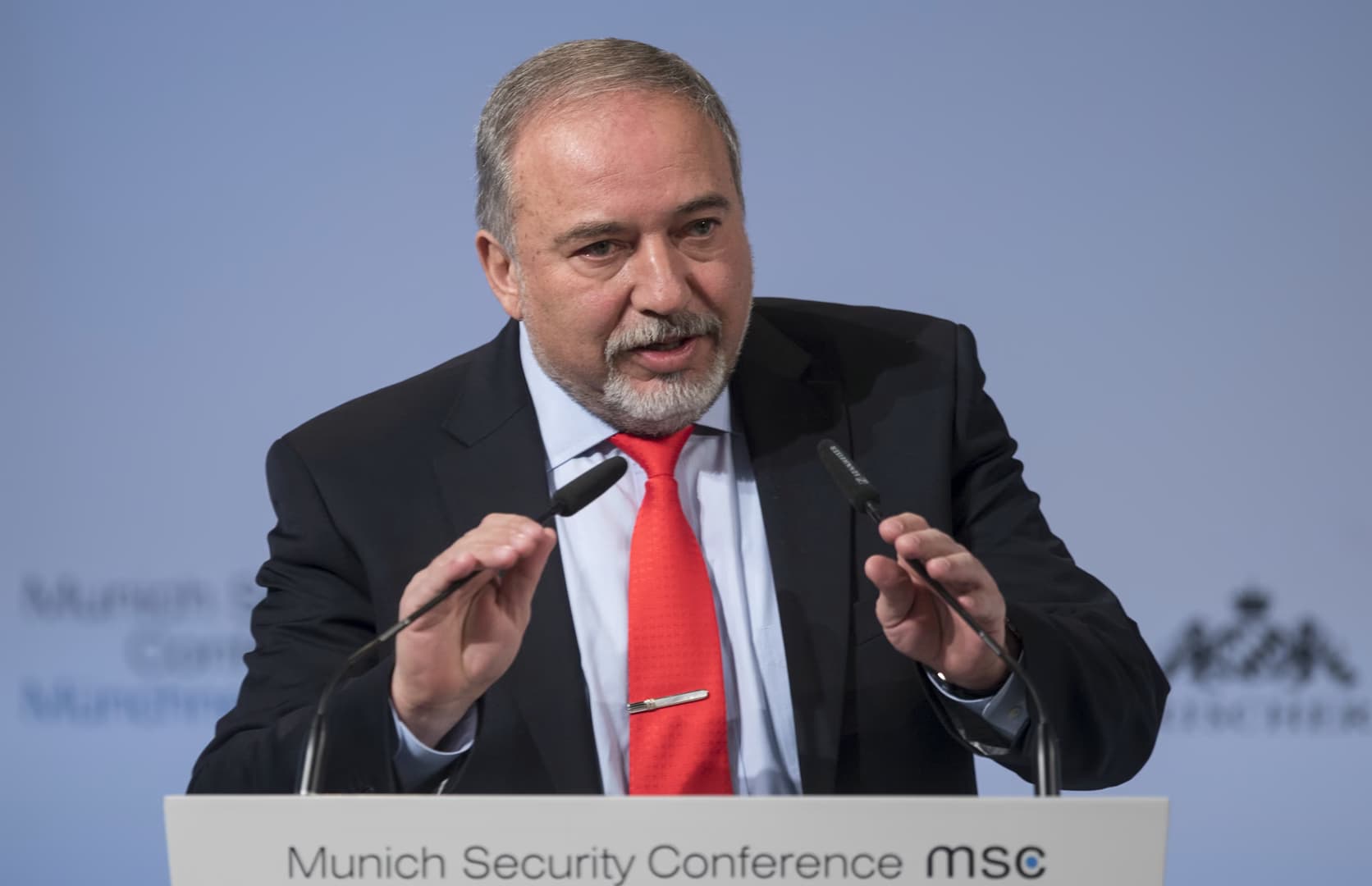
Yoav Segalovitz’s candidacy on the United Arab List led by Mansour Abbas has brought the debate over political cooperation involving Arab citizens and Palestinians to the forefront of Israeli politics. The former Israeli lawmaker will compete in the Knesset election to be held on October 27.
Abbas announced Segalovitz’s candidacy at a joint press conference on Monday. He said the election was important in determining whether Israel would return to its decision-making mechanisms and whether the political partnership launched earlier would continue.
First Jewish lawmaker on Abbas’s list
Abbas said the United Arab List wanted to place the problem of violence and crime among Arab citizens on the government’s agenda and announced that Segalovitz, with whom he had previously worked in this area, had joined the list.
Segalovitz said he decided to run after talks with Abbas and lengthy deliberations. Describing himself as Jewish, Zionist and secular, Segalovitz said he had served as an officer in the Israeli army and as a chief superintendent in the Israel Police. He pointed to Abbas’s identity as an Arab, devout Muslim and conservative.
Despite these differences, Segalovitz said the two politicians shared an Israeli identity and argued that political cooperation could be built on trust, recognition of differences and a commitment to act together. He also described as baseless and wrong the view that political partnerships with Arab parties could not be formed after October 7.
Linked to the Southern Branch of the Islamic Movement
The United Arab List is linked to the Southern Branch of the Islamic Movement, which was founded in 1996 and is headed by Mansour Abbas. The Islamic Movement among Palestinians in Israel split into southern and northern branches that same year.
The Southern Branch chose to participate in Israeli elections and operate in the Knesset through the United List. The Northern Branch rejected political participation and turned instead to religious and social activities.
Segalovitz’s candidacy was the first example of a Jewish lawmaker appearing on an Arab list. Knesset member Ofer Cassif, meanwhile, is a member of the Arab-Jewish Democratic Front for Peace and Equality.
Abbas had previously said that after the election he could support Jewish opposition parties seeking to form an alternative government if they accepted their demands concerning Arab citizens in particular and Palestinians more broadly. With support from Abbas’s party, a coalition government was formed in 2021, when Naftali Bennett was prime minister.
Netanyahu’s coalition reacts
National Security Minister and leader of the far-right Jewish Power party Itamar Ben-Gvir targeted Segalovitz’s candidacy by sharing an edited image depicting him wearing a Palestinian keffiyeh.
Likud member and Diaspora Affairs Minister Amichai Chikli also criticized Segalovitz for joining a list linked to the Palestinian nationalist movement while identifying as a Zionist. Chikli accused the United Arab List over its position on designating Hamas as a terrorist organization.
Likud member and Knesset Speaker Amir Ohana said opposition leader Gadi Eisenkot could not form a coalition without Abbas. Arguing that Segalovitz’s joining the list was intended to legitimize an Islamic list and bring it into an Eisenkot government, Ohana called for such a government not to be formed.
Opposition backs candidacy
Knesset member Gilad Kariv of the opposition Democrats party described Segalovitz and Abbas as two courageous politicians and wished them success. Kariv said the decision was positive for Israel’s Jewish and Arab citizens.
Former Defense Minister Moshe Ya’alon also announced his support for Segalovitz.
Poll points to 61-seat threshold
A poll published Sunday by Israel’s public broadcaster KAN projected 52 seats for Netanyahu’s bloc, 55 for Jewish opposition parties and 13 for Arab lawmakers.
Under Israeli law, forming a government in the 120-member Knesset requires the support of at least 61 lawmakers. The poll indicates that Netanyahu may face greater difficulty forming a government again and that Jewish opposition parties may need the support of an Arab party to reach a parliamentary majority.