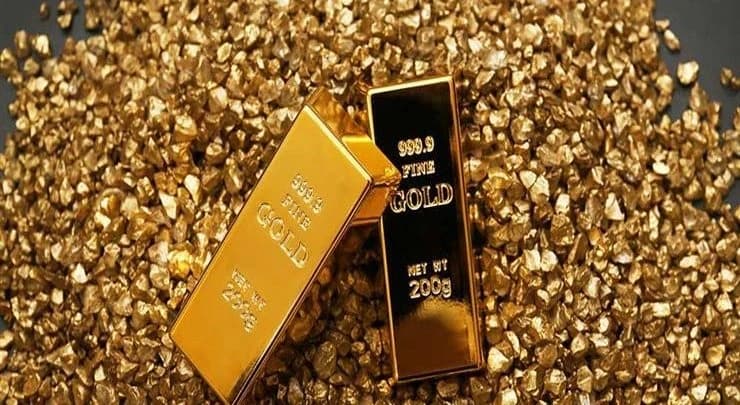
Gold has traditionally been seen as one of the most important safe havens against inflation, war, and political uncertainties, but it has lost 6% since the start of the year. According to Bloomberg's report, the decline was fueled by diminishing fears of a U.S.-Iran war and expectations of tighter monetary policy with Kevin Warsh taking over as Chair of the U.S. Federal Reserve (Fed).
However, the analysis stresses that investor interest in physical assets has not waned. The U.S. budget deficit, which has been running at about 7% of gross domestic product since 2022, and public debt approaching $40 trillion signal that inflationary pressures could remain elevated for a prolonged period.
Inflation Expectations and Precious Stones
Analysts consulted by Bloomberg predict that inflation will remain in the 3.5% to 4% range even as central banks maintain tight monetary policies. They warn that a new inflation shock could strongly revive demand for value-preserving assets.
In this environment, attention turns to precious stones as an alternative investment class. According to the report, during the global inflation wave of the 1970s, stones like rubies, emeralds, and sapphires delivered exceptional gains, while some investment-grade diamonds saw their prices multiply several times.
Competition from Lab-Grown Diamonds
However, the current market has different dynamics from the 1970s boom. Increasing competition from lab-grown diamonds is reducing the investment appeal of natural diamonds. In contrast, stones like emeralds, zircons, tanzanite, peridot, and morganite are said to have a higher potential to preserve their value over the long term.
Meanwhile, the global investment wave in artificial intelligence and energy infrastructure is putting pressure on the prices of many commodities, from copper and uranium to rare earth elements. This reinforces the overall environment supportive of physical assets.
A Historical Warning
Bloomberg also warns that investment in precious stones is closely tied to macroeconomic cycles. It recalls that diamond prices fell more than 70% when inflation receded in the early 1980s, stressing that the performance of these assets is entirely dependent on price levels and global monetary policies.
In conclusion, the recent decline in gold does not signal an end to the appeal of physical assets, but rather reflects a temporary shift in market sentiment. As long as the structural factors fueling inflation, budget deficits, and rising investment spending persist, precious stones and precious metals will remain an option for investors seeking to diversify and protect their portfolios.