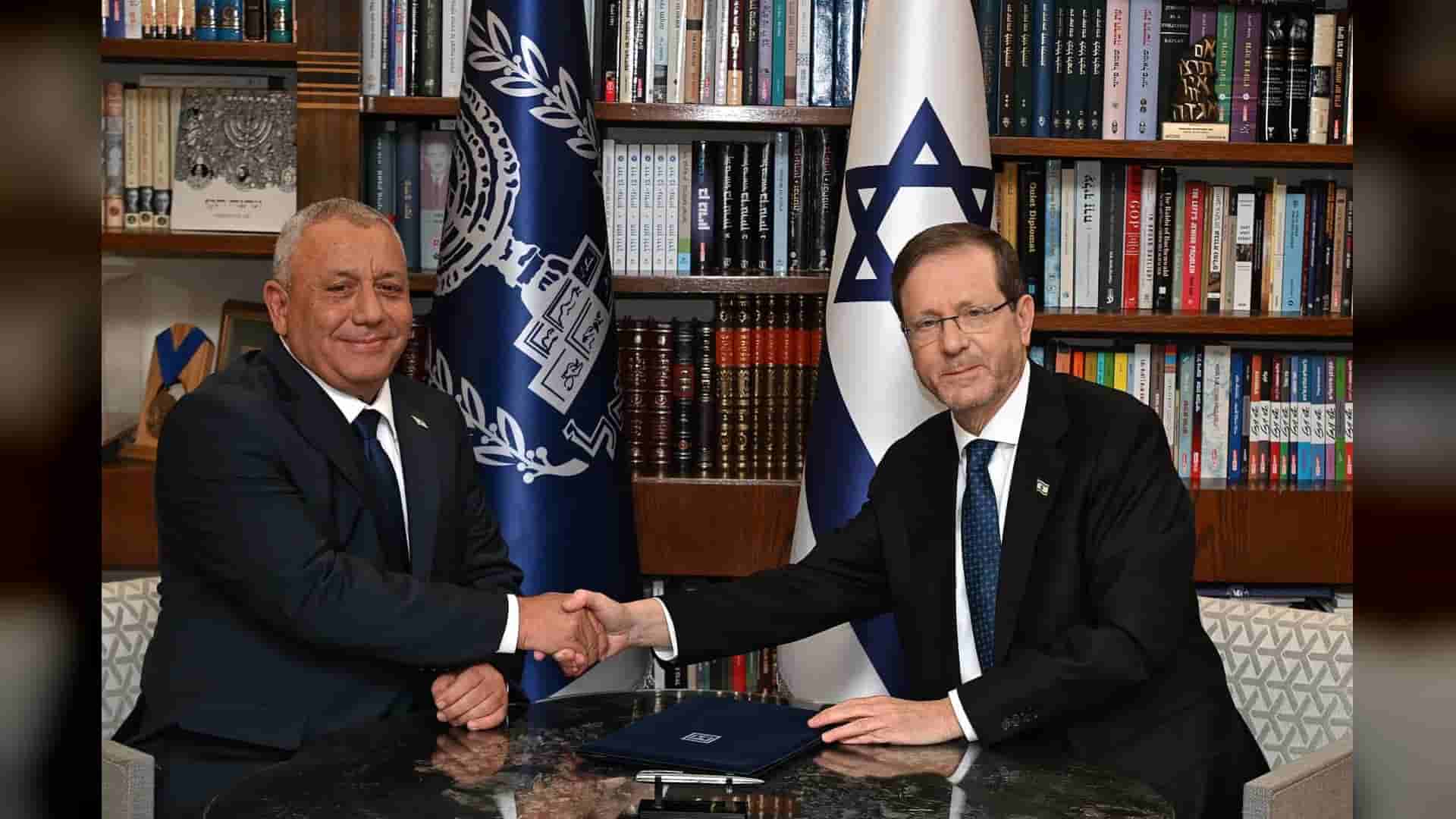
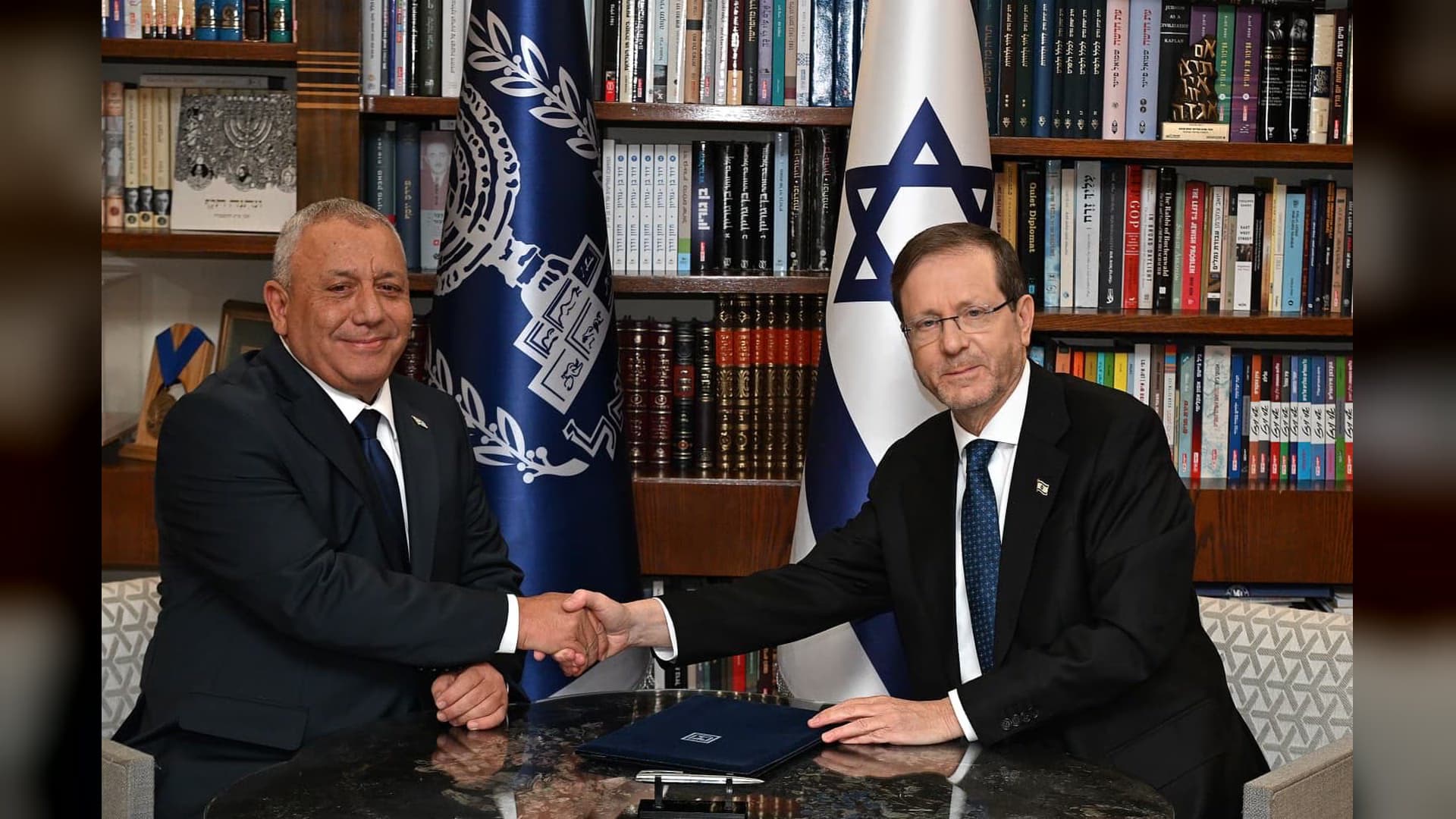
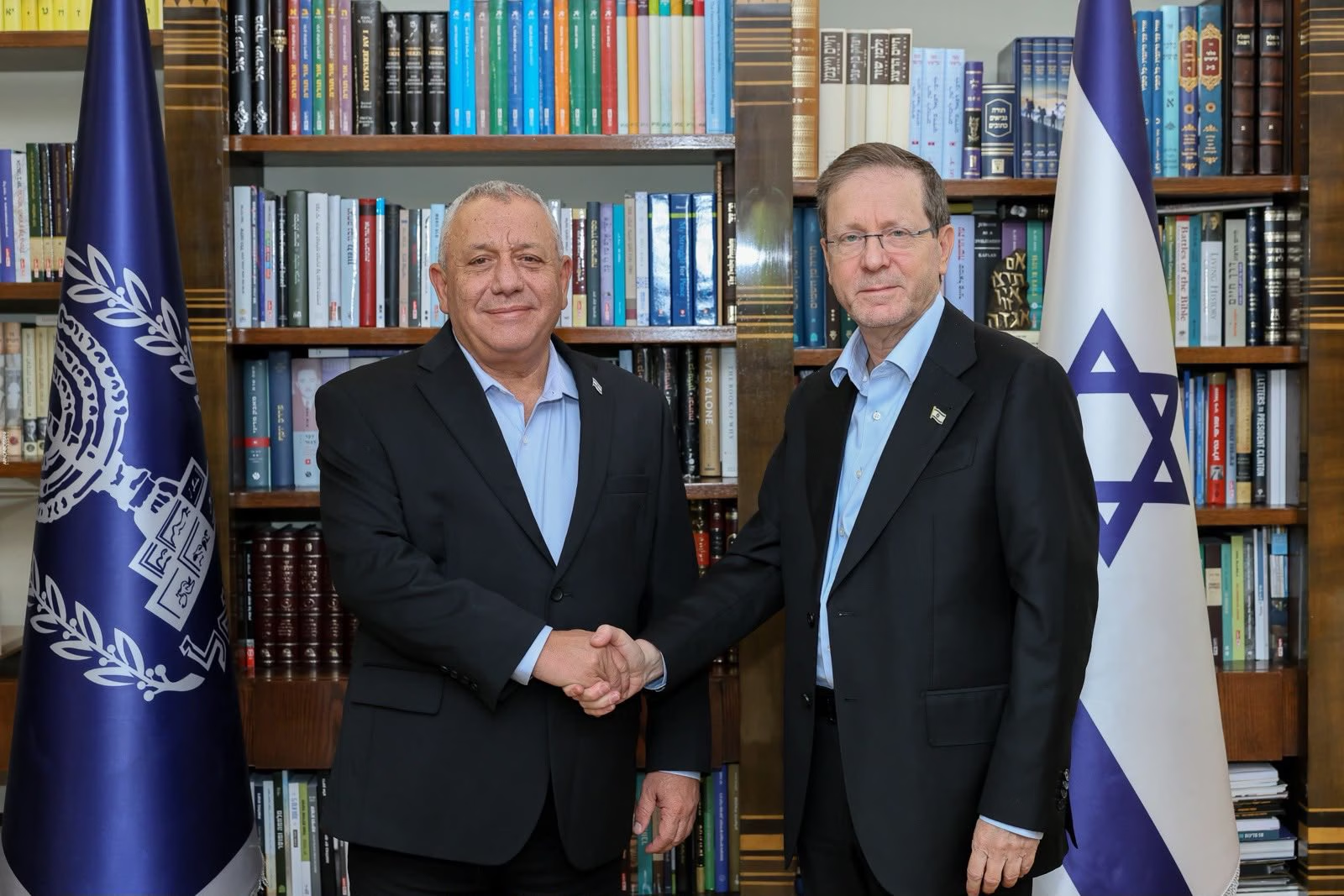
Israeli President Isaac Herzog tasked former army chief Gadi Eisenkot, leader of the opposition bloc, with forming a new government after a week of consultations with all parliamentary blocs in the Knesset.
Eisenkot received recommendations from parties representing 67 of the Knesset’s 120 lawmakers, while parties representing 46 lawmakers recommended Prime Minister Benjamin Netanyahu. Eisenkot formally received the mandate on Sunday evening at a ceremony held at the presidential residence in Jerusalem.
Arab parties, which made significant gains in the election, were among the blocs that recommended Eisenkot. In a recorded address, Netanyahu attacked the prospective government, saying that a government dependent on “Islamists” would dismantle Israel from within. Avigdor Lieberman, a member of the opposition bloc, said he would not join a coalition with Eisenkot if it relied on the votes of Arab lawmakers.
Eisenkot showed flexibility on the enlistment of ultra-Orthodox Jews, or Haredim, opening the door to an alliance with their parties, and called for the formation of a “national emergency government”. Netanyahu faces corruption charges and an arrest warrant from the International Criminal Court over the war in Gaza.
Eisenkot has 28 days to form a government, with a possible 14-day extension. If he fails, the president can task another figure with the mission.
Two separate meetings before the announcement
Herzog made the announcement on Saturday evening after holding weekend talks with figures from across the political spectrum. He met Eisenkot and Netanyahu separately and informed each of them of his decision, The Times of Israel and Ynet reported. At the end of his formal consultations with the parliamentary blocs on Thursday, the Israeli president said the results “may seem clear”, but warned of “mutual vetoes between the blocs and within the blocs themselves”, making no candidate’s ability to form an effective coalition certain.
“National emergency” versus “national unity”
Following the announcement, Eisenkot wrote on the social media platform X: “Now is the time to form a national emergency government,” adding: “I will do everything to ensure that we are worthy.” According to i24NEWS, the leader of the Yashar party requires everyone joining his government to commit to four principles: mandatory service for all, whether military, national or civilian; affirming Israel’s identity as a Jewish and democratic state; adhering to the values of the Declaration of Independence; and considering Hamas a terrorist organisation while dismantling its military capabilities and rule. On the enlistment of Haredim, Eisenkot reiterated on Friday his demand for “mandatory service for all, military, national and civilian, to strengthen the army and expand its ranks”.
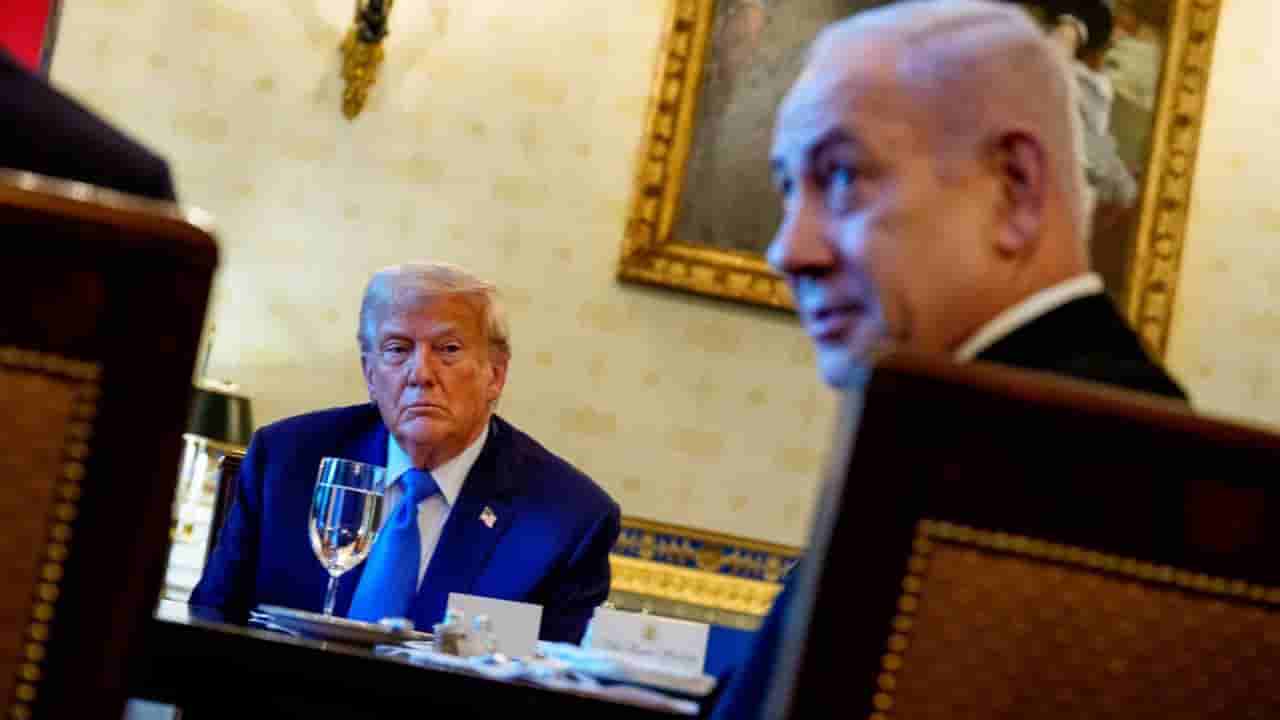
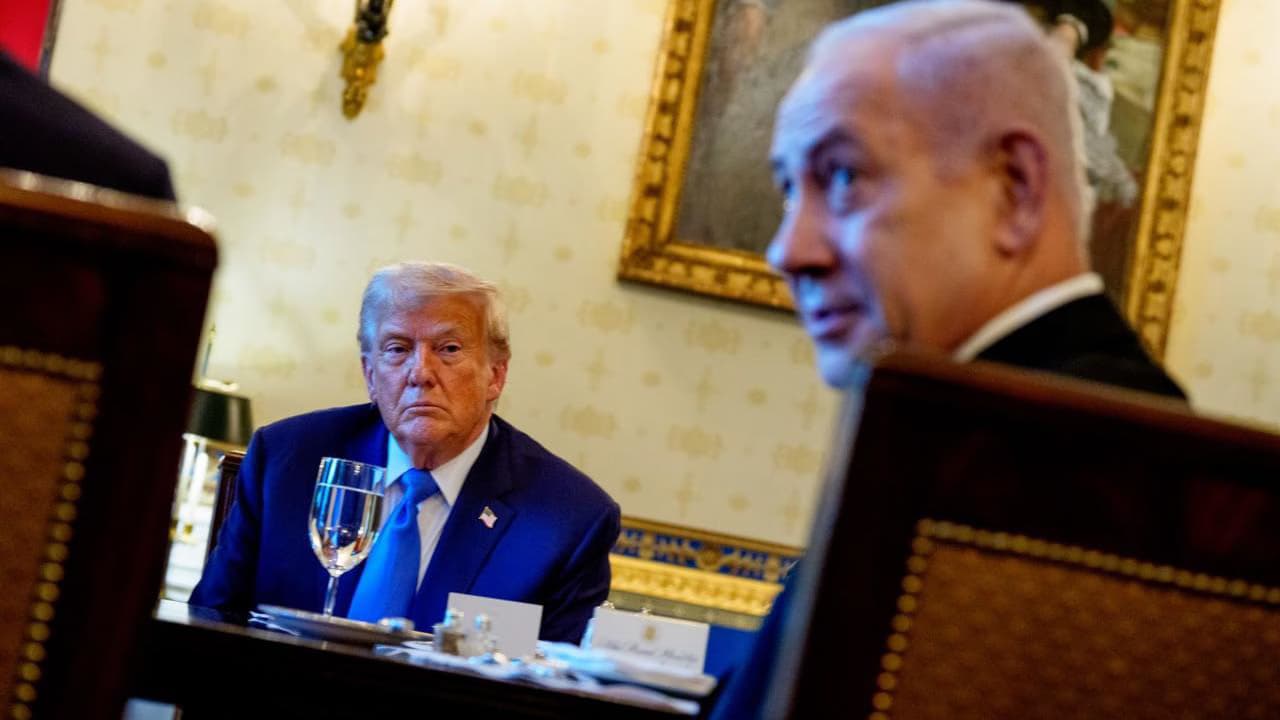
In response, Netanyahu called in a recorded address on Saturday evening for a unity government comprising “all the Zionist parties that want to preserve our state”. He said, according to Ynet: “There is only one option, not national suicide but national unity,” accusing Eisenkot of seeking to establish a government dependent on Arab parties “next week”. The Yashar party described the address as “hysterical” and called on Likud and its allies to “publicly announce that they are ending their alliance with the extremists”, Agence France-Presse reported, and to accept Eisenkot’s four principles and join a government led by him.
Arab and Haredi parties hold the keys to a majority
Ahmad Tibi, a leader of the Joint List, which holds 11 seats, said Herzog’s decision was “expected”, adding: “We feared that the president would move toward a national unity government.” In remarks carried by Al Jazeera, Tibi said Eisenkot could lead a minority government “with external support from Arab parties”. He explained that it would not be a “dream government” for those parties, but that their priority was to bring down the government of Netanyahu, Itamar Ben-Gvir and Bezalel Smotrich.
Eisenkot’s four-party bloc won 48 seats in the October 27 election, compared with 53 for Netanyahu’s bloc, while Arab parties won a record 19 seats. According to calculations by The Times of Israel, Eisenkot’s total would rise to 55 seats if the Haredi United Torah Judaism party joined him with its seven seats, and could reach 61 seats—a slim majority—with support from the Shas party, which holds six seats. Shas described reports that it might join as “completely fake news”. Lieberman said on Friday that he was prepared to make “painful concessions” on Haredi enlistment in order to form a government without Netanyahu and without relying on Arab parties.
Eisenkot could also form a minority government with fewer than 61 seats if it wins the Knesset’s confidence. If he and the second candidate fail, a Knesset majority may support a third candidate, who would receive a final 14-day period. Otherwise, Israel would head to new elections within 90 days, during which Netanyahu would remain prime minister of a caretaker government, Al Jazeera reported.
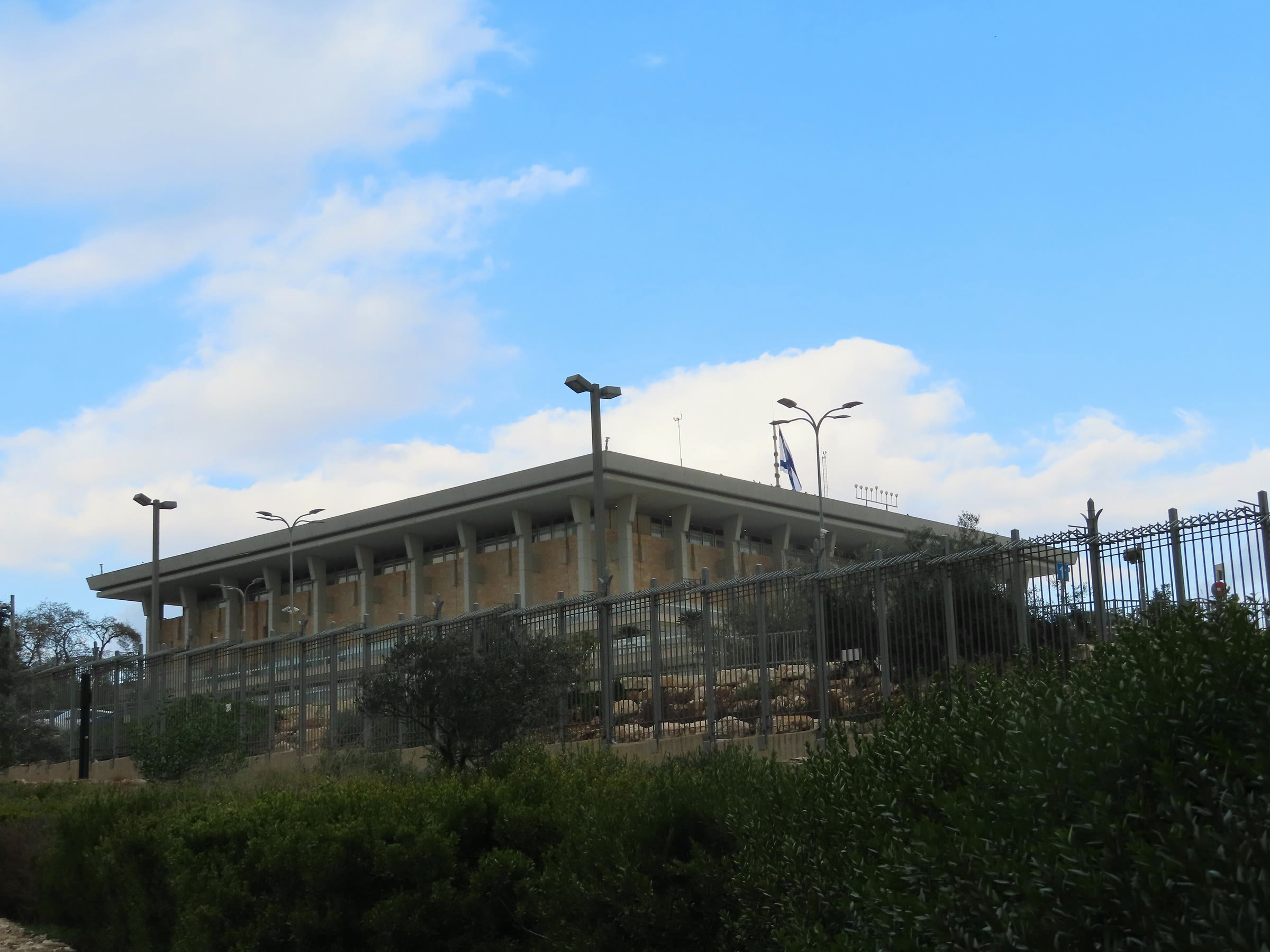
Photo: The Israeli presidential residence