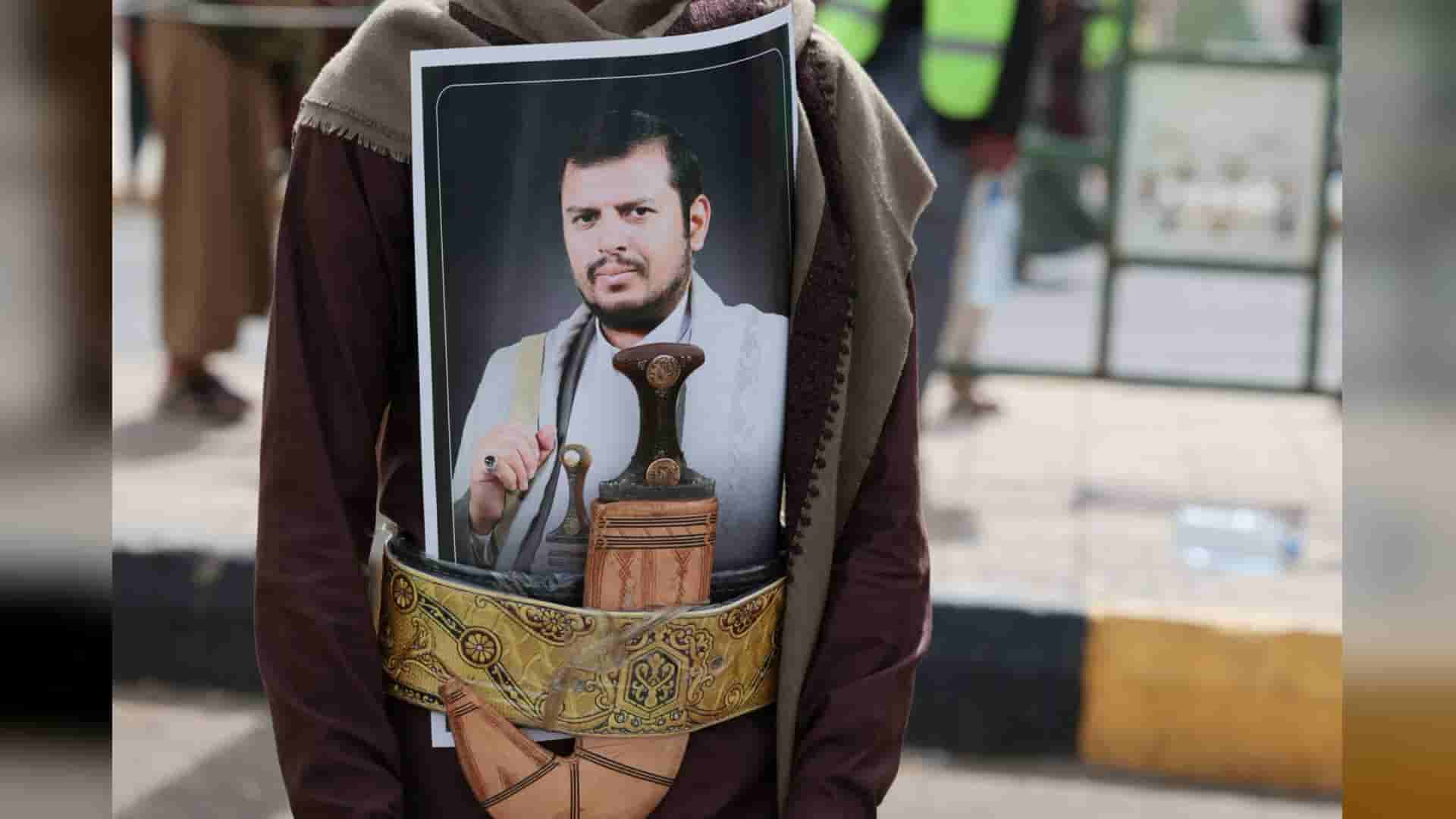
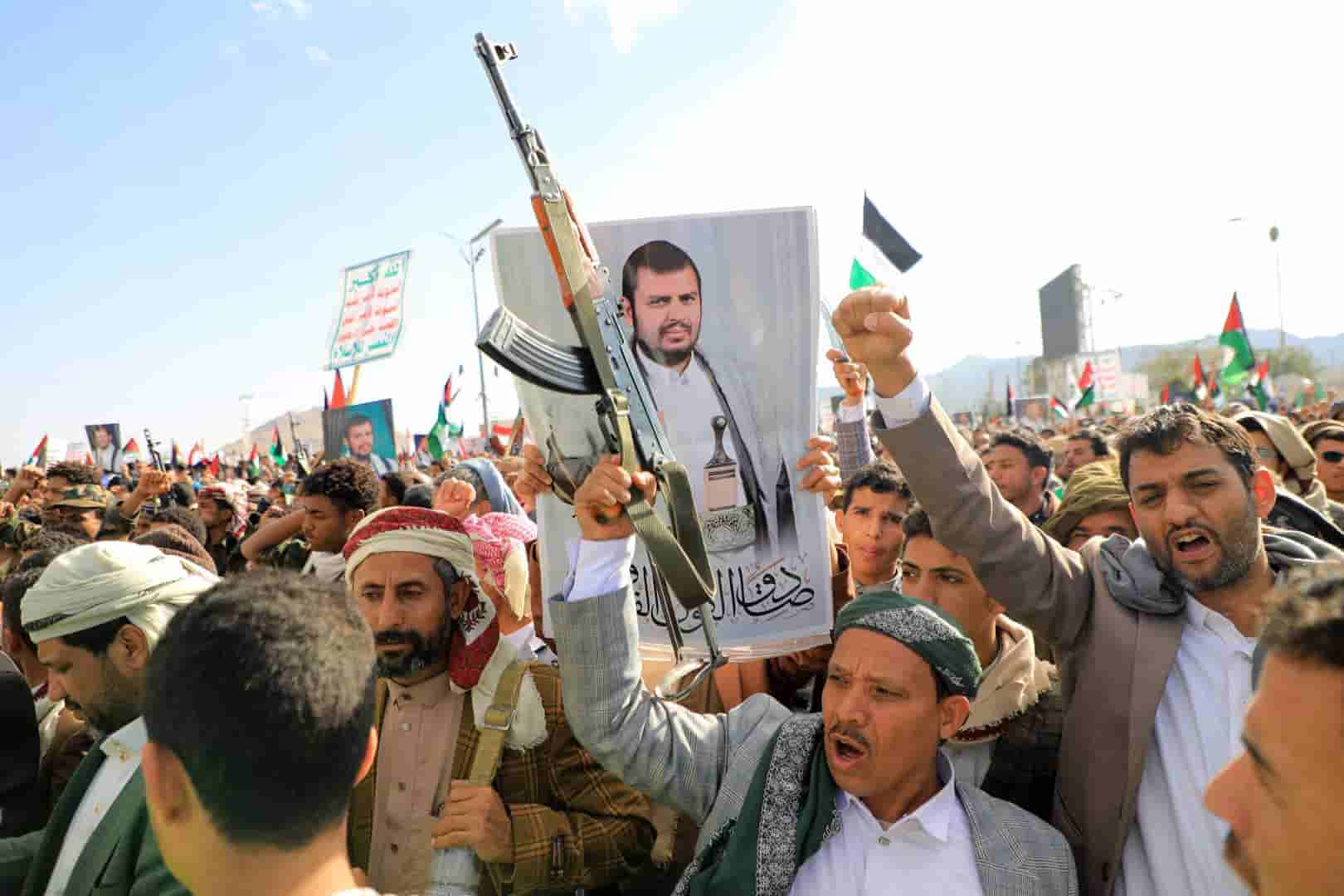
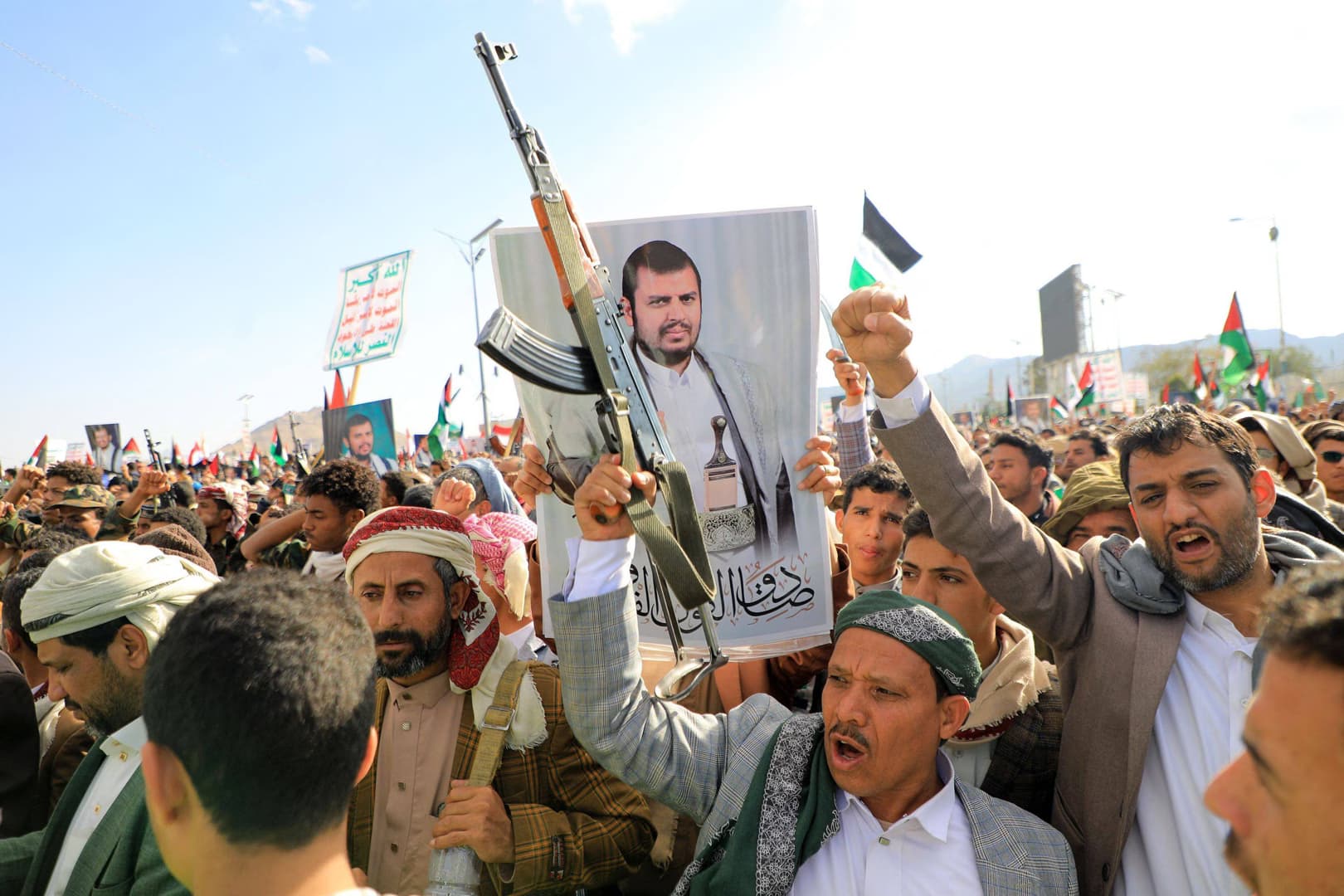
The Houthi group in Yemen demanded that Saudi Arabia pay $51 billion and officially recognize it as Yemen’s ruling authority in exchange for ending the hostilities that have escalated between the two sides since the summer, the U.S. Wall Street Journal reported on Thursday, November 5, citing people familiar with the talks.
The newspaper said the figure was given in response to a Saudi question about what would be required to end the fighting through negotiations. The Houthis said the amount represented compensation for years of Saudi airstrikes and a prolonged blockade. The sources added that other figures were later proposed, all in the tens of billions of dollars.
An armed adversary on the southern border
The demand for official recognition would mean, according to the newspaper, that Saudi Arabia accepted the presence of an adversary armed by Iran on its southern border. The demands followed Houthi attacks on Saudi oil tankers in the Red Sea and strikes on energy facilities inside the kingdom, as well as the group’s control of territory overlooking the Bab al-Mandab Strait.
Saudi officials fear that accepting these conditions would encourage more attacks and financial demands. The newspaper said Crown Prince Mohammed bin Salman is reluctant to enter negotiations before securing gains on the ground, but also fears that sending more ground forces could result in heavy casualties and provoke angry domestic reactions. It added that the kingdom had suffered dozens of casualties without publicly acknowledging them, while the Houthis had moved to within about 80 kilometers of Aden, the seat of the internationally recognized government.
From Riyadh airport to “Dawn of Yemen”
The confrontation resumed in July after the collapse of the United Nations-brokered truce reached in 2022, gradually turning into missile and drone attacks on Saudi airports and energy facilities. On October 10, a Houthi strike hit King Khalid International Airport in Riyadh, which was closed for about two weeks after a series of attacks targeting it.
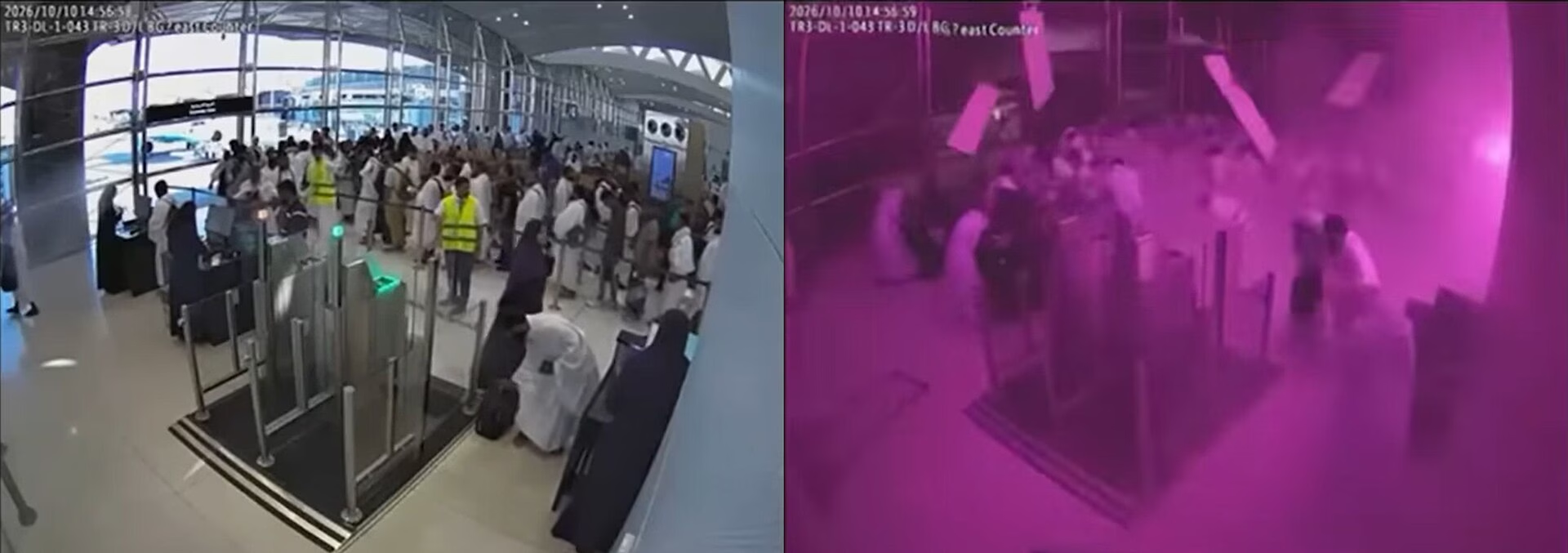
In early October, Yemeni Presidential Leadership Council Chairman Rashad al-Alimi launched the “Dawn of Yemen” operation to retake Houthi-controlled areas, including Sanaa. The Saudi-led coalition said 100 fighter jets took part, marking the first acknowledgment since 2022 that airstrikes against the group had resumed. Government forces have not yet retaken what they lost on the Red Sea coast in September, Al Jazeera reported, while U.N. envoy Hans Grundberg told the Security Council on October 9 that Yemen had once again descended into “full-scale war.”
The attacks continued in recent days. On October 29 and 30, the coalition announced that it had intercepted two ballistic missiles launched toward Riyadh and a cruise missile headed toward the kingdom’s west. A Saudi citizen was injured by shrapnel that fell on a house in the capital, while the Houthis said they had targeted the Ras Tanura and Rabigh refineries, Aramco facilities in Abqaiq, and the airports in Riyadh and Dammam.
Stalled mediation efforts
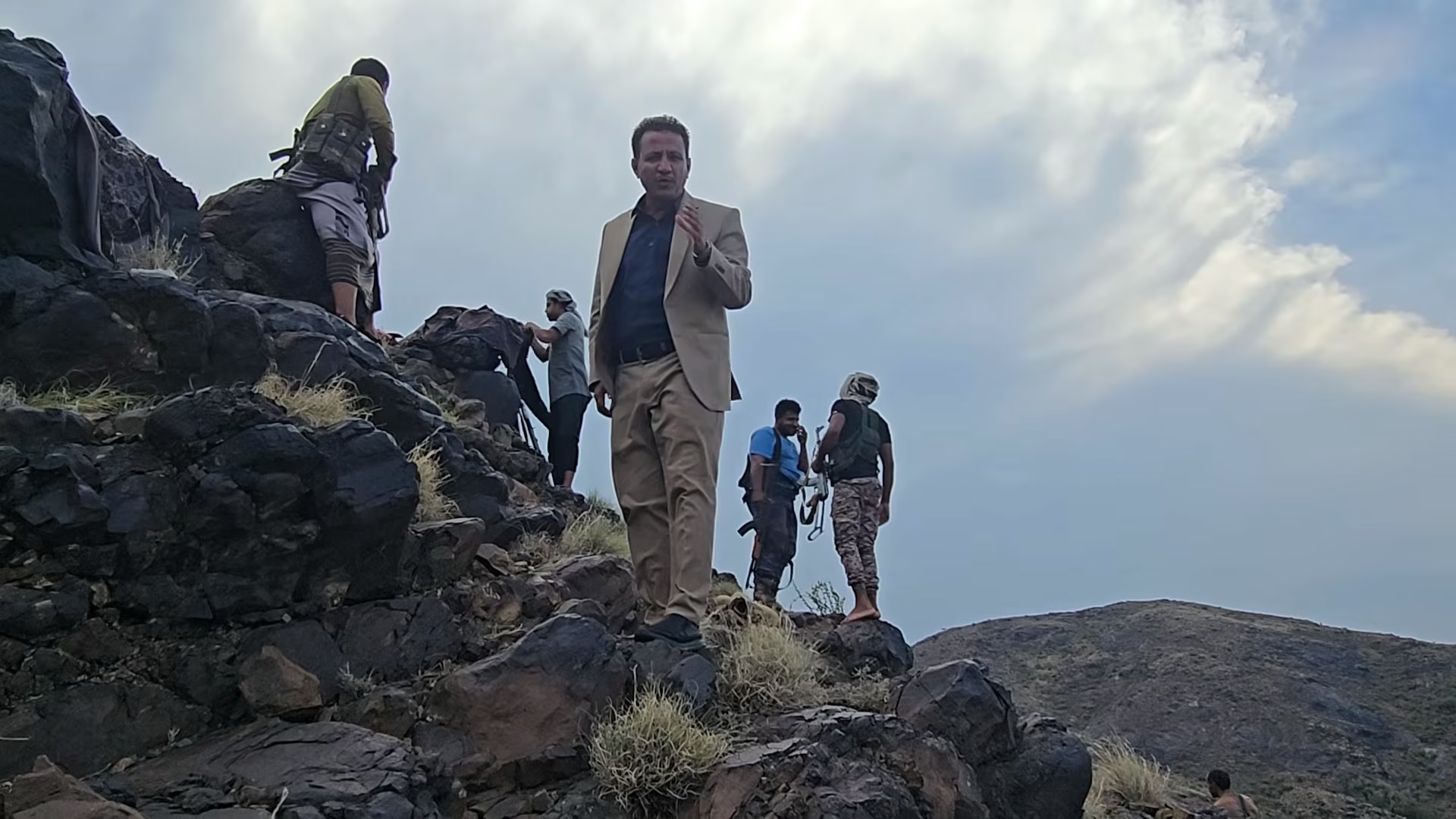
On the diplomatic front, Saudi Foreign Ministry official Raed Qarmali said in mid-October that the Houthis had rejected an offer to meet in Oman as the latest round of fighting began. He accused Iran of “encouraging” the escalation, while Tehran denied any role in Houthi operations and again offered to mediate an end to the hostilities. Reports in September said a Saudi proposal conveyed through Muscat included a two-week truce and direct talks with the group’s leadership, but Riyadh did not officially confirm it.
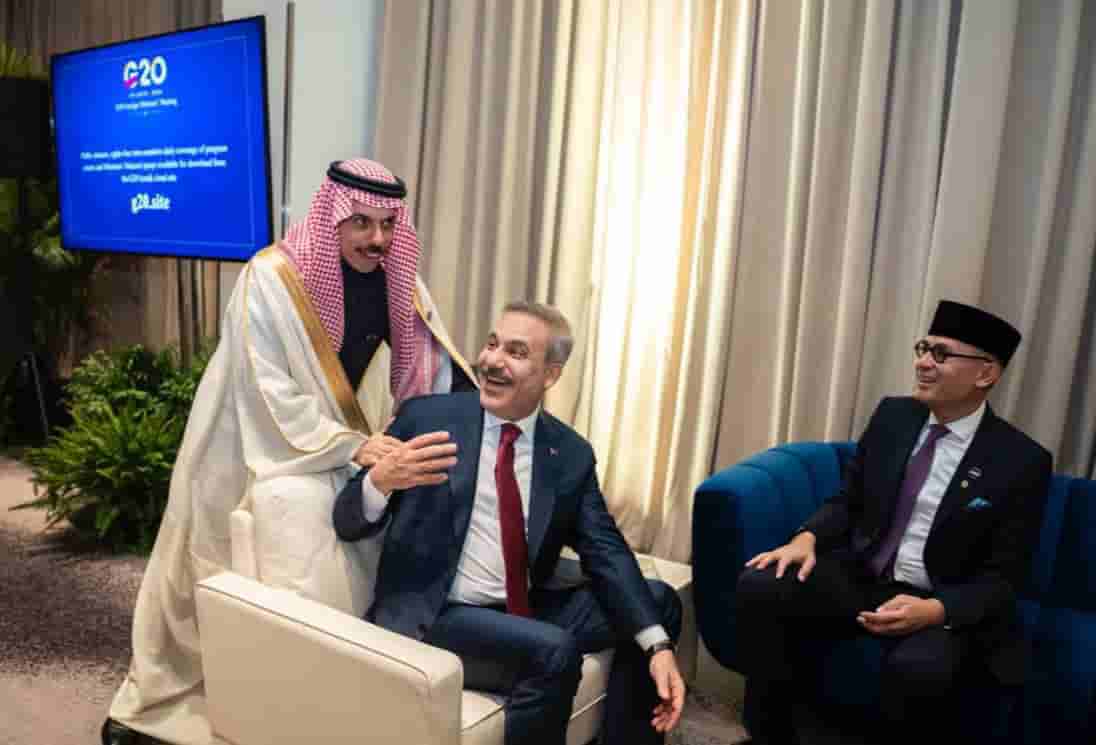
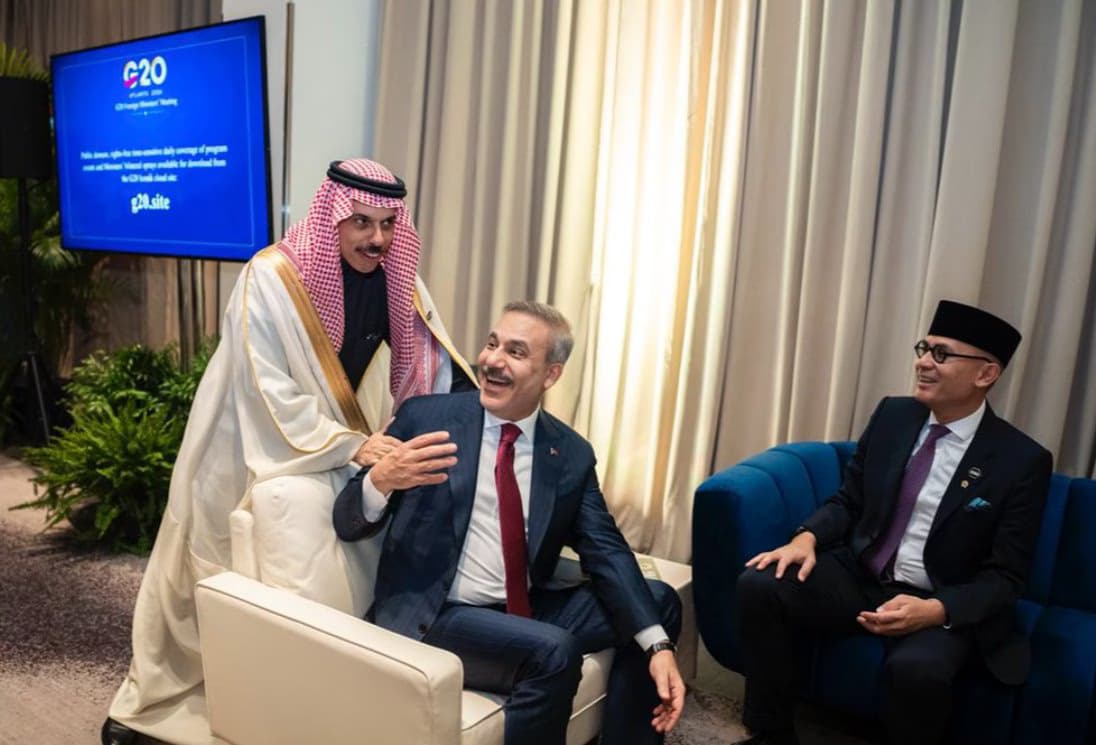
Internationally, the Security Council condemned the Houthi attacks on Saudi Arabia’s aviation and energy sectors and on shipping on October 15. Egypt’s National Defense Council also decided to provide “all possible forms of support” to enable the kingdom to defend its security. Late last month, the Saudi crown prince received calls from the leaders of South Korea and Spain, who condemned the attacks. Foreign Minister Prince Faisal bin Farhan also discussed the escalation in Yemen with his Russian counterpart, Sergei Lavrov, on the sidelines of a G20 foreign ministers’ meeting in Atlanta.
Cover image: Clash Report. Images in the article: King Khalid Airport surveillance cameras (Wikimedia Commons), Amin Dibwan (CC BY 4.0)