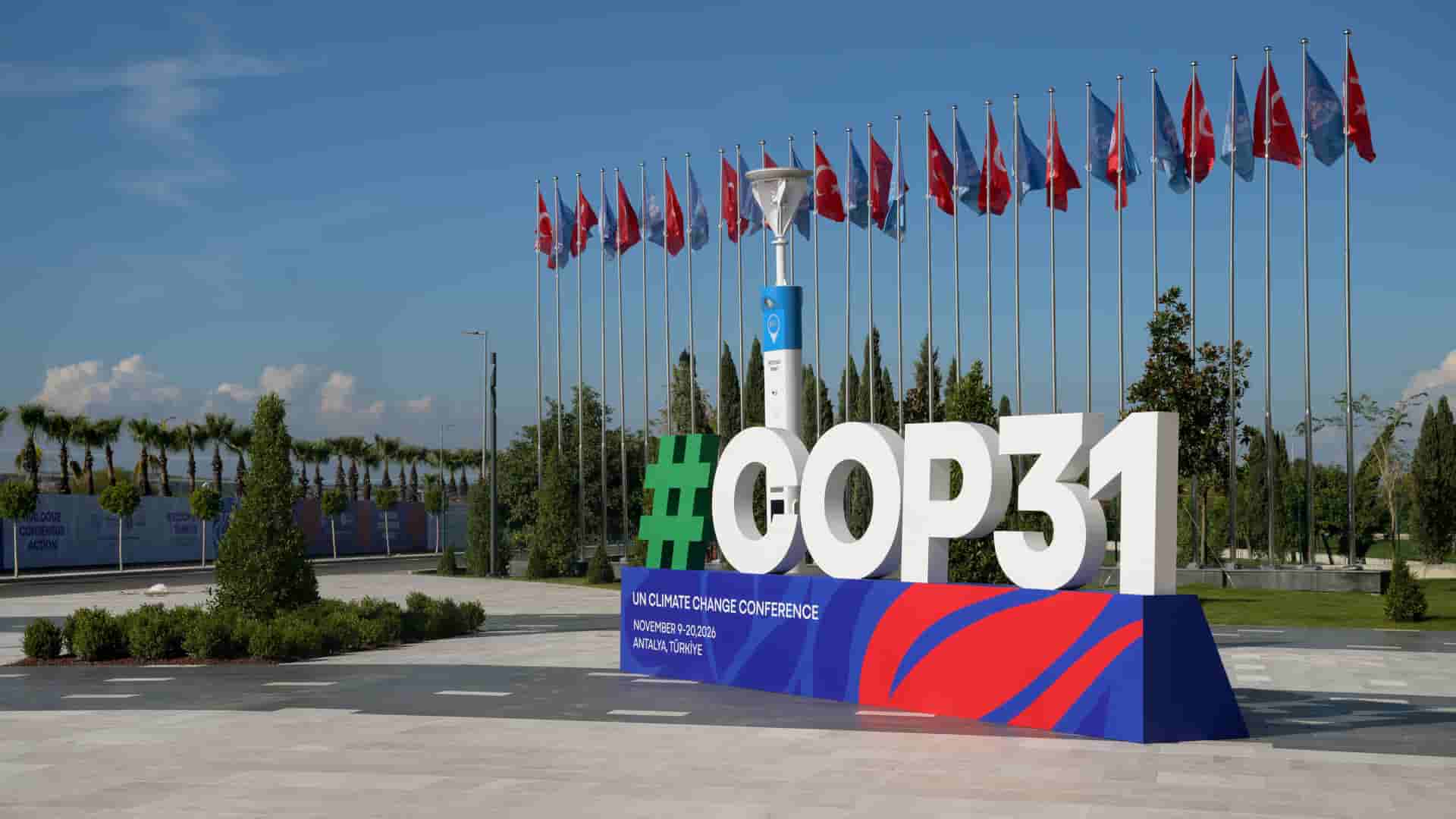
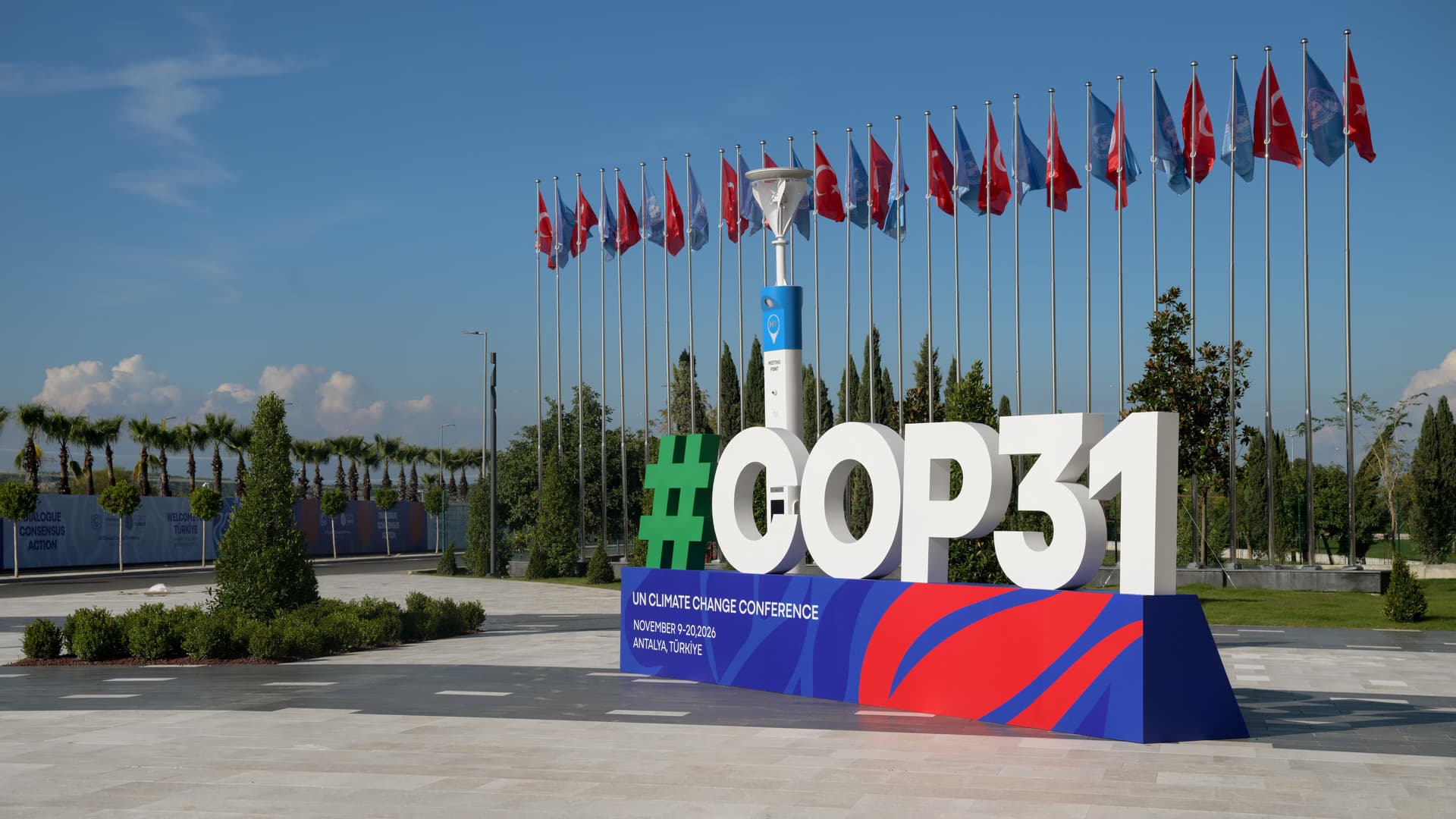
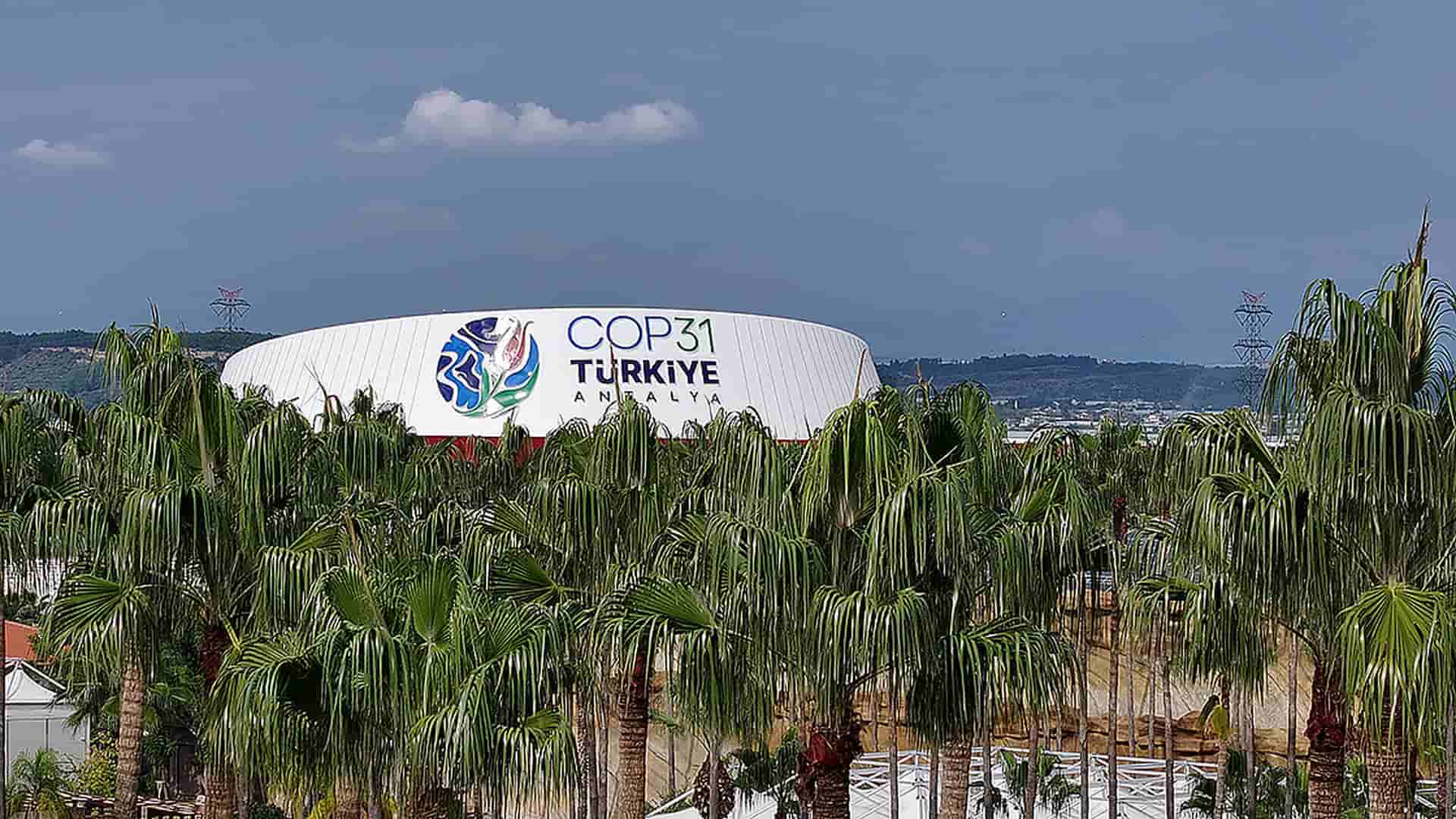
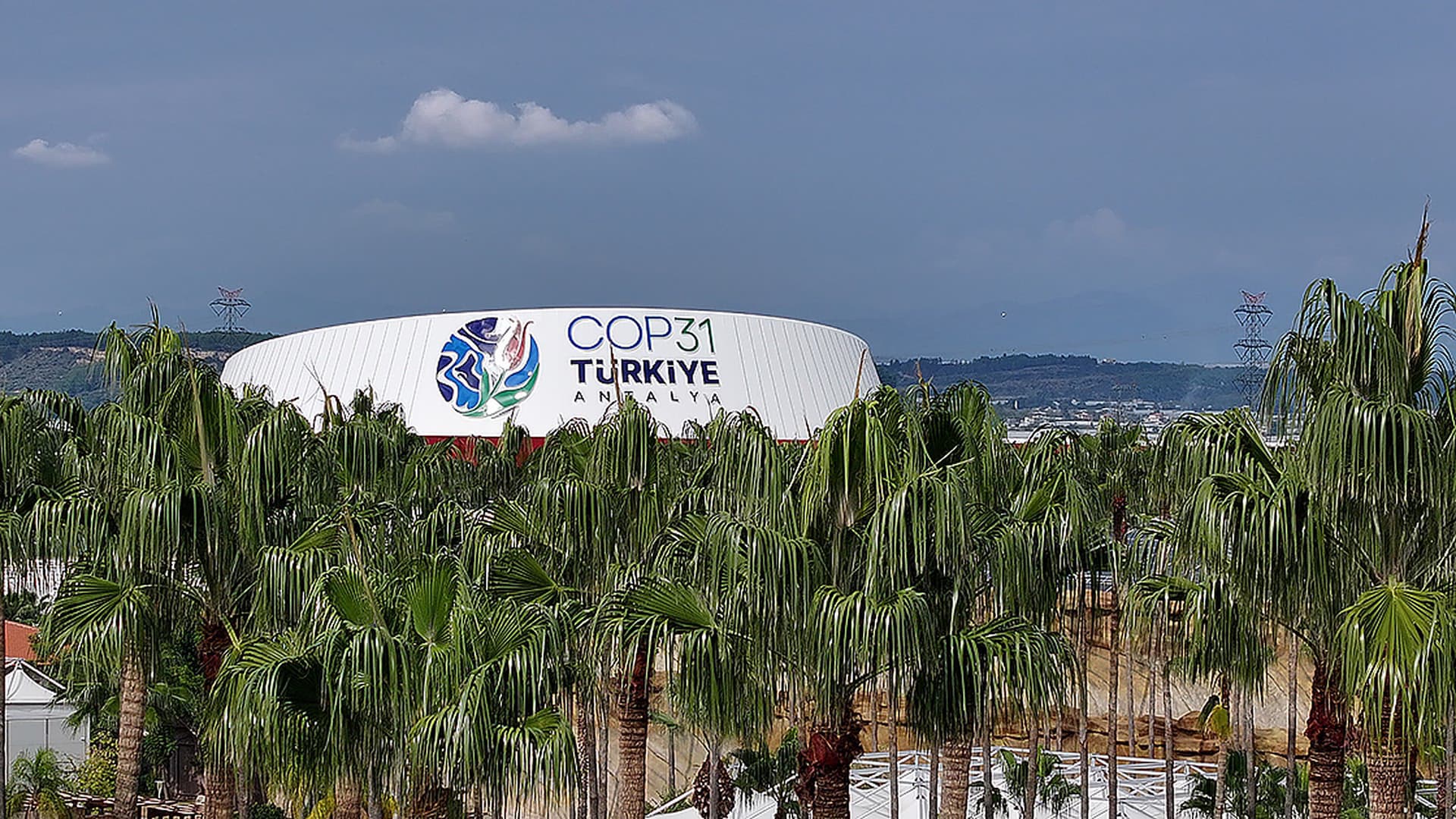
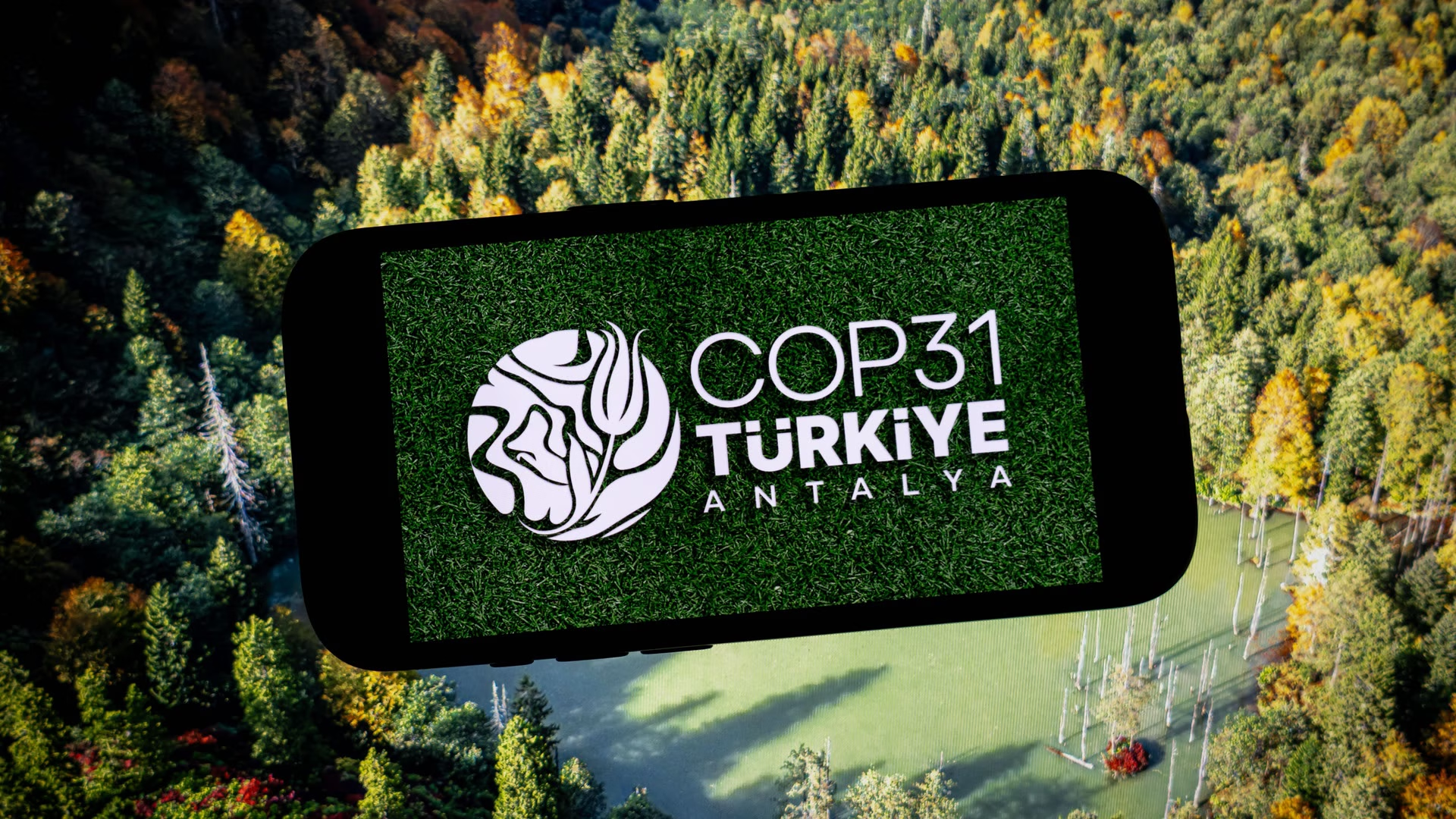
Four days before the UN Climate Change Conference COP31 opens in Antalya from November 9 to 20, Diarmid Campbell-Lendrum, head of the Climate Change, Energy and Air Quality Unit at the World Health Organization, said Türkiye had “become one of the leading countries on the health agenda within the Conference of the Parties negotiations.”
Responding to a question from an Anadolu reporter at the organization’s weekly press briefing in Geneva, he added: “Türkiye has made dynamic and climate-resilient health systems one of the 10 priorities it identified for COP31, and we see this as tangible progress.” He welcomed the organization of a “Health Day” on the first day of the conference, with the participation of WHO Director-General Tedros Adhanom Ghebreyesus.
In a video message marking the countdown to the conference, the Turkish COP31 Presidency said: “Air, water, fire and soil... all are at their best when they are in balance. When the balance of our planet is disrupted, our shared future is directly affected. Only 4 days remain to preserve balance and take concrete steps.”
Tedros: The climate crisis is actually a health crisis
Tedros, who will meet world leaders in Türkiye next week, said: “We will once again emphasize, as the World Health Organization, that the climate crisis is actually a health crisis, and that health is the strongest argument for climate action.” He added: “The climate crisis is causing outbreaks of epidemics and increases in heart, lung and cancer diseases and asthma, while making access to healthy food more expensive.”
Campbell-Lendrum noted that those who contribute the least to climate change are the most exposed to its effects, expressing hope that health arguments would help spur stronger action than seen at the past three COP summits.
Red Cross and Red Crescent: Urgent investment to protect communities
A statement from the International Federation of Red Cross and Red Crescent Societies said: “We call on world leaders gathering at COP31 to urgently increase investment to better protect communities from the growing humanitarian impacts of climate change.” It noted that those most affected by extreme heat, floods, droughts and storms are often communities already suffering from poverty, conflict and displacement.
The federation warned that a strong El Niño is expected to bring more severe weather events in the coming months, making investment in preparedness and adaptation more important than ever. According to an analysis prepared with the World Wide Fund for Nature (WWF), nature-based solutions could reduce the severity of climate risks by an average of 31% and help developing countries avoid at least $148 billion in annual losses by 2030 and $577 billion annually by 2050. The federation identified three priorities for the conference: protecting health and well-being, investing in local communities, and disaster prevention.
Turkish presidency builds bridges between parties
Laurence Tubiana, president of the European Climate Foundation and one of the architects of the Paris Agreement, said in remarks to Anadolu: “I think Türkiye’s political weight and its ability to use it are important, particularly in building bridges between different parties. Türkiye has its own diplomacy and its own role, and I believe this role is very useful at present. We need countries to take on this task.” She described Türkiye’s call to raise the global electrification rate to 35% by 2035 as an important step.
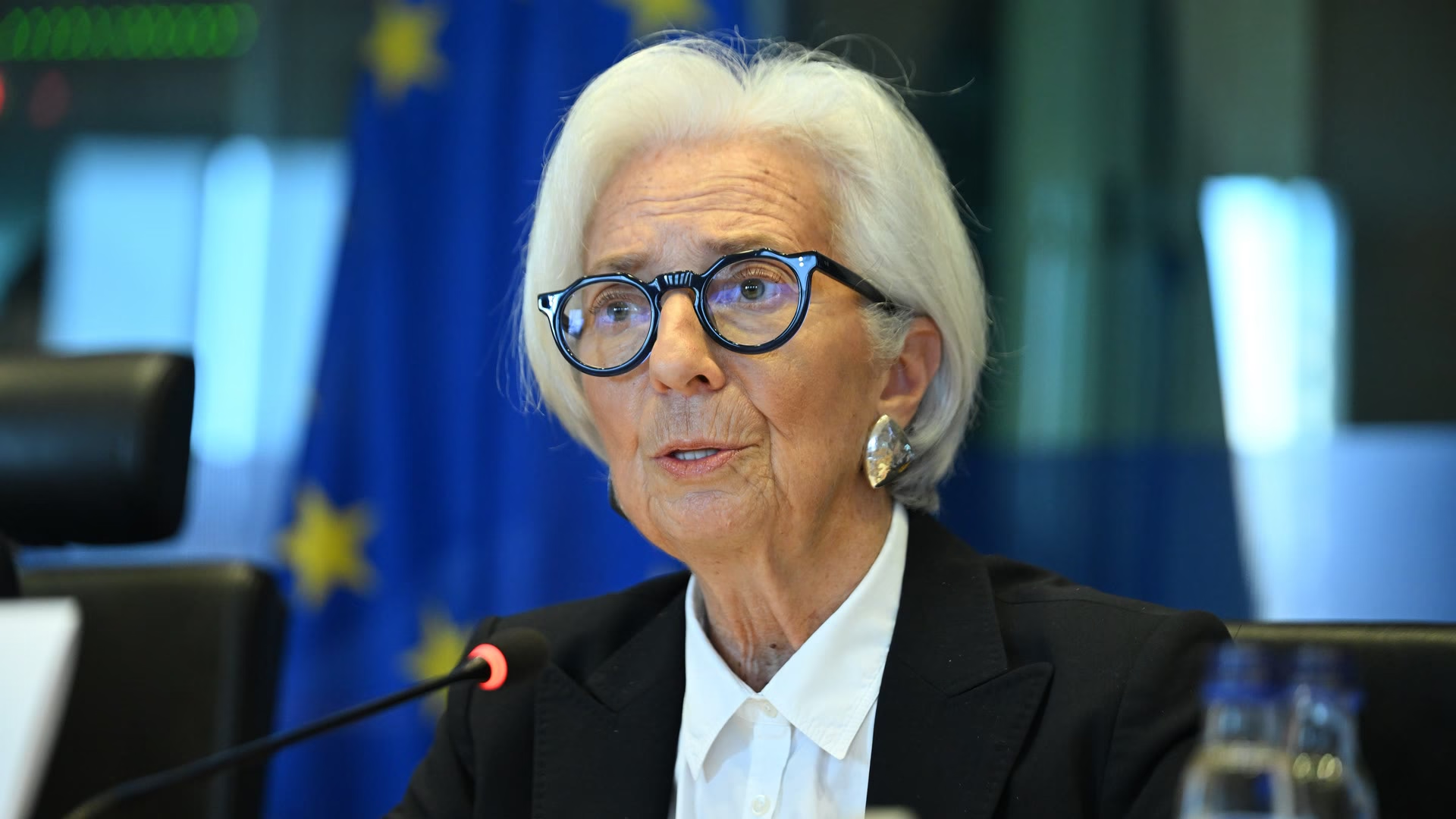
European Central Bank President Christine Lagarde said COP31 in Antalya represented a major opportunity to turn global goals into action.
Odile Renaud-Basso, president of the European Bank for Reconstruction and Development, said Türkiye was “really accelerating its work in renewable energy,” noting a similar trend in Egypt and describing it as “an emerging market that is truly embracing the green agenda.” She said the bank, Türkiye’s largest institutional investor, had invested 2.5 billion euros in the country since the beginning of the year and expected to exceed by year-end the previous year’s record total of 2.7 billion euros, of which 1.7 billion euros was allocated to green projects.
Turkish Energy and Natural Resources Minister Alparslan Bayraktar said when launching the “National Energy 2040” vision in Istanbul: “The target Türkiye will present to global public opinion at COP31 is 35% electrification in 2035... and we want to bring Türkiye to an electrification rate of 36% in 2040,” adding: “We need annual investments worth $15 billion.”
Phœnix from earthquake rubble and butterfly garden at summit site
In the conference’s “Green Zone,” a “phœnix” structure was built on an area of 140 square meters from rubble collected in Hatay province after the earthquake, as part of the KADİYAP project jointly financed by the World Bank and the French Development Agency. A tracked robot used 3D-printing technology to build its curved walls and seven twisted columns without molds, while its roof panels were made from plastic waste. The structure weighs 54 tonnes, 60% of which consists of earthquake rubble, and its printing was completed in just 7 days.
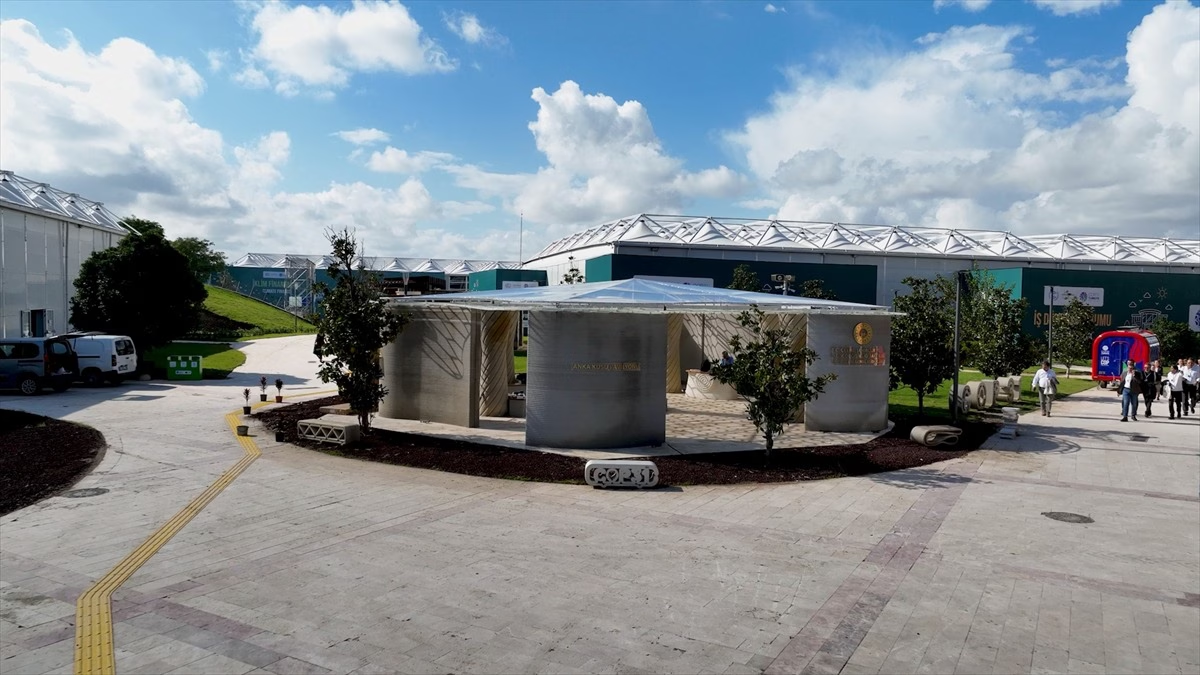
COP31 President and Minister of Environment, Urbanization and Climate Change Murat Kurum said: “Türkiye’s vision of resilient cities will inspire the world at COP31. At the summit, we will tell the world about the rebuilding campaign of the century and share the story of our 11 cities that rose from their ashes like a phœnix, a symbol of solidarity and resilience.”
The Selçuklu Municipality in Konya also established the “Konya Tropical Butterfly Garden” on an area of 2,600 square meters, featuring 20,000 butterflies from 10 species. Kurum said: “The colors of nature are also present at COP31. With the tropical butterfly garden at the COP31 site, we are fluttering our wings toward a green future. Everything you seek and dream of is here.”