Tehran affirmed that the Strait of Hormuz would not be reopened before its seven conditions were met. Iranian Supreme National Security Council Secretary Mohsen Rezaei said the US response to those conditions was “deceptive” and that Washington's statements about continuing negotiations aimed to ease economic pressure and lower oil prices.
Rezaei stressed that “there are currently no negotiations with the Americans, and no talks are taking place between Tehran and Washington.” Fars News Agency quoted him as saying that Iran had asked the United States for a clear and explicit response to its conditions, but that the US administration had not provided such a response and had so far offered only deceptive answers.
What are the seven conditions?
The conditions Tehran conveyed to Washington include lifting the maritime blockade, guaranteeing the safe passage of commercial vessels and oil tankers through the Strait of Hormuz, lifting unilateral sanctions, granting an exemption for oil exports, releasing frozen assets, keeping nuclear materials inside the country and ending the war, Anadolu Agency reported.
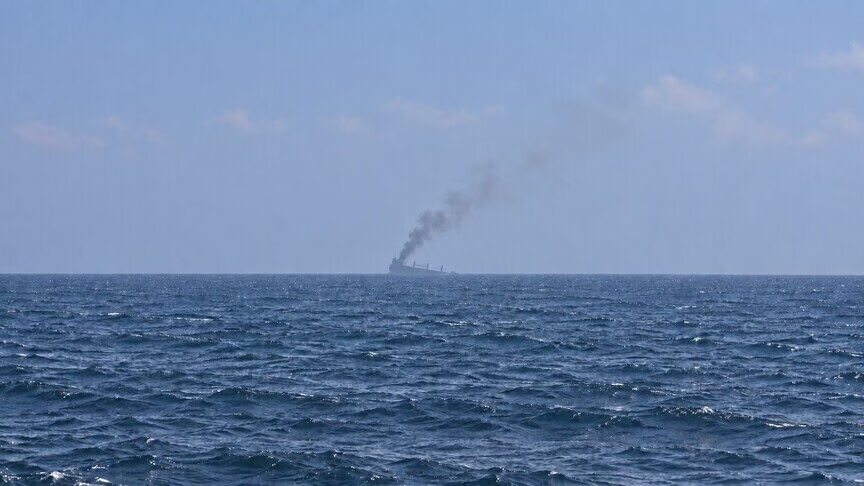
Iran had closed the strait again on July 12 after the United States resumed its attacks on July 8, and threatened to target vessels crossing outside the designated route or “without permission.”
Araghchi urges UN to condemn US “reward”
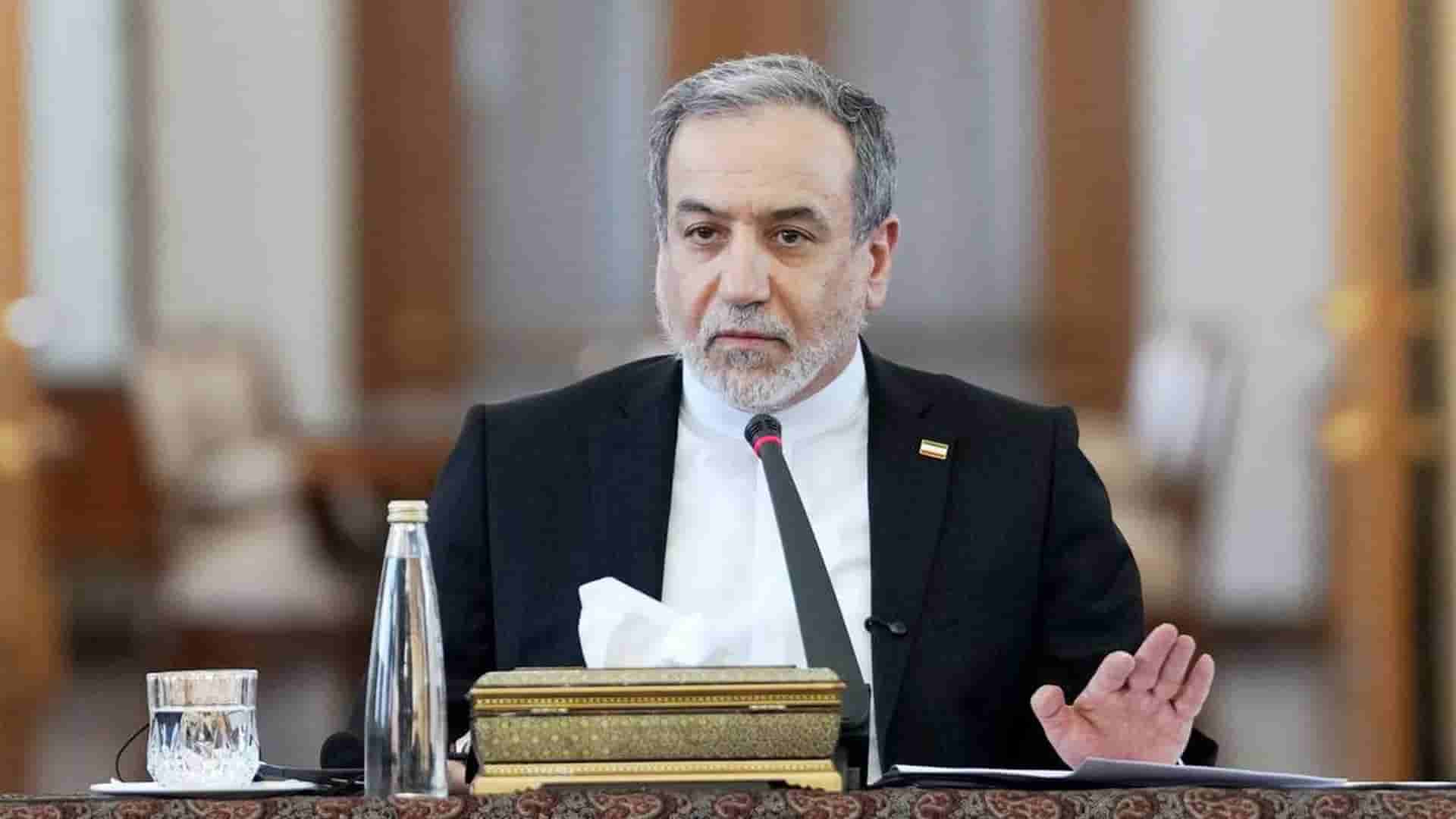
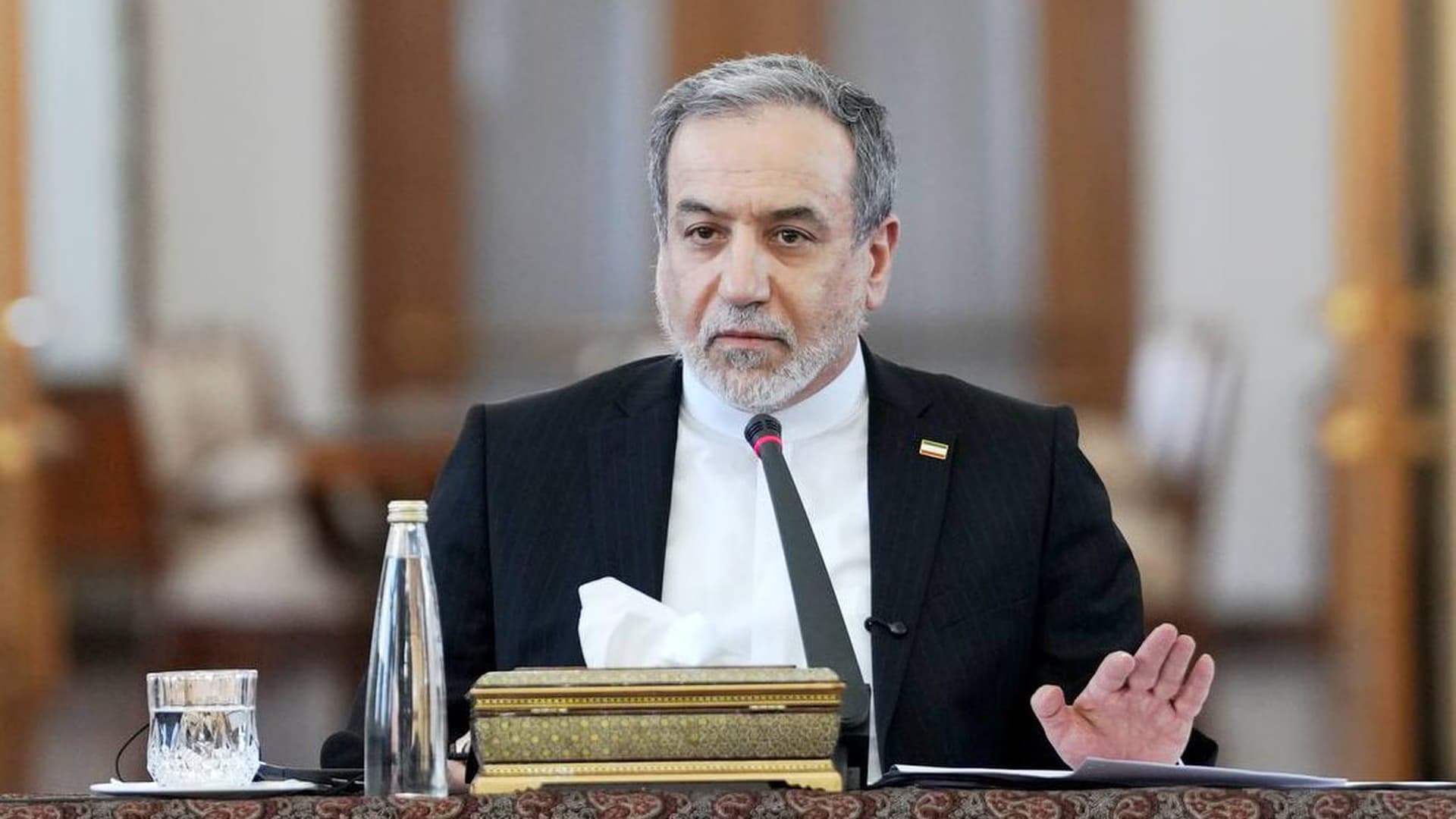
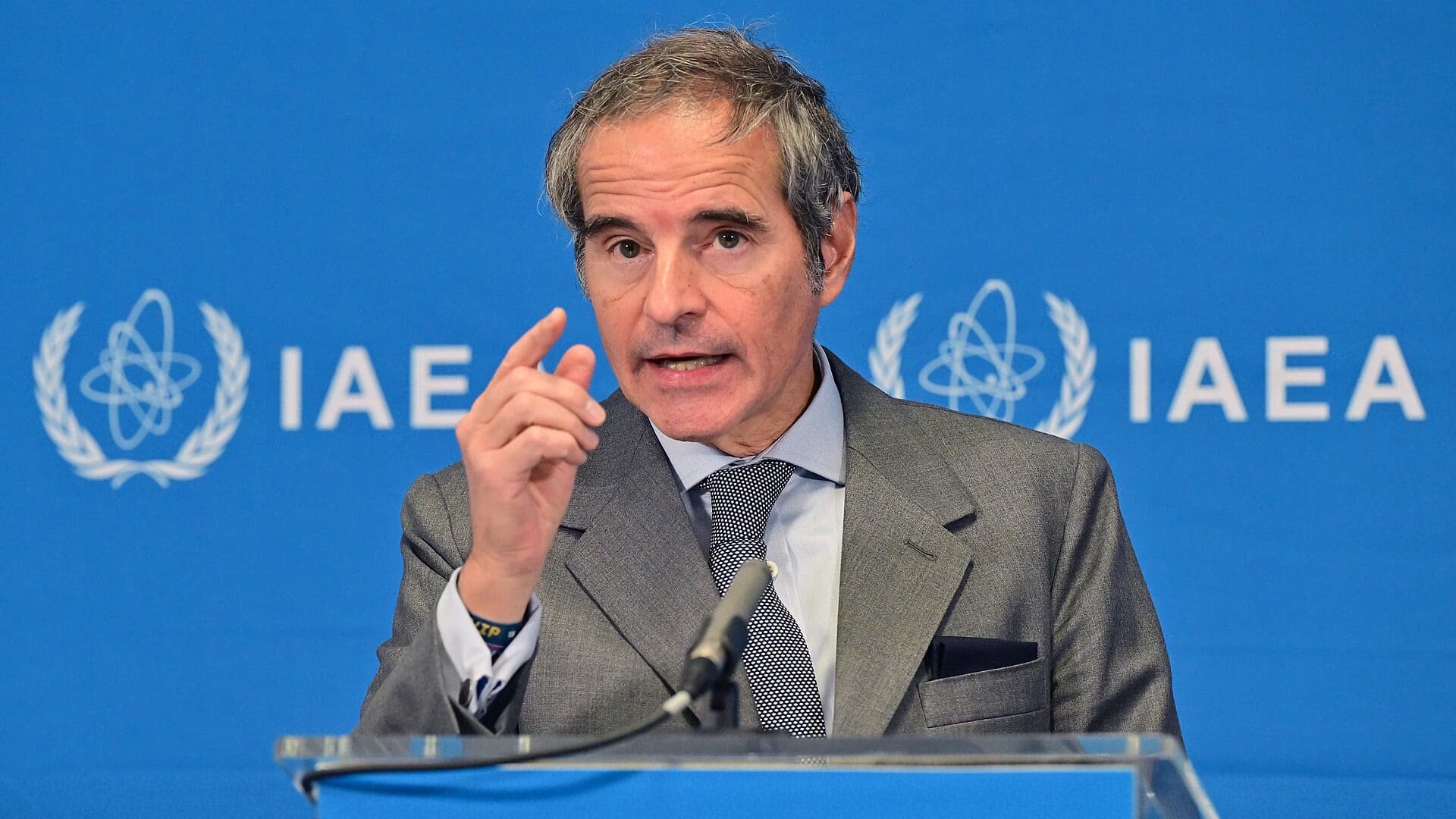
In the same context, Iranian Foreign Minister Abbas Araghchi sent a letter to UN Secretary-General António Guterres, Security Council President Sanita Pavlouta-Diesland and International Atomic Energy Agency Director General Rafael Grossi after the US State Department announced a reward of up to $20 million for information about Iran's nuclear program under the Rewards for Justice program. US Central Command, or CENTCOM, republished the announcement.
Araghchi described the US move as “abhorrent and regrettable,” saying it encouraged the collection of classified information about nuclear facilities, equipment, scientists and experts, as well as espionage activities, which could expose scientists to targeting and increase the risk of sabotage. He affirmed that Iran has the right to research and peacefully use nuclear energy under Article IV of the Treaty on the Non-Proliferation of Nuclear Weapons. He urged the Security Council to hold Washington accountable and called on Grossi to protect the confidentiality of inspection information and submit the issue to the IAEA Board of Governors.
“Delusions” of US policy
In a separate letter, Araghchi attacked US Secretary of State Marco Rubio, saying: “Eight years ago, a cartoon character like Pompeo said that Iranians must follow the White House's dictates ‘if they want to eat.’ Today, Rubio, whose Cuban fellow citizens suffer from the same policy, repeats this nonsense.” He added: “Forget the inhumanity; these are the delusions that produce failed US policy.”
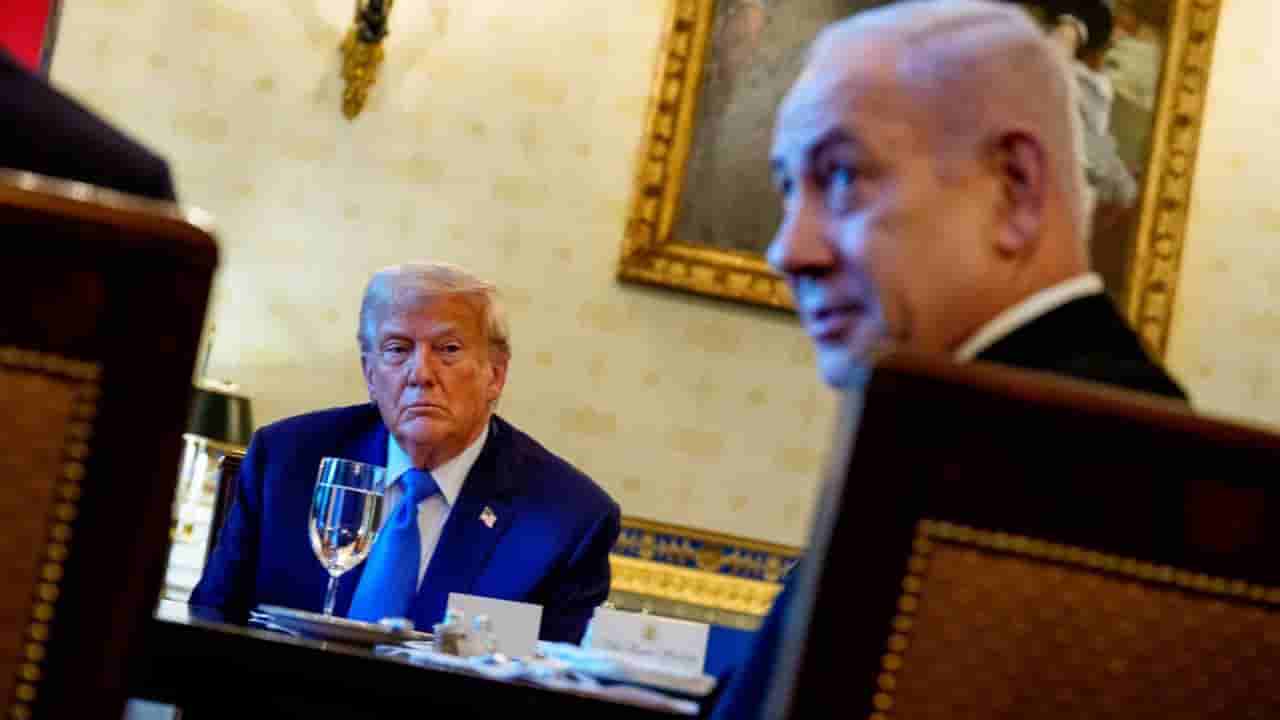
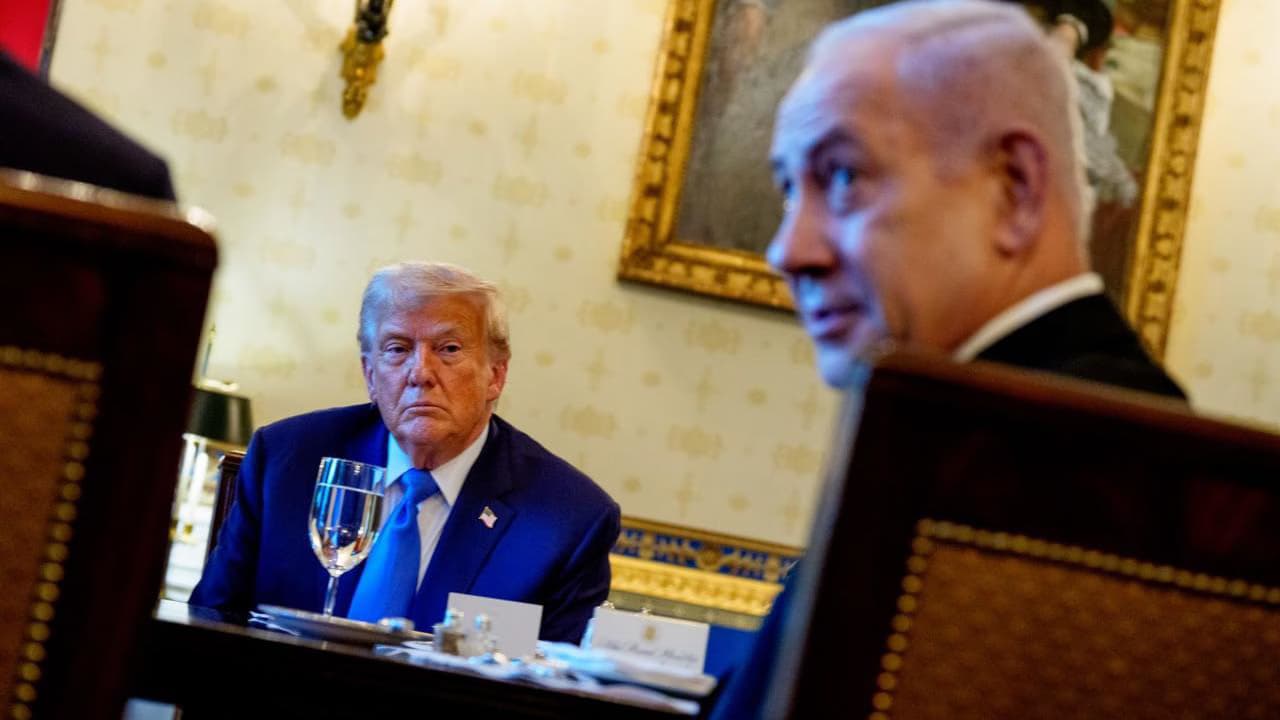
Rubio said Sunday, as reported by Al Jazeera, that the war on Iran was not necessarily popular but was “necessary” to stop the nuclear threat. US media also quoted him as describing Tehran's demands in the negotiations as unacceptable.
Photos: Anadolu