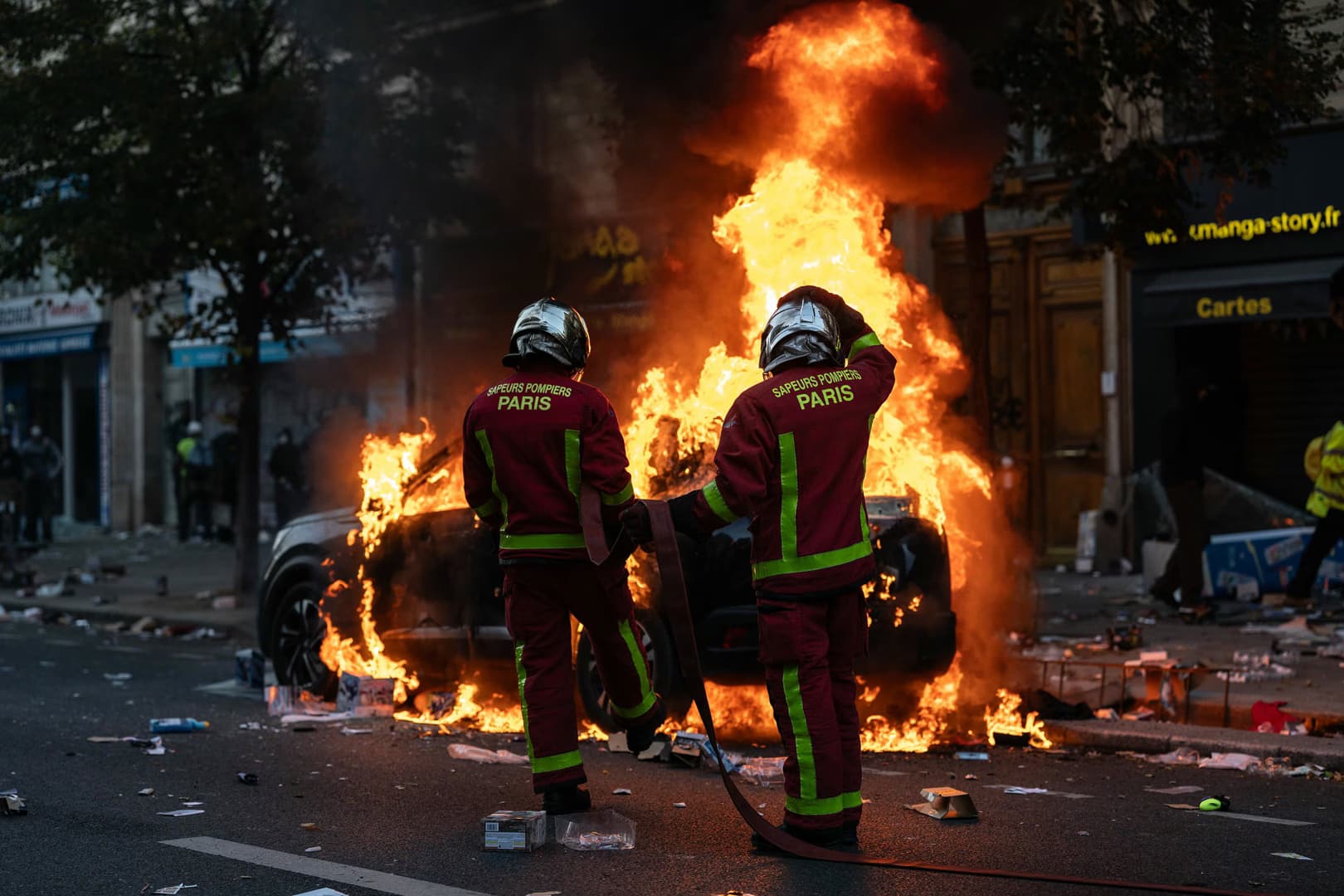
An attack on an Iranian-flagged commercial vessel in the Caspian Sea has become the focus of compensation talks between Tehran and Kyiv. Iranian Ambassador to Russia Kazem Jalali said they expected compensation from the Ukrainian government over the incident.
Jalali said one person had been killed and several others injured in the attack. The ambassador maintained that the vessel was a civilian ship carrying commercial cargo and claimed that the attack had been carried out deliberately.
The Iranian ambassador said Ukraine’s foreign minister had contacted Iranian Foreign Minister Abbas Araghchi, issued an explanation and apologized. Jalali also said Kyiv had accepted responsibility for the attack and provided assurances that a similar incident would not happen again.
Tehran focuses on compensation
Jalali said talks with Ukraine on compensation were continuing and that they hoped the process would produce results. He said Tehran was currently focusing on seeking compensation for the damage to the vessel and those affected by the incident rather than a possible military response against Kyiv.
Jalali argued that Kyiv should assume responsibility for its actions because of the support provided to Ukraine by European countries and the United States. The ambassador also claimed that civilians had been killed in attacks on economic facilities in the Republic of Tatarstan and criticized Western countries’ approach to these incidents as political and selective.
Support for Russia’s regional dialogue proposal
Jalali said they welcomed Russia’s proposal to mediate dialogue between Iran and Arab countries and described Moscow as a true friend in difficult times. He said Tehran was ready to cooperate with any role Russia could play in improving Iran’s relations with its neighbors.
Jalali also announced that no date had yet been set for Russian Foreign Minister Sergey Lavrov’s visit to Iran. The ambassador said consultations between senior officials of the two countries remained on the agenda and that the date of the visit would be announced at an appropriate time.
Iran to maintain diplomacy and military preparedness
Addressing the possibility of diplomatic contacts with the United States, Jalali said the window for diplomacy would never close completely. He said Iran would continue to remain ready for negotiations and dialogue while strengthening its military preparedness, arguing that the two approaches were not contradictory.
Jalali claimed that the deployment of U.S. ships far from Iran’s shores indicated that Washington might have received the message previously delivered to it. Reiterating his earlier statement that Iran had damaged the U.S. aircraft carrier Abraham Lincoln, Jalali also acknowledged that some reports about the condition of American military personnel and equipment had not been confirmed by the Pentagon or U.S. officials.
Rasht-Astara and energy projects
Jalali said talks on infrastructure and economic projects between Iran and Russia were continuing and identified the Rasht-Astara railway project as a priority. He said an agreement had been reached on the implementation contract for the project, which is part of the North-South Transport Corridor, and that the signing phase was being planned.
Jalali said concrete talks were being held on energy cooperation, including the transportation of Russian gas to Iran and the construction of the necessary infrastructure. He also said work at the Bushehr Nuclear Power Plant was continuing. The ambassador said cooperation between the two countries was not limited to the political level.
Concerns over nuclear facilities
Jalali also addressed reports that the United States was considering a plan to seize Iran’s stocks of enriched uranium at its nuclear facilities. The ambassador argued that the United States and Israel had attacked facilities covered by international safeguards and said the actions of nuclear-armed states against a non-nuclear-armed country were causing concern.
Jalali claimed that the International Atomic Energy Agency had not directly condemned the development and said Iran and the international community were concerned about the weakening of the international nuclear nonproliferation regime.
Allegations over school attack in Iran
The Iranian ambassador said the United States had denied responsibility for an attack on a school in Iran in July and had stated that it had not targeted children. Jalali claimed that fragments of Tomahawk missiles had been found at the scene and that various pieces of evidence showed the target was an active girls’ primary school, criticizing the United States for rejecting these allegations.
Jalali said the tragedy experienced by the girls who were killed in the attack and their families would not be forgotten. He argued that those responsible and those who encouraged the attack should be brought to justice.