Iran's Ambassador to China Abdolreza Rahmani Fazli said in a speech at the World Peace Forum in Beijing that a "service fee" will be charged for ships transiting the Strait of Hormuz.
Fazli stressed that this fee is not a "transit toll," and stated that special arrangements will be made for China and other friendly countries. According to AFP news agency, the ambassador said, "These new arrangements will cover ensuring the safety of passage through the strait, monitoring the transit of ships, and addressing the environmental consequences caused by the large number of vessels."
Iran's NourNews agency also reported that Fazli said "special considerations" will be applied to China and other friendly countries when determining the level and type of transit fees.
The interim agreement signed last month between Iran and the US provides for commercial ships to pass through the strait free of charge for 60 days. However, it remains unclear what policies will be in effect after this period ends. While negotiations continue for a permanent solution, the US states that in the final agreement, Iran will not be allowed to charge any fee for passage through the strait.
Closed during the war
The strait, which was almost completely closed by Iran during the war launched by the US and Israel at the end of February last year, was the transit route for one-fifth of the world's crude oil and liquefied natural gas in peacetime. After the war, the US began a naval blockade of Iran's southern ports in April to prevent Iran's oil exports.
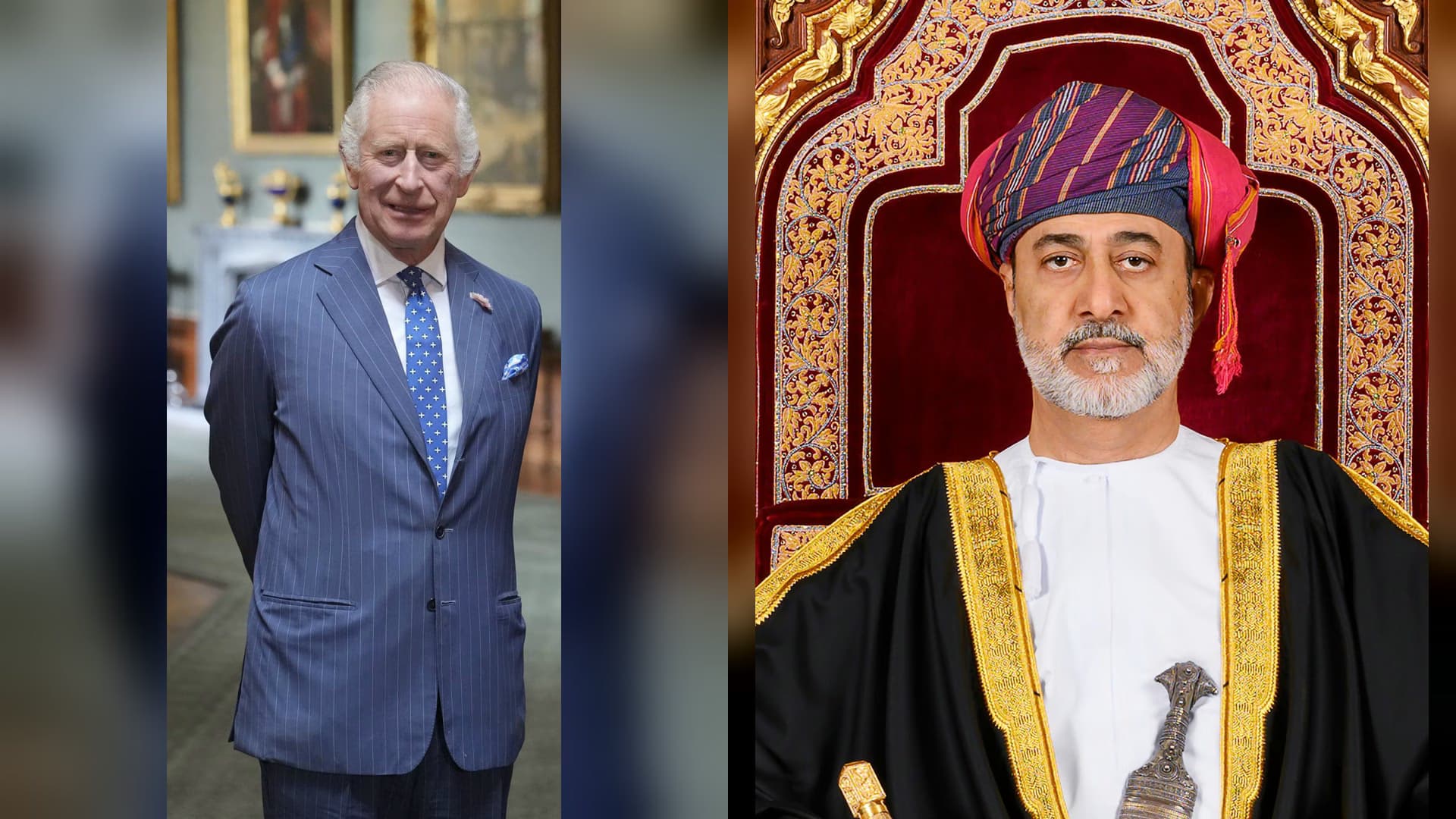
Ambassador Fazli emphasized that the Strait of Hormuz has become a "security" issue after the four-month war. Stating that the new arrangements will be made in cooperation and partnership with Oman, Fazli added that Iran and Oman, which lie on both sides of the strait, have established a joint committee to decide how the strategic waterway will be managed.