Cross-border attacks between Israel and Iran-backed Hezbollah in Lebanon have complicated the deal expected to halt the war with Iran. The new wave of conflict in the region has once again exposed how fragile the diplomatic process is.
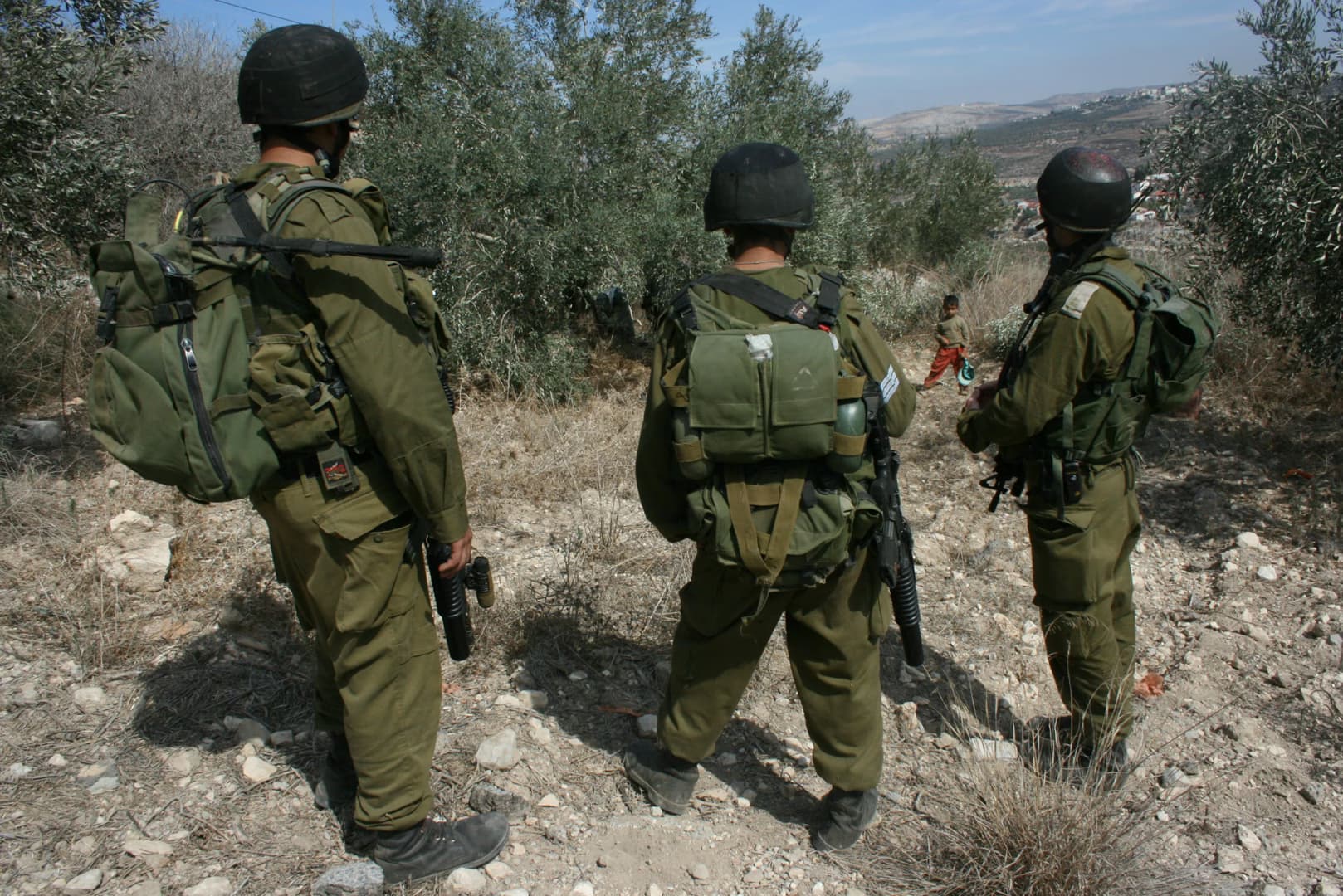
The Israel Defense Forces announced it struck a Hezbollah command center in Beirut. The statement noted that the attack came after Hezbollah launched aerial strikes targeting Israeli civilians and soldiers operating in southern Lebanon.
The Israeli military later shared that it was preparing for new attacks that could target Israeli territory in the coming hours. The tension along the border line quickly revived the possibility of a wider conflict.
Trump pointed to Sunday for a deal
U.S. President Donald Trump suggested that Washington and Tehran would sign an agreement the same day to halt the conflict and open the Strait of Hormuz. Trump said Israel's attacks on Beirut should not have happened when a peace deal with Iran was so close.
Trump acknowledged Israel's right to defend itself against threats but argued that the attack it responded to was very small, no one was injured, and it was not of a scale to disrupt this process. Calling on Israel not to carry out new attacks inside Lebanon, Trump stated that no party, especially Hezbollah, should attack Israel either.
The agreement is a memorandum of understanding that includes reopening the Strait of Hormuz and taking steps regarding Iran's nuclear program. The plan also envisions Tehran halting the financing of violence and being subject to an inspection mechanism.
If the memorandum is adhered to, incentives such as releasing frozen assets and easing sanctions on Iran are planned. Trump later told Fox News that he still expected the deal to be signed on Sunday and that he had spoken with Israeli Prime Minister Benjamin Netanyahu.
Trump strongly conveyed to Netanyahu that the new attacks must stop and wanted to send a message to Iran not to retaliate. A day earlier, Trump had said he hoped the process would proceed quickly, easily and smoothly, otherwise other options could come to the fore.
Regional tension overshadowed the deal's timing
Last week's exchange of fire between Israel and Lebanon had raised concerns that the fragile ceasefire could collapse and the conflict lasting more than three months could reignite. The U.S. briefly struck targets in Iran, while Iran fired missiles at Israel and some U.S. allies in the region. The proposed deal being announced immediately after these mutual exchanges drew attention.
The renewed escalation of clashes between Israel and Hezbollah on Sunday night once again weakened expectations that the peace deal would be signed. Iranian Parliament Speaker Mohammad Bagher Ghalibaf wrote that Israel's attacks in Lebanon could derail the agreement.
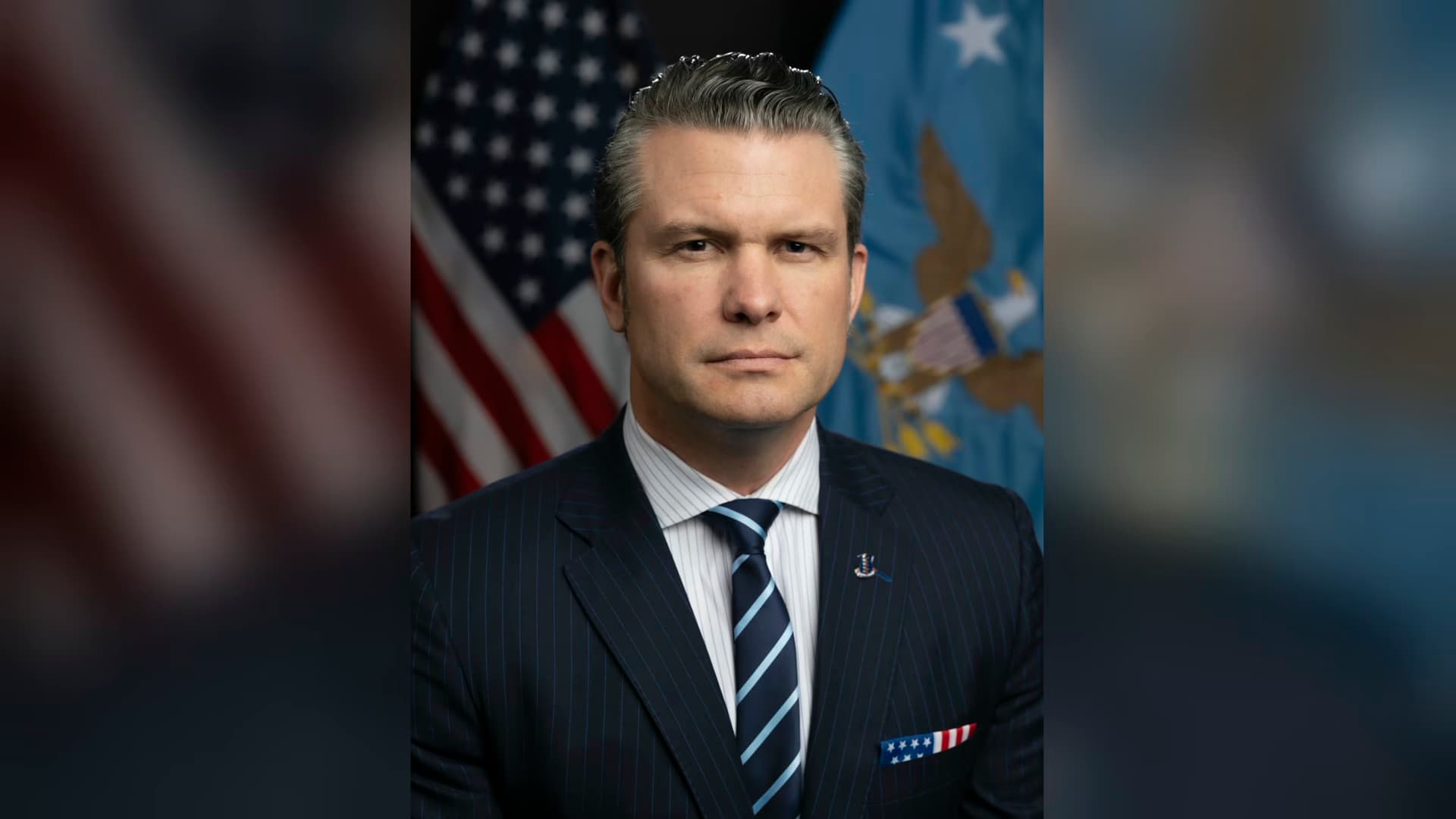
U.S. Permanent Representative to the United Nations Mike Waltz said he believed the deal would be signed within the day. U.S. Secretary of Defense Pete Hegseth also stated that the process was proceeding as planned and that the issue was not whether it would happen but when.
Hegseth also argued that Iran must pull back Hezbollah if it wants this agreement to remain in effect. Following the attacks and counter-statements in the region, the timing and feasibility of the deal have once again become a subject of debate.