- BIST10011,585-1.16%
- USD49.45+0.05%
- EUR55.62+0.37%
- GOLD4,183.60+0.06%
- INTEREST37.00%-1.00
- BITCOIN82,537+0.64%
- October 19, 202617°
- BIST10011,585-1.16%
- USD49.45+0.05%
- EUR55.62+0.37%
- GOLD4,183.60+0.06%
- INTEREST37.00%-1.00
- BITCOIN82,537+0.64%
- October 19, 202617°
Israeli opposition attacks Netanyahu’s security doctrine spanning Gaza to Iran
Nine days before the elections, Israeli Prime Minister Benjamin Netanyahu unveiled a new security doctrine advocating preemptive strikes and buffer zones. Opposition leaders argued that the three-page document offered no concrete strategy and sought to cover up the government’s security record.
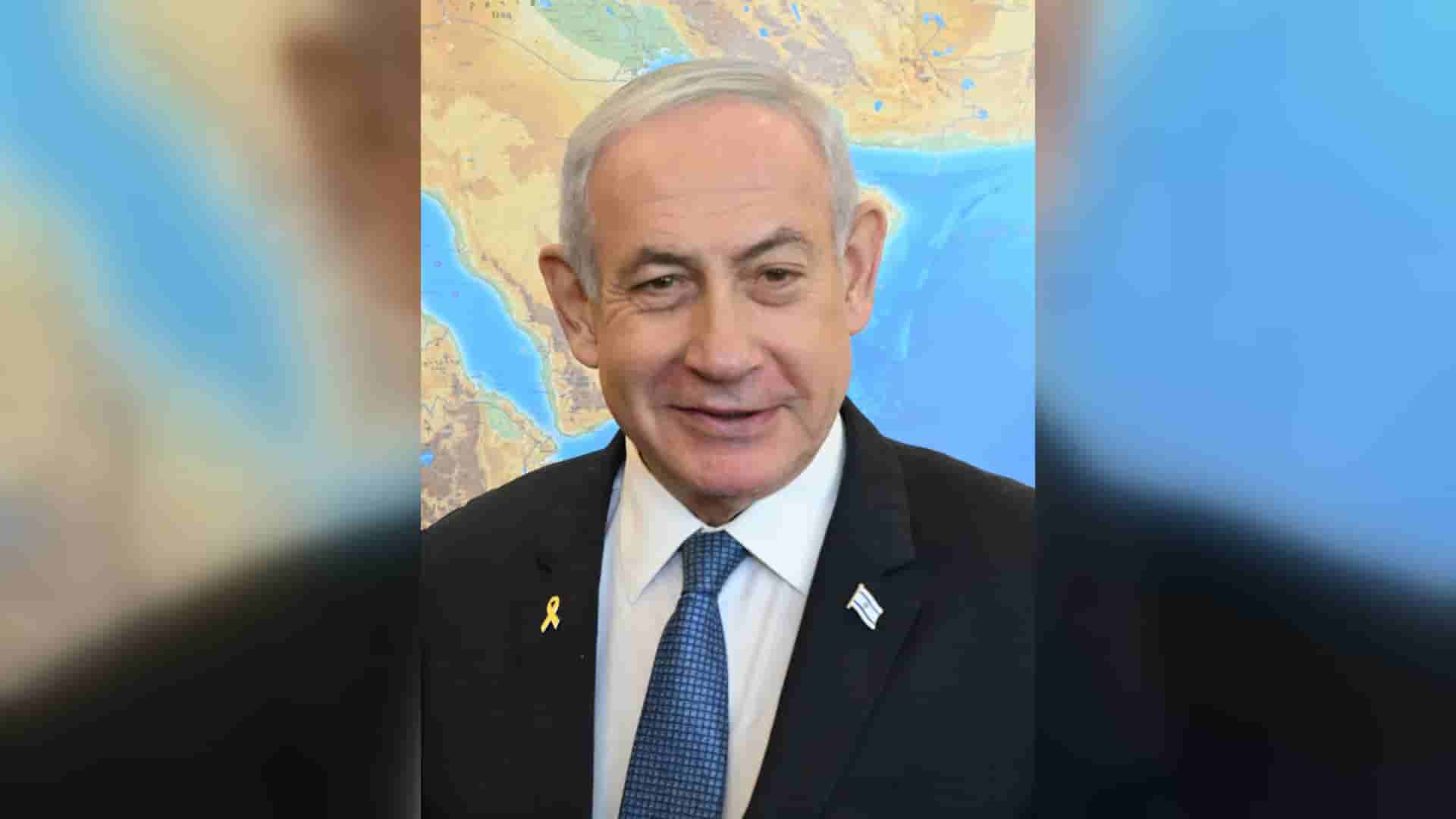
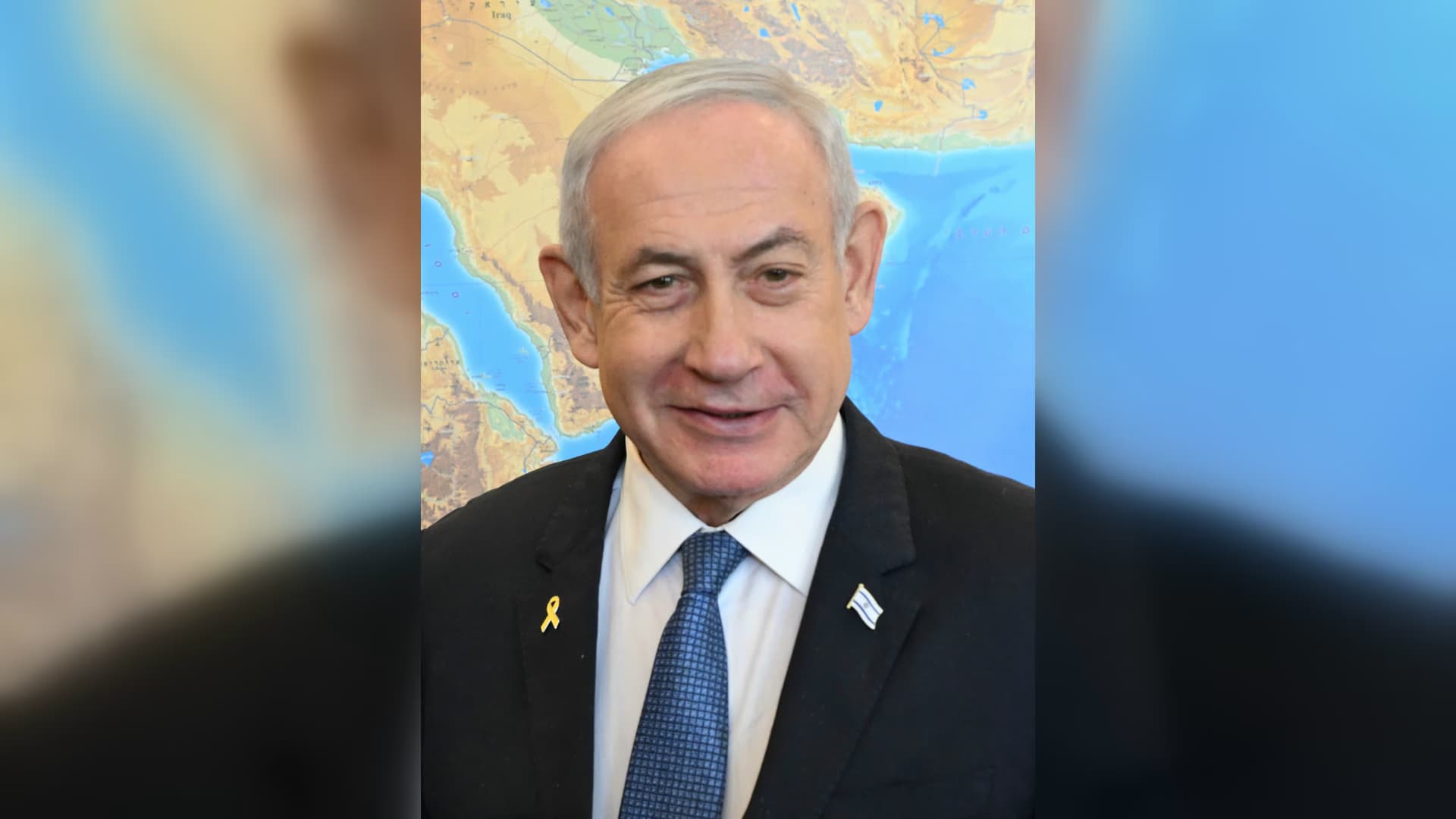
With nine days remaining before Israel’s parliamentary elections, a new three-page security doctrine advocates preemptive strikes against threats and the creation of buffer zones along border areas when deemed necessary. Prime Minister Benjamin Netanyahu presented the document as the basis for a fundamental change in the country’s security approach.
"Prime Minister Benjamin Netanyahu’s Security Doctrine" was published on the Israeli government’s website and prepared with contributions from the National Security Council. The document lists 10 principles underpinning the new approach.
Iran, Hezbollah and the Houthis among the threats
The doctrine states that Israel should not focus solely on containing threats or defending itself, but should prioritize preemptive strikes against emerging threats. The document calls for strengthening military deterrence and intelligence capabilities and investing in early-warning systems.
The establishment of buffer zones along Israel’s borders is also among the measures advocated in the document. However, it does not specify where these zones would be created or which neighboring territories could be affected.
Iran, Hezbollah in Lebanon and the Houthis in Yemen are identified as the doctrine’s main threats. Precision-guided missiles, unmanned aerial vehicles, cyberattacks and efforts to isolate Israel internationally are also listed among the threats.
The document also aims to preserve military superiority and strengthen domestic arms production to reduce dependence on foreign suppliers. Other principles of the doctrine include investment in advanced technologies such as artificial intelligence, quantum computing and space capabilities; encouraging settlement in areas Netanyahu describes as the "Land of Israel"; promoting national unity; and expanding regional alliances.
Netanyahu’s assessment of operations from Gaza to Iran
In the introduction to the doctrine, Netanyahu argued that military operations from Gaza to Lebanon and Yemen and Iran had eliminated the imminent threat of nuclear destruction and dismantled the Iran-led encirclement network. He presented these assessments as the rationale for the shift in security policy.
However, the document contains no detailed operational plan for the policy toward Iran or for implementing the buffer zones. Its call for national unity and stronger international alliances has also drawn opposition criticism that the government has deepened divisions within society and harmed Israel’s foreign relations.
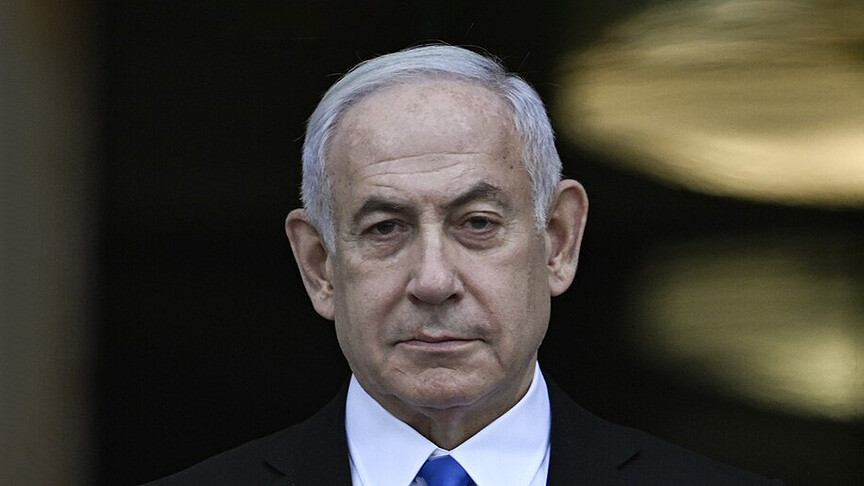
Presentation shows regional blocs on maps
Maps showing geopolitical threats and regional alignments were used in the presentation accompanying Netanyahu’s doctrine. One map bearing the logo of the Germany-based Friedrich Ebert Foundation grouped Türkiye, Saudi Arabia, Egypt and Pakistan under the heading "Sunni Diamond Alliance."
Iran and affiliated groups were shown on the maps as the "Axis of Resistance," while Israel and the United Arab Emirates appeared in another grouping. The presentation did not establish whether Netanyahu considered every country shown on the map to be an enemy. The headings on the maps also do not mean that formal military alliances exist among these countries.
Opposition calls doctrine an election maneuver
Opposition leader Yair Lapid criticized the document as "superficial" and "strange." Lapid said the doctrine did not address Netanyahu’s responsibility for previous security failures and that he had rejected the establishment of an official commission of inquiry into the events preceding the October 2023 attack.
Lapid also cited Israel’s record of expanding normalization agreements with Arab countries, military-service exemptions for ultra-Orthodox Jews, deteriorating international relations and deepening divisions in Israeli society as issues that contradicted the principles outlined in the doctrine.
Gadi Eisenkot, leader of the Yeshar party and a former chief of staff of the Israeli military, described the doctrine as "blank pages filled with slogans." Eisenkot said the publication of the document nine days before the elections was an attempt to divert attention from the government’s record.
Eisenkot accused Netanyahu of trying to shape public perceptions, heighten fear and divert voters’ attention from debates over lies and racism in the election campaign. He also challenged Netanyahu’s assessment of military achievements, arguing that Hamas had retained its armed forces in Gaza and that Hezbollah had rebuilt its capabilities in Lebanon.
Eisenkot also said Netanyahu had failed to achieve the war’s main objectives and had refused to investigate the failures preceding the October 2023 attack. He announced that, if the opposition came to power, it would prepare and approve an official national security strategy within 150 days of taking office.
The debate over the doctrine is taking place during an election campaign in which Netanyahu and opposition parties are competing to form Israel’s next government. National security, military accountability and the country’s international standing are among the campaign’s prominent issues.
Stay Updated with Hilal Times
Subscribe to be informed about special news, developments and announcements. We will keep you informed.
By signing up, you agree to our Privacy Policy