- BIST10011,483+1.32%
- USD50.07+0.05%
- EUR55.96-0.52%
- GOLD4,074.90-0.94%
- INTEREST36.00%-1.00
- BITCOIN75,680-0.10%
- November 8, 20267°
- BIST10011,483+1.32%
- USD50.07+0.05%
- EUR55.96-0.52%
- GOLD4,074.90-0.94%
- INTEREST36.00%-1.00
- BITCOIN75,680-0.10%
- November 8, 20267°
Israel's attorney general rejects Shin Bet bid to question Arab party leaders
Israel's Attorney General Gali Baharav-Miara rejected Shin Bet Director David Zini's request to question Arab party leaders over suspected foreign funding during the elections, saying elected officials cannot be questioned without evidence.
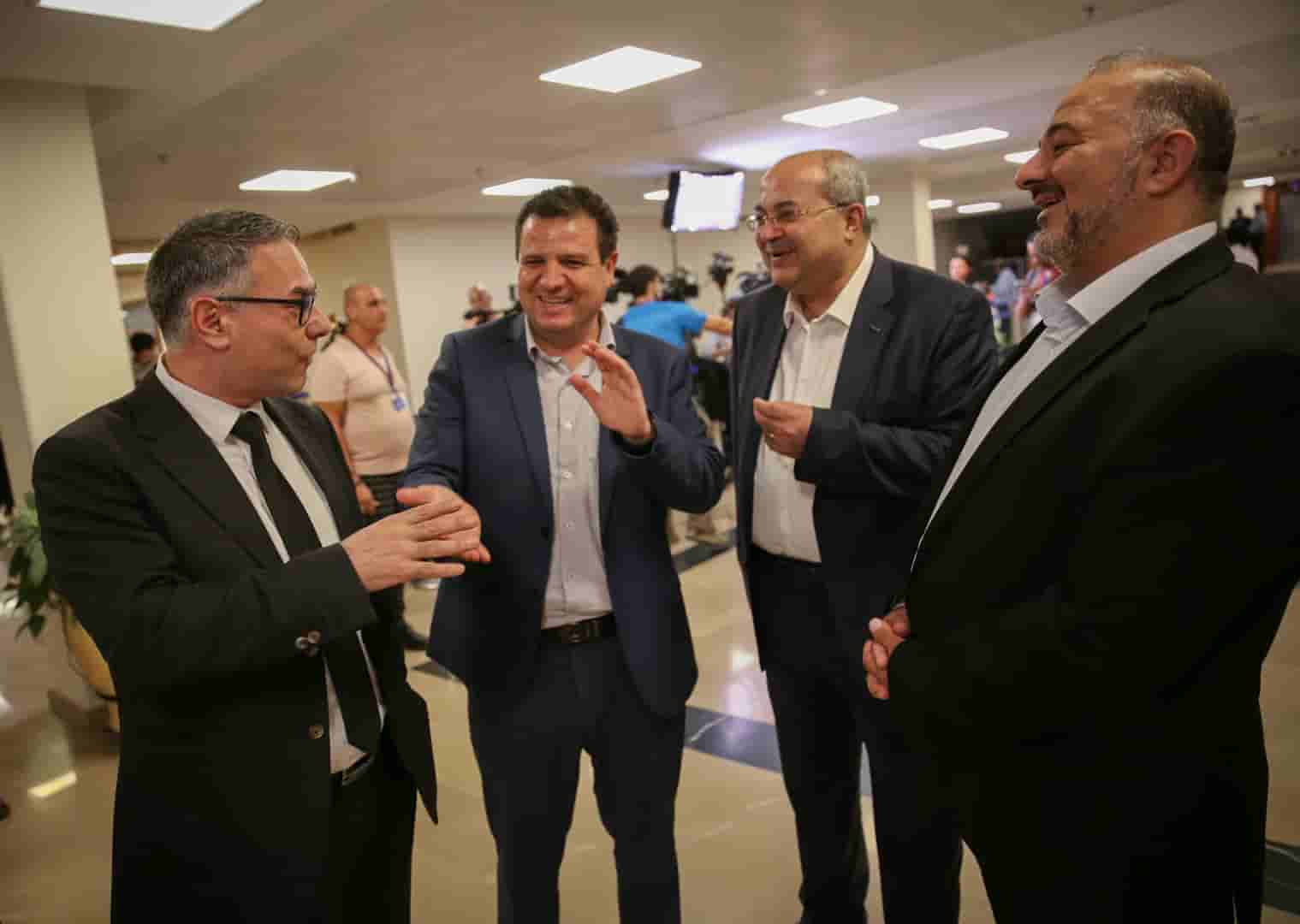
Israel's Attorney General Gali Baharav-Miara rejected a request by Shin Bet Director David Zini to question several Arab party leaders as suspects under caution, as part of an investigation into allegations of foreign interference in the Knesset elections held on October 27. Her office said that "citizens or elected officials cannot be questioned without evidence justifying it."
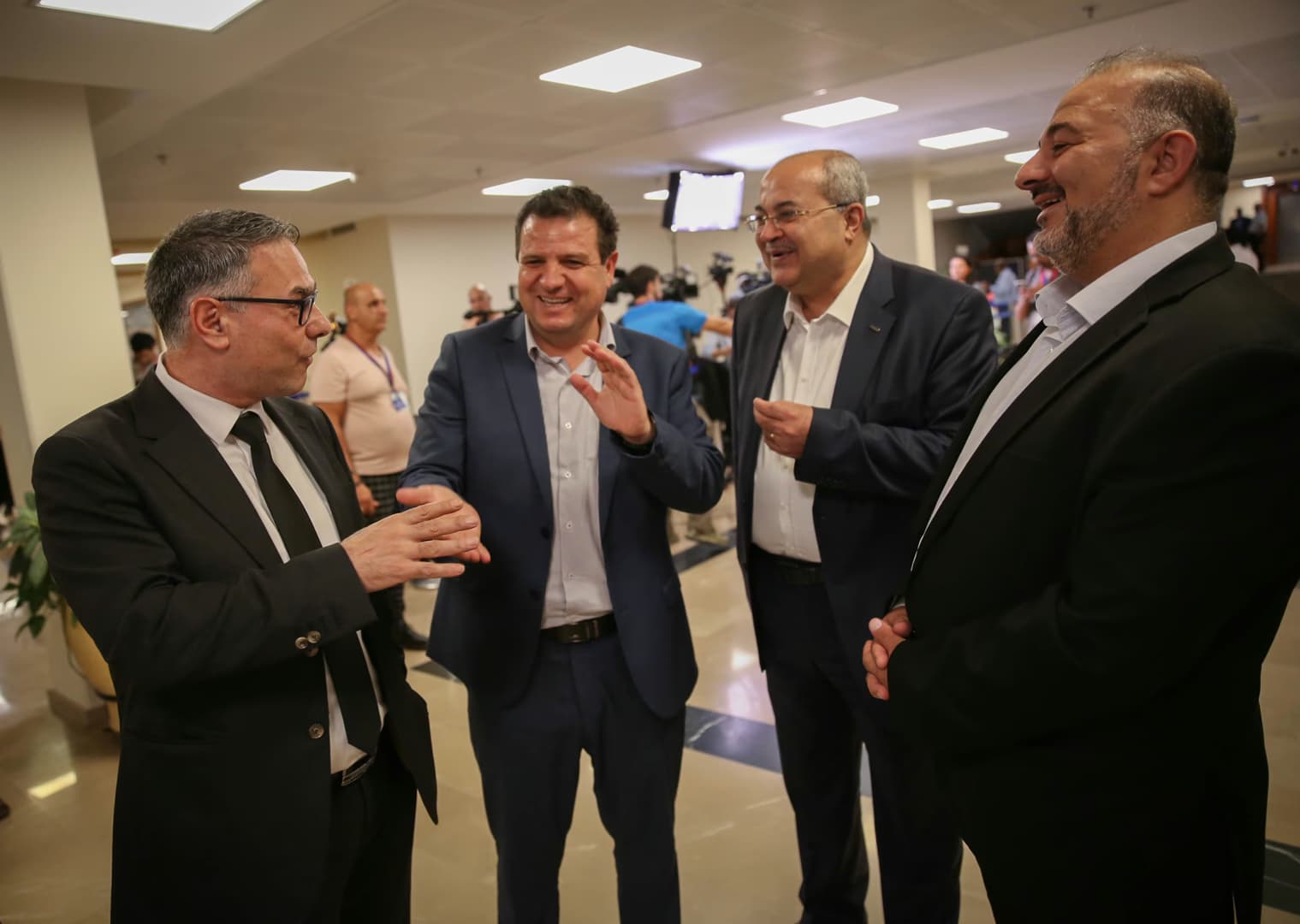
According to The Jerusalem Post, Zini sought to question Mansour Abbas, head of the United Arab List; Ahmad Tibi, head of the Arab Movement for Renewal; and Sami Abu Shehadeh, head of the Balad party. A spokesperson for the Joint List confirmed that its former head, Ayman Odeh, was among the lawmakers suspected of receiving hundreds of thousands of shekels in foreign funding. The four accused Zini of launching a "politicized investigation."
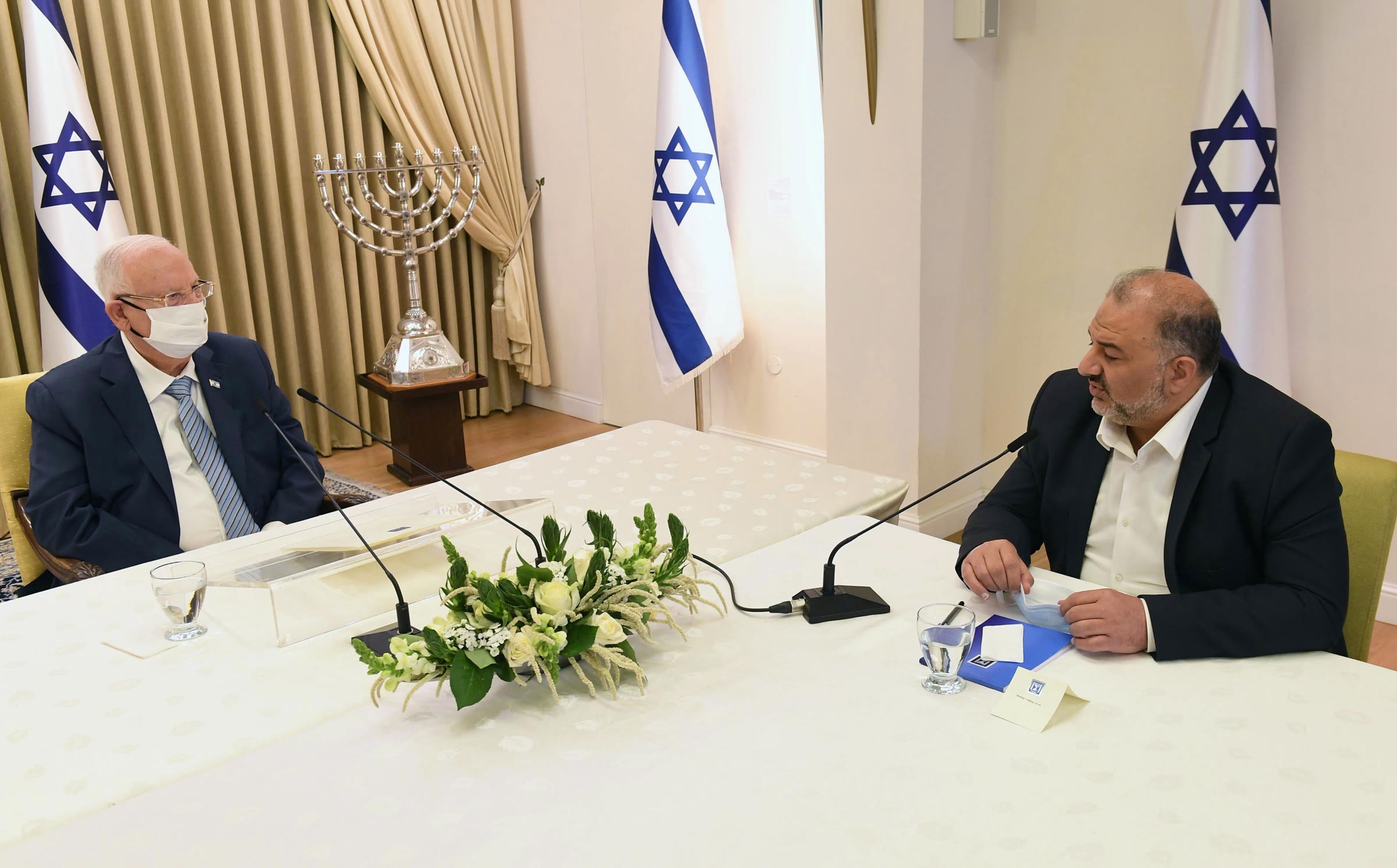
The attorney general's office added that the Shin Bet "had not transferred the investigative materials it collected to the special investigation team" in recent days, "effectively delaying the handling of the case." Prime Minister Benjamin Netanyahu and the Likud party, meanwhile, accused the attorney general of trying to "cover up and thwart the investigation," while Otzma Yehudit leader Itamar Ben-Gvir called on the Shin Bet director to arrest the Arab party leaders.
The Shin Bet began handing over the investigative materials in stages to the special investigation team, which includes police representatives. The investigation centers on suspicions that money from Qatar, Türkiye and the Palestinian Authority was transferred to people linked to the Joint List in an effort to influence the voting results. Qatar and Türkiye have denied any involvement in the Israeli elections.
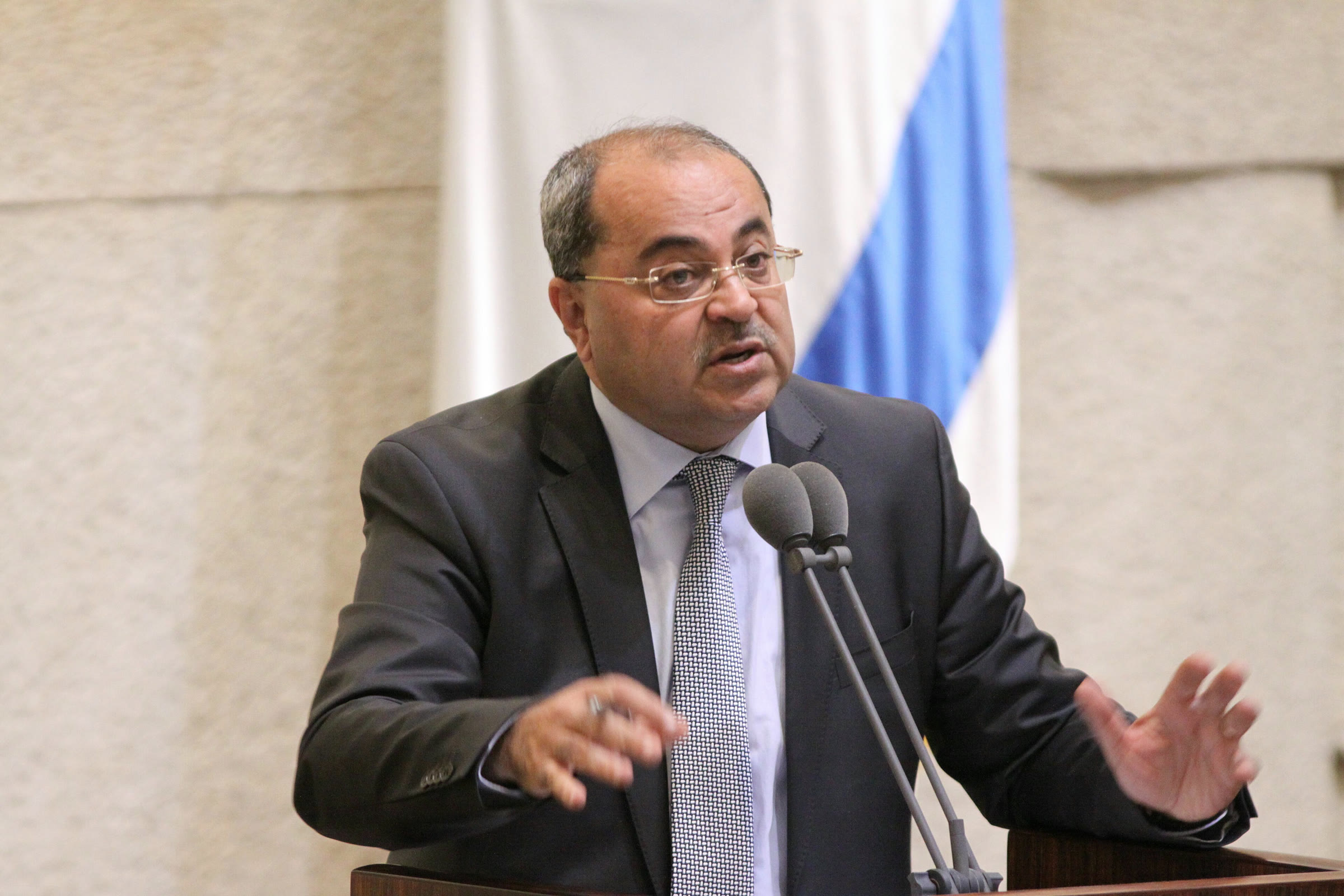
The Joint List described the request for questioning as an "incitement campaign" led by Netanyahu and his allies to delegitimize the votes of Arab voters. The Central Elections Committee had approved the official results after announcing that it had found no violations affecting the integrity of the elections or their outcome. The Arab parties won 19 seats, a record number. Committee Chairman Judge Noam Sohlberg said the suspicions "in no way cast doubt on the Arab community's vote," adding that "the high turnout is welcome."
The case comes as Israeli President Isaac Herzog consults with parliamentary factions on assigning a candidate to form the next government. The United Arab List's eight lawmakers recommended that Gadi Eisenkot, leader of the "Yashar!" party, be tasked with forming the government.
Stay Updated with Hilal Times
Subscribe to be informed about special news, developments and announcements. We will keep you informed.
By signing up, you agree to our Privacy Policy