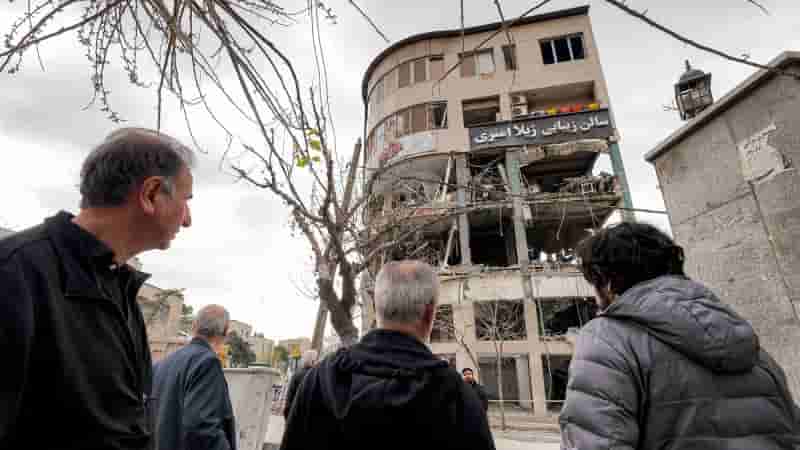
Israel’s army has brought into effect a decision declaring Taybeh, described as the only Christian village remaining on Palestinian land in the West Bank, a closed military zone. The decision, issued on Monday, prohibits people who do not live in the village or its surrounding area from entering.
Father Jack Abid, head of Taybeh’s Greek Catholic community, said that some Israeli groups had entered the village despite the ban. Abid said the group known as the “Hilltop Youth,” described as far-right Israelis, had been grazing its sheep in the village’s olive groves.
Abid said olives were Taybeh residents’ only remaining source of income and noted that the village maintained good relations with the surrounding Muslim villages.
Attacks and settlement pressure in the West Bank
A report published on July 6 by the PLO-affiliated Wall and Settlement Resistance Commission recorded 3,488 attacks against Palestinians and their property in the West Bank during the first half of 2026.
According to the report, about 12,500 attacks have been carried out in the West Bank since October 2023, when attacks on the Gaza Strip began. The attacks killed 82 Palestinians, started 890 fires and led to the establishment of 200 new settlement outposts.
During the same period, more than 1,182 Palestinians were killed, approximately 13,000 were injured and 24,600 were detained in attacks by the Israeli army and Israeli groups in the West Bank.
650-home project south of Jerusalem
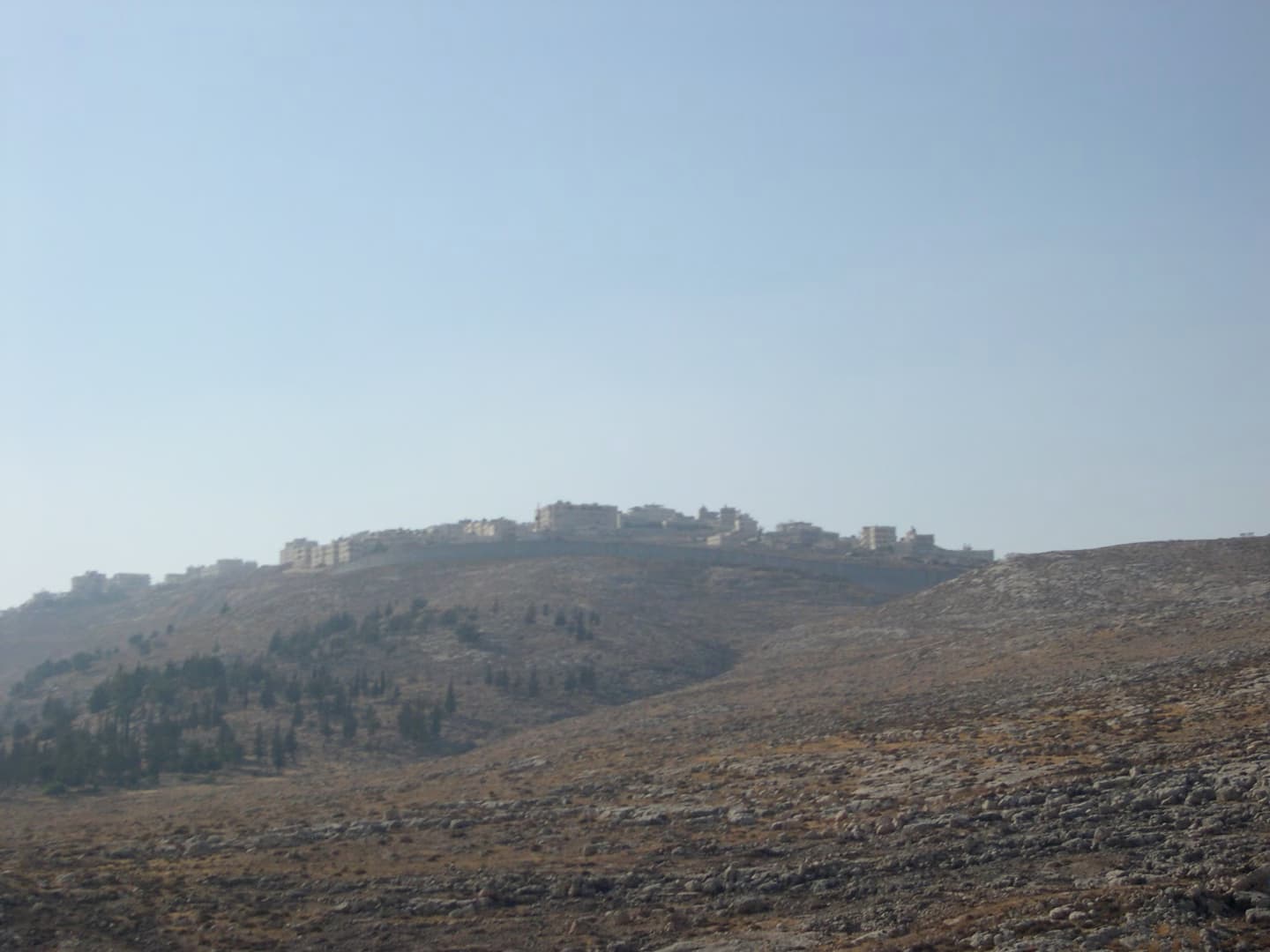
The Jerusalem Governorate announced that Israel’s District Planning and Building Committee had put forward a new settlement project on 27 dunams of land south of Jerusalem, adjacent to Palestinian homes.
The project, named “Novi Rachel,” calls for the construction of approximately 650 homes. The governorate said the project would fragment Palestinian territory, adversely affect daily life in the area and create new realities on the ground.
An Israeli civil society organization monitoring settlement projects in East Jerusalem said that three major projects comprising more than 3,400 homes in total had been advanced through the approval process in recent weeks. The United Nations and most of the international community consider Jewish settlements in the occupied Palestinian territories contrary to international law.
Water infrastructure destroyed
Water transmission lines were destroyed in the Atuf and Er-Ras al-Ahmar areas of Tubas in the northern West Bank. Human rights activist Arif al-Dirağmeh said the water lines had been damaged and artesian wells closed during land-leveling operations that continued for months.
Dirağmeh said the damage to the water infrastructure had caused major economic losses in the agricultural sector.
During a raid on the village of Tell, southwest of Nablus, some residents were forced to evacuate their homes, and preparations were made to demolish a Palestinian’s house. Four Palestinians from the same family were killed and four others injured in an attack on Tell village on July 24.
Two Palestinian brothers were also detained in the Ein al-Hilweh area in the northern Jordan Valley.
Palestinian farmland set on fire
Palestinian-owned farmland was set on fire in the village of Jaljiliya, east of Ramallah. Village Council Chairman Osama Nazmi said civil defense teams had brought the fire under control.
Nazmi said an unauthorized settlement outpost had been established in the area about a year earlier and that Palestinian-owned homes in the neighboring town of al-Mazra'a ash-Sharqiya had been seized.
Approximately 750,000 Israelis are said to live in 156 settlements and 360 unauthorized outposts in the West Bank, including occupied Jerusalem. Separate figures put the number of Israelis living in West Bank settlements at more than 500,000 and the number living in East Jerusalem settlements at approximately 250,000.