Journalist Belaas, appointed to the Syrian People's Assembly by President Sharaa, said he accepted the role to be the voice of his colleagues who lost their lives during the revolution years.
Speaking to Anadolu Agency (AA), Belaas said he grew up in the agricultural town of Sinjar in Idlib, where tribal structures dominate, and that his family suffered under the regime's oppression for many years.
Noting that his uncle was held in Syrian regime prisons for 27 years, Belaas stressed that the detention and torture of children in Daraa was one of the most important events that spurred him into action.
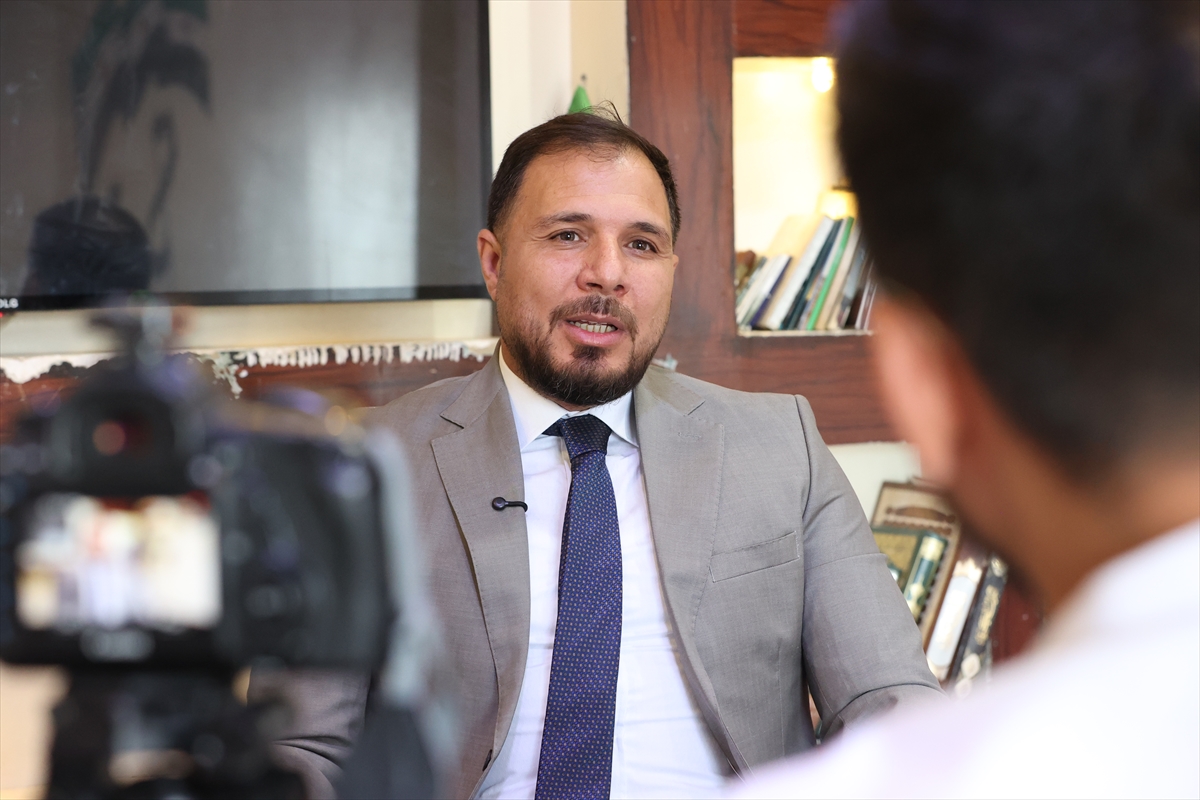
Belaas stated that he took part in organizing demonstrations from the first days of the revolution and documented events to inform the world, working as a 'citizen journalist' in the field due to the regime's crackdown on journalists.
Belaas said he lost his workplace, home, and a significant portion of his assets during the revolution years, adding: 'You cannot compare a house, a company, or an olive grove to your country. We regained our honor and our country. We gained our country, which is more valuable than what we lost.'
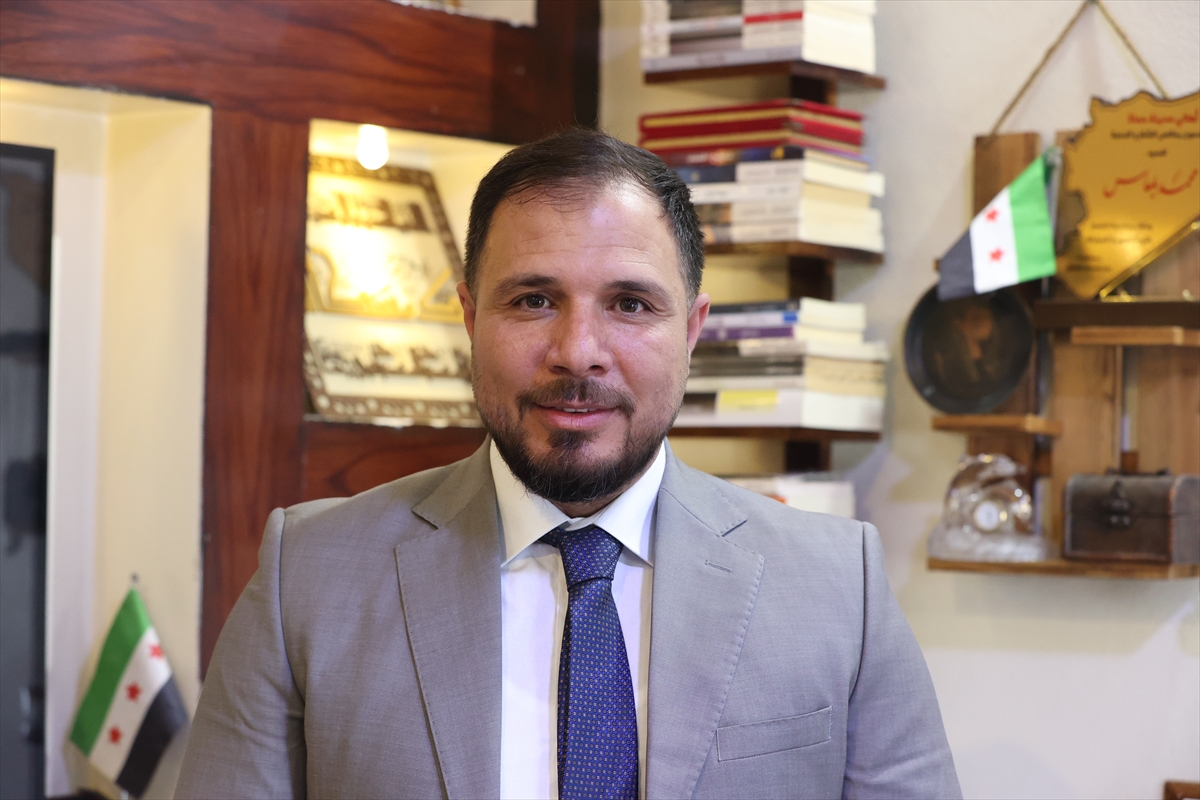
Belaas noted that his appointment as a deputy came as a big surprise, and that he consulted with his close circle before accepting the role to be the voice of journalists who have worked for years and his colleagues who were martyred.
Belaas said his priorities in the Assembly would be 'freedom, human dignity, transitional justice, and economic recovery,' and stressed the need to rebuild trust between society and the state.
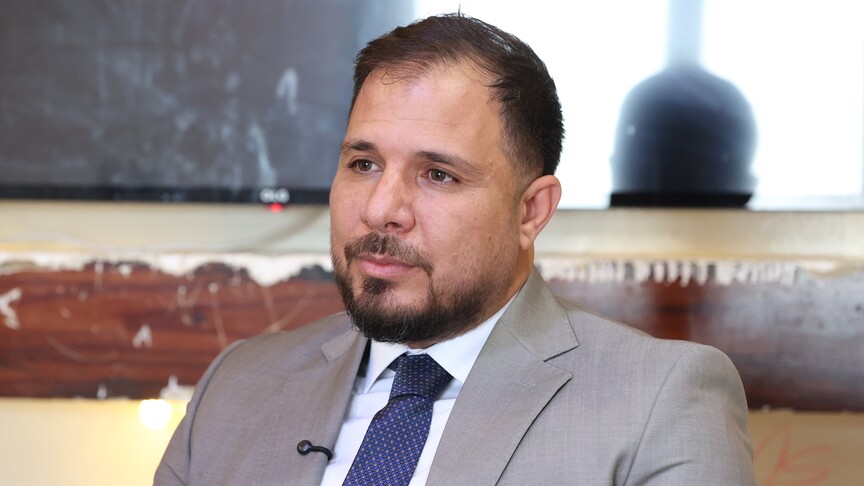
Pointing out that economic hardships are felt intensely especially in rural areas, Belaas said small-scale development projects could create significant opportunities for local communities.
Belaas stated that he sees no contradiction between tribal identity and citizenship, saying: 'The tribe is a social structure, political authority is the state. Political decision-making and the legal order must be under the state's authority.'
Belaas noted that the new Syria must be built on a state concept that grants equal rights to all citizens, saying: 'A young person in rural Idlib must be equal in rights and responsibilities to a young person in Damascus, Suwayda, or the coastal region.'
Belaas concluded by saying: 'Today we face a historic opportunity. Together, we can build a new Syria that we will all be proud of, rising on the foundations of freedom, justice, and equal citizenship.'