- BIST10011,618-0.88%
- USD49.45+0.05%
- EUR55.62+0.37%
- GOLD4,188.80+0.18%
- INTEREST37.00%-1.00
- BITCOIN82,453+0.54%
- October 19, 202617°
- BIST10011,618-0.88%
- USD49.45+0.05%
- EUR55.62+0.37%
- GOLD4,188.80+0.18%
- INTEREST37.00%-1.00
- BITCOIN82,453+0.54%
- October 19, 202617°
Kenya confirms second Ebola case as WHO backs response efforts
Kenya’s Health Ministry has confirmed the country’s second Ebola case. The World Health Organization is supporting efforts to identify and quarantine people who were in contact with the first patient.


Kenya’s Health Ministry announced that a second Ebola case had been detected in the country. The new patient is reported to be a relative of the first confirmed case and to have been in contact with that person.
The World Health Organization’s representative in Kenya, Nima Rusibamayila Kimambo, said identifying the second case would make it easier to trace and quarantine people who had been in contact with the first patient.
I congratulate the government on this important step. This development will make it possible to identify and quarantine everyone who has been in contact with the patient.
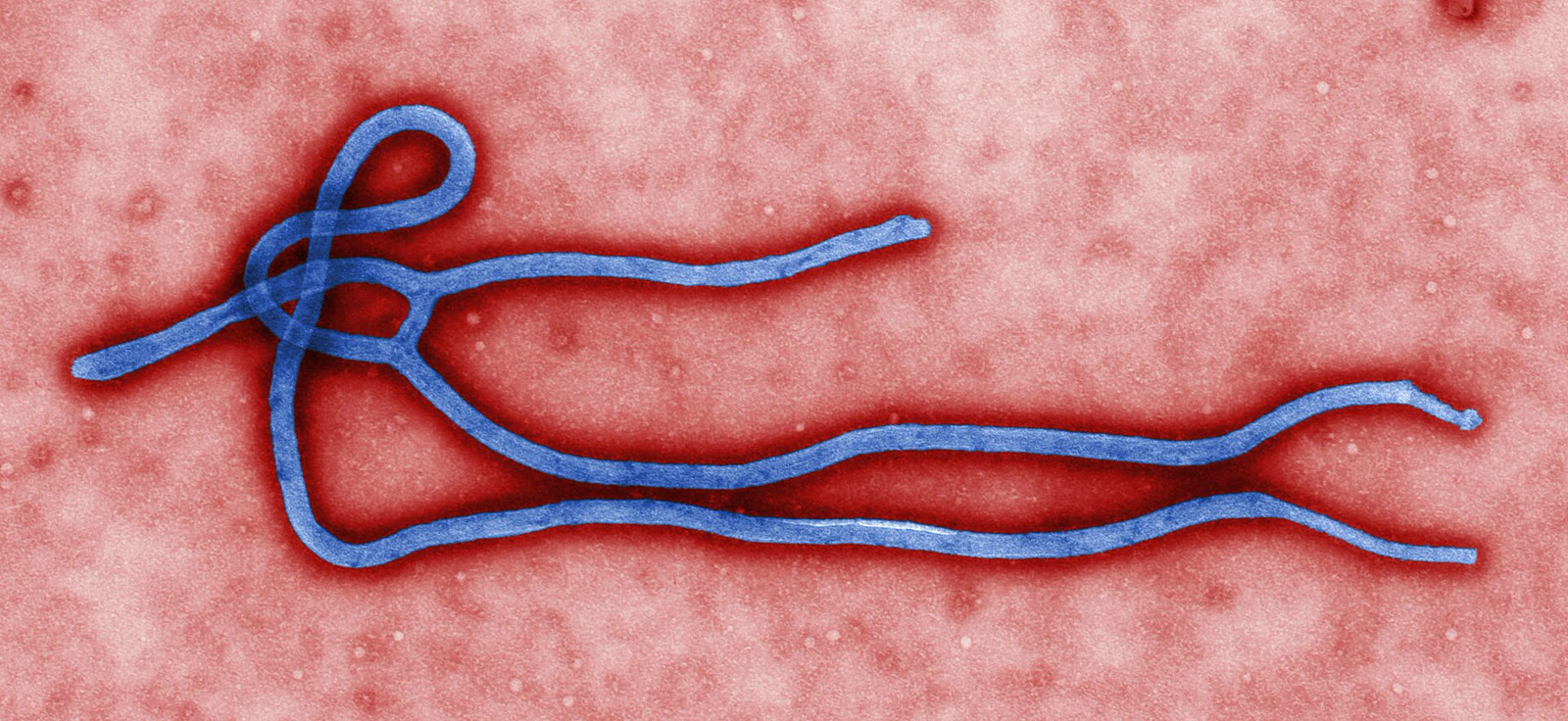
Kimambo said the WHO would continue to support efforts to limit the spread of the virus in Kenya.
First patient died on Oct. 5
The first patient diagnosed with Ebola in Kenya lost their life on Oct. 5. The second case is reported to be a relative of that patient and to have been in contact with them.
Background on Ebola outbreaks
The Ebola virus, which causes hemorrhagic fever, was first identified in 1976 in simultaneous outbreaks in Nzara, Sudan, and Yambuku, Democratic Republic of the Congo. The disease is named after the Ebola River, which flows near the village in the DRC where the outbreak occurred.
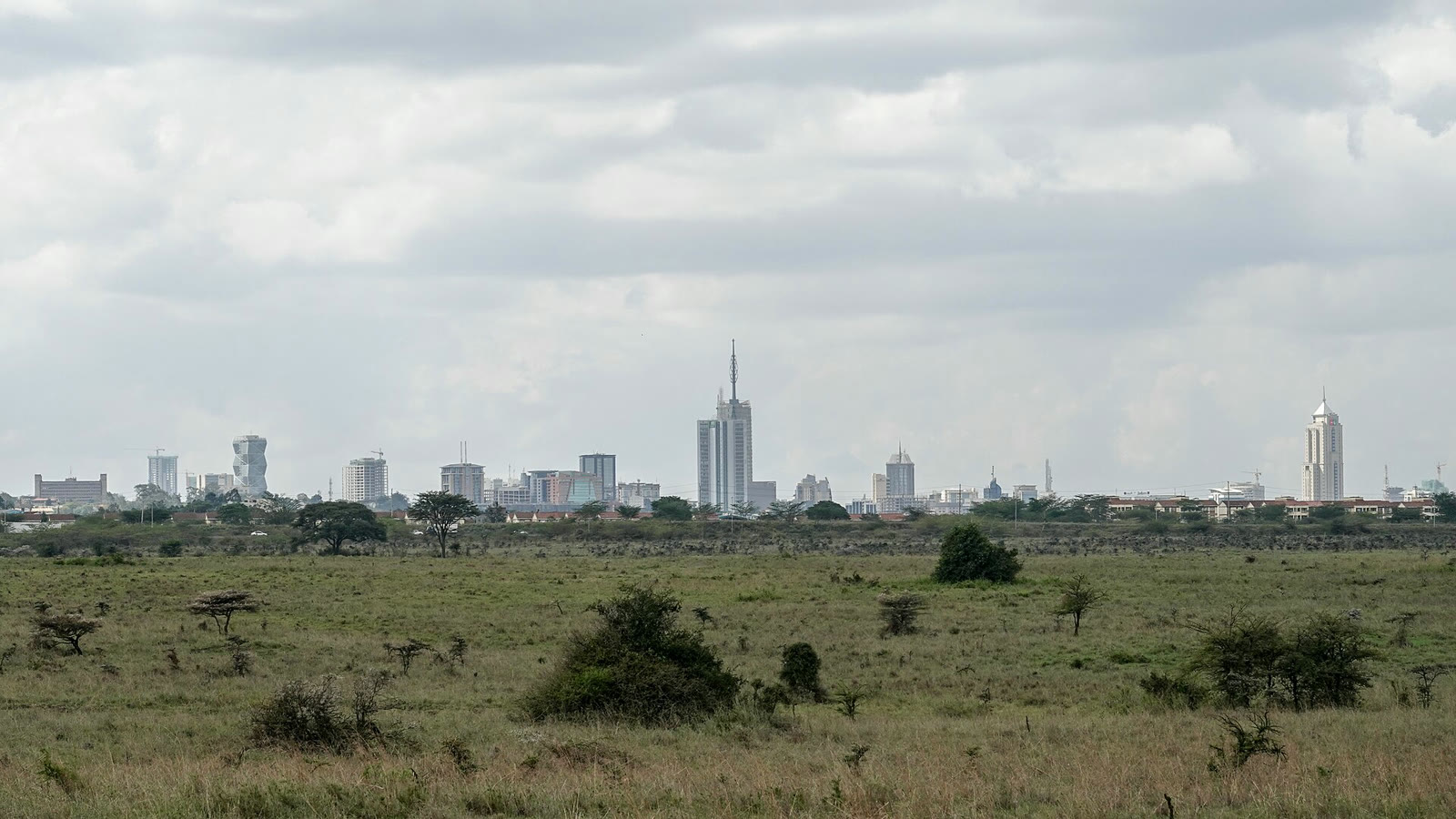
The virus spread to West Africa in December 2013. In the 2014-2017 outbreak in Guinea, Liberia and Sierra Leone, about 30,000 people were infected and more than 11,000 people lost their lives.
An outbreak was declared on May 15 after 246 suspected cases and 65 deaths were reported in Ituri province in the eastern Democratic Republic of the Congo. Health officials said there is no proven treatment or vaccine for the Bundibugyo variant of Ebola that caused the outbreak, which began in May.
Stay Updated with Hilal Times
Subscribe to be informed about special news, developments and announcements. We will keep you informed.
By signing up, you agree to our Privacy Policy