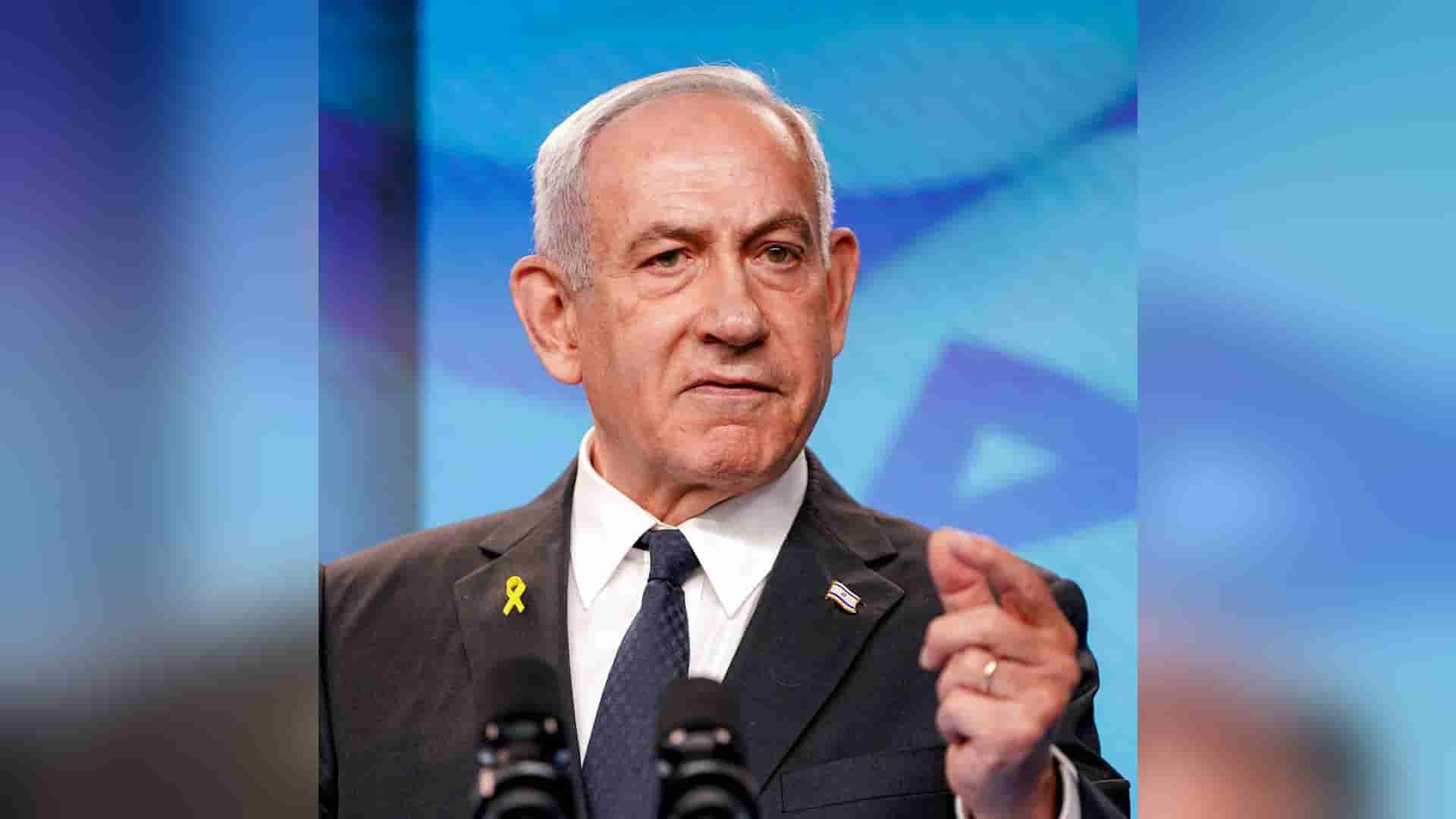
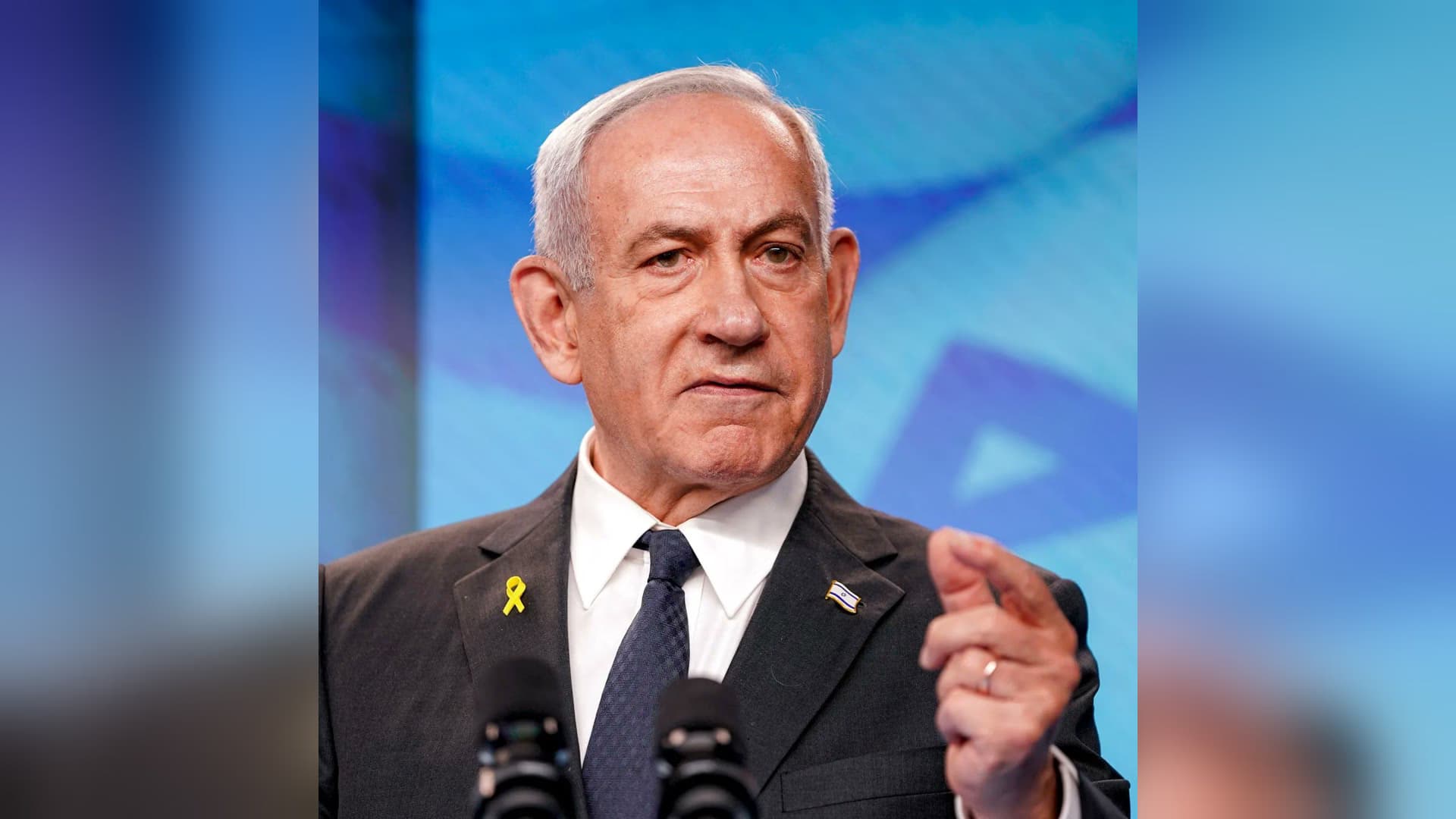
The Likud party, led by Israeli Prime Minister Benjamin Netanyahu, accused Arab parties of “stealing” Tuesday’s Knesset election, describing them in a statement as “parties that support terrorism and the destruction of the Jewish state.”
Likud alleged that the election involved “serious criminal acts,” including bribery, threats, violence, fraud and the use of prohibited software to mobilize voters. The party called for a comprehensive investigation and an immediate response from the Central Elections Committee.
Likud cites “thousands of envelopes”
The party said it had submitted “hundreds of testimonies” and other evidence to the police, the Shin Bet and the Elections Committee, including what it described as “thousands of envelopes containing cash and ballots for the United Arab List.” It also cited threats against polling-station committee members, double voting, more than one voter behind a voting booth curtain and discrepancies between the number of envelopes and the number of voters.
No evidence has yet been published proving the existence of systematic manipulation affecting the national result.
Elections Committee examines complaints from all parties
The Central Elections Committee said it was examining all allegations of fraud and violations submitted by every party, including Likud, as part of its routine procedures to safeguard the integrity of the election. It said it had informed all lists on October 25 that they could submit the names of polling stations they believed required review.
A committee official had rejected allegations of fraud in an interview with Israel’s Channel 12 before Likud issued its statement.
Arab parties achieve their strongest result
Likud’s accusation came after partial results showed the United Arab List, led by Mansour Abbas, and the Joint List winning about 19 of the Knesset’s 120 seats. This was the strongest result in the history of the Arab parties and gives them an influential role in forming the next government.
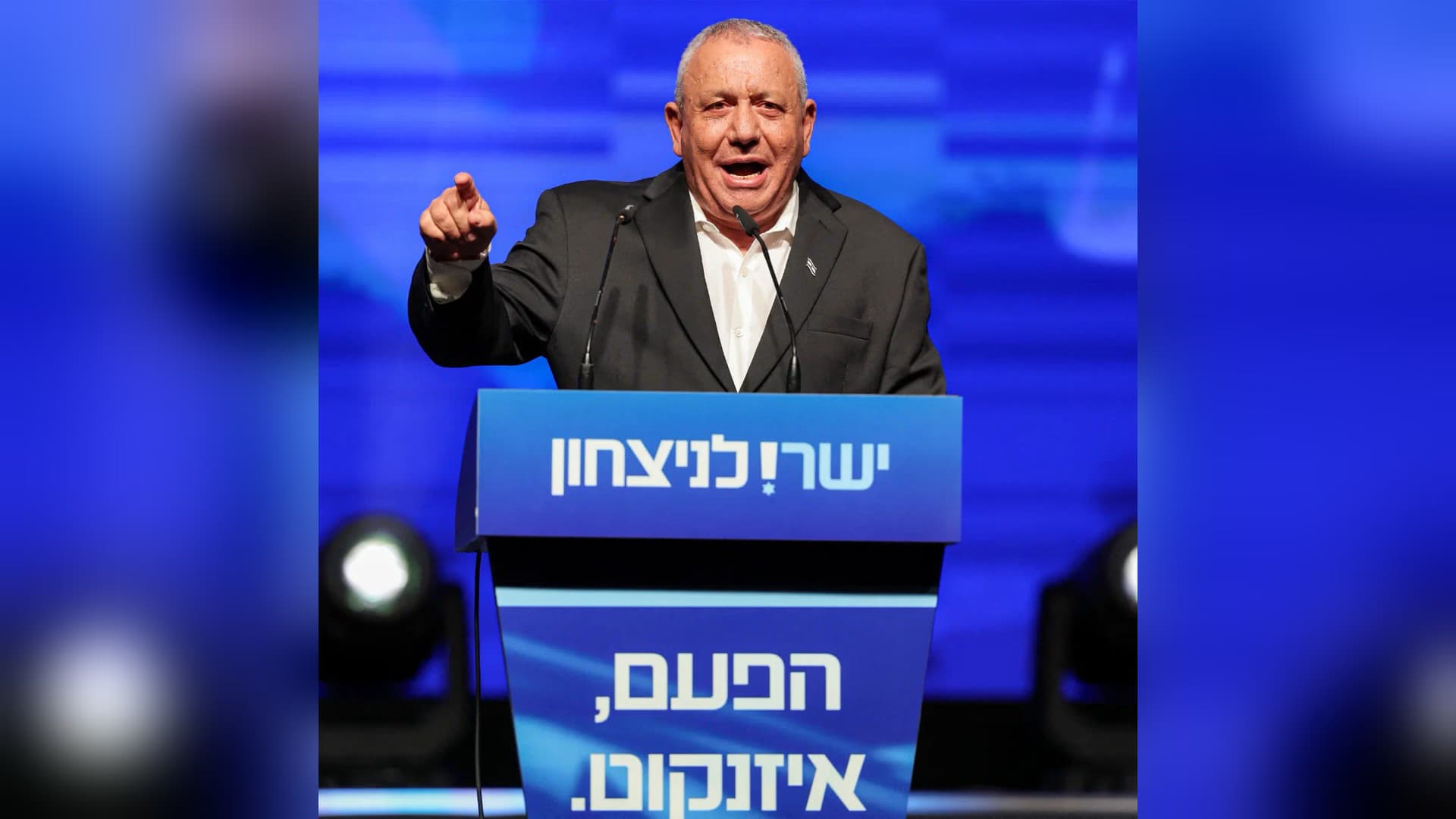
Estimates indicated that Netanyahu’s bloc had won about 53 seats, compared with about 48 seats for Gadi Eisenkot’s bloc, while forming a government requires 61 seats. About 480,000 votes from soldiers, police officers and diplomats are still awaiting counting. The committee estimates that they equal about 12 seats, but analysts believe they are unlikely to change the balance of power.
Calls for Jewish-Arab partnership
Joint List leader Yousef Jabareen called for a “genuine Jewish-Arab partnership,” saying his party would not join a governing coalition but might support an alternative government from outside. Democratic Party leader Yair Golan also urged his opposition allies to work with the Arab parties, saying: “We must no longer accept Netanyahu’s racist division between Jewish votes and Arab votes.”
Israeli President Isaac Herzog urged the parties to avoid another election and approach coalition talks with an “open mind.” Throughout the election campaign, Likud had deemed any cooperation with Arab parties illegitimate, while Netanyahu warned his supporters on election day about the high Arab voter turnout.