Morocco has commenced an international financing search to realize a massive pipeline project that will transport Africa's natural gas to Europe. Dubbed the Africa-Atlantic gas pipeline and with an estimated cost of $26 billion, the project's strategic importance has grown as military operations against Iran disrupt Middle Eastern energy flows.
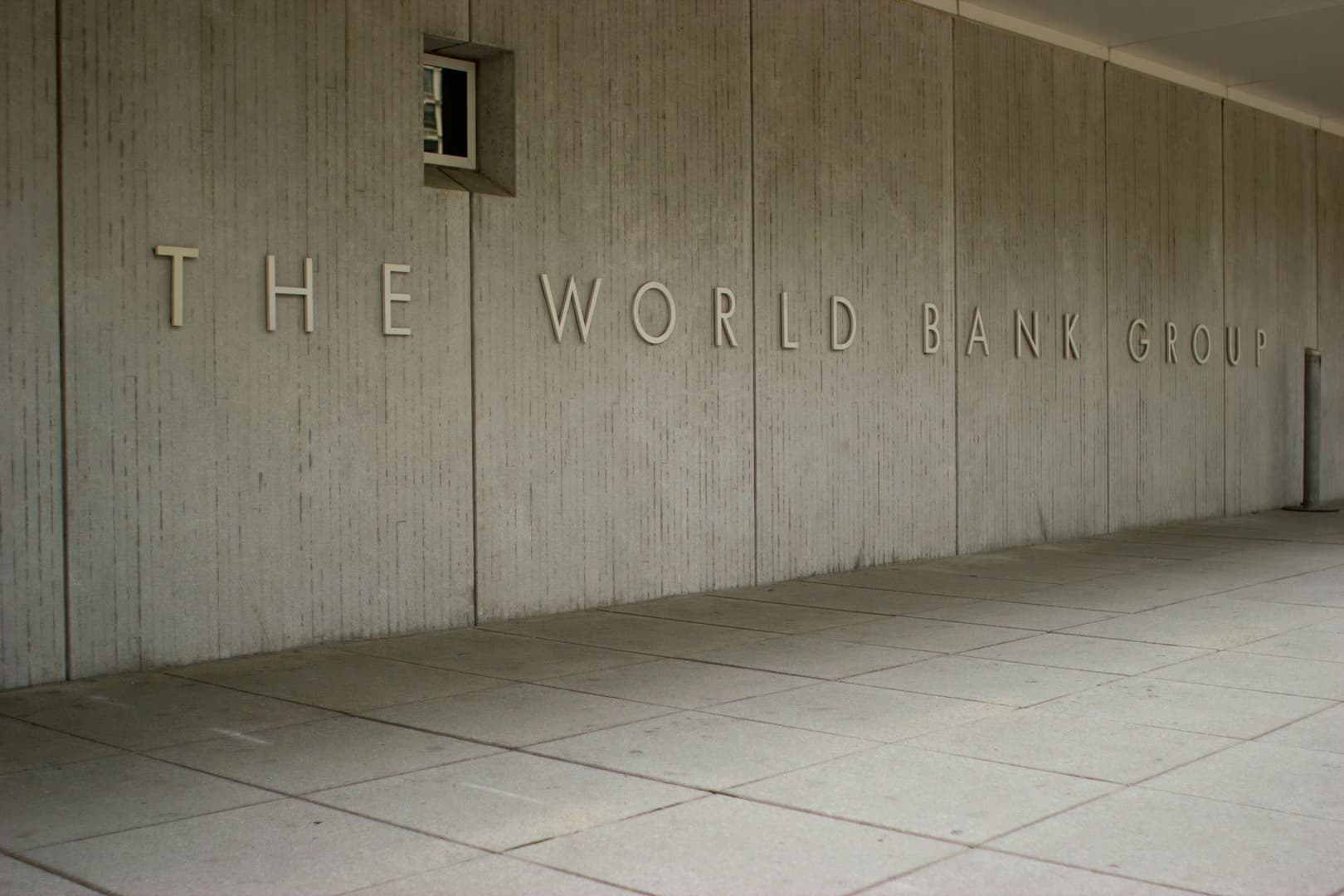
According to Bloomberg, Morocco's ambassador to Washington, Youssef Amrani, announced that his country is in financing talks with the U.S. Export-Import Bank and the World Bank for the project. Amrani confirmed that applications have been made, but did not provide details on the talks.
Middle East tensions thrust project into focus
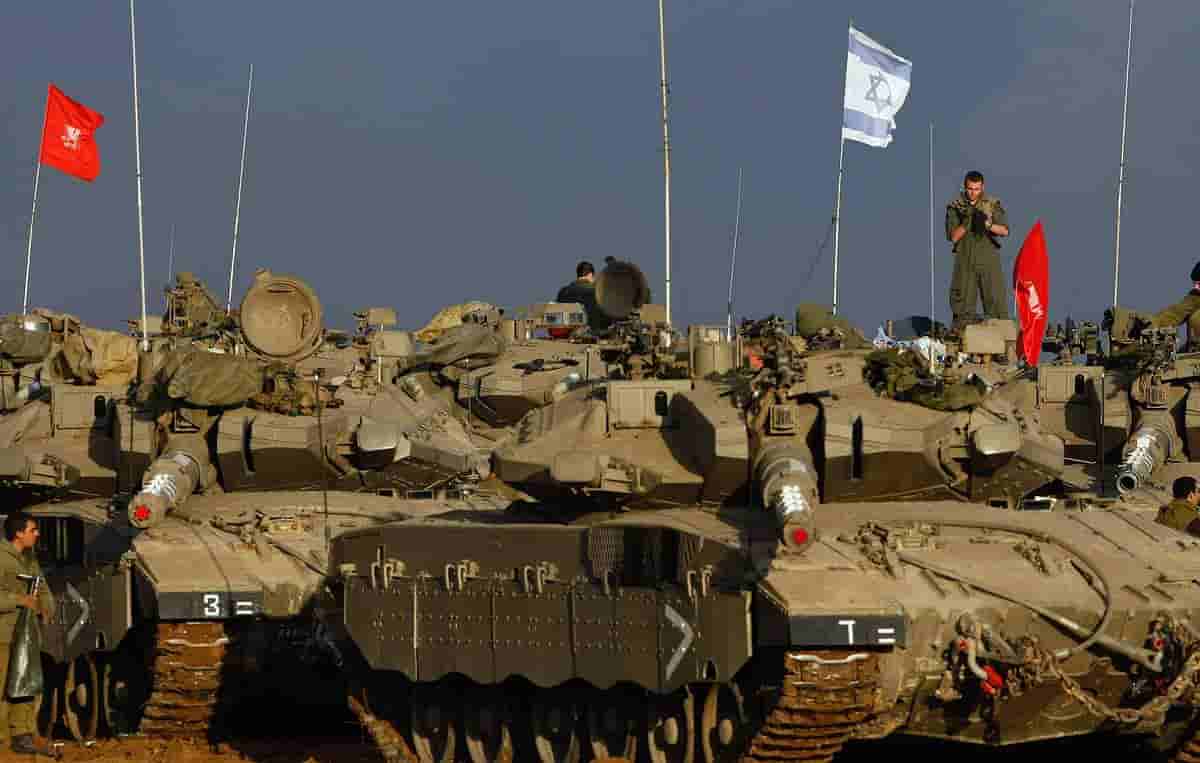
Ambassador Amrani noted that disruptions to energy flows in the region caused by U.S. and Israeli operations against Iran have strengthened the importance of this project, which will deliver African gas to Europe via an alternative route. The initiative also aligns with Europe's efforts to reduce dependence on traditional supply sources.
A spokesperson for the U.S. Export-Import Bank confirmed that preliminary talks regarding the project have taken place. The World Bank declined to comment on the matter.
The Economic Community of West African States (ECOWAS) has also formalized its support for the project. The community approved the pipeline's construction with an intergovernmental agreement signed on July 19.
6,800-kilometer pipeline and capacity plan
The 6,800-kilometer line will connect gas fields in Nigeria, Senegal and Mauritania to Europe through Morocco. The system, to be integrated with the existing Morocco-Europe pipeline, will carry gas to Spain.
According to data from Morocco's National Office of Hydrocarbons and Mines, the pipeline's annual transport capacity is projected at 30 billion cubic meters. Half of this capacity will be allocated to Morocco's domestic market, while the other half will be exported to Europe.
Amrani described the project as "one of Africa's most ambitious infrastructure initiatives." The Moroccan-led project will compete with the Algeria-led Trans-Saharan gas pipeline and major gas projects in Mozambique.
Challenges ahead and timeline
Despite political support, the project faces significant obstacles. Anne-Sophie Corbeau, a researcher at Columbia University's Center on Global Energy Policy, noted that the involvement of many countries could complicate implementation, citing operational problems experienced with the West African Gas Pipeline.
Corbeau also stated that Europe's goal of reducing fossil fuel dependence raises questions about the feasibility of expanding the project to the European market in the long term.
According to the planning, construction of the pipeline is expected to begin in 2028, with the first gas delivery slated for 2031. Completing the financing arrangements is critical to meeting this timeline.