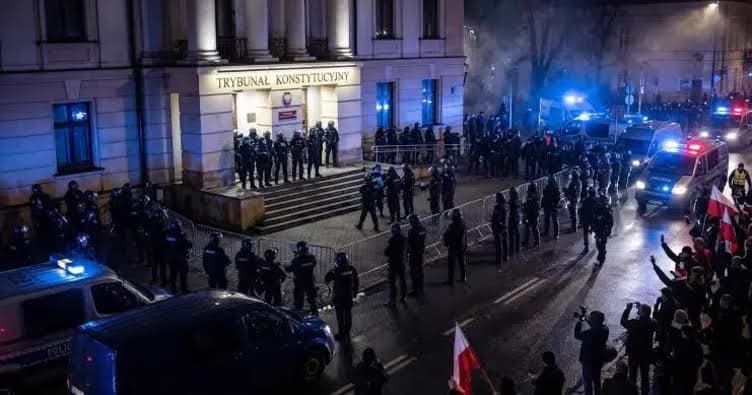
Poland's crisis over control of the Constitutional Court turned, on the night of October 30-31, into one of the deepest political crises the country has faced in years. Police cordoned off the court building in Warsaw, while its suspended president tried to cut through the iron gate to enter, and President Karol Nawrocki cut short his visit to Senegal and headed to the court at midnight.
On Saturday, Nawrocki said that “a violation of the constitutional order in the Republic of Poland has occurred, and a constitutional state body has been seized by force,” calling for urgent consultations with representatives of the parliamentary forces.
How did the crisis begin?
The crisis began with a decision by Judge Anna Korwin-Piotrowska, whom parliament elected in 2026 and whom President Nawrocki refused to swear in. She suspended the duties of the court's president, Bogdan Święczkowski, and his deputy, Bartłomiej Sochański, for one month, took temporary control of the court and called in police, citing a threat to the judges' safety.
The court's previous leadership rejected the decision, saying that its website had been seized illegally and describing what happened as a “coup.”
Metalworker at the gate
Police cordoned off the building and its surroundings, while the government of Prime Minister Donald Tusk continued sending security reinforcements throughout the night. Police said their officers had not entered the building itself.
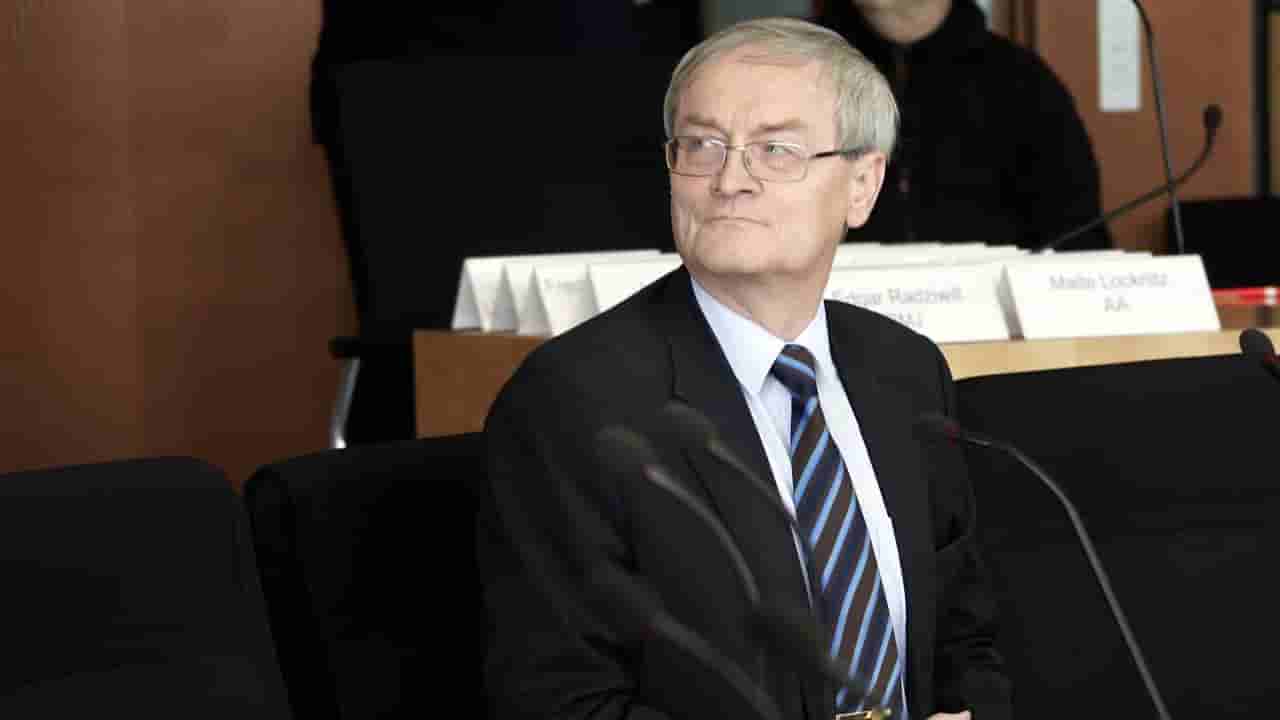
Święczkowski, the suspended court president, tried with the help of a metalworker to cut through the court's iron gate so he could enter the building surrounded by police.
Opposition supporters gathered outside the court then smashed the gate that the metalworker had been trying to cut and stormed into the building's grounds.
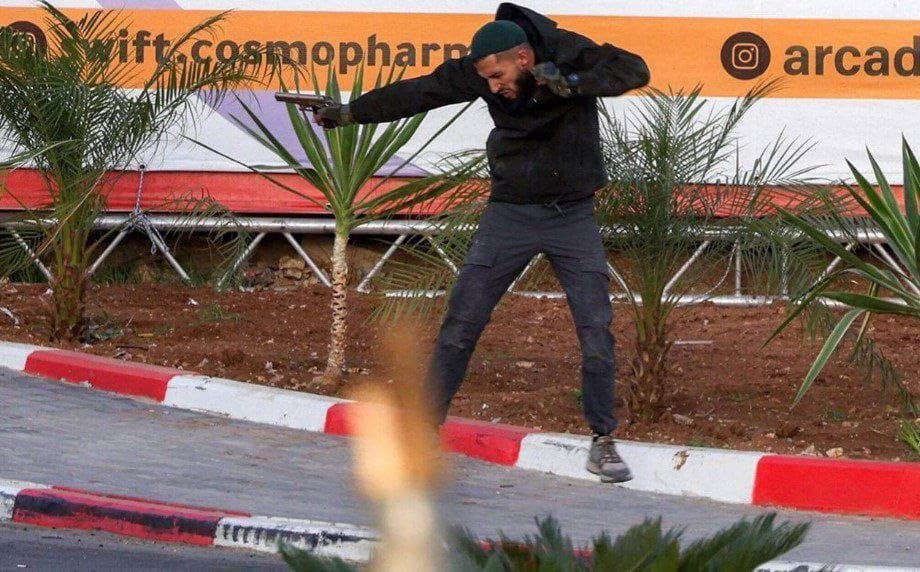
Police said their officers entered the court grounds after some protesters crossed the fence and threw dangerous objects at them, adding that three people had been detained.
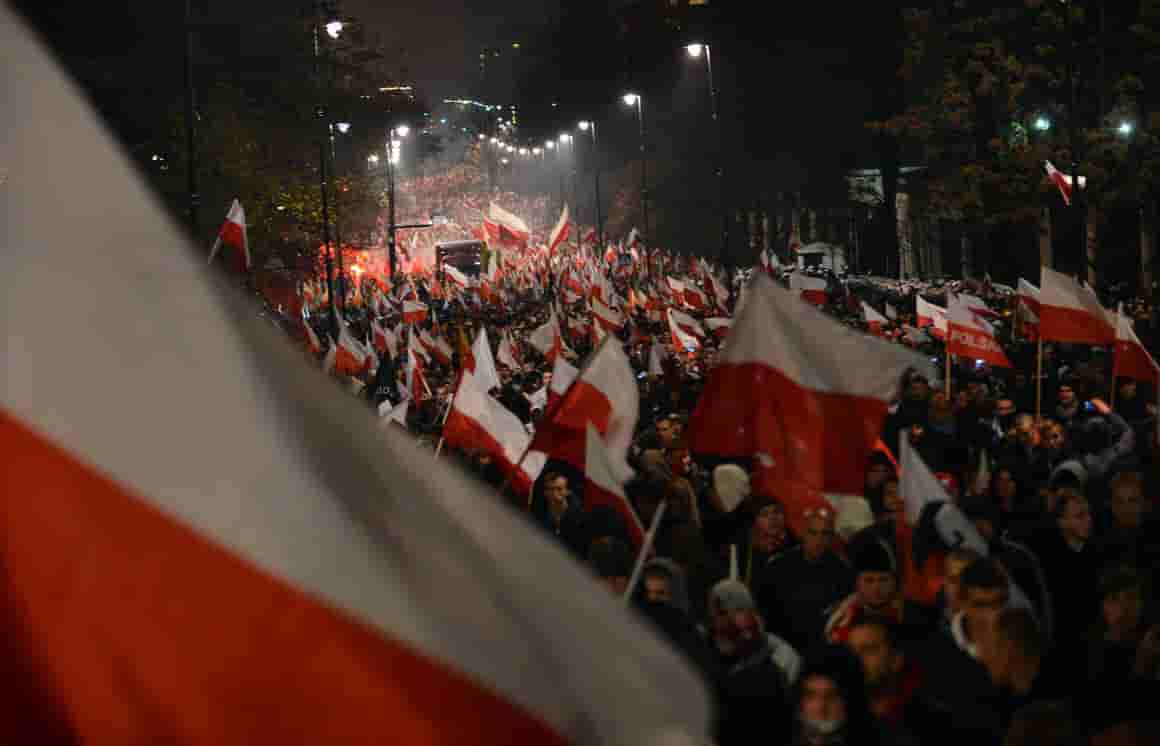
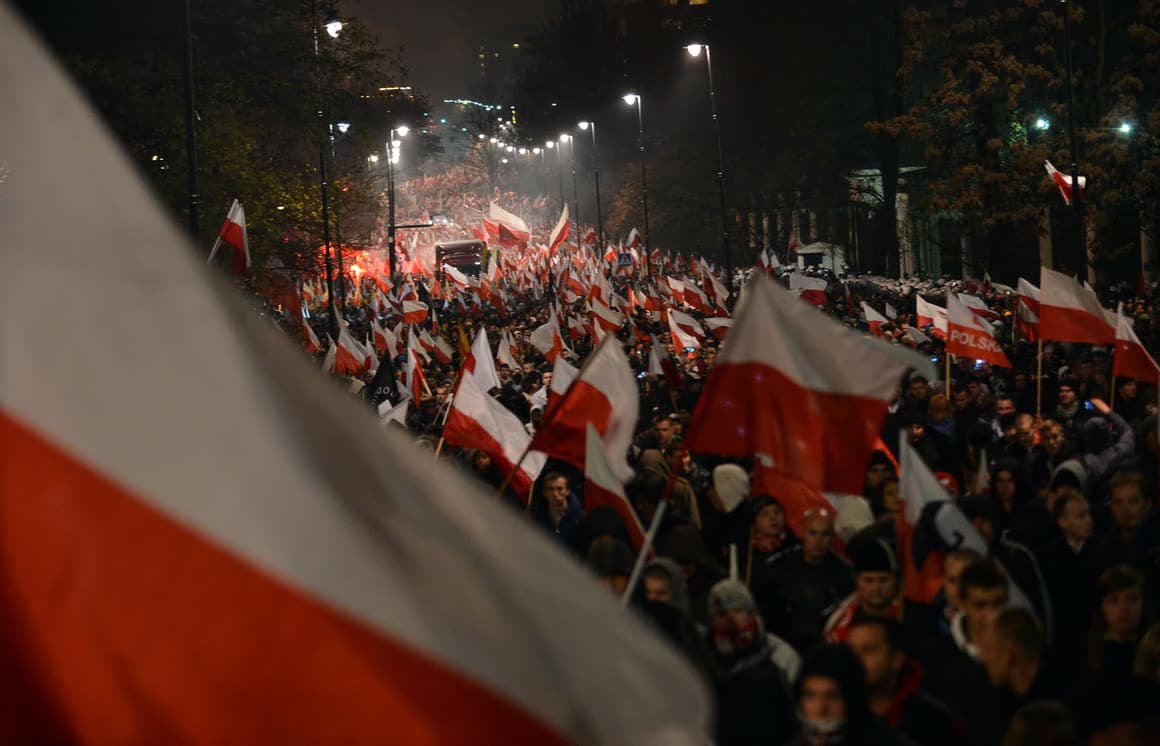
Protesters continued gathering around the court throughout the night and were joined by Jarosław Kaczyński, leader of the opposition Law and Justice party.
The president turns his plane around
After cutting short his trip to Senegal and returning to the country, Nawrocki said: “At a moment like this, the president must be in Poland.” After returning to Warsaw, he held an emergency meeting at the Presidential Palace and met Zbigniew Kapiński, the first president of the Supreme Court.
At around 1 a.m., Nawrocki arrived at the Constitutional Court, where protesters greeted him with applause.
After a confrontation at the door, the president entered the building. Korwin-Piotrowska told him, “We are judges of the Constitutional Court,” to which Nawrocki replied, “You are not judges of the Constitutional Court,” according to footage recorded inside the building.
Nawrocki remained at the court until around 5 a.m., demanded that police withdraw from its grounds and facilitated Sochański's entry, considering him the court's legitimate deputy president.
Tusk: There is no other way
Prime Minister Donald Tusk defended the move, saying: “Restoring the rule of law is our duty. The process may sometimes be painful, but there is no other way.”
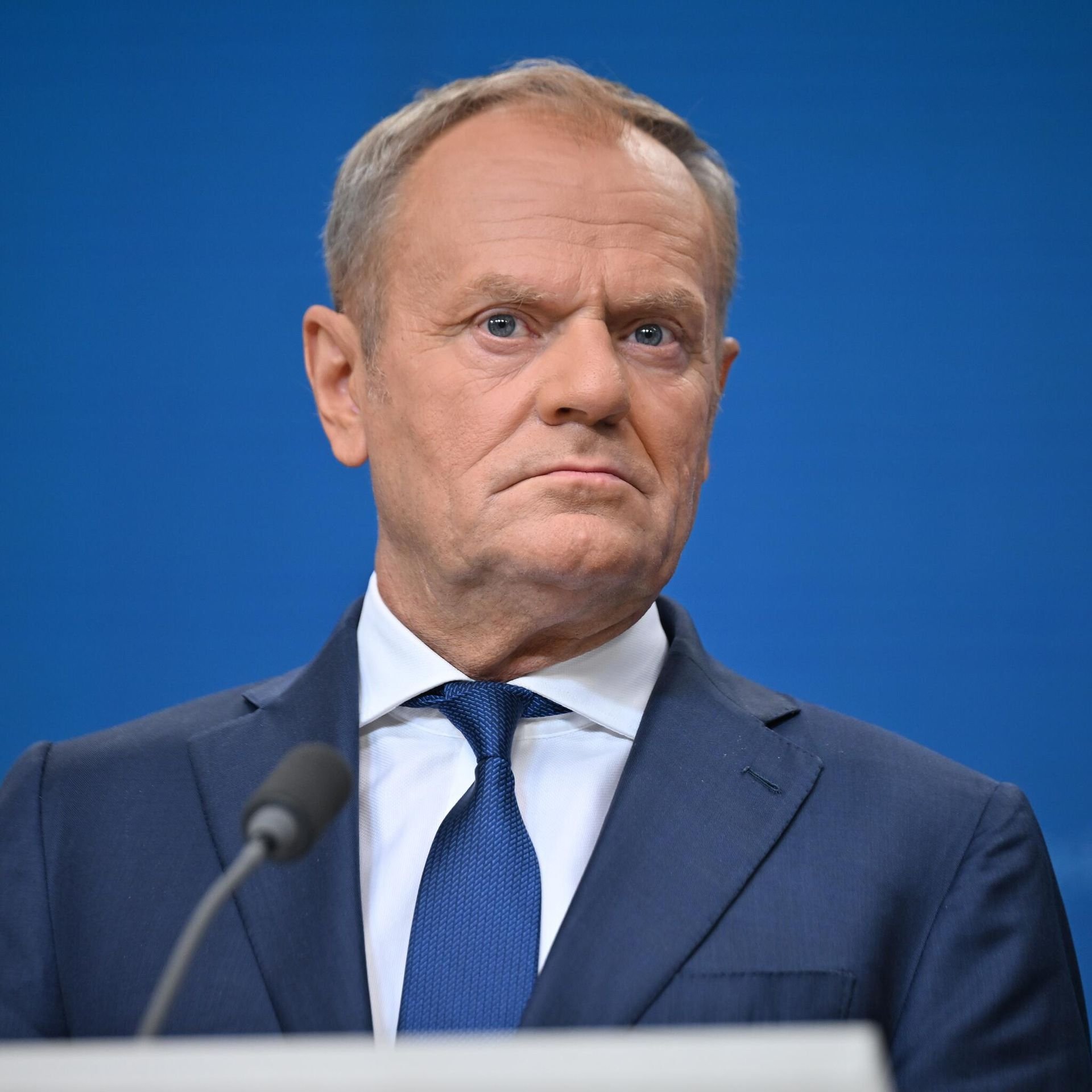
Justice Minister and Prosecutor General Waldemar Żurek criticized Nawrocki's conduct inside the court and called on prosecutors to investigate the incident. Deputy Prime Minister and Foreign Minister Radosław Sikorski said the elected majority had been prevented from working and that action had been necessary to restore the court to operation.
Opposition speaks of a coup
The opposition described what happened as an attempted coup. Kaczyński said Poland was becoming a police state, while former Justice Minister Zbigniew Ziobro called for “loud, resolute, united and courageous resistance.”
The roots of the crisis lie in the dispute between Tusk's pro-European government, which does not recognize the court's rulings because of judges appointed under the Law and Justice party, and President Nawrocki, who does not recognize the judges elected by parliament in 2026. Attention is now focused on the outcome of the urgent consultations called by the president.
Latest Developments: Security Cordon Continues
Navrotsky on Saturday renewed his call to "restore legal order" and demanded that government-sent forces leave the court building, but police continued to impose their cordon around the Constitutional Court, while the results of urgent consultations called for by the president with parties have not yet been announced.
Demonstrations in support of Navrotsky
According to Anadolu Agency, among the crowds that gathered in front of the court on the night of October 30 were Law and Justice party leader Jarosław Kaczyński, former Prime Minister Mateusz Morawiecki, and former President of the Constitutional Tribunal Julia Przyłębska. Navrotsky announced that his plane heading to Senegal returned to Poland via Spain.
On October 31, demonstrations in support of Navrotsky took place in Warsaw, while the police chained off the entrance to the court building. Navrotsky said that the country's internal security is threatened, noting that the First President of the Supreme Court, Zbigniew Kapinski, also does not consider the actions of those who seized the court to be legal.
In contrast, Deputy Prime Minister and Foreign Minister Radosław Sikorski saw the issue as restoring legal order to an institution that had been politicized under the previous government, explaining that over the past three years, parliament had elected a new majority of judges, and that the court president had prevented them from working. He said: “The democratically elected government will continue to protect the constitution.”