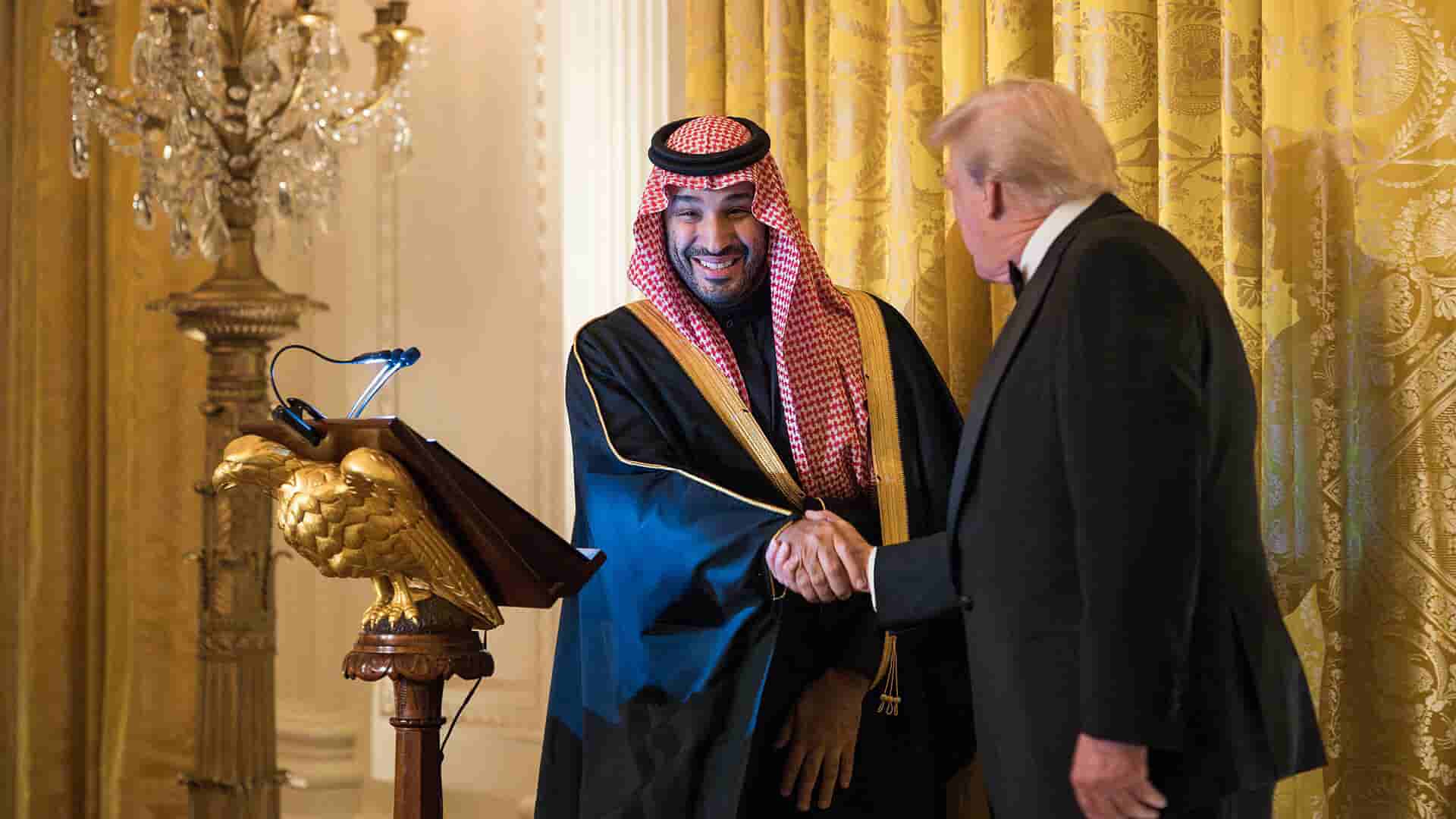
Al Thani made the remarks in a Tuesday interview broadcast on the program hosted by British presenter Piers Morgan. He argued that Netanyahu was trying to influence public opinion and create a false perception through attacks targeting Qatar, adding that the Israeli prime minister was shifting responsibility onto others instead of addressing his own conduct and his government's policies.
In the same interview, Al Thani also described the mediation efforts conducted during the early phase of the war. He said that after difficult talks with Hamas leaders, they contacted Israeli officials and requested a ceasefire window to evacuate civilians. Al Thani said they proposed an agreement that would secure the release of all civilian hostages and a ceasefire that would allow civilians to be evacuated, but Israel was unwilling to consider the proposal.
Al Thani said their offers to address other issues and contribute to the negotiation process were also rejected. He added that they had witnessed efforts to halt the war and war crimes being undermined from the first day. Qatar's prime minister also said they had seen numerous signs of escalating tensions in the region in the months before October 7, 2023, and therefore aimed to conduct a negotiation process while maintaining contact with Hamas and Israel.
Six killed in Doha attack
Al Thani also condemned last year's Israeli attack on Doha. The Qatari prime minister said targeting mediators set a dangerous precedent and that Netanyahu had crossed a red line.
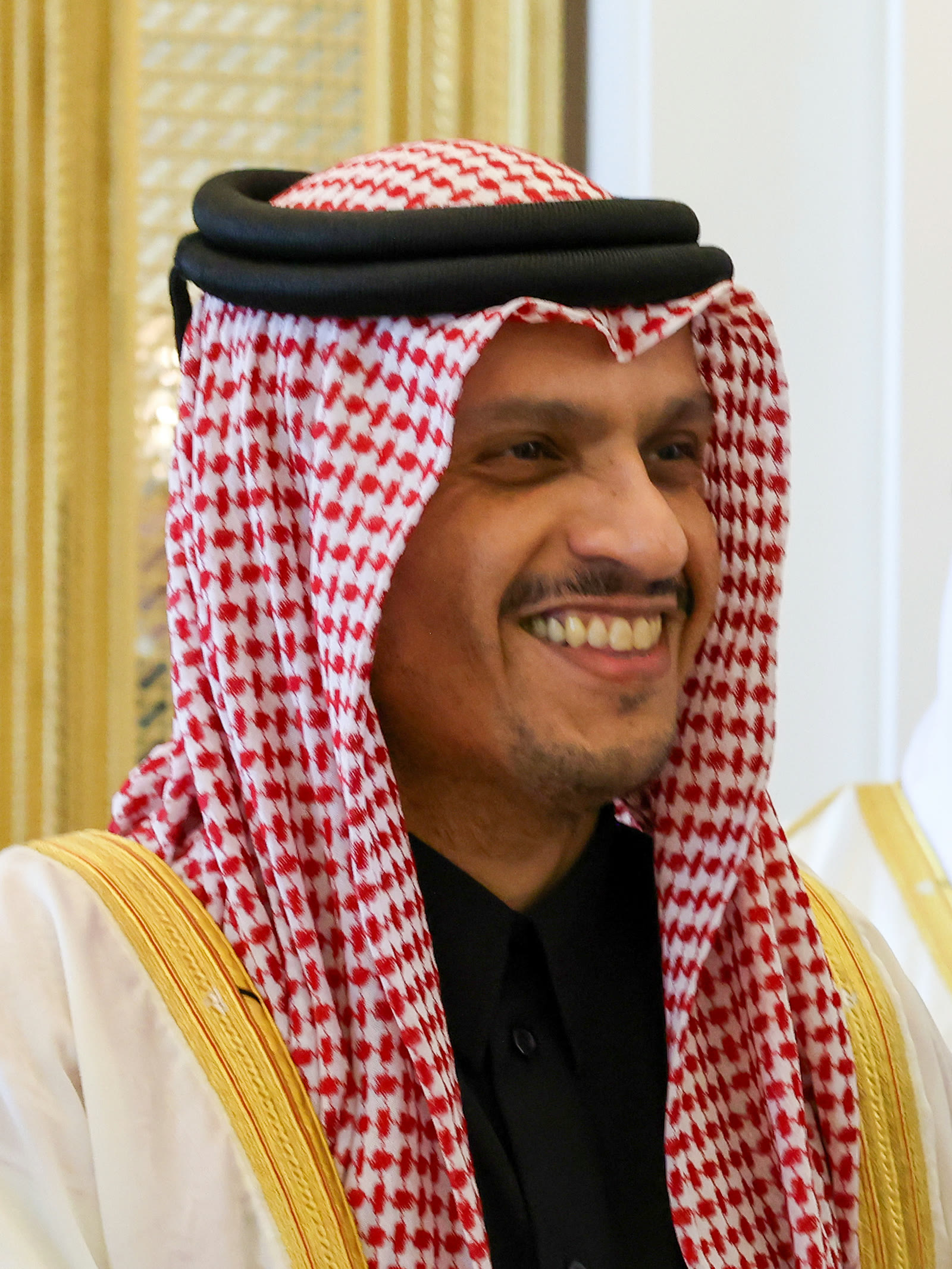
On September 9, 2025, the Israeli military and Shin Bet targeted the residences of Hamas Political Bureau members in Doha in an airstrike. Six people were killed and 18 wounded in the attack, which Israel called "Summit of Fire."
The attack took place while Qatar was mediating indirect talks between Hamas and Israel alongside Egypt and the United States. The talks sought to reach an agreement on a ceasefire in Gaza and the exchange of prisoners.
Three points for Iran-US diplomacy
Al Thani warned that the effects of the war had spread beyond Iran and the region, reaching the global economy. He said Qatar was seeking a diplomatic solution, in coordination with the US administration, to reach an agreement between the United States and Iran, adding that behind-the-scenes diplomacy was the most effective way to achieve progress.
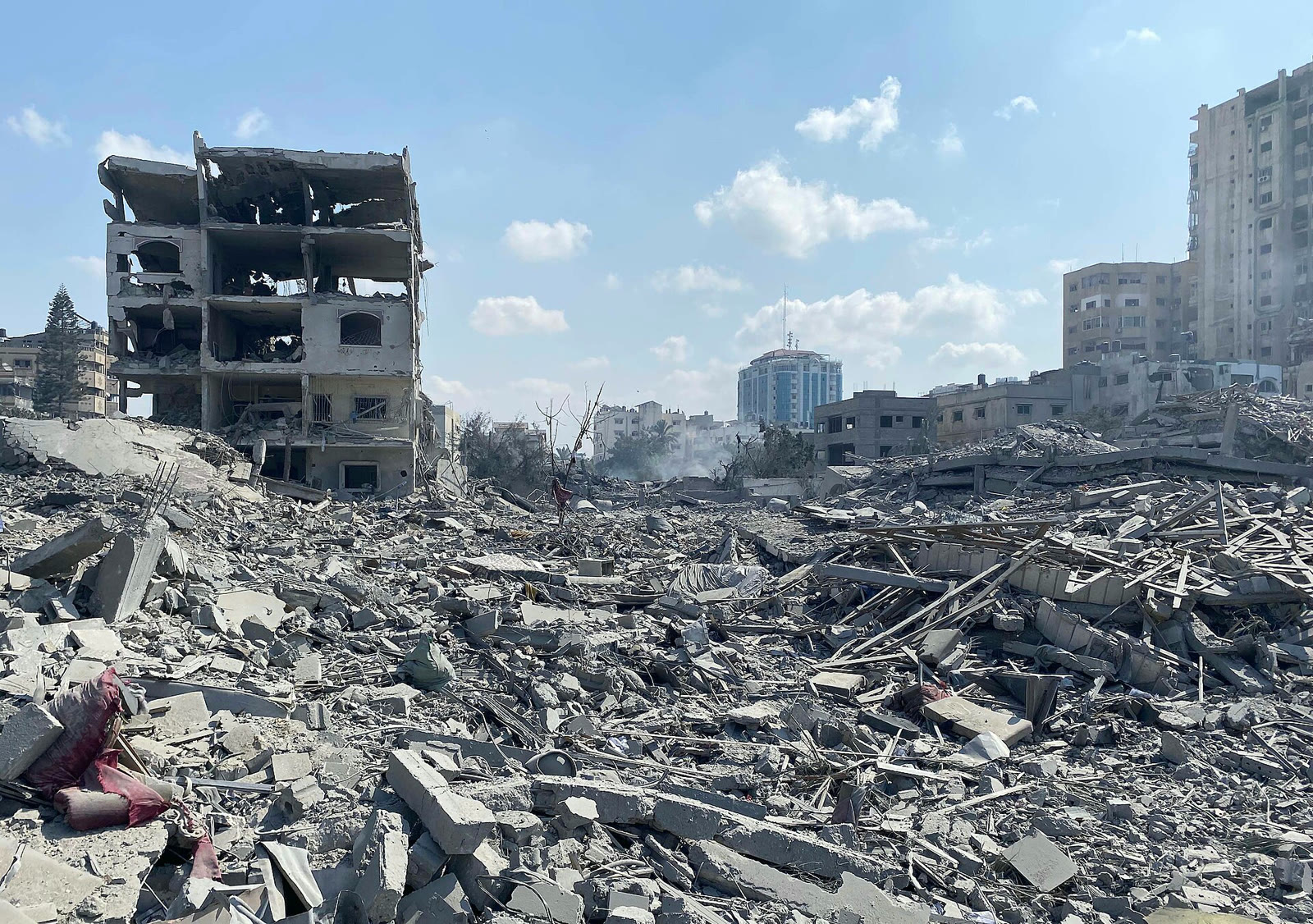
Al Thani said three issues needed to be addressed to reduce tensions. He identified the first as a nuclear agreement that would satisfy the United States and the International Atomic Energy Agency, guarantee Iran's right to peaceful energy and include the lifting of sanctions.
The second issue was described as freedom of navigation in the Strait of Hormuz. Al Thani said any agreement on the matter had to comply with international law. He said the third issue was the renewal of regional security arrangements involving the Gulf Cooperation Council countries and Iran.
Message on mediation from Doha
Qatar's Foreign Ministry spokesman Majed Al Ansari announced at Doha's weekly press briefing that his country's mediation efforts were continuing. Ansari said the process of conveying messages between the United States and Iran was ongoing.
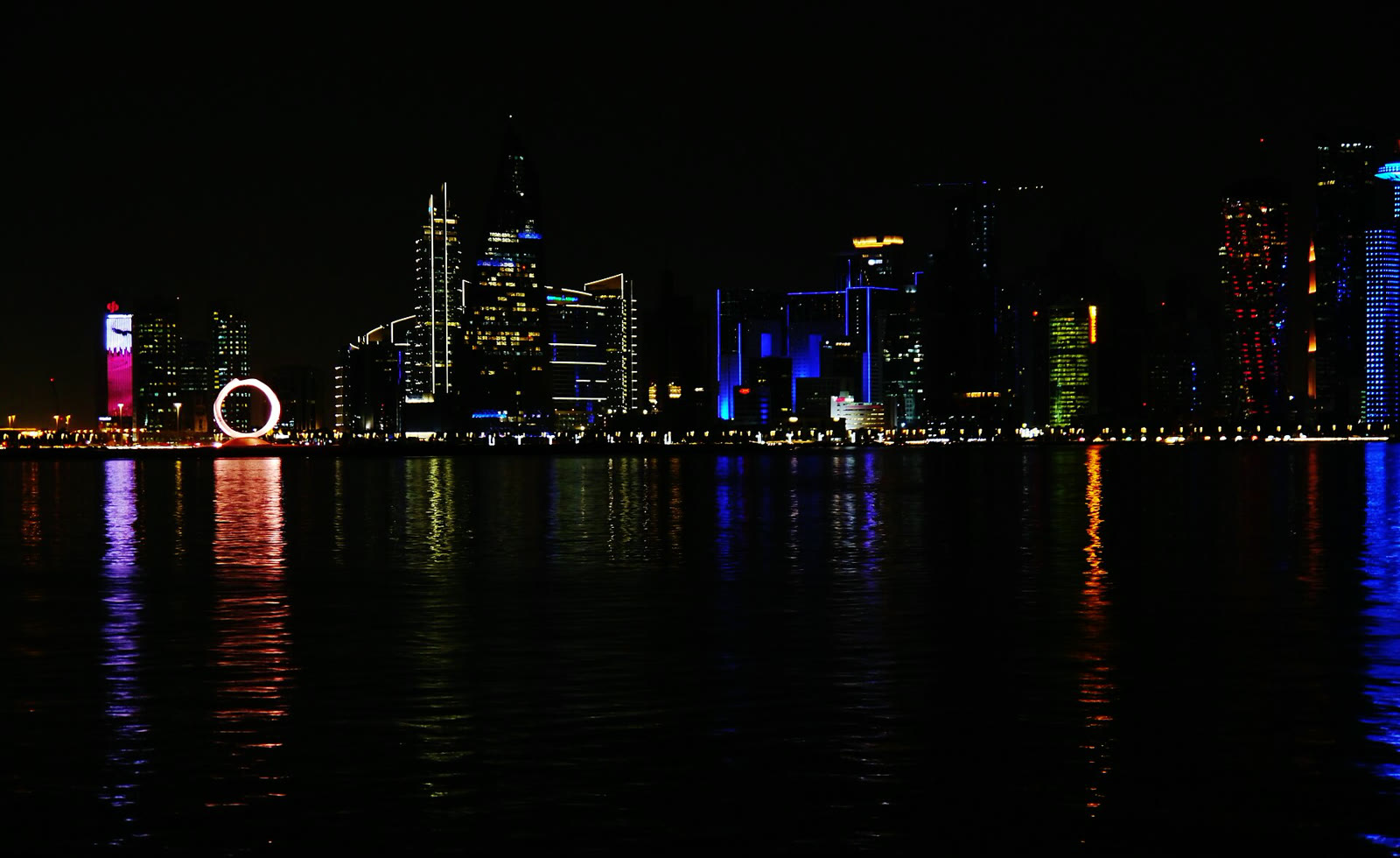
Speaking about the possibility of a large-scale US military attack on Iran, Ansari said they were concerned about any escalation in the region and were seeking a peaceful solution. Regarding Iran's threats to target the region again, he said any threat to infrastructure in the region would violate international law and the rights of neighboring countries.
On February 28, 2026, the United States and Israel launched attacks against Iran, while Iran responded with attacks on Israel and US positions in the region. A ceasefire agreement was reached in April. The United States later carried out attacks on sites in Iran, negotiations became more difficult because of disputes over navigation in the Strait of Hormuz, and the parties signed a memorandum of understanding in mid-June.