Syrian Foreign Minister Esad Hasan Shibani called on the European Union to take clearer steps in response to Israel’s attacks on his country. Shibani urged the EU Foreign Affairs Council to explicitly characterize the attacks and demand that Israeli forces withdraw to the lines of December 8, 2024.
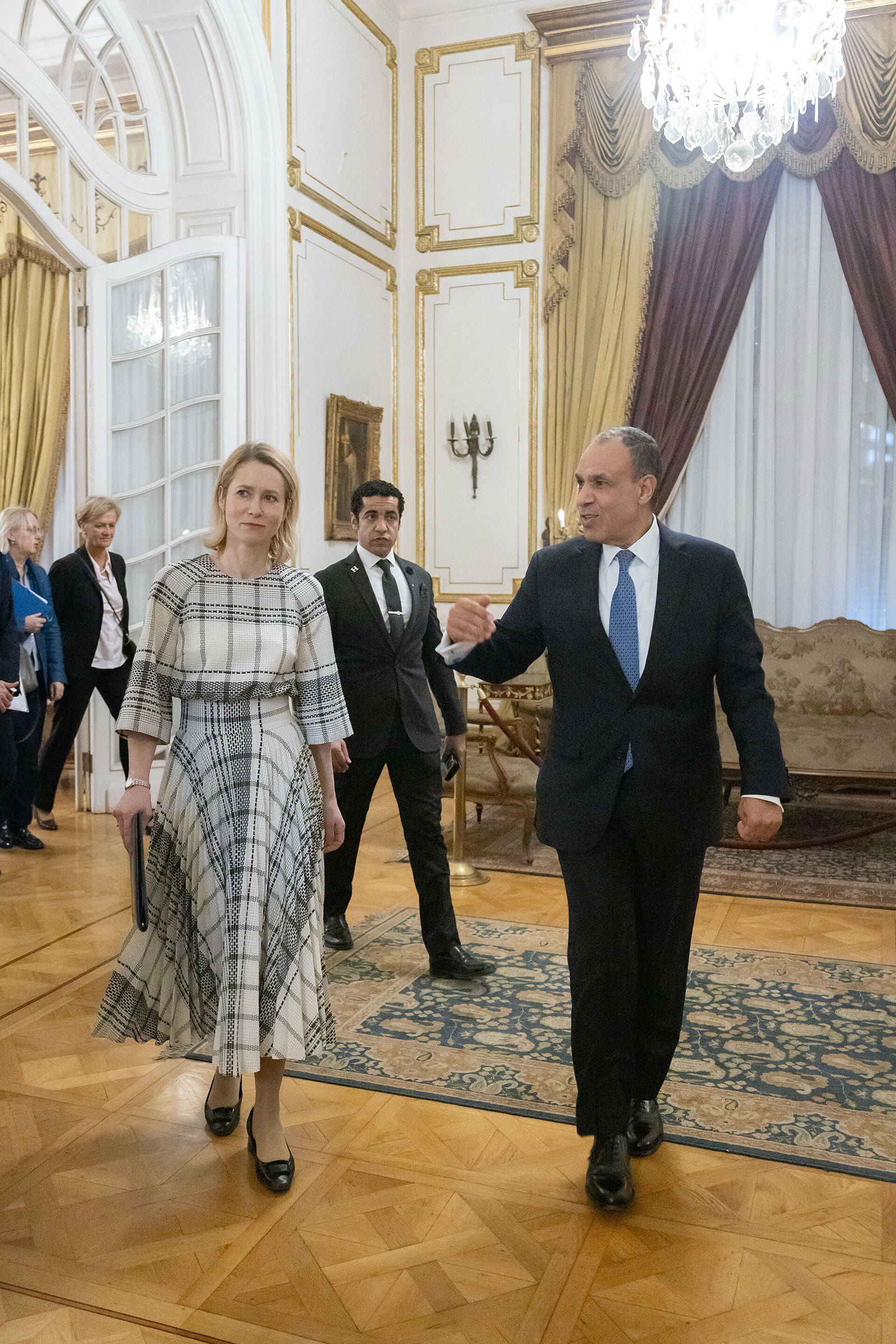
Shibani made the remarks after meeting with Kaja Kallas, the EU High Representative for Foreign Affairs and Security Policy and Vice-President of the European Commission, at Tishreen Palace in Damascus. Saying that Kallas’s first visit to Damascus in 15 years was significant for Syria-EU relations, Shibani said the meeting addressed bilateral relations as well as the high-level political dialogue launched last year.
Goal of a new partnership with the EU
Shibani announced that Syria would raise its level of diplomatic representation to the EU to ambassadorial level and said work would be carried out to prepare a new agreement to replace the 1977 partnership agreement.
Shibani said the aim was to prepare a joint document outlining the framework for preparations for a new partnership agreement by the end of the first quarter of next year. Saying that an agreement had been reached to conduct negotiations through technical committees, Shibani said Syria wanted to join the EU’s multiannual financial framework programme covering 2028-2034.
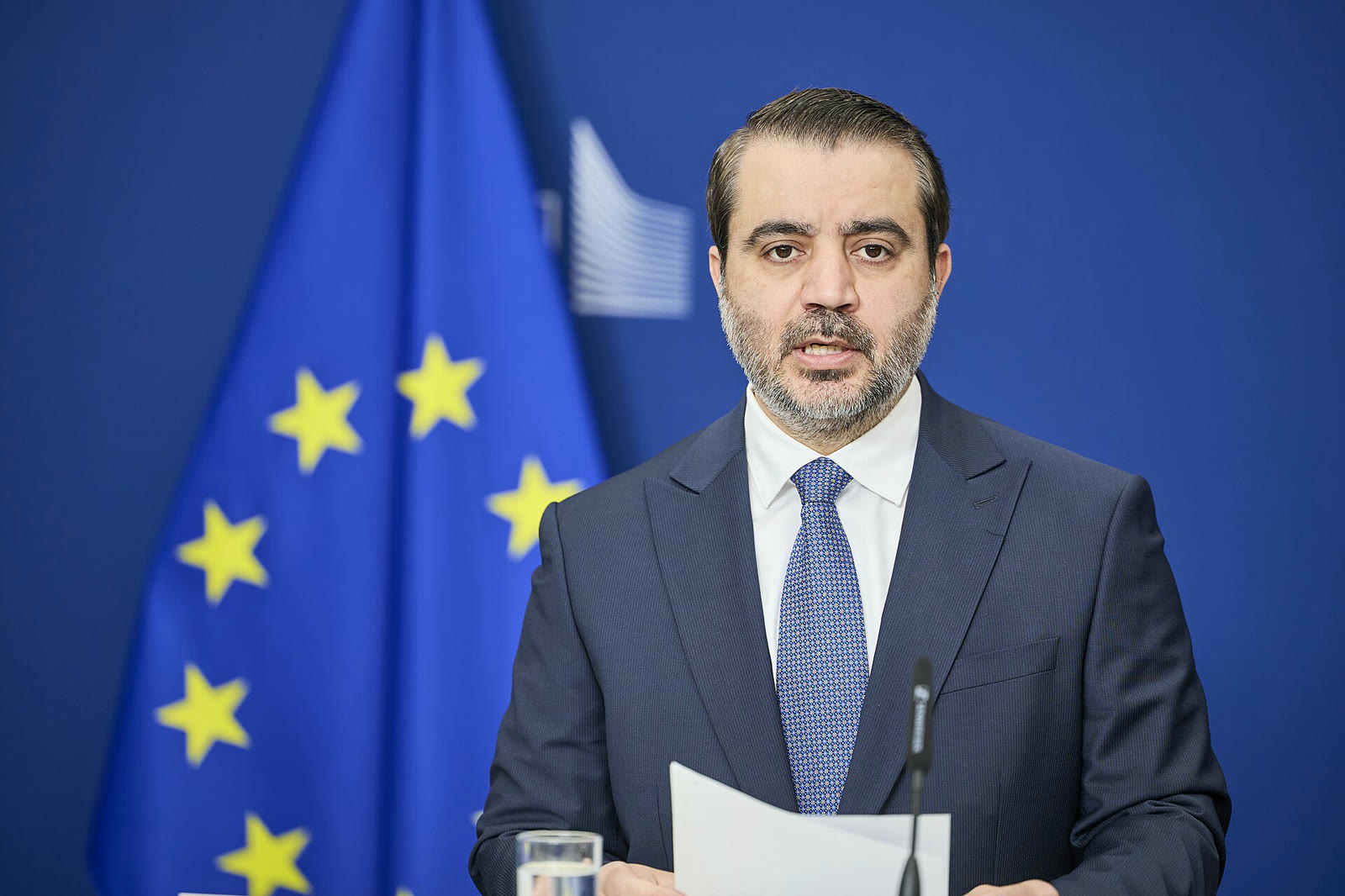
Shibani said they aimed to elevate cooperation to the level of strategic commitments and noted that they wanted to establish partnerships with the EU in public administration and the development of public services.
Arguing that the security of the Mediterranean begins on Syria’s coast, Shibani said the meeting also addressed strengthening the capacity of Syria’s coast guard units. He said Syria continued to implement its national programme for the voluntary return of refugees.
Call for sanctions to be lifted
Shibani said there had been no change in Syria’s position on the sanctions that he said were hindering the country’s reconstruction. Saying they supported maintaining sanctions targeting prominent figures of the former regime, Shibani called for sanctions imposed on government-affiliated state institutions and organizations to be lifted.
Shibani recalled that the EU removed some state institutions, including Syria’s ministries of defense and interior, from its sanctions list on May 18. He said the European Commission had participated at the beginning of September in a seminar on preparing a national framework programme for voluntary return. Shibani also said a technical support platform had been launched for Syrian institutions.
Shibani also announced that Syria had left behind its legacy of weapons of mass destruction, regained its rights at the Organisation for the Prohibition of Chemical Weapons and closed the International Atomic Energy Agency file dating from the former regime’s period.
Political transition and regional security
Shibani said Syria’s political transition was continuing and that the convening of the People’s Assembly in July and the integration of the Syrian Democratic Forces into state institutions had strengthened the country’s unity.
Commenting on the wars in the region, Shibani said they did not accept Syrian territory being turned into a launching pad for any attack. Saying that they stood in solidarity with the Gulf countries and Jordan because of Iran’s attacks against them, Shibani called for the problems to be resolved through diplomatic means.
Emphasizing Syria’s geographic importance on energy and trade routes between the East and West, Shibani said the stability of his country was an integral part of European security.
Call for EU support over the Golan Heights
Shibani said Israel’s attacks on Syria targeted the country as it pursued reconstruction. Saying that Europe should not limit itself to expressions of concern, Shibani called for the attacks to be placed on the agenda of the EU Political and Security Committee.
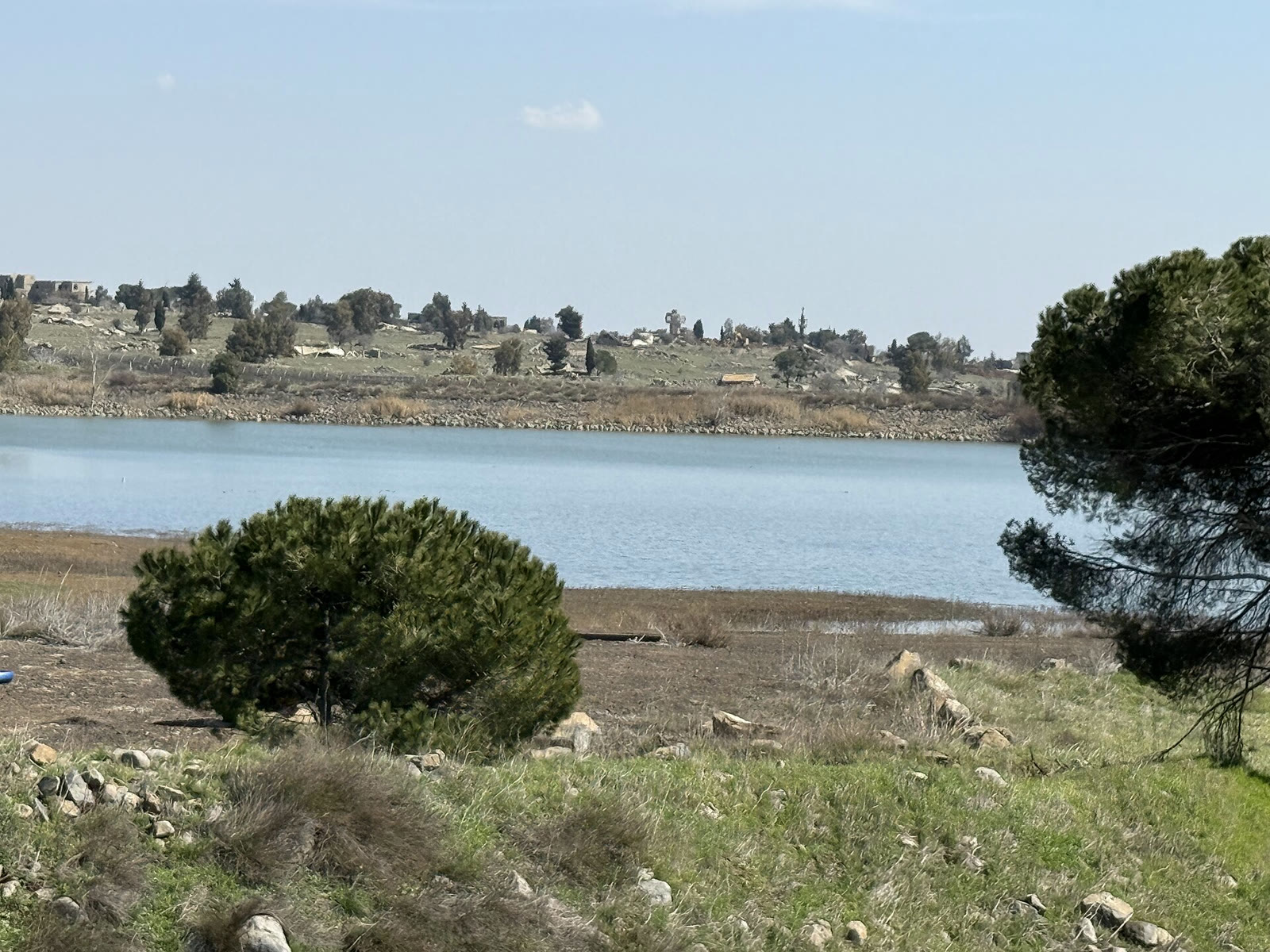
Arguing that the Golan Heights were Syrian territory, Shibani said UN Security Council Resolution 497 defined the annexation of the Golan as null and void and without legal effect.
Shibani said they appreciated the EU’s position rejecting Israel’s sovereignty over the Golan Heights and that they remained committed to the 1974 Disengagement of Forces Agreement. Shibani also said they expected the EU to support extending the mandate of the United Nations Truce Supervision Organization.