The fate of more than 8,000 people trapped under the rubble in the Gaza Strip remains unknown. Mahmoud Basal, spokesperson for Gaza Civil Defense, said search and recovery operations carried out with the available equipment could take around eight years.
Basal said some people had remained alive under the ruins for a period of time but died of hunger, thirst or suffocation because the necessary equipment could not reach them.
Reaching those missing under the rubble is becoming more difficult
More than 8,000 missing people remain beneath destroyed homes and buildings in different parts of Gaza. In recent months, civil defense teams have recovered the remains of around 1,000 people through a two-stage operation.
As the work progressed slowly, some families began searching for their relatives by removing rubble with their bare hands and primitive tools. Basal said some families had been completely wiped out and remained outside civil records because their deaths could not be reported after they were buried under the rubble.
With the available resources, recovering the remains of around 1,000 people would require approximately eight years to complete the operation. If the heavy machinery needed could reach Gaza, the period could be reduced to around one year.
About 4,000 people are being sought beyond the yellow line
Civil defense teams have not yet been able to search areas beyond the "yellow line" controlled by the Israeli army. Gaza Civil Defense estimates that around 4,000 people are beneath the rubble of between 200 and 300 homes in these areas.
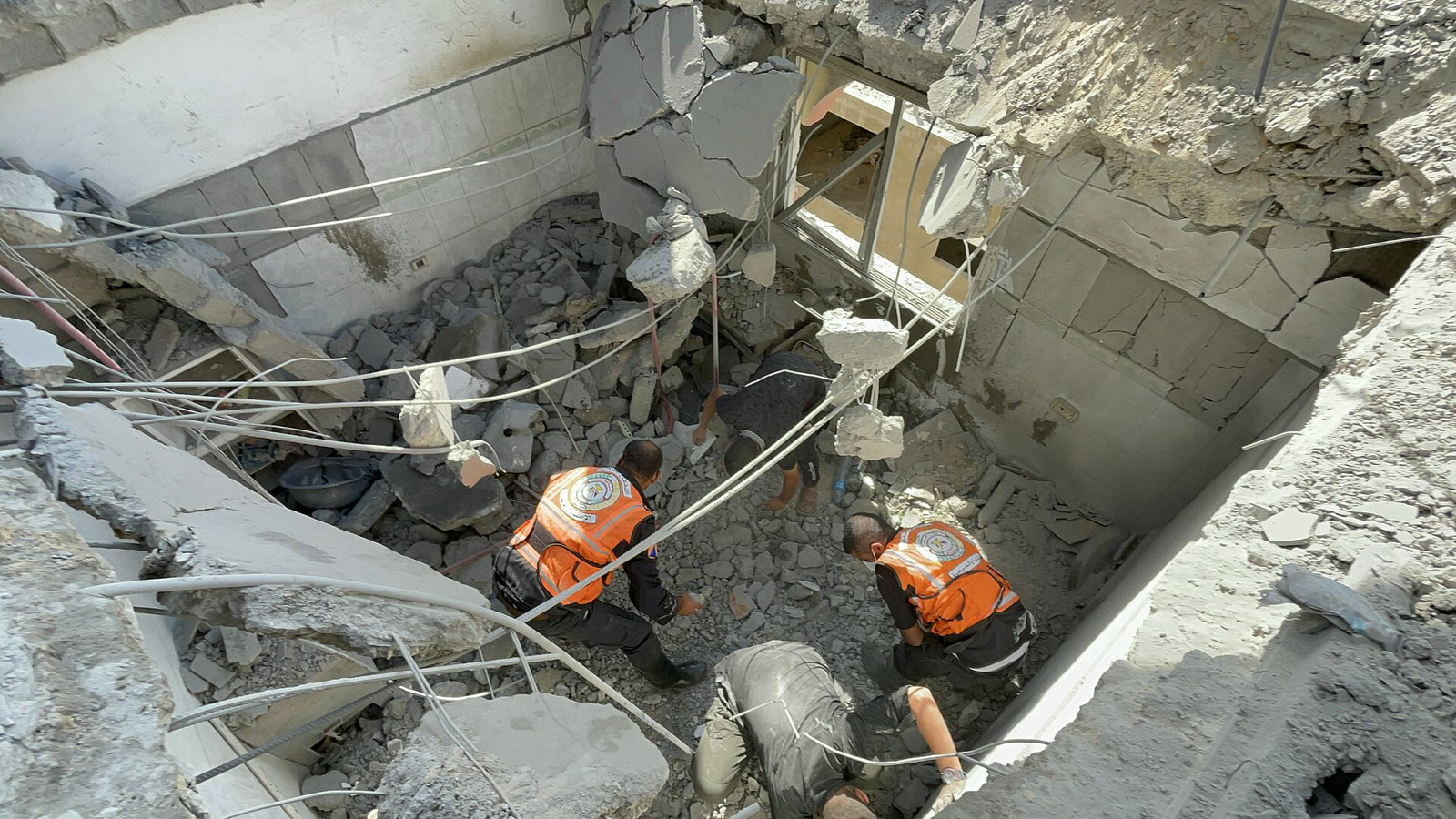
Basal said high-level coordination with Israeli forces under United Nations leadership was necessary to reach these people. Shifting rubble and changes in the appearance of some areas are also making future search operations more difficult.
Civil defense capacity has suffered a severe blow
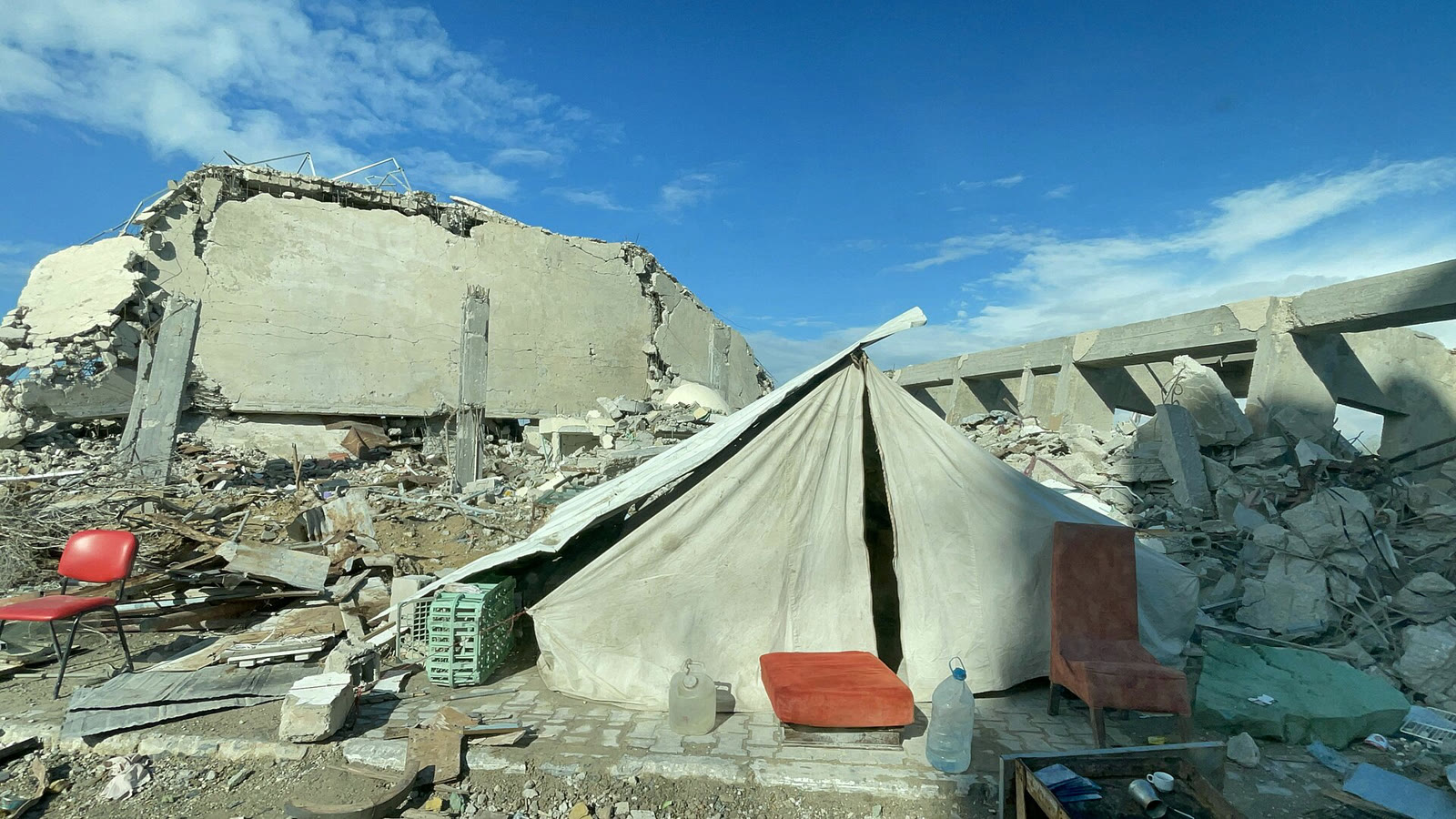
Israeli attacks killed 148 civil defense workers and injured more than 300. Fourteen of the institution's 16 centers were completely destroyed, while around 90 percent of its vehicles and technical resources became unusable.
Since October 8, 2023, 74,243 Palestinians have been killed in Gaza, 175,232 have been injured and around 90 percent of the civilian infrastructure has been destroyed.
A ceasefire agreement between Hamas and Israel was announced in Gaza on October 10, 2025. Basal said that even after a year had passed since the ceasefire, no new equipment had reached the civil defense teams and the difficulties had increased.
About 1 million operations carried out in three years
Civil defense teams carried out around 1 million operations over three years. This workload, which included rescue, first aid, firefighting, reaching buildings hit in attacks, searching for missing people and recovering them from the rubble, was said to be equivalent under normal conditions to around 60 years of work.
The teams responded to hundreds of calls for help on some days. While workers were sent to another assignment before completing one operation, they reached some scenes on foot or in old vehicles that could break down at any moment.
Basal said the problem was not that the teams were avoiding risks, but that they lacked the tools and equipment needed to rescue people waiting under the rubble. Gaza's civil defense institution had faced serious equipment shortages even before the war, and its vehicles were heavily worn.
Recovering bodies added to the tasks after the ceasefire
Civil defense teams were expected to restore their capacity after the ceasefire by renewing their vehicles and equipment. However, no new equipment arrived within a year, and recovering bodies from beneath the rubble was added to their firefighting, rescue and first-aid duties.
Basal called on the international community to take action so that people in Gaza could receive assistance and the hardships they face could be reduced.