- BIST10011,675-1.04%
- USD49.58+0.05%
- EUR55.62+0.09%
- GOLD4,151.30+0.21%
- INTEREST37.00%-1.00
- BITCOIN83,713+0.93%
- October 21, 202621°
- BIST10011,675-1.04%
- USD49.58+0.05%
- EUR55.62+0.09%
- GOLD4,151.30+0.21%
- INTEREST37.00%-1.00
- BITCOIN83,713+0.93%
- October 21, 202621°
Saudi envoy says Taiz will not be surrendered to Houthis
Saudi Arabia’s ambassador to Yemen, Mohammed Al Jaber, said Yemen does not belong to the Houthis and Taiz would not be surrendered to the group’s project. Taiz’s local administration said one civilian was killed and seven people were injured in attacks, while Yemen’s official news agency Saba reported that two civilians were killed in an attack on an ambulance.


Saudi Arabia’s ambassador to Yemen, Mohammed Al Jaber, said Taiz would not be handed over to the Houthis’ project and that Yemen does not belong to the Houthis. Al Jaber accused the Houthis of using crises as a tool of political pressure, obstructing peace efforts and drawing Yemen into regional conflicts.
The ambassador presented his assessment in a lengthy text published on the X platform. The text addressed the operation of Sanaa Airport, the ports of Hudaydah, state revenues and roads leading to Taiz.
Status of Sanaa Airport and flights
Al Jaber said Sanaa Airport operated until the Houthis detained four Yemenia aircraft in June 2024. He said the airport and the aircraft were destroyed in May 2025, adding that various proposals had been made to resume flights.
The ambassador said these proposals included leasing aircraft under the supervision of Yemenia and using Jordanian aircraft for Amman-Sanaa flights. He said the initiatives were rejected or faced new conditions.
Revenues from Hudaydah’s ports
Al Jaber said food, medicine, fuel and commercial goods were shipped through the ports of Hudaydah in western Yemen. He accused the Houthis of using port revenues and communications, tax and customs resources to finance their military activities.
Citing United Nations experts’ report S/2024/731, Al Jaber said the Houthis collected revenue from the communications sector. He said customs revenues from fuel entering through the ports of Hudaydah between April 2022 and June 2024 amounted to approximately 994 billion Yemeni rials, or more than $4 billion.
Al Jaber said the same report estimated the group’s communications-sector revenue at 1.34 trillion Yemeni rials, approximately $5.68 billion. He alleged that the Houthis earned about $2 billion annually from smuggled oil and directed this source of revenue toward military purposes.
Alleged attacks on civilians in Taiz
Al Jaber alleged that the people of Taiz province were being kept under siege and that roads leading to areas controlled by government forces had been closed. He said this had made food and medicine deliveries more difficult.
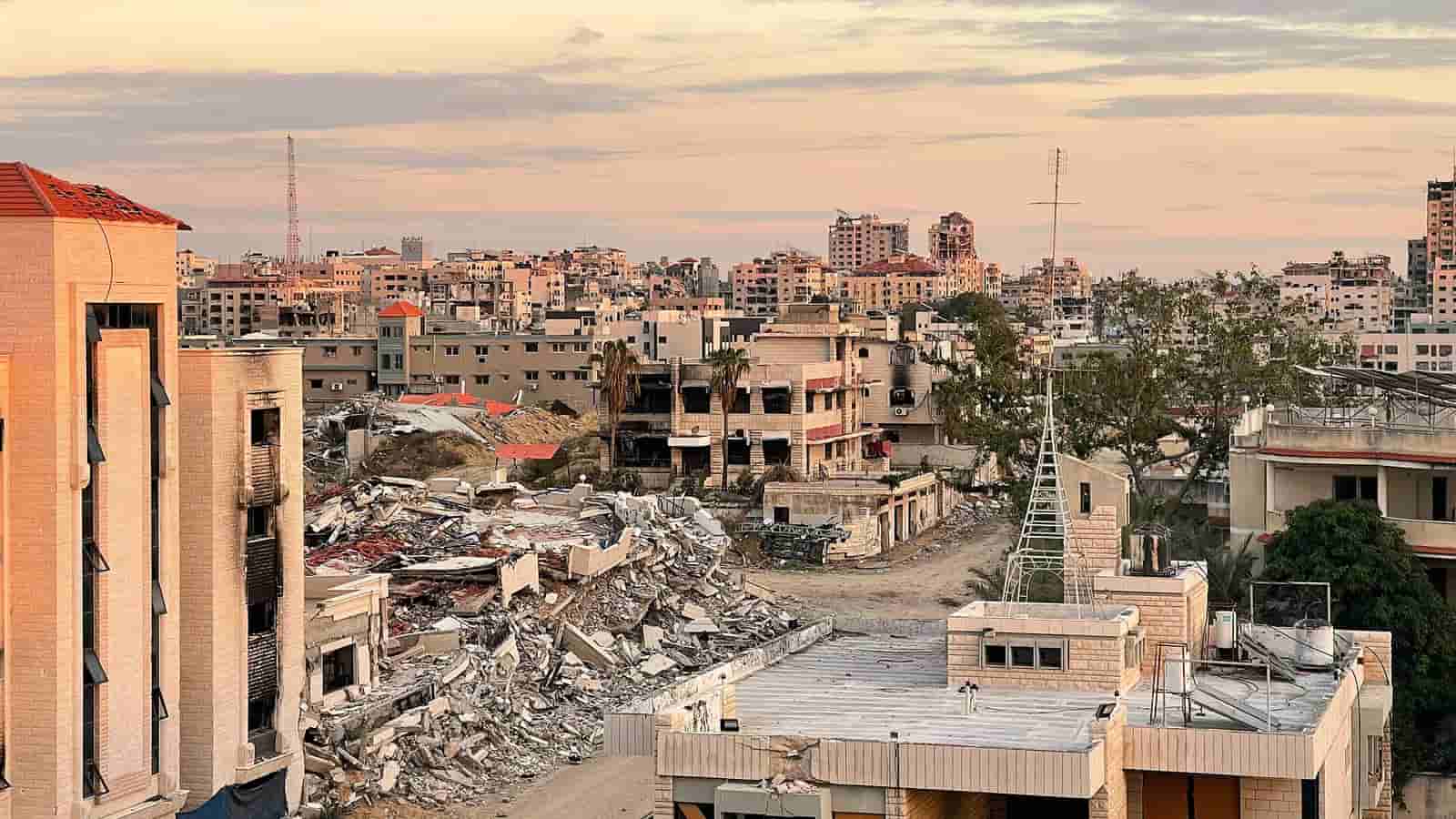
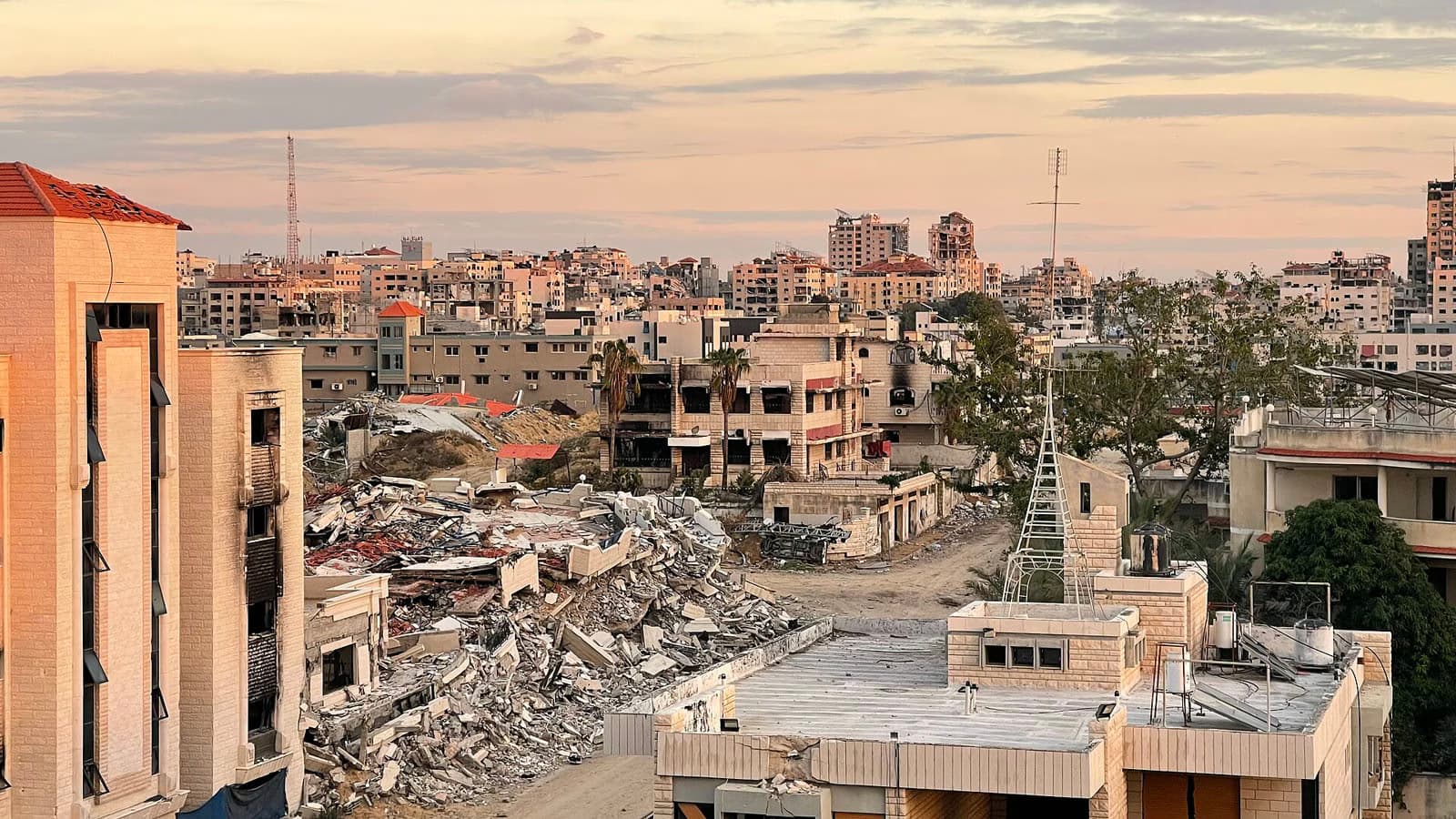
Taiz’s local administration said in a statement on Tuesday that one civilian was killed and seven people, including two children, were injured in alleged artillery attacks by the Houthis on residential areas in the city. It said the attacks targeted the Sine and Al Misbah areas as well as several residential districts.
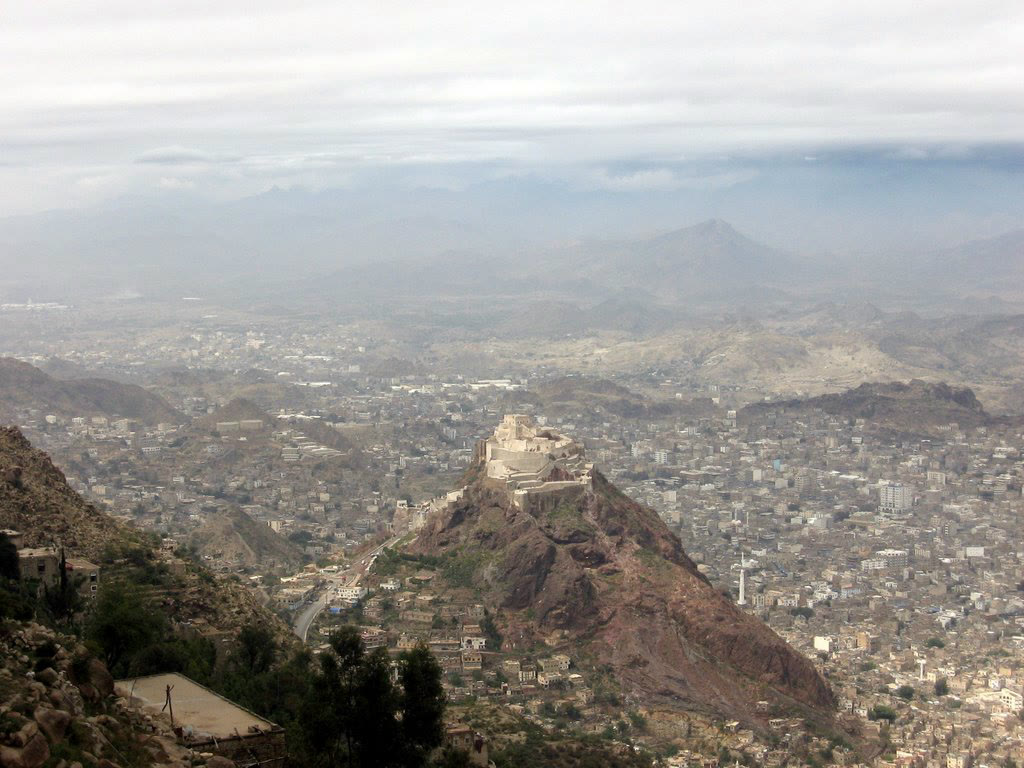
Yemen’s official news agency Saba reported that an ambulance transporting an injured girl to hospital was targeted with a mortar shell in the Sabr al-Shaqab area. Two civilians were killed and a doctor was injured in the incident.
The local administration described the attacks on residential areas and villages, along with the targeting of the ambulance, as a dangerous escalation affecting health and humanitarian aid teams.
Siege and humanitarian aid concerns
Intermittent fighting has continued for years between government forces and the Houthis in Taiz province. Local authorities and human rights organizations say the Houthis have closed the main roads leading to areas under government control and restricted civilian movement as well as aid and commercial deliveries.
Warnings have been issued in recent days that the continued road closures have reduced supplies of food, water, medicine and fuel and driven up the prices of basic goods. Human Rights Watch called for the siege in Taiz to be lifted.
Humanitarian organizations said they had distributed their last food packages, that water supplies had fallen by approximately 50 percent, and that hospitals were close to running out of medicine, oxygen and fuel.
The United Nations humanitarian coordinator for Yemen also said that the continued road closures threatened the lives of millions of people and made it difficult to maintain health facilities and essential services.
Saudi Arabia pledges support
Al Jaber said Saudi Arabia would protect its people, security, territory and ships. He said support for the Yemeni people and the internationally recognized government would continue until security, peace and stability were achieved.
The ambassador said Yemen needed a stable state, functioning institutions, regular salaries, open roads and a peace that protects the dignity of its citizens.
The statements came at a time when the Houthis’ military activities against Saudi Arabia have continued since July 2026 and fighting between the Houthis and government forces in Yemen has intensified. Saudi statements and Houthi announcements alleged that attacks in October targeted King Khalid Airport in Riyadh, airports in Abha, Jizan, Najran and Dammam, as well as oil facilities and military positions.
Since March 2015, Saudi Arabia has led a military coalition supporting Yemen’s government against the Houthis, who seized control of the capital Sanaa and several provinces in September 2014.
Stay Updated with Hilal Times
Subscribe to be informed about special news, developments and announcements. We will keep you informed.
By signing up, you agree to our Privacy Policy