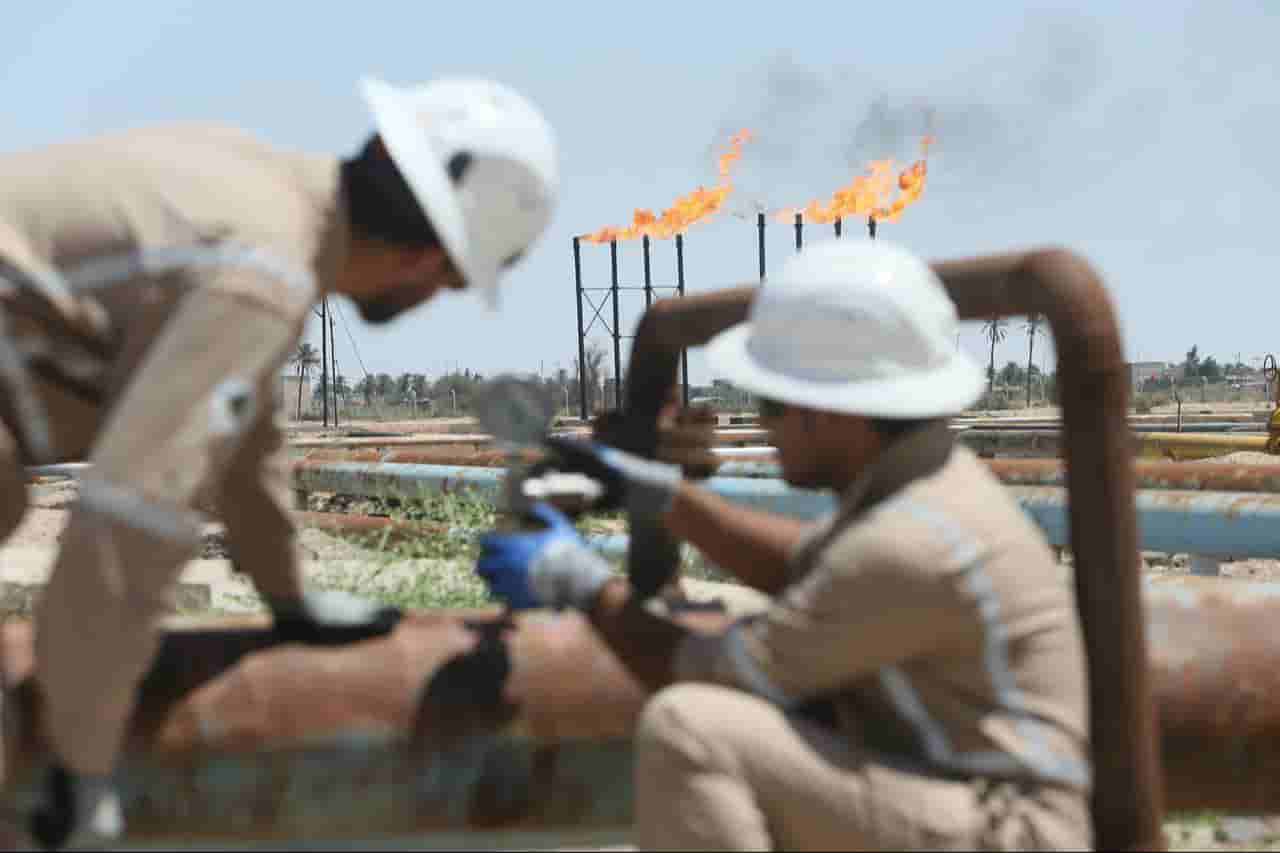
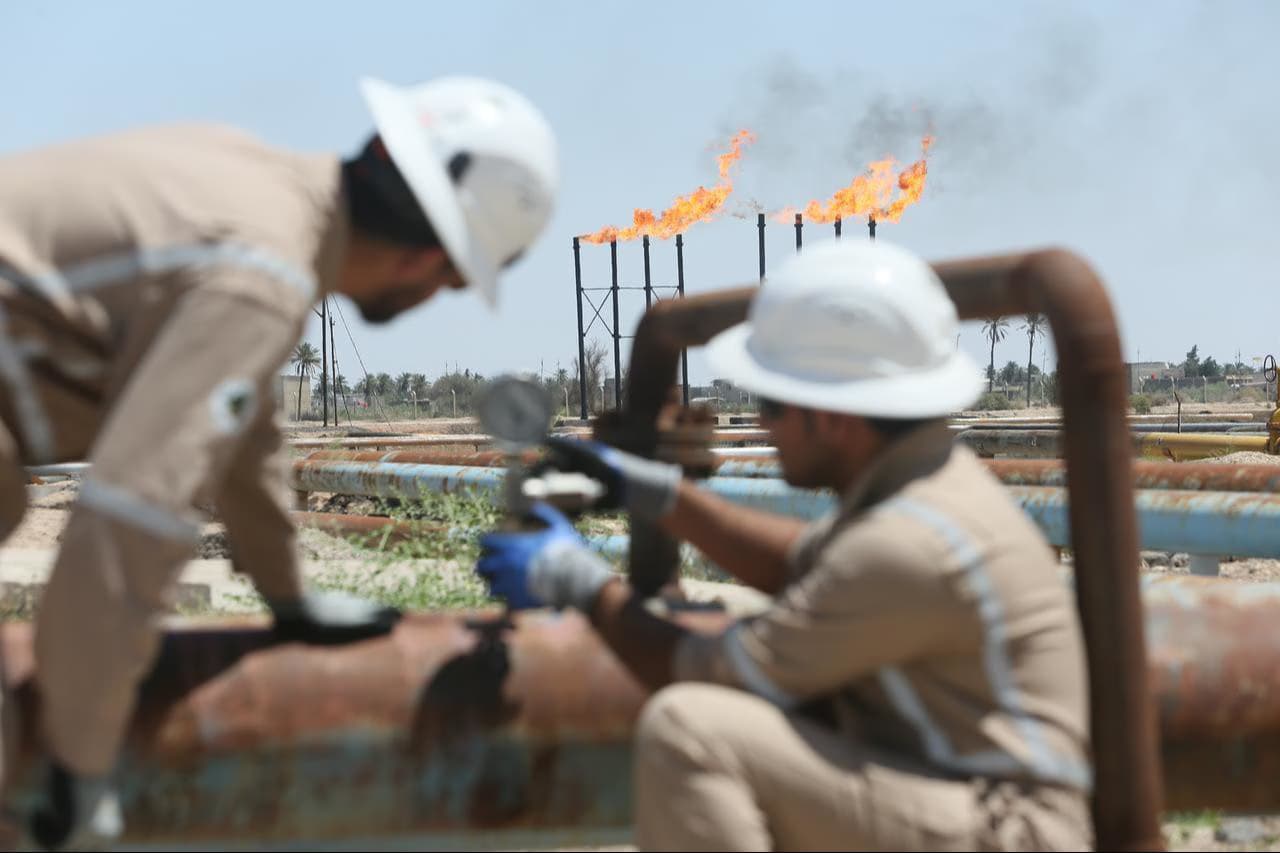
Energy Minister Mohammed Bashir said Syria needs $831 million in monthly financing to close the gap in its energy supply. At a People’s Assembly meeting, Bashir shared data on crude oil and petroleum product imports with lawmakers.
Bashir said the newly established Ministry of Energy had inherited a heavy legacy from the overthrown regime, adding that domestic production was far from meeting the country’s energy demand.
Fuel demand remains high
According to figures provided by Bashir, Syria’s daily diesel demand has reached 12 million liters, while gasoline demand stands at 8 million liters. Power plants and the industrial sector consume an average of 8,500 tons of fuel per day.
Daily demand for liquefied gas used by households for cooking was also put at approximately 1,300 tons.
Shortfall between production and demand
Bashir said Syria’s daily oil production remains at 112,000 barrels, leaving a gap of 200,000 barrels per day between demand and production. He said efforts were being made to cover the shortfall through shipments from abroad.
The daily capacity of the country’s oil refineries is 150,000 barrels, while imports of refined petroleum products also average 150,000 barrels per day.
Bashir said the number of vehicles rising from 2.5 million to 3.6 million had significantly increased fuel demand.
Natural gas imports continue
Bashir said Syria’s natural gas production was insufficient to meet domestic consumption, adding that a total of 6.3 million cubic meters of gas is imported each day from Azerbaijan and from a liquefied natural gas carrier located at Jordan’s Port of Aqaba.
Bashir said natural gas imports cost approximately $140 million a month, adding that contracts negotiated for direct deliveries are sometimes used because of the global energy crisis.
Oil field infrastructure is being rebuilt
Bashir said Syria has 78 oil fields and that work to rebuild the infrastructure is continuing. He also said some wells posing security risks had been temporarily shut down.