A significant step has been taken in diplomatic talks between the US and Iran. Iran's chief negotiator, Mohammad Bagher Ghalibaf, announced that an agreement had been reached for the US to release $12 billion in frozen Iranian funds following talks in Switzerland.
Temporary easing of sanctions
The US Treasury Department has temporarily suspended sanctions on the sale of Iranian crude oil, petrochemicals, and petroleum products until August 21, in exchange for Iran's acceptance of the return of international nuclear inspectors to the country.
Iran's Central Bank Governor, Abdolnaser Hemmati, denied claims that the released funds would be used to purchase US agricultural products. Hemmati stated that the first $6 billion could be used for purchasing essential goods and medicine.
Regional developments
Oman's Foreign Minister, Badr al-Busaidi, reiterated the commitment to 'free passage' in the Strait of Hormuz. Former US Ambassador Henry Ensher stated that the release of frozen assets and the resumption of maritime traffic in the Strait of Hormuz showed that Washington and Tehran had gotten what they wanted.
Iran's Foreign Minister, Abbas Araghchi, arrived in Islamabad, the capital of Pakistan, for an official visit. Iranian President Masoud Pezeshkian will also travel to Pakistan for talks.
Situation in Lebanon
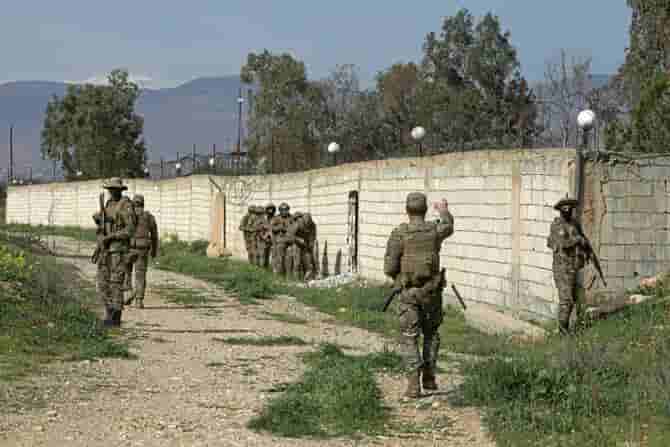
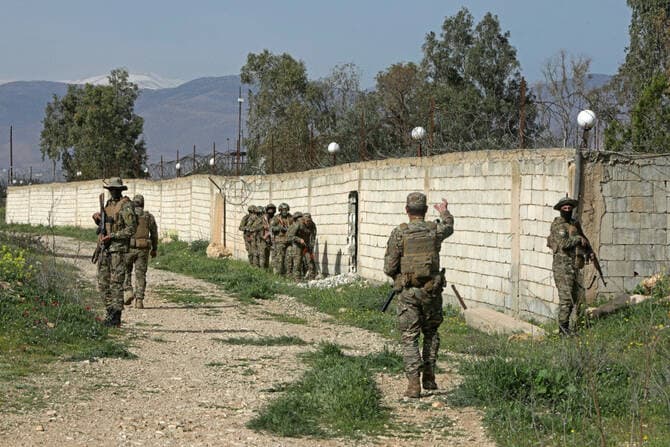
Israeli forces killed two people and wounded one in the town of Nabatiyeh al-Fawqa, Lebanon. Hezbollah described this deadly attack as a 'clear violation' of the ceasefire.
Mahmoud Kamati, Deputy Head of Hezbollah's Political Council, warned that the Lebanese group would respond if Israel violated the ceasefire.
Israeli Prime Minister Benjamin Netanyahu, Defense Minister Israel Katz, and Chief of Staff Eyal Zamir announced that Israeli forces would continue to occupy southern Lebanon. It was reported that Israel and Lebanon would begin direct talks in Washington DC.