- BIST10011,152+0.31%
- USD49.65+0.05%
- EUR55.60-0.19%
- GOLD4,026.80+0.47%
- INTEREST36.00%-1.00
- BITCOIN79,744-0.37%
- October 26, 202617°
- BIST10011,152+0.31%
- USD49.65+0.05%
- EUR55.60-0.19%
- GOLD4,026.80+0.47%
- INTEREST36.00%-1.00
- BITCOIN79,744-0.37%
- October 26, 202617°
Algeria sends army units to Niger after parliamentary approval
The Algerian presidency announced that President Abdelmadjid Tebboune had decided to send units of the People’s National Army to Niger to protect shared energy and economic interests, after the People’s National Assembly unanimously approved the decision.
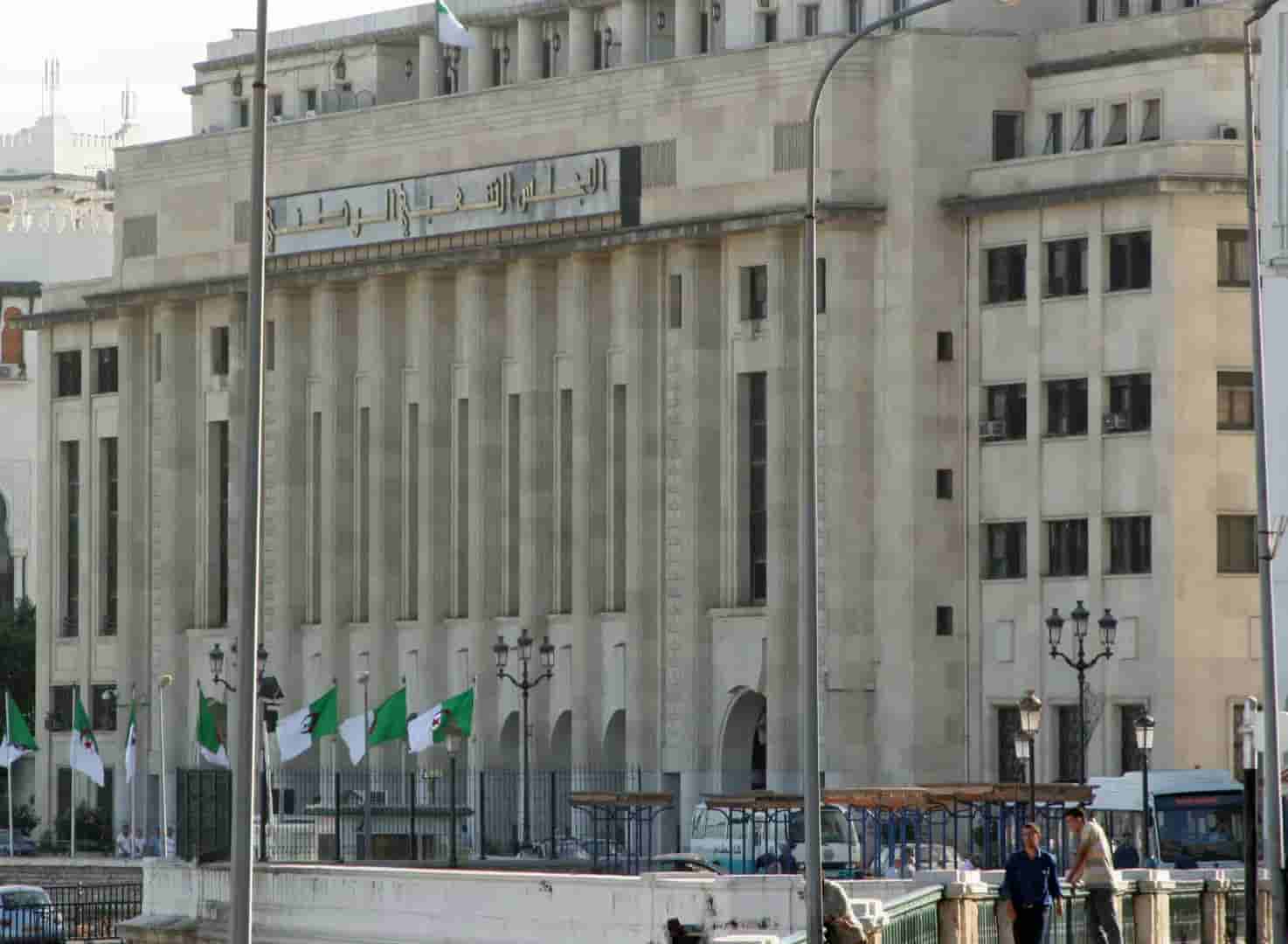
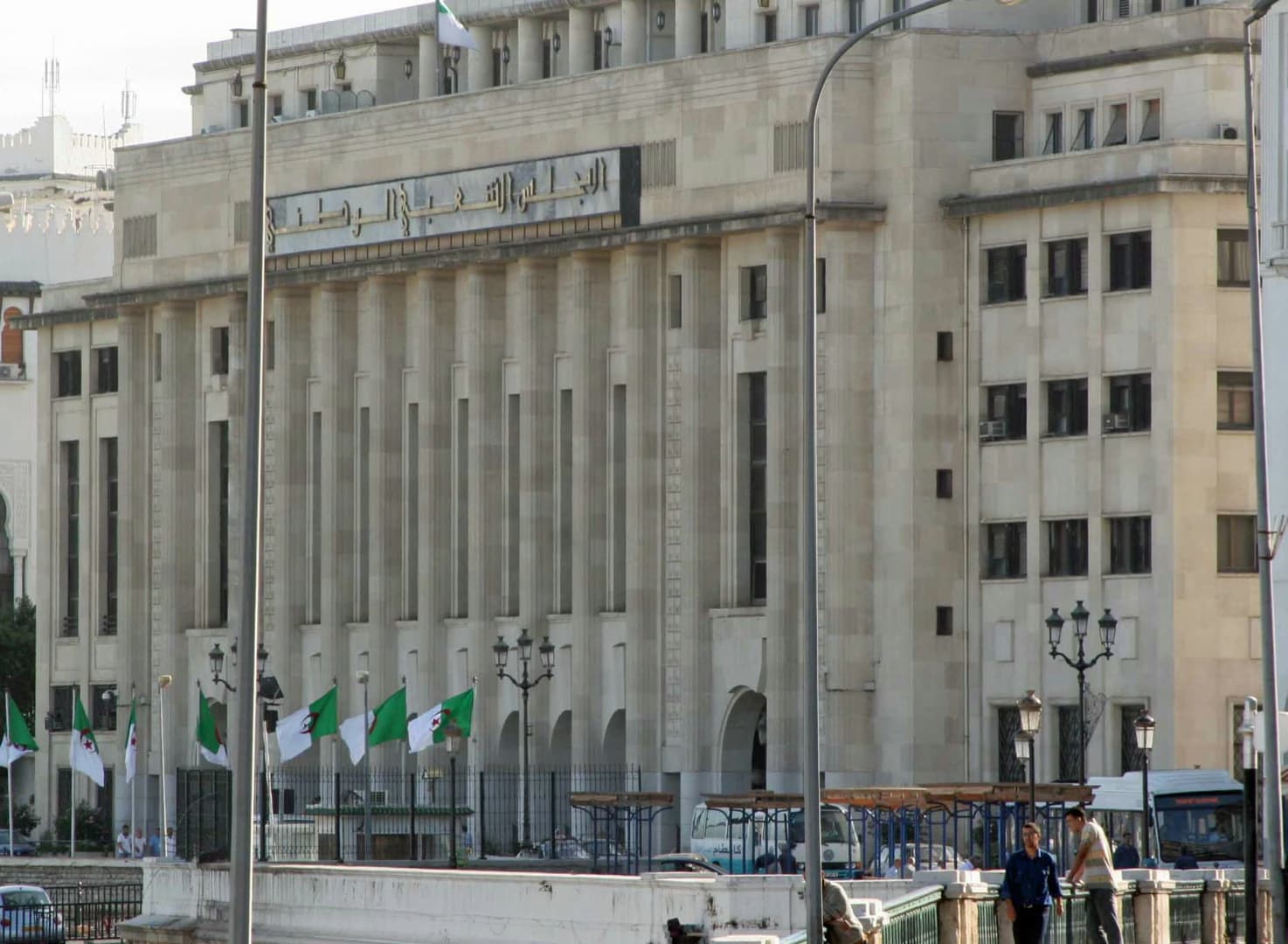
The Algerian presidency announced Monday that President Abdelmadjid Tebboune, in his capacity as supreme commander of the armed forces and minister of national defense, had decided to send units of the People’s National Army to Niger to protect the two countries’ shared energy and economic interests, at the request of the Nigerien authorities.
The decision came after the People’s National Assembly, the lower house of parliament, unanimously approved the deployment of the units on Sunday, following approval of the proposal by the Council of the Nation, the upper house. The two sessions were held behind closed doors.
Algeria’s Constitution requires approval by a two-thirds majority of the members of each chamber before army units can be sent outside the country. The presidency based its decision on Articles 30 and 91 of the Constitution.
First deployment since 1973
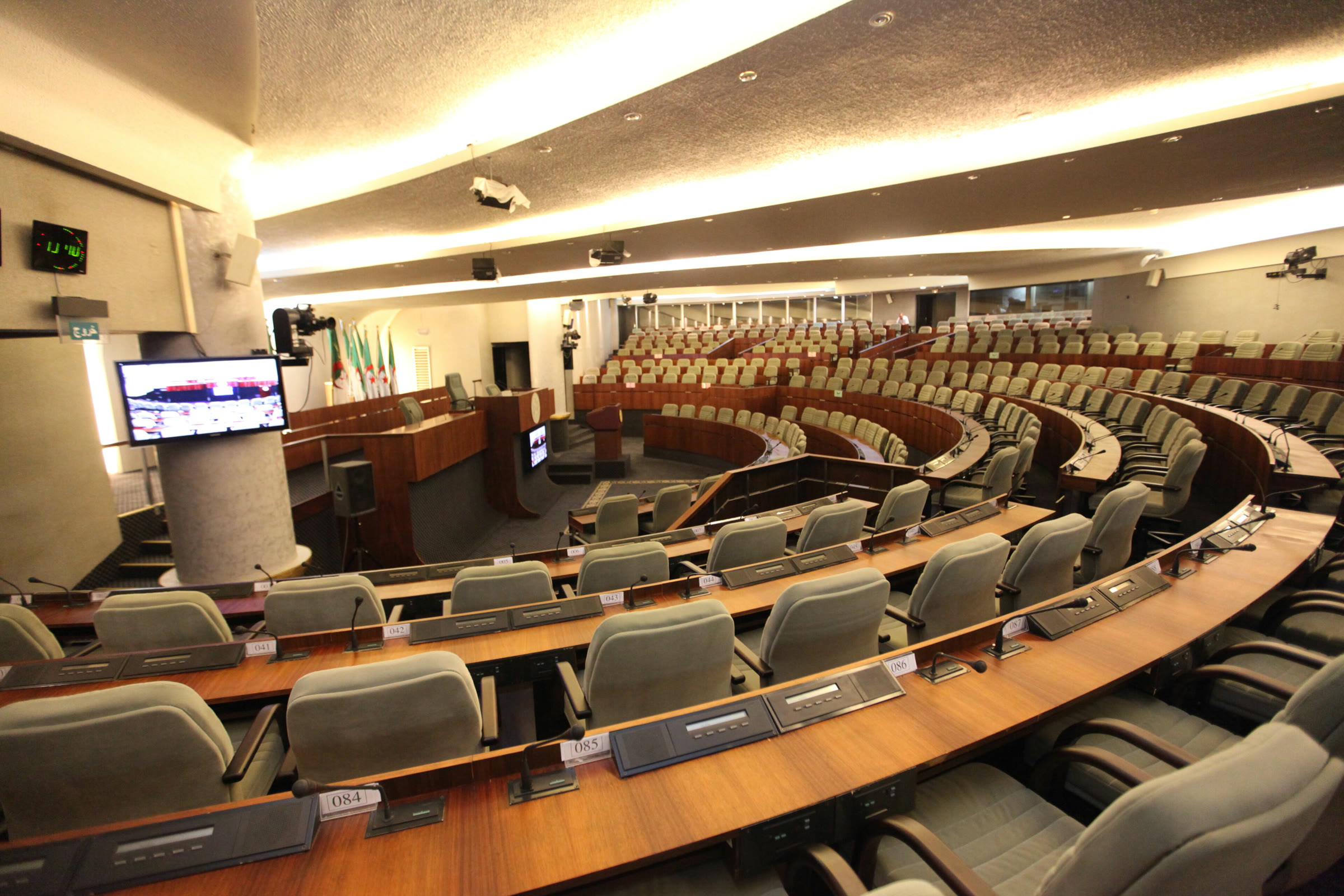
This is the first official deployment of Algerian army units on the territory of another country with parliamentary approval since the 1973 Arab-Israeli war. Before the decision, Algeria had sent fighter jets to Niamey on a mission to support the Nigerien army, following an attack by rebel soldiers on the airport and presidential palace in late August.
The two countries share a desert border stretching about 960 kilometers and have agreed to deepen cooperation against armed groups, transnational crime and drug trafficking.
Energy interests take center stage
In July, Algeria inaugurated a 40-megawatt power station to supply Niamey and surrounding areas with electricity. In June, it began work on its section of the Trans-Saharan Gas Pipeline, which is more than 4,000 kilometers long and aims to transport Nigerian gas to Europe through Niger and Algeria. Sonatrach also began drilling an oil well in northern Niger near the Algerian border in August.
Jeff Porter of North Africa Risk Consulting told Agence France-Presse that the move “embodies a shift in Algerian policy,” saying Algeria now prefers “an actual physical presence” over dialogue alone.
Have a story, event or announcement of your own?Send us your news on WhatsApp
Spotted an error in this story?Report it on WhatsApp
Share on all social platforms
Sponsored Ads
Featured Listings
Loading featured properties...
Stay Updated with Hilal Times
Subscribe to be informed about special news, developments and announcements. We will keep you informed.
By signing up, you agree to our Privacy Policy