- BIST10010,977-1.69%
- USD49.79+0.05%
- EUR55.52-0.41%
- GOLD4,004.10-0.68%
- INTEREST36.00%-1.00
- BITCOIN77,865+0.09%
- October 30, 202615°
- BIST10010,977-1.69%
- USD49.79+0.05%
- EUR55.52-0.41%
- GOLD4,004.10-0.68%
- INTEREST36.00%-1.00
- BITCOIN77,865+0.09%
- October 30, 202615°
Arab parties win 19 Knesset seats as vote count nears completion
With 98.82% of votes counted in Israel's Knesset election, Arab parties won 19 seats, their best result ever. Netanyahu's bloc secured 53 seats and Eisenkot's bloc 48, leaving neither with the 61-seat majority needed to form a government.
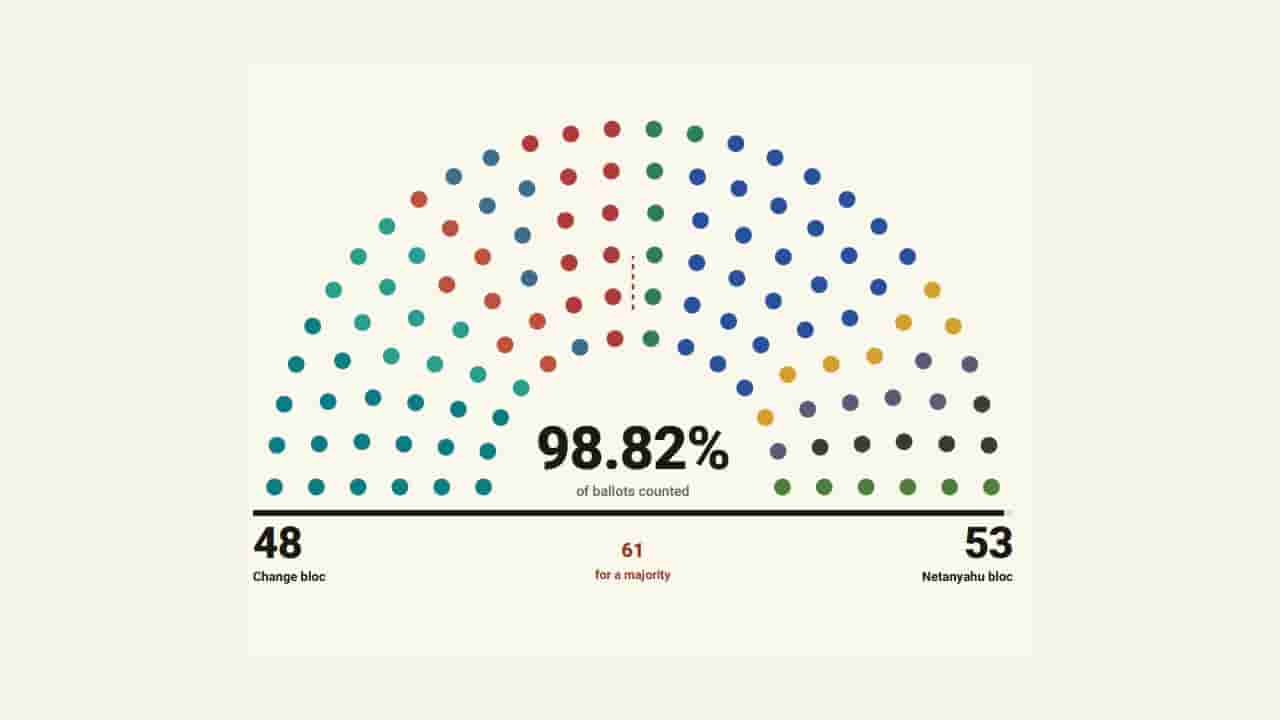
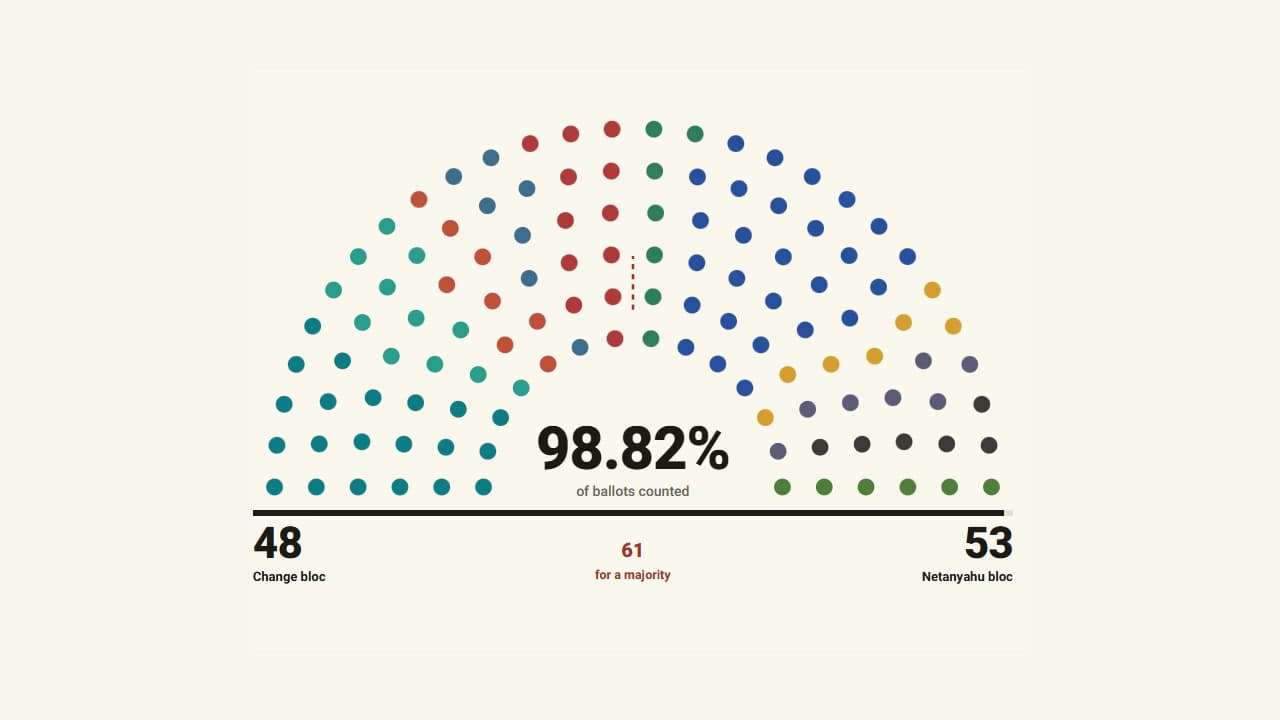
Arab parties in Israel achieved their best result ever by winning 19 seats in the Knesset, based on results after 98.82% of votes were counted in the election held on October 27. They surpassed their previous record of 15 seats, set in the March 2020 election.
Prime Minister Benjamin Netanyahu's bloc won 53 seats, while the change bloc led by Gadi Eisenkot secured 48 seats. Forming a government requires 61 of the Knesset's 120 seats.
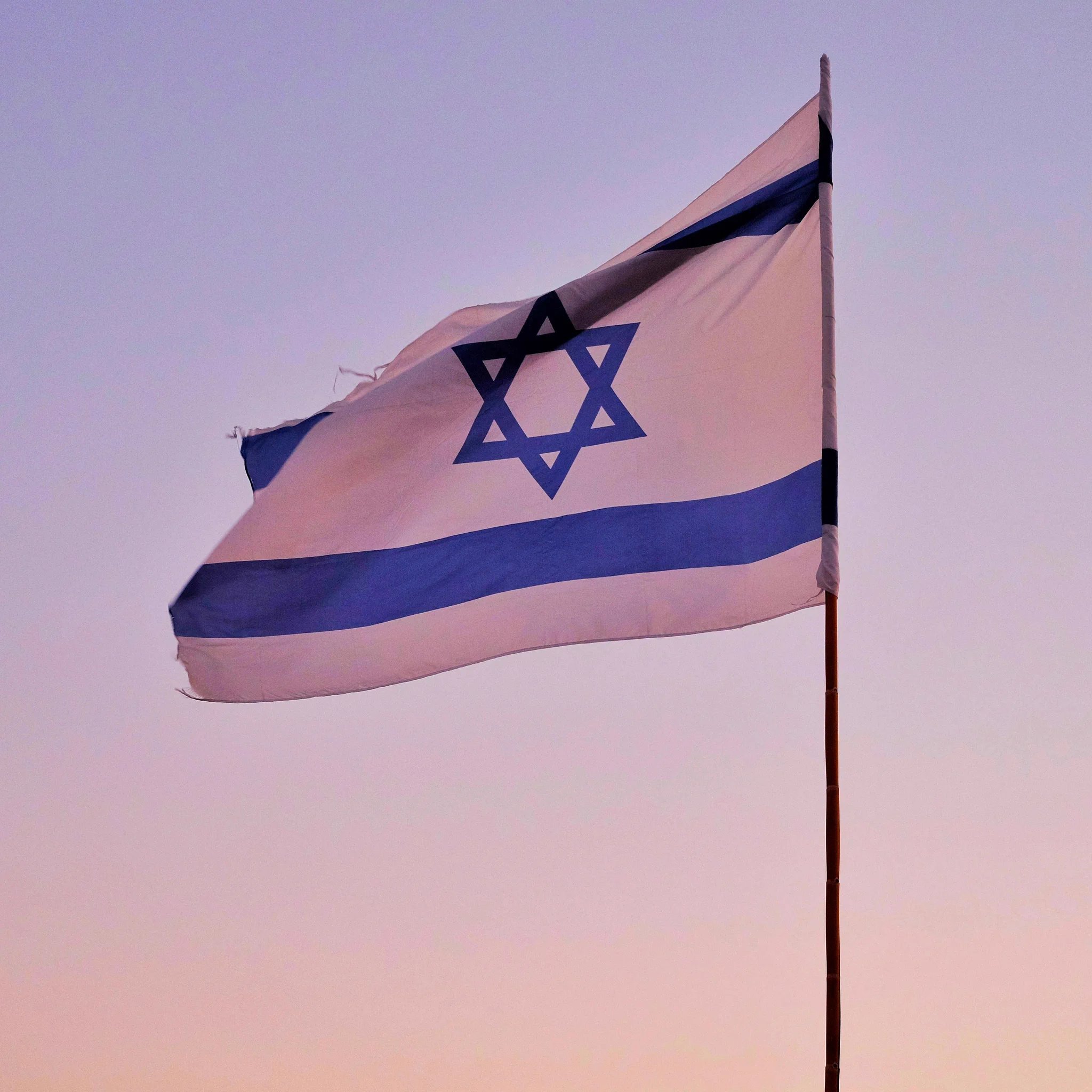
Seat distribution among the parties
- Likud (Benjamin Netanyahu): 26 seats, Netanyahu bloc;
- Yashar (Gadi Eisenkot): 21 seats, change bloc;
- Joint List (Yusuf Jabareen): 13 seats, Arab parties;
- Together (Naftali Bennett): 12 seats, change bloc;
- Democrats (Yair Golan): 8 seats, change bloc;
- Yisrael Beiteinu (Avigdor Lieberman): 7 seats, change bloc;
- United Torah Judaism: 7 seats, Netanyahu bloc;
- Shas (Aryeh Deri): 7 seats, Netanyahu bloc;
- Otzma Yehudit (Itamar Ben-Gvir): 7 seats, Netanyahu bloc;
- United Arab List (Mansour Abbas): 6 seats, Arab parties;
- Religious Zionism (Bezalel Smotrich): 6 seats, Netanyahu bloc.
The parties' seat totals could change slightly after more than 500,000 double-envelope ballots are counted. These ballots belong to soldiers, police officers and diplomats, with final results expected to be announced on Thursday evening. Voter turnout reached 77.7%, the highest in more than two decades.
Arab strongholds vote heavily for the United Arab List
Local results showed the United Arab List holding a substantial lead in several Arab towns. It won 83.6% of the vote in Rahat, 86.6% in Kuseife and 74.06% in Kafr Qasim, compared with 14.7%, 9.9% and 22.9%, respectively, for the Joint List.
Arab parties emerge as kingmakers
- Netanyahu bloc (Likud, Shas, United Torah Judaism, Otzma Yehudit, Religious Zionism): 53;
- Change bloc (Yashar, Together, the Democrats, Yisrael Beiteinu): 48;
- Arab parties (Joint List, United Arab List): 19;
- Majority required: 61.
Eisenkot's bloc and the Arab parties together hold 67 seats, but their cooperation in a single government remains uncertain. Joint List leader Yusuf Jabareen announced that his party was ready to help bring down the government led by Netanyahu, while Eisenkot requires his partners to accept national service for everyone and recognize Hamas as a terrorist organization.
Likud questions the results
Likud, meanwhile, accused the Arab parties of “stealing” the election and called for an investigation, without publishing evidence to support the accusation. The Central Elections Committee said it was examining complaints from all parties as part of its regular procedures. Israel is likely to remain under a caretaker government during coalition negotiations.
Have a story, event or announcement of your own?Send us your news on WhatsApp
Spotted an error in this story?Report it on WhatsApp
Share on all social platforms
Sponsored Ads
Featured Listings
Loading featured properties...
Stay Updated with Hilal Times
Subscribe to be informed about special news, developments and announcements. We will keep you informed.
By signing up, you agree to our Privacy Policy