- BIST10011,483+1.32%
- USD50.07+0.05%
- EUR55.96-0.52%
- GOLD4,074.90-0.94%
- INTEREST36.00%-1.00
- BITCOIN75,704-0.07%
- November 8, 20267°
- BIST10011,483+1.32%
- USD50.07+0.05%
- EUR55.96-0.52%
- GOLD4,074.90-0.94%
- INTEREST36.00%-1.00
- BITCOIN75,704-0.07%
- November 8, 20267°
Calls for nuclear weapons enter Iran’s mainstream after wars with US, Israel
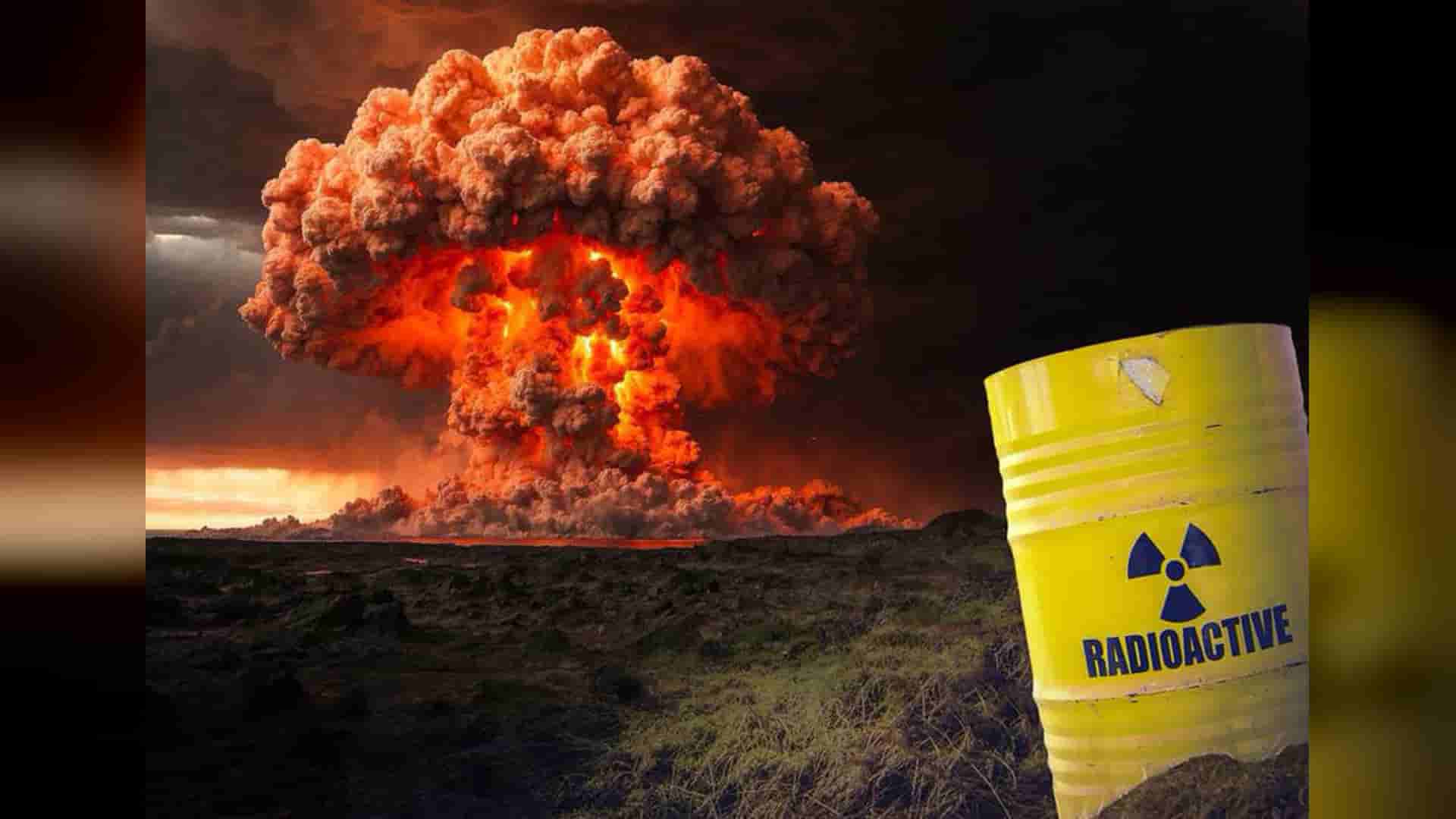
Calls by Iranian clerics, lawmakers and politicians to acquire nuclear weapons and withdraw from the Non-Proliferation Treaty are gaining ground, moving a once-marginal position to the center of public debate, The New York Times reported. Officials insist no new decision has been made on nuclear doctrine, while President Masoud Pezeshkian continues to uphold the peaceful nature of the program.
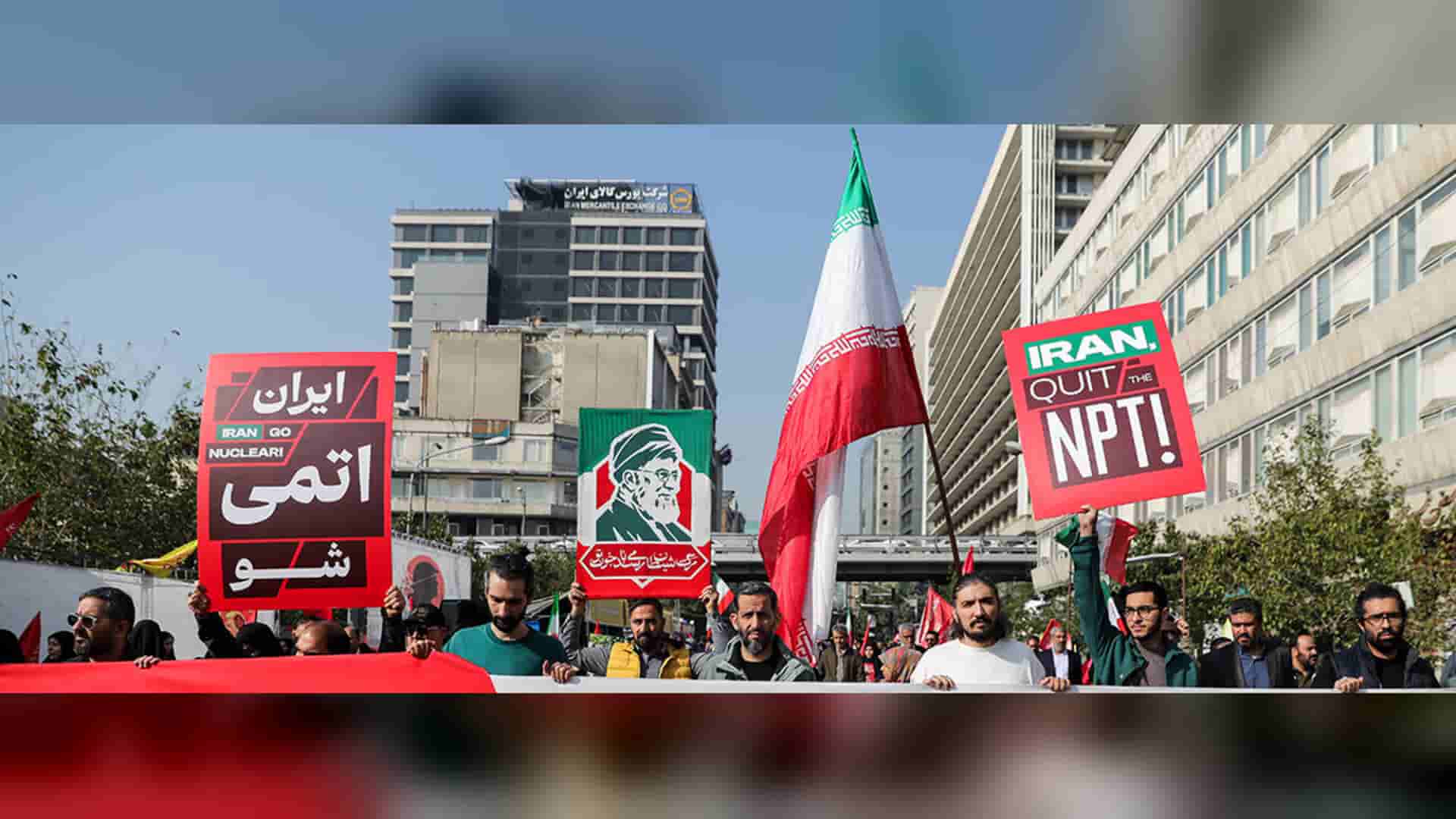
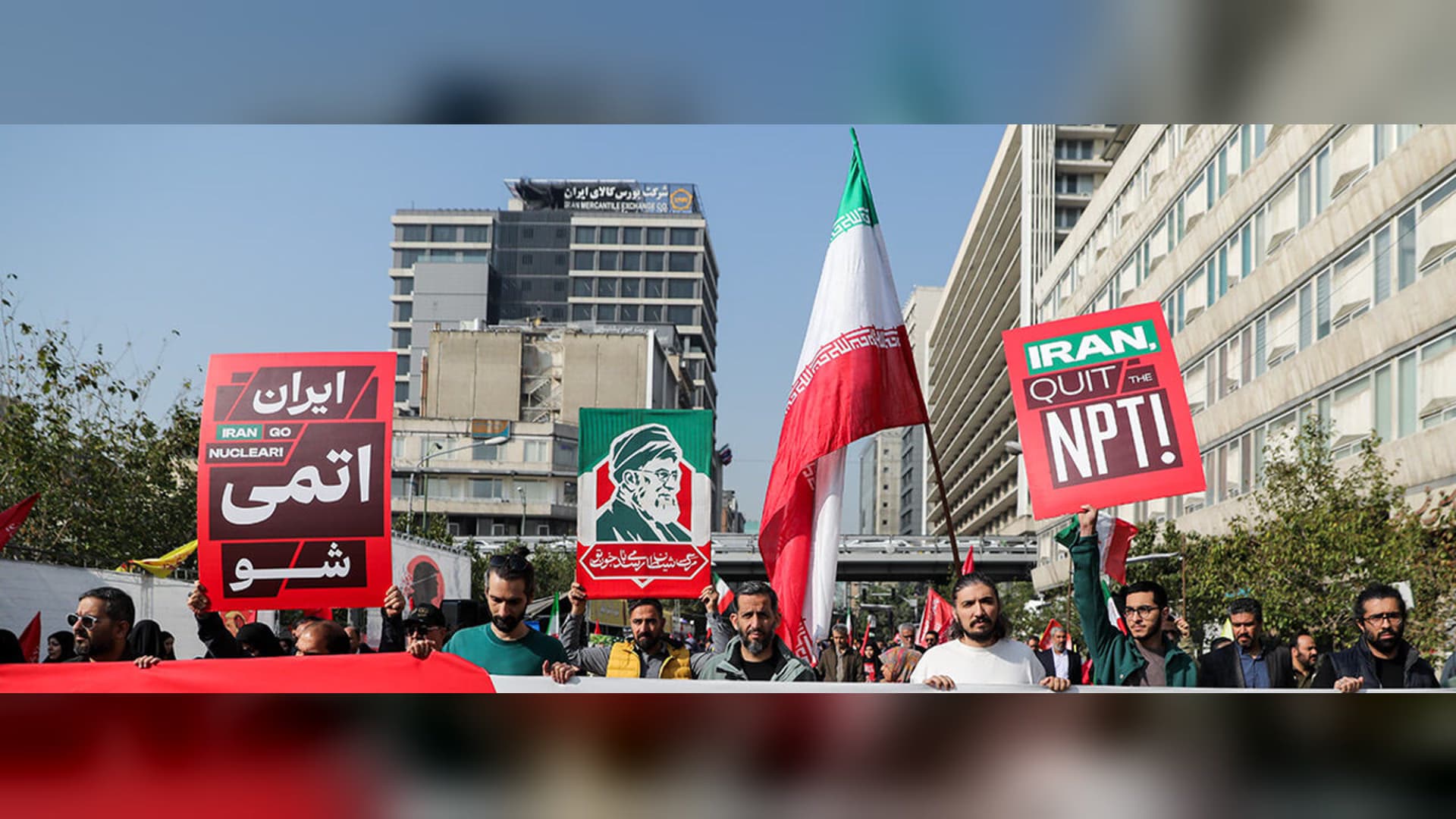
Calls for Iran to acquire nuclear weapons are gaining ground among clerics and political figures after the country fought two wars involving the United States and Israel since June 2025, moving a position once confined to the hard-line fringe into the heart of public debate, The New York Times reported on November 3.
The shift comes as Iranian leaders intensify diplomatic efforts to avoid another round of fighting after the U.S. midterm elections. The new rhetoric conflicts with Tehran’s longstanding insistence that its nuclear program is peaceful and with a fatwa issued by the late Supreme Leader Ali Khamenei banning the development and use of nuclear weapons. The fatwa had remained binding on state institutions, including the army and the Islamic Revolutionary Guard Corps, before Khamenei was killed in the war that began in late February.
From Friday sermons
During a Friday sermon last week in Kuhdasht in western Iran, the city’s Friday prayer leader, Ali Sebahvand, said: “We must possess nuclear weapons so that we can fight criminal America with strength, God willing.” Worshippers responded: “Nuclear deterrence is our undisputed right,” according to a widely circulated video cited by the newspaper.
In Tehran, interim Friday prayer leader Mohammad Javad Hajj Ali Akbari said in a sermon at the University of Tehran on October 30 that reconsidering the nuclear doctrine was “a demand of the Iranian nation.” He claimed that “more than 70%” of people supported it, citing surveys whose source he did not identify, Tasnim News Agency reported. When worshippers chanted an old slogan supporting nuclear energy, he said the debate had moved beyond that slogan, according to The New York Times.
Mohammad Ali Shabani, editor of Amwaj Media, said the clerics’ statements had removed a religious barrier to discussing nuclear weapons, although it remained uncertain whether a political or strategic shift would follow.
Ten proposals to withdraw from the treaty
The debate reached parliament. Alireza Salimi, a member of the presiding board of the Islamic Consultative Assembly, said on October 30 that several lawmakers had drafted a bill to withdraw from the Treaty on the Non-Proliferation of Nuclear Weapons and that it had been submitted to the assembly. He called for a review of the nuclear doctrine and said that “strategies must change.” Ebrahim Rezaei, a member of the National Security and Foreign Policy Committee, said 10 proposals to withdraw from the treaty had been registered, while lawmaker Mahmoud Nabavian wrote that “the time has come for the Iranian nation to withdraw from the Non-Proliferation Treaty and change the nuclear doctrine.”
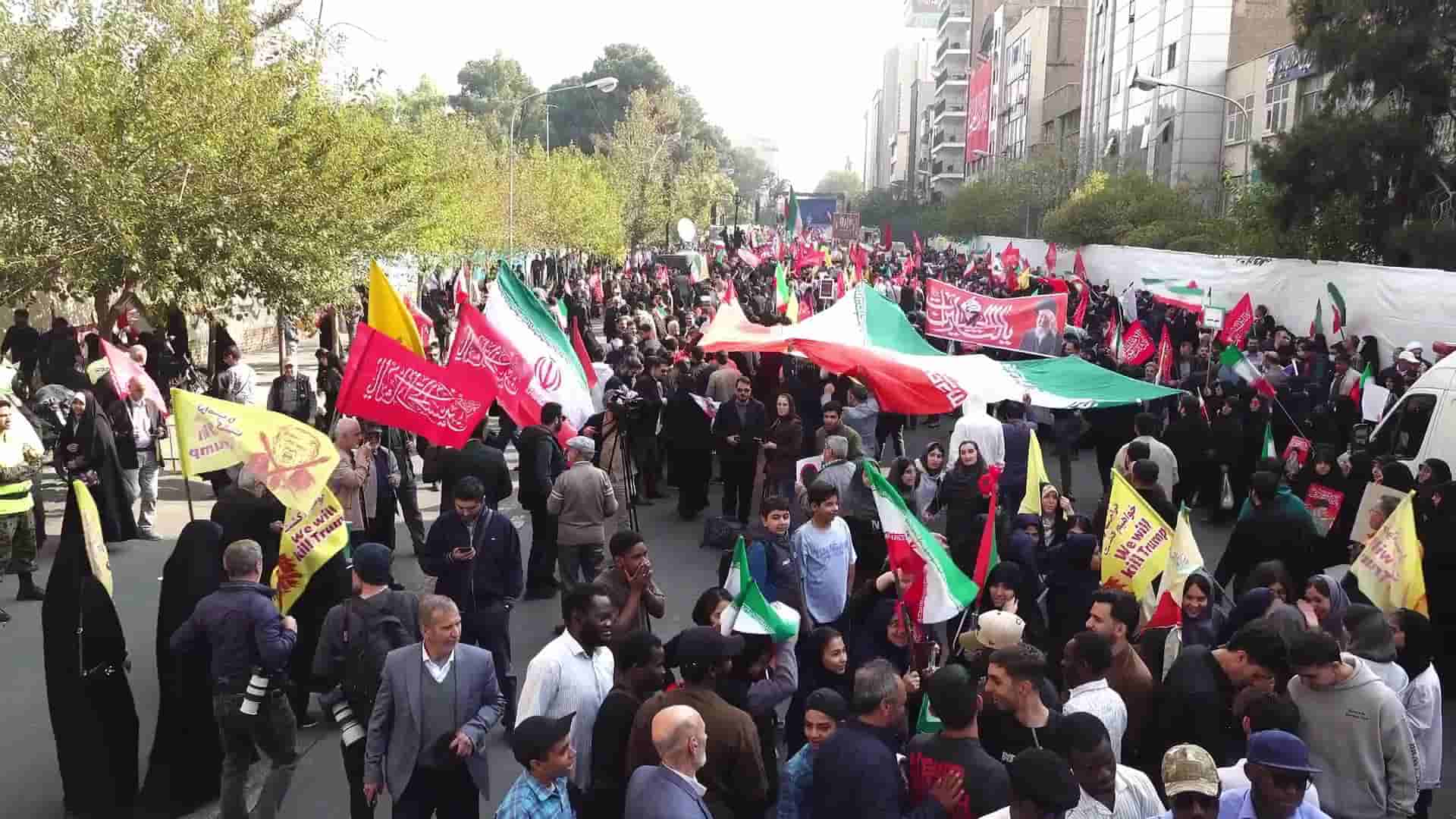
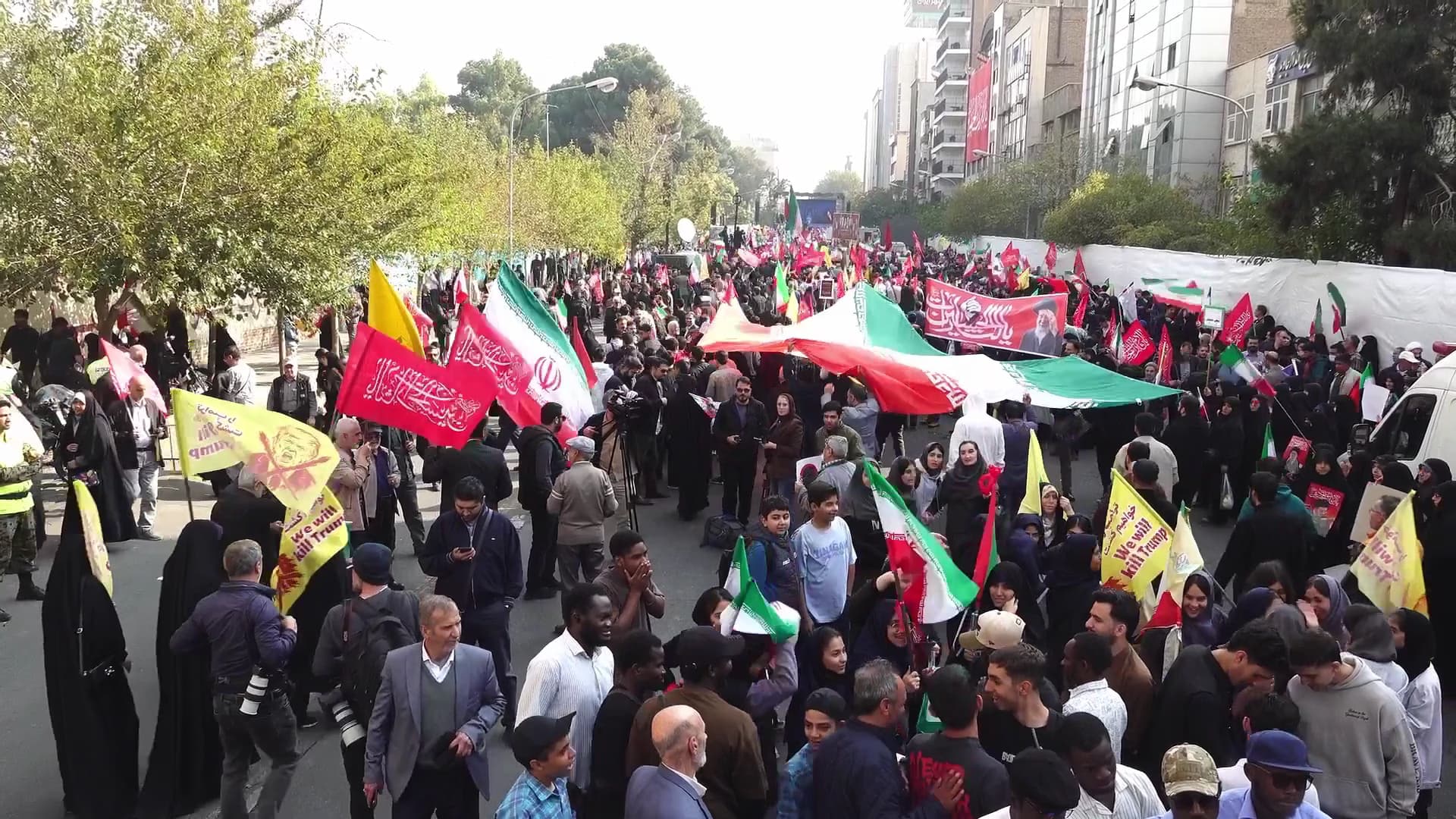
The hard-line Paydari Front also pressed parliament to withdraw from the treaty, arguing that membership had not protected Iran from U.S. and Israeli attacks. Tasnim, an agency close to the Islamic Revolutionary Guard Corps, meanwhile questioned the value of remaining in the treaty. The final statement of the “13 Aban” rallies on November 4 called for an “honorable withdrawal” from the treaty, while demonstrators in Tehran held signs reading “Iran, become nuclear” and “Iran, withdraw from the Non-Proliferation Treaty.”
“No new decision has been made”
Officials, however, insist that the state has not formally changed its position. Mohsen Rezaei, secretary of the Supreme National Security Council, told state television on October 31 that the leadership was discussing whether to retain its prewar doctrine if a new war broke out, adding that “no new decision has yet been made.” President Masoud Pezeshkian and former President Hassan Rouhani continue to uphold the peaceful nature of the program, while it remains unclear whether the debate has reached Supreme Leader Mojtaba Khamenei.
Former diplomat Kourosh Ahmadi warned in the reformist Shargh newspaper that these statements could undermine officials’ efforts to prevent another war and that pursuing a bomb could increase the risk of an attack before Iran acquired one. Foreign affairs expert Mohammad Qadri, speaking from Tehran, said that withdrawal from the treaty, once a minority view within the leadership, was becoming the majority view.
Analysts quoted by the newspaper said Khamenei had sought deterrence based on ambiguity without possessing a bomb, but that approach had not prevented the two wars. Before the latest war, the International Atomic Energy Agency estimated Iran’s stockpile of uranium enriched to 60% at about 440.9 kilograms. Uranium enriched to 90% is considered the level needed to make a weapon, while inspectors cannot fully verify the status of the stockpile after U.S. and Israeli strikes on Iran’s nuclear facilities. The treaty allows any state party to withdraw with three months’ advance notice.
The debate coincides with an escalation in rhetoric between Tehran and Washington after the U.S. elections. On Thursday, Parliament Speaker Mohammad Bagher Ghalibaf responded to a post by U.S. Vice President J.D. Vance analyzing the election results.
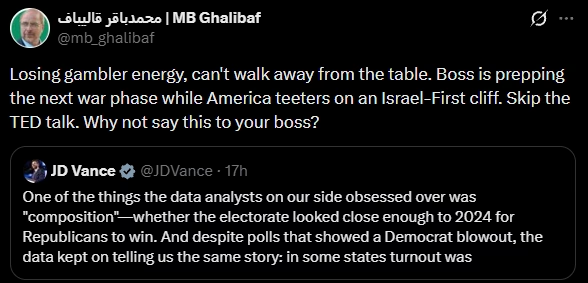
Ghalibaf wrote: “The energy of a losing gambler who cannot leave the table. The president is preparing for the next stage of the war while America teeters on the brink of an ‘Israel First’ abyss,” addressing Vance: “Why don’t you say this to your president?” The day after the vote, Ghalibaf had said that Americans had “said no to war.”
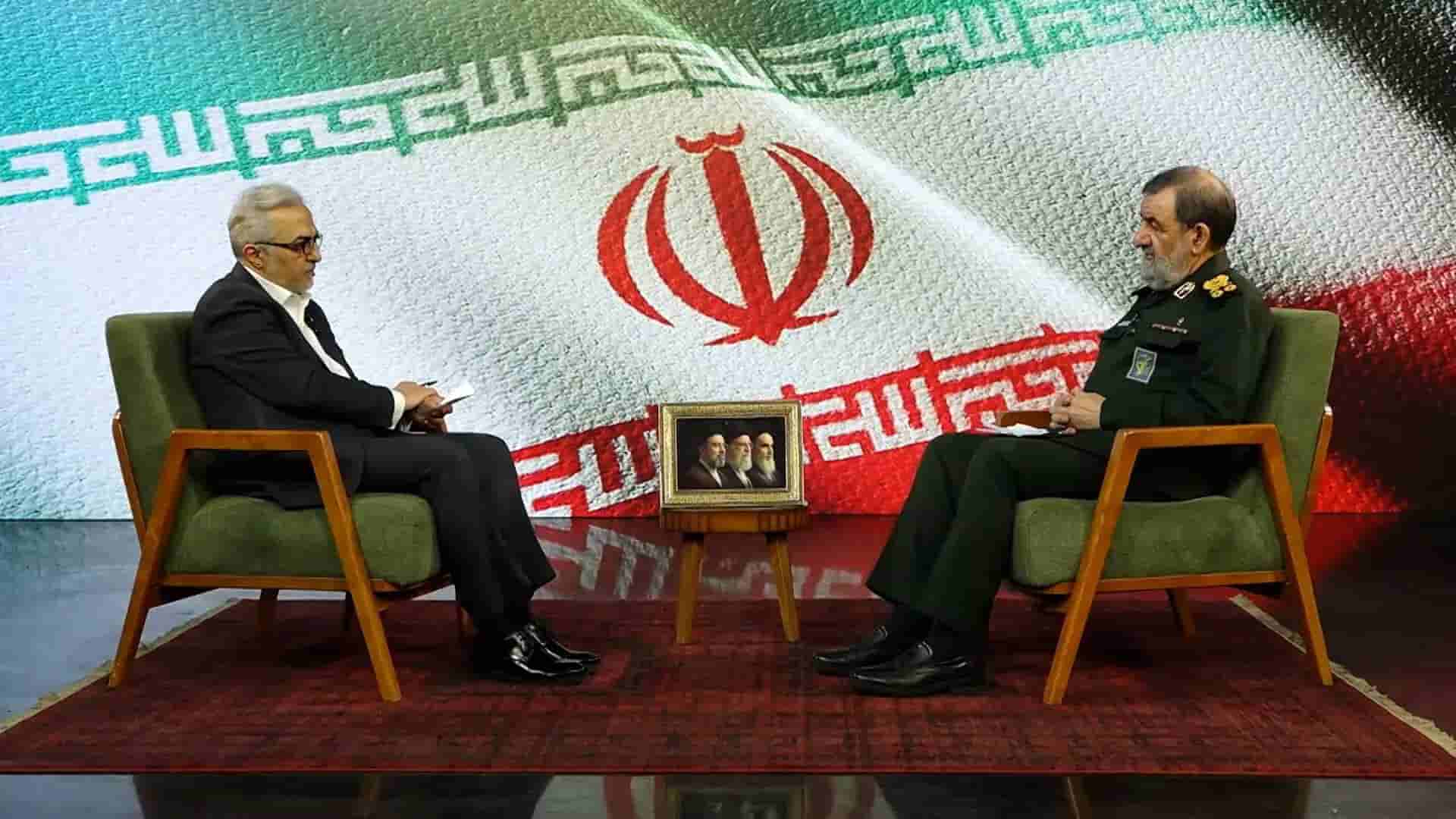
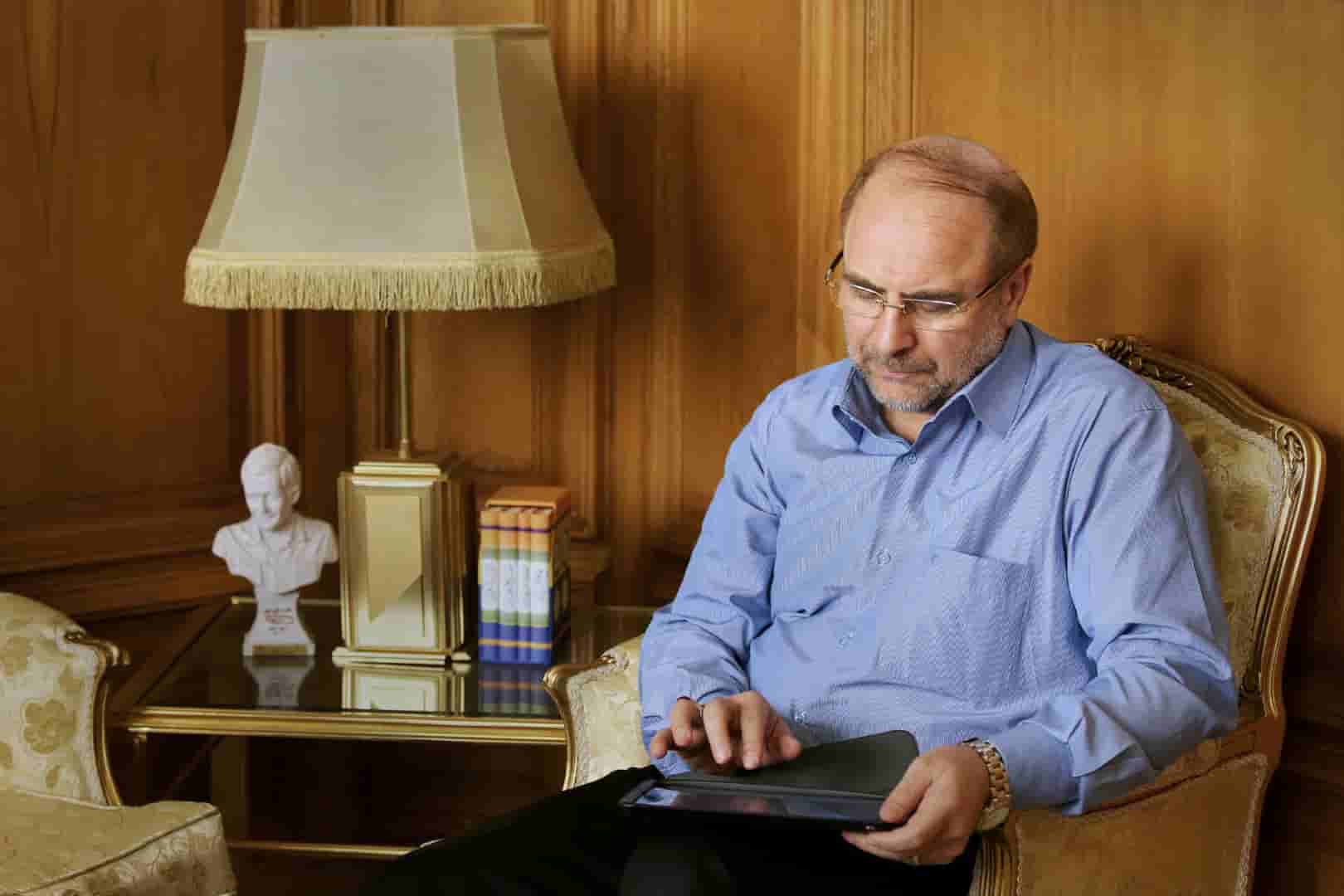
Cover photo: Hamid Reza Mehraban / Mehr News Agency (CC BY 4.0). In-text photo: X via Clash Report
Stay Updated with Hilal Times
Subscribe to be informed about special news, developments and announcements. We will keep you informed.
By signing up, you agree to our Privacy Policy