- BIST10010,962+1.88%
- USD49.86+0.15%
- EUR55.82+0.52%
- GOLD3,956.60+1.48%
- INTEREST36.00%-1.00
- BITCOIN76,700-1.96%
- November 3, 202616°
- BIST10010,962+1.88%
- USD49.86+0.15%
- EUR55.82+0.52%
- GOLD3,956.60+1.48%
- INTEREST36.00%-1.00
- BITCOIN76,700-1.96%
- November 3, 202616°
Rezaei says Iran may leave NPT if war breaks out again
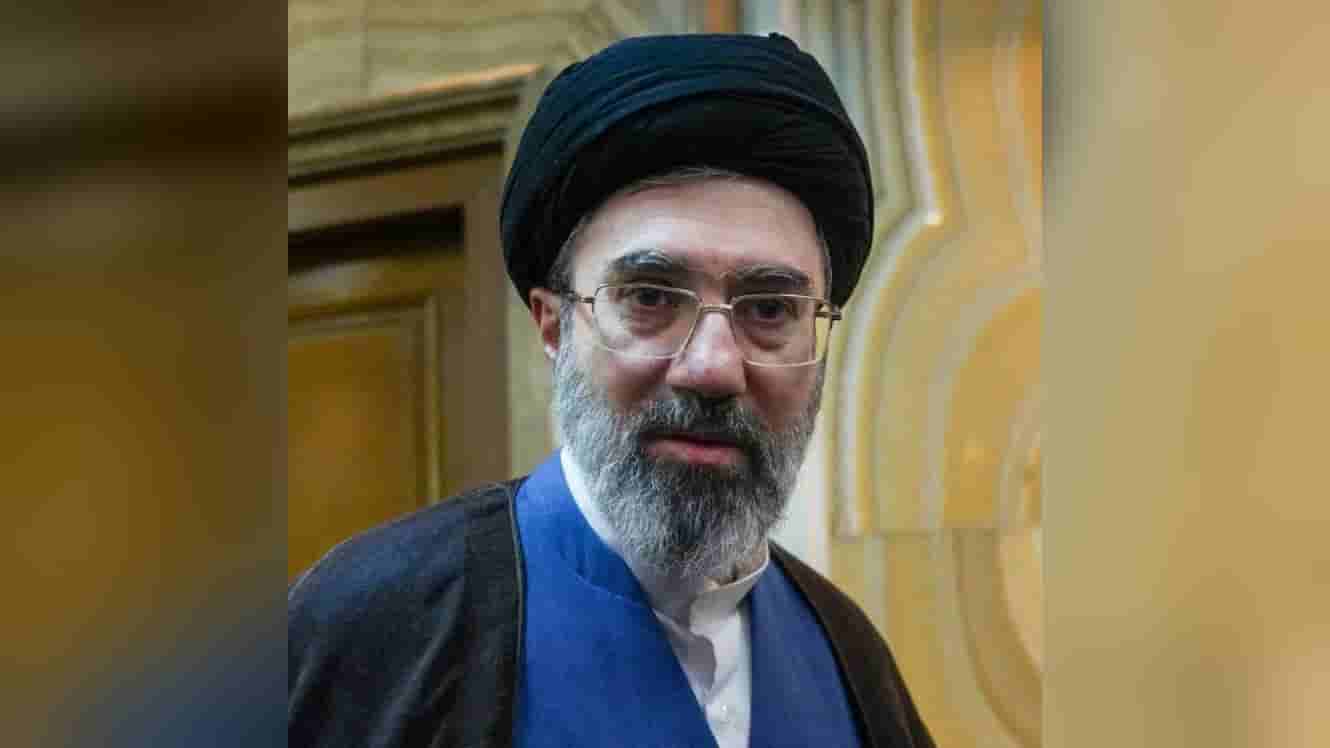
Iranian Supreme National Security Council Secretary Mohsen Rezaei said in a televised interview on Saturday evening that Iran’s continued membership in the Nuclear Non-Proliferation Treaty was not certain if war resumed. He also said that failing to punish Trump would encourage other countries to attack Iran.
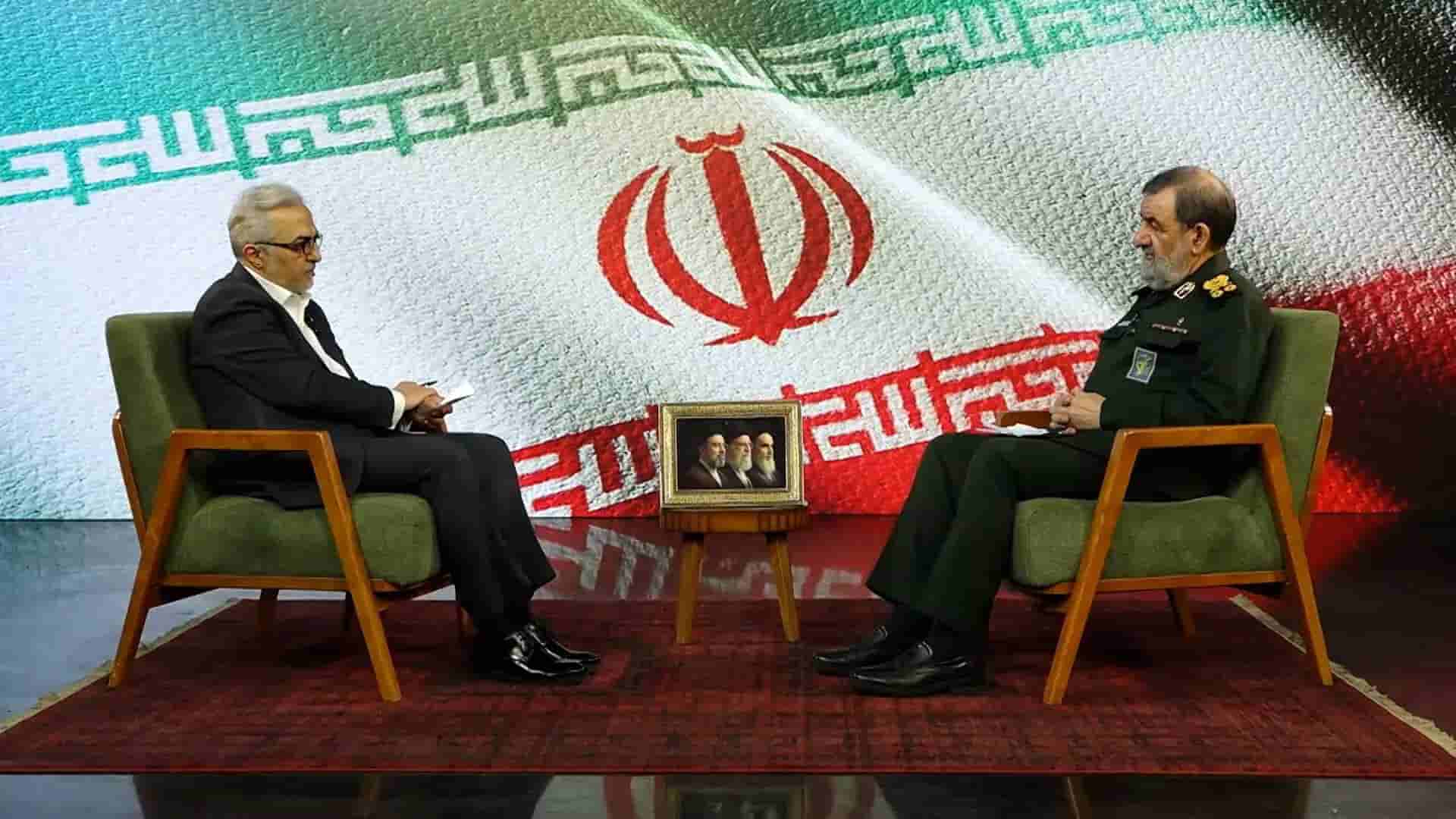
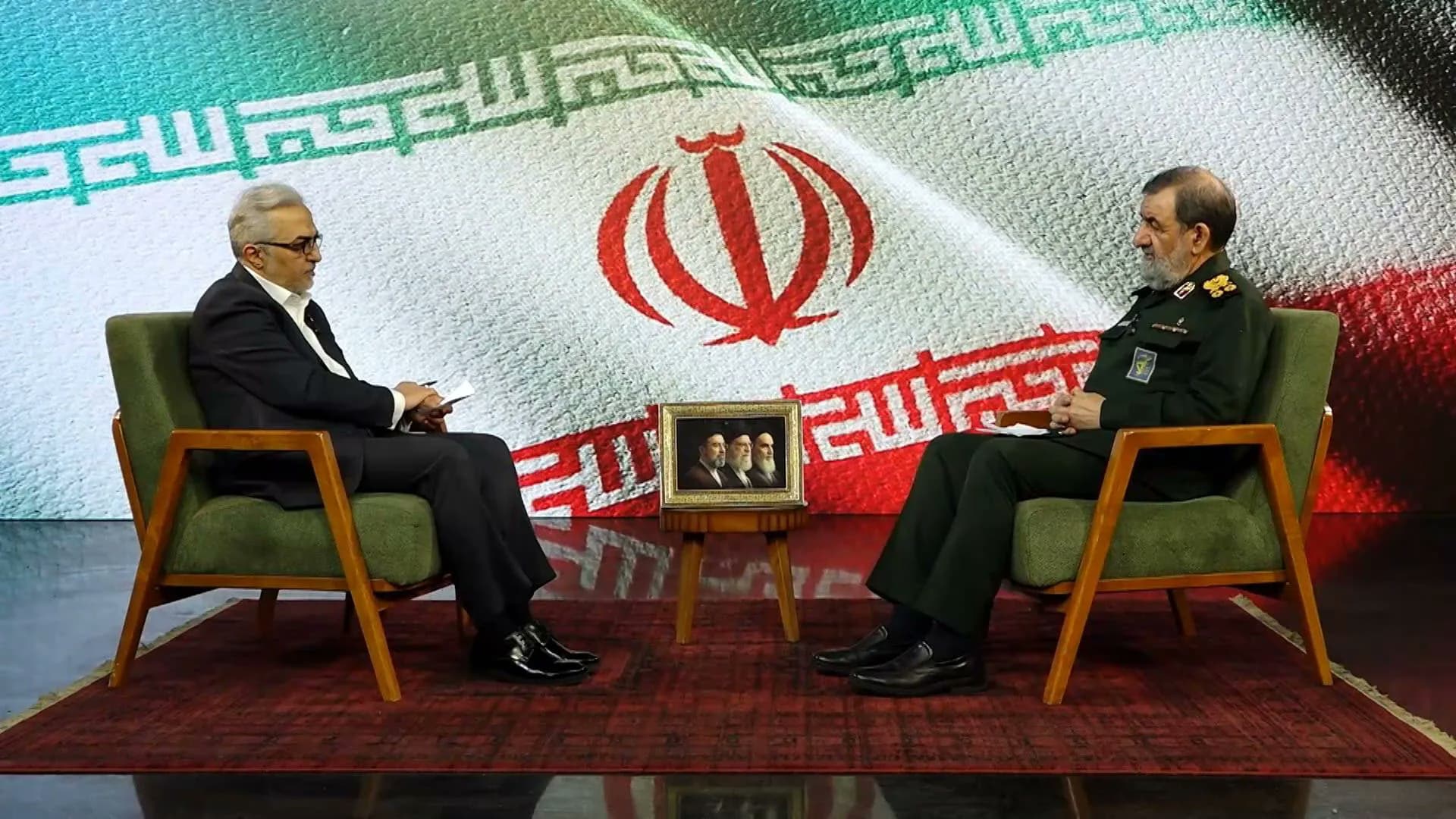
Iranian Supreme National Security Council Secretary Mohsen Rezaei said that Iran’s continued membership in the Nuclear Non-Proliferation Treaty was “not certain” if another war broke out. He made the remarks in an extended interview broadcast by the Islamic Republic of Iran Broadcasting’s Khabar network on Saturday evening, October 31, as part of the “Special News Dialogue” program.
Rezaei, a former commander of the Islamic Revolutionary Guard Corps and Mojtaba Khamenei’s representative on the council, discussed the future of the treaty and Iran’s nuclear doctrine, indirect correspondence with Washington, Tehran’s conditions for reopening the Strait of Hormuz, and his account of the four-way meeting Tehran hosted last week with officials from Saudi Arabia, Türkiye and Pakistan.
“No new decision has been made” on the nuclear doctrine
Rezaei said Iran is a party to the treaty and “has 22 rights,” adding that it would first demand those rights in any nuclear dialogue before discussing its obligations. He said there was “a popular demand” to change the nuclear doctrine after Iranian nuclear facilities were bombed despite being subject to inspections, but stressed that “no new decision has yet been made” at the state level. “The discussion is now on the table: If war breaks out again, do we want to maintain the same previous doctrine?” he said.
Rezaei attacked International Atomic Energy Agency Director General Rafael Grossi, describing him as a “mercenary and servant” of Israel. Rezaei told Al Jazeera in September that Tehran had not decided to withdraw from the treaty and that any such decision would depend on Washington’s conduct.
“If Trump is not punished”
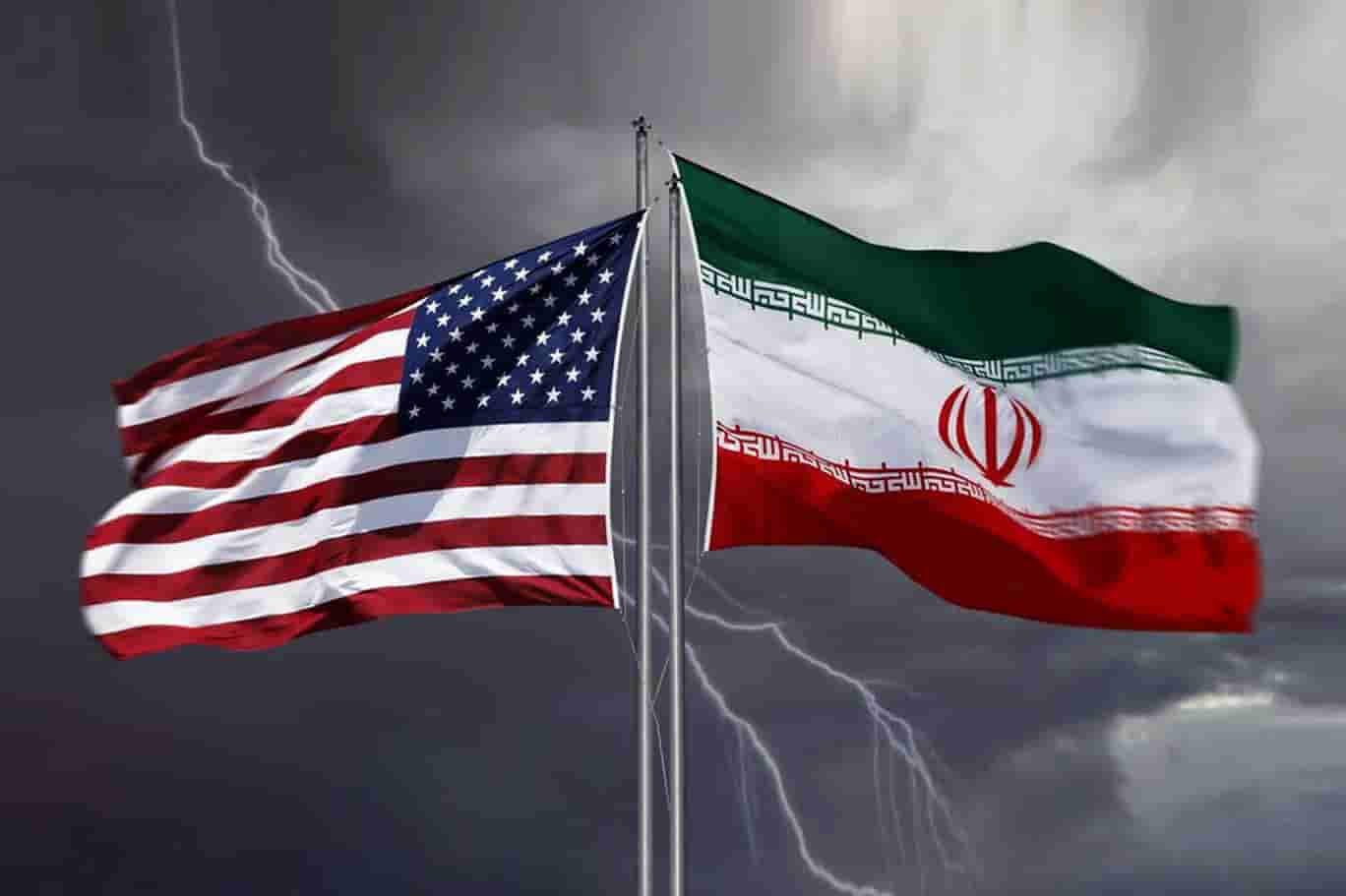
Rezaei defended Tehran’s insistence on “punishing” the United States, arguing that leaving U.S. President Donald Trump unpunished would lead other countries to believe that attacking Iran carried no consequences. “We are determined to end the war in a way that will prevent anyone from daring to attack Iran again,” he said.
He continued: “Some people ask: Why do you insist on punishing America? Do you have something in your hands that you do not want to reveal? Yes, we have something.” He added: “If war starts, we will break America’s horns in a way that will show us what this hornless cow can do in the world afterward.”
Hormuz and the seven conditions
Rezaei warned that “if the enemy makes any foolish move, it will face devastating strikes and honorable defense.” The interview came on the same day that Mojtaba Khamenei ordered the armed forces to respond immediately and without geographical limits to any attack.
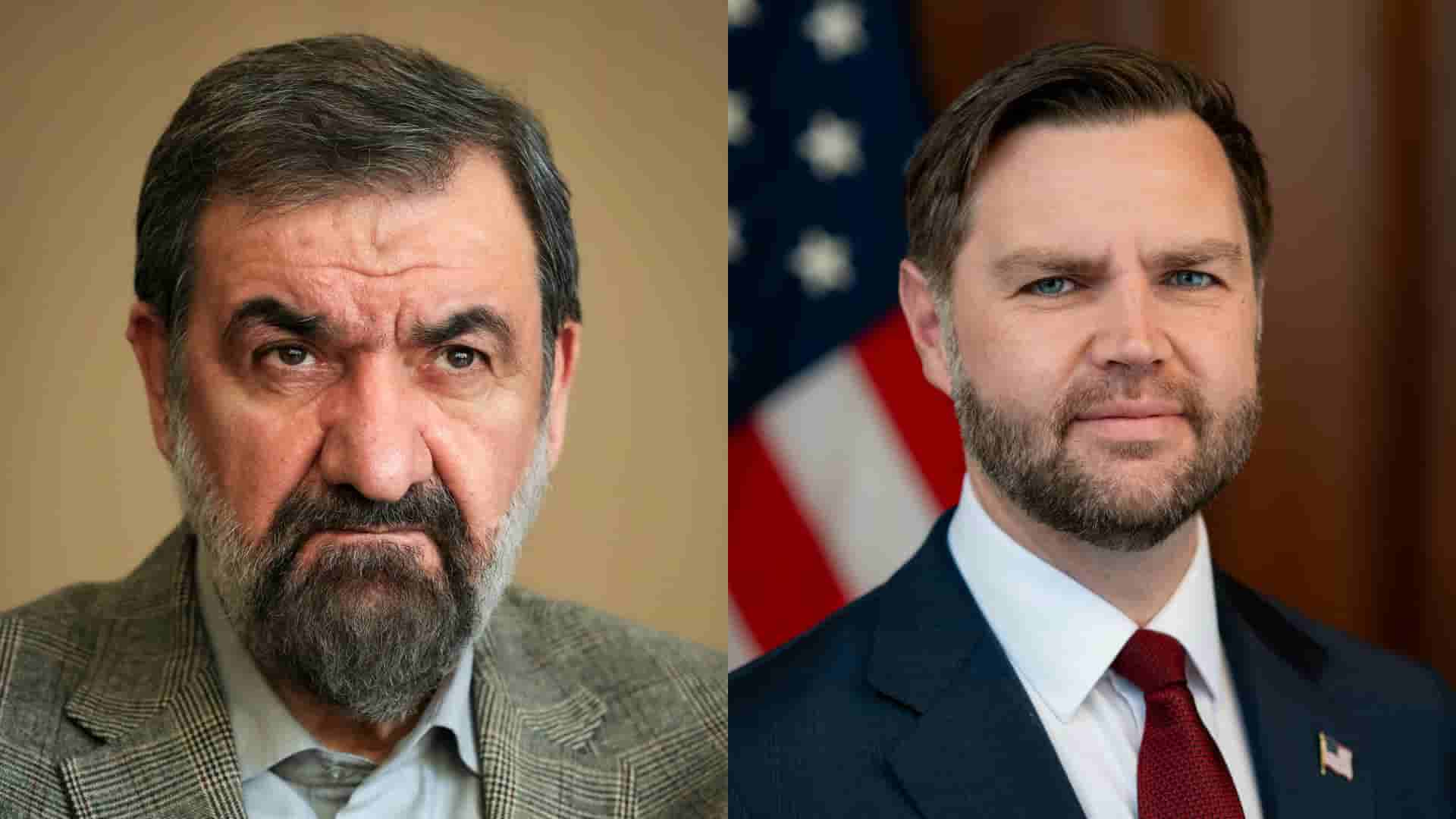
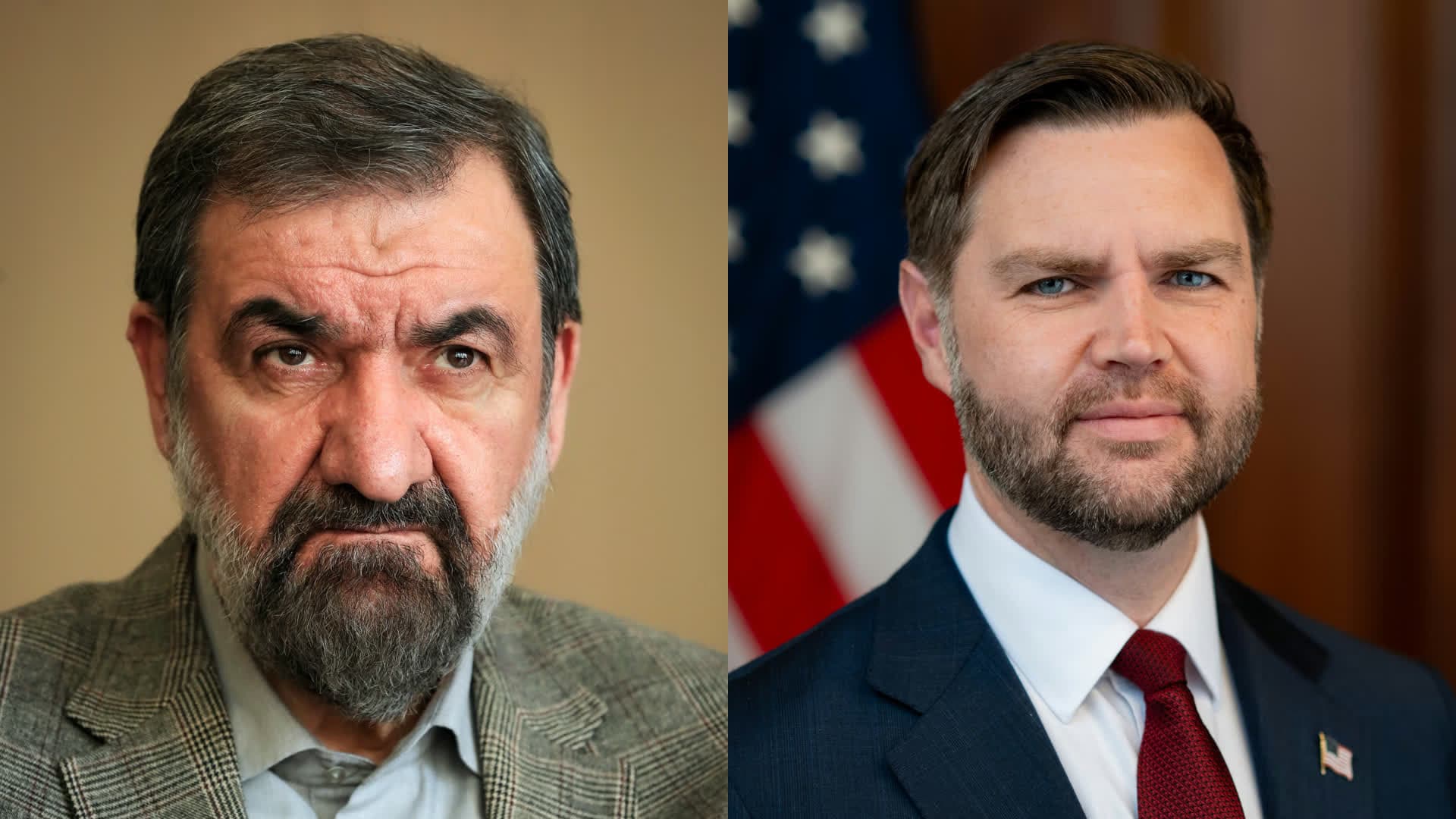
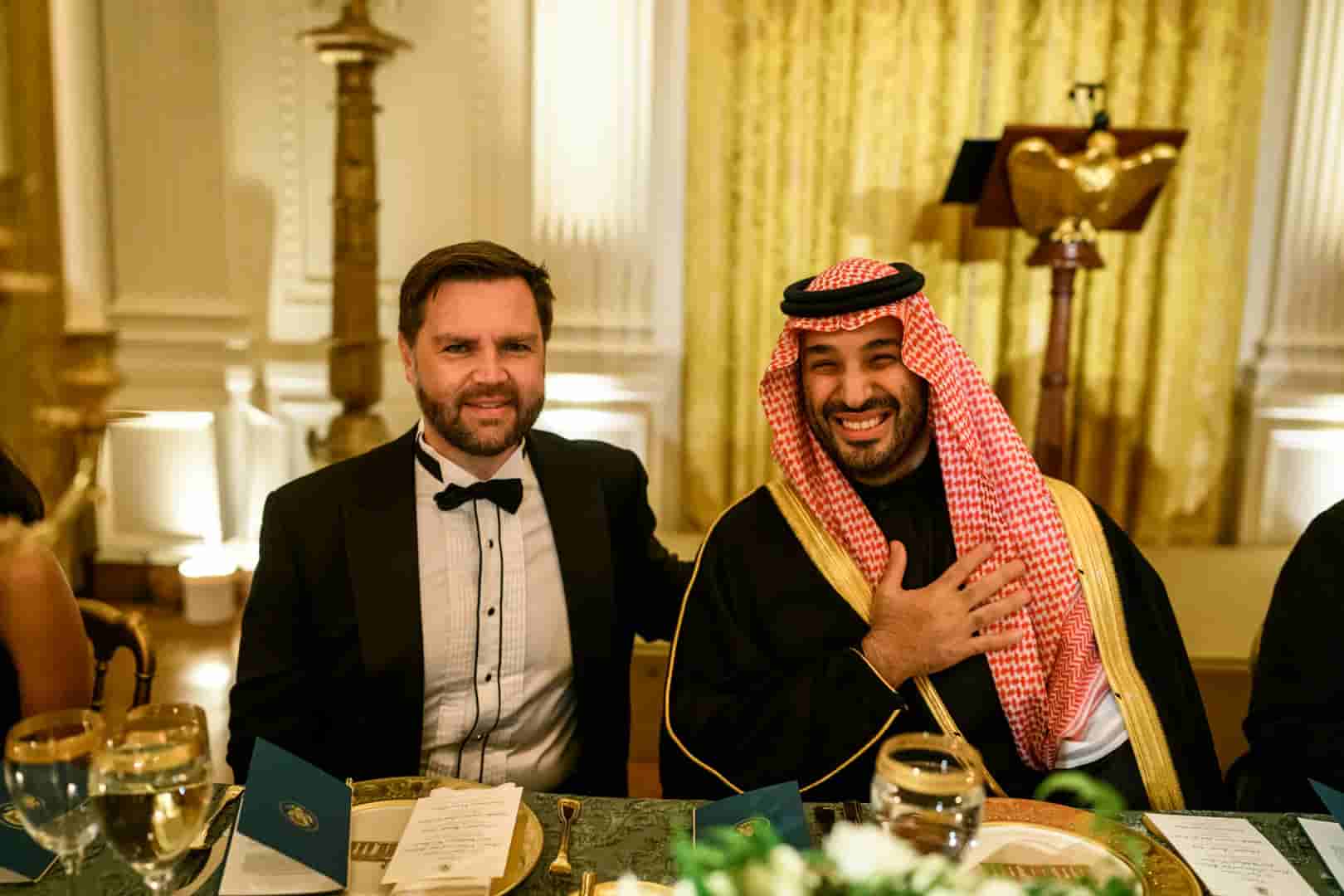
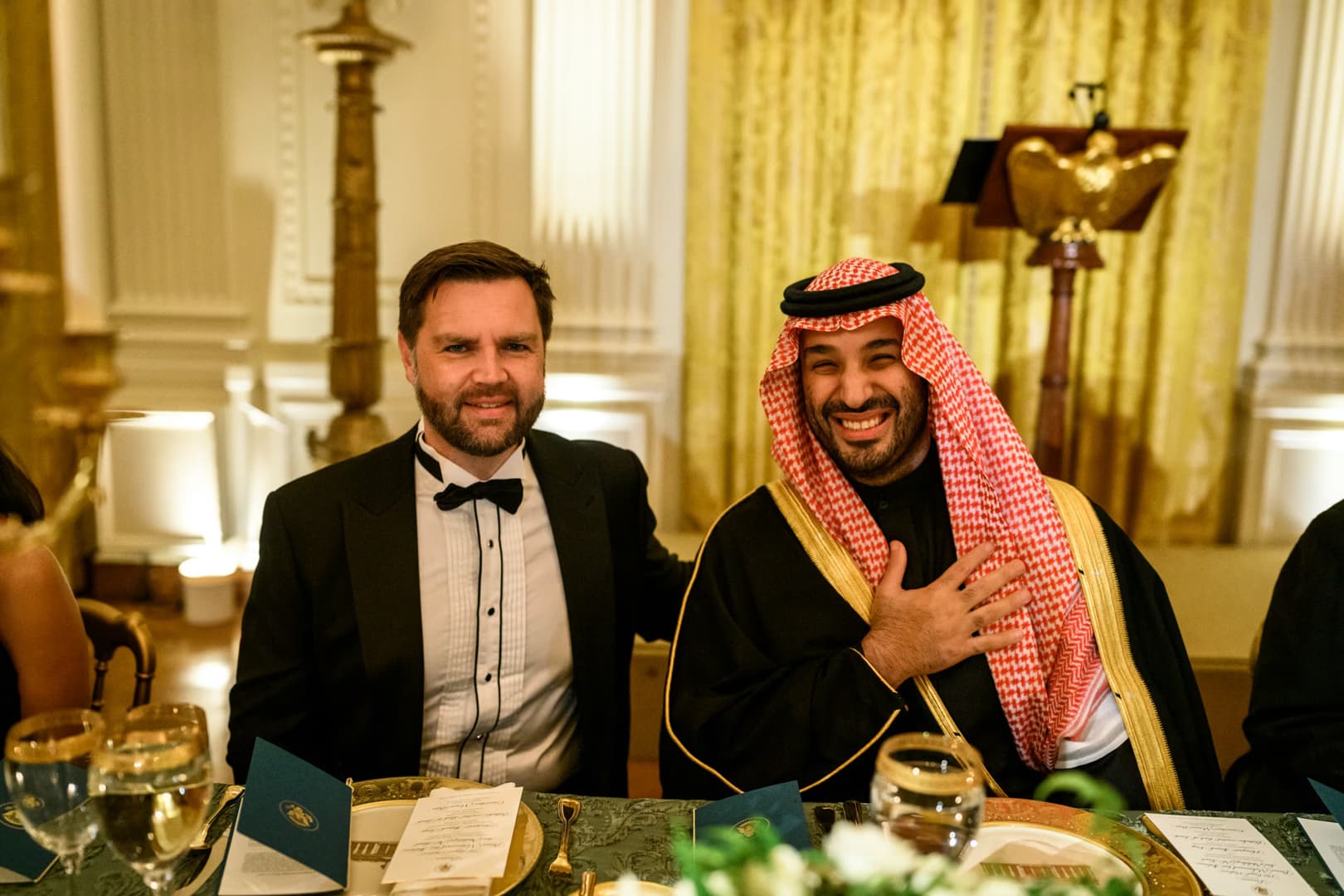
On the diplomatic front, Rezaei said Washington had given three responses to Iran’s seven conditions: the first was “unconvincing,” the second was more suitable but “suspicious” because the Americans wanted to negotiate and then attack again, and the third was “shrouded in ambiguity.” He said Tehran was awaiting the “final response,” which could arrive the following day, and that the Strait of Hormuz would not be reopened before all the conditions were implemented. He added that he had read a letter from U.S. Vice President J.D. Vance but had not yet responded to it.
Rezaei’s account of Tehran’s four-way meeting
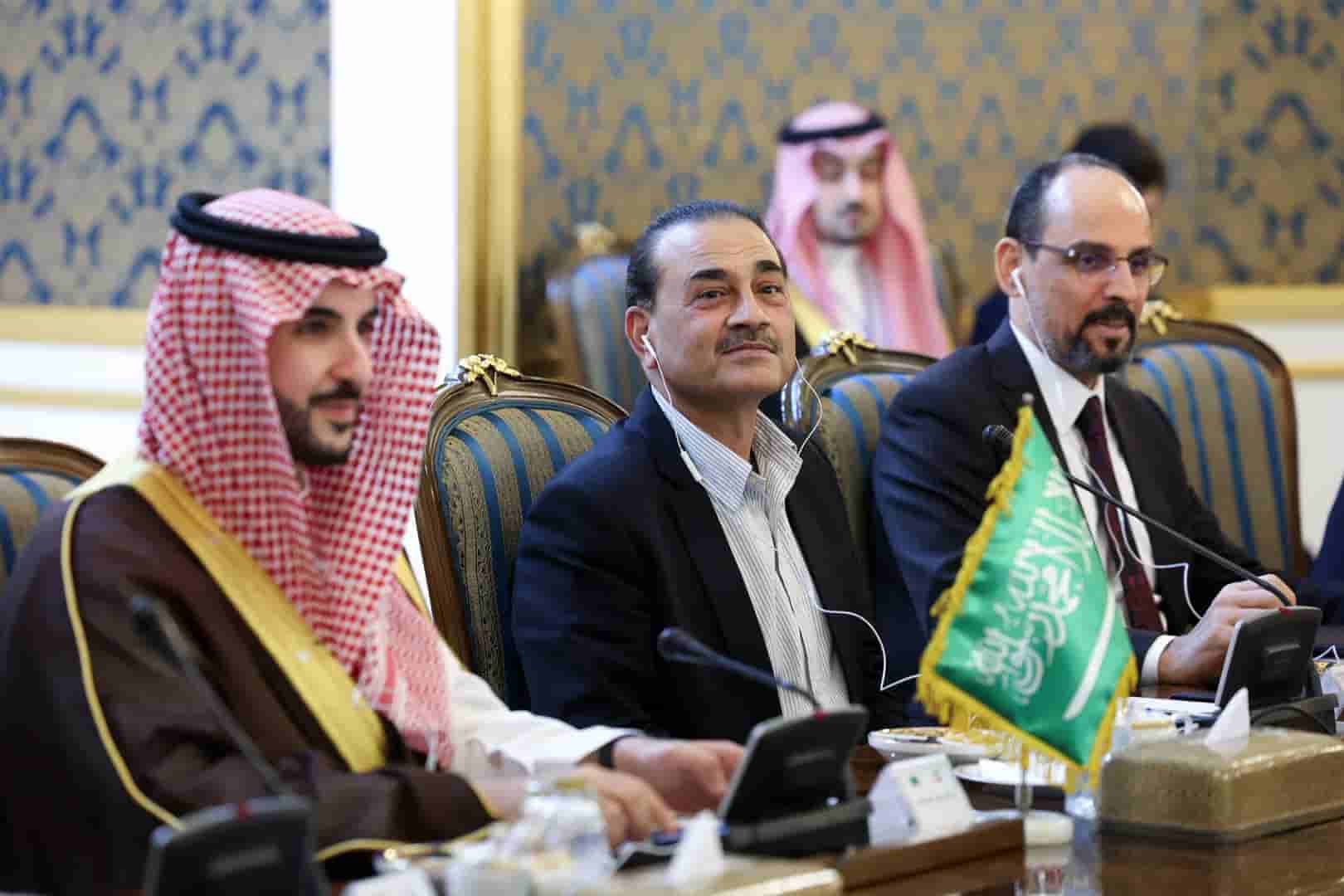
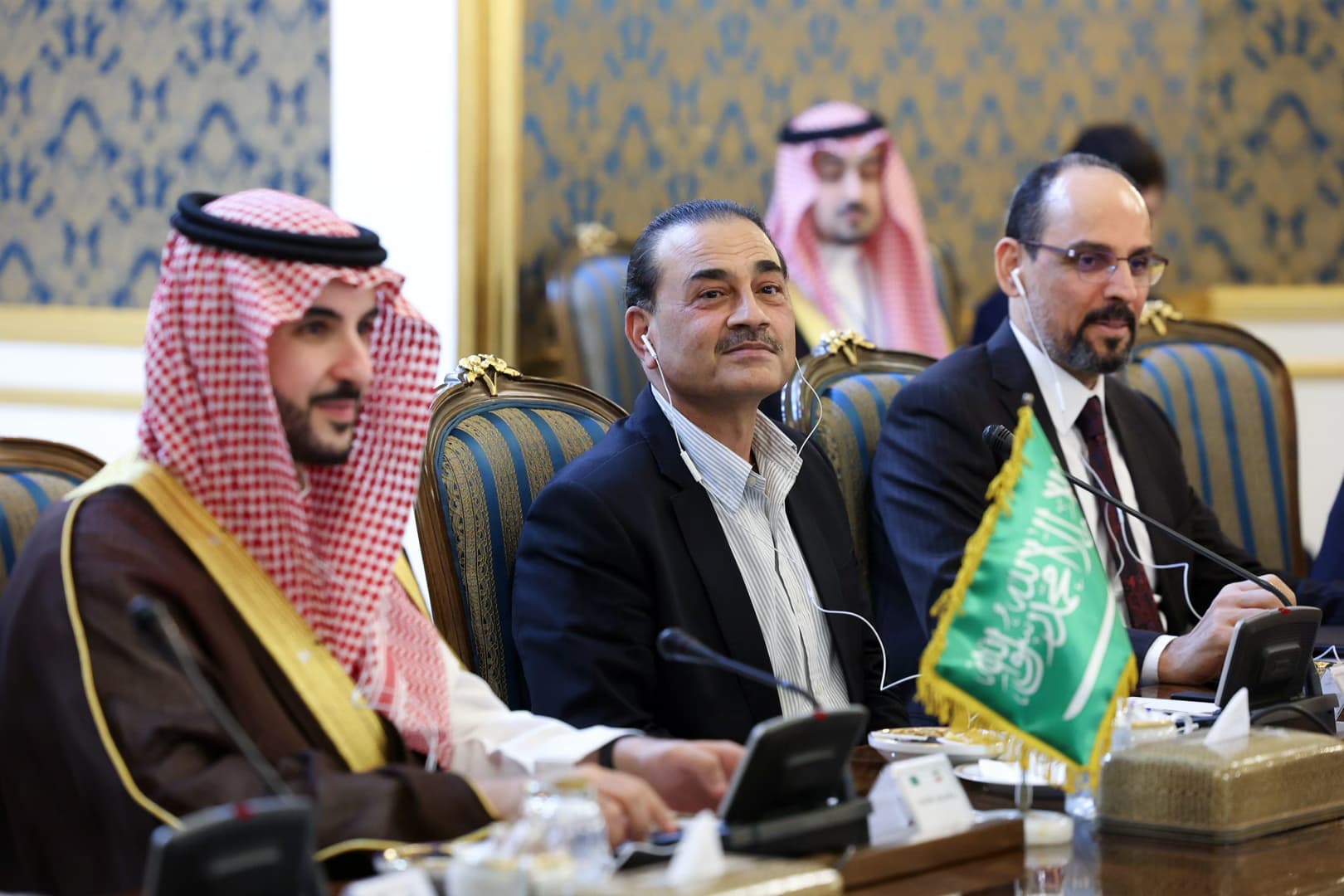
Rezaei said the four-way meeting held in Tehran on October 26 came “at the request of these countries themselves.” He said Saudi, Turkish and Pakistani officials had taken “very firm” positions against Israel, “to the point that I thought they had become more like Hezbollah members than some of our own friends.” Rezaei said the Saudi defense minister told him that “Israel will turn to Türkiye and then Saudi Arabia after Iran.”
The meeting was attended by Saudi Defense Minister Prince Khalid bin Salman, Pakistani Defense Forces Commander Field Marshal Asim Munir, and Turkish intelligence chief Ibrahim Kalin. No official Turkish confirmation has yet been issued regarding Rezaei’s attribution of those remarks to Turkish officials. Anadolu Agency quoted Turkish security sources as saying that the talks covered Palestine, Lebanon, the Strait of Hormuz, Yemen and cooperation within the Mecca Defense Alliance, while Rezaei said the Mecca agreement and Yemen were not discussed at the meeting.
Escalation ahead of U.S. elections
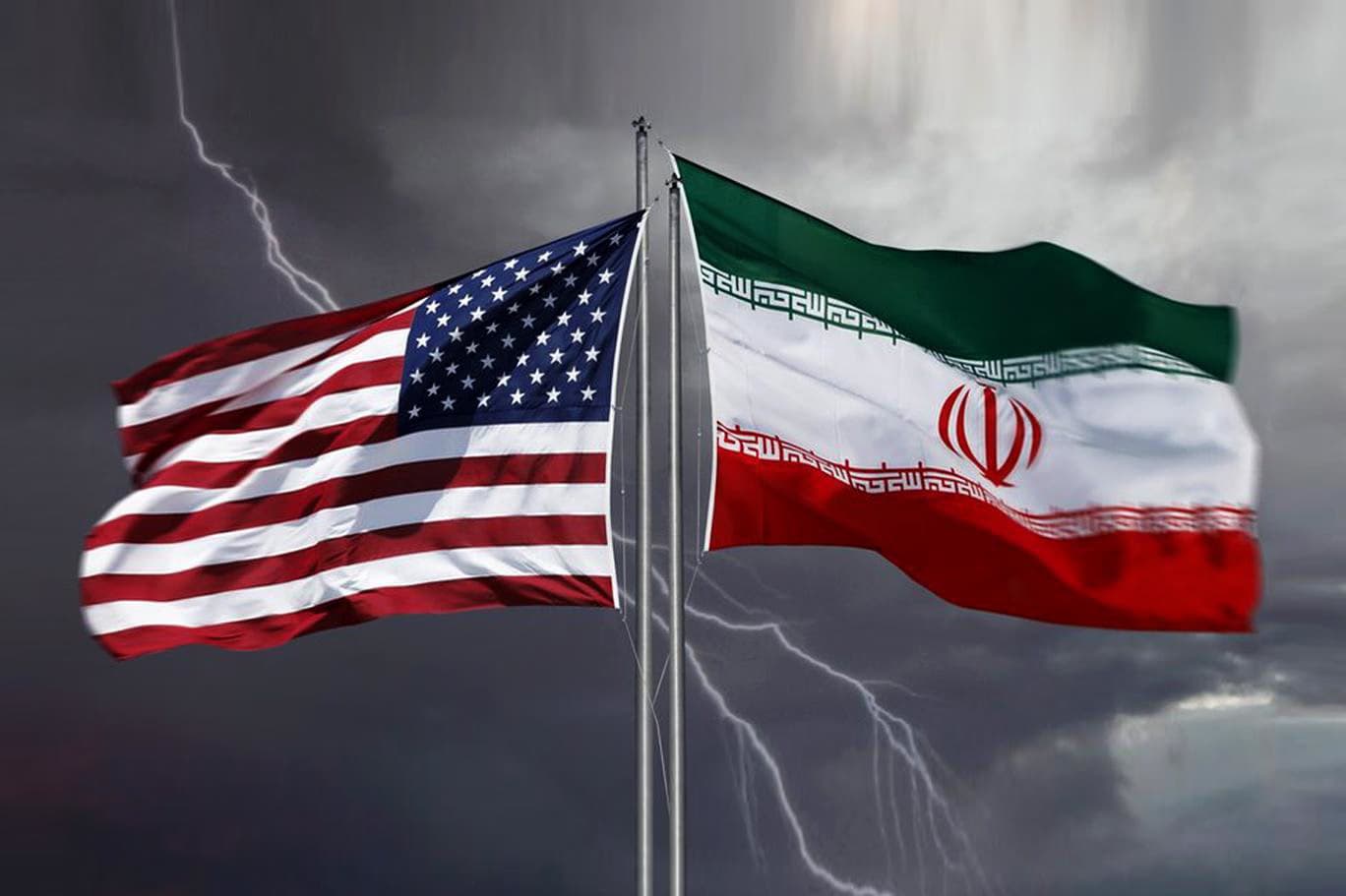
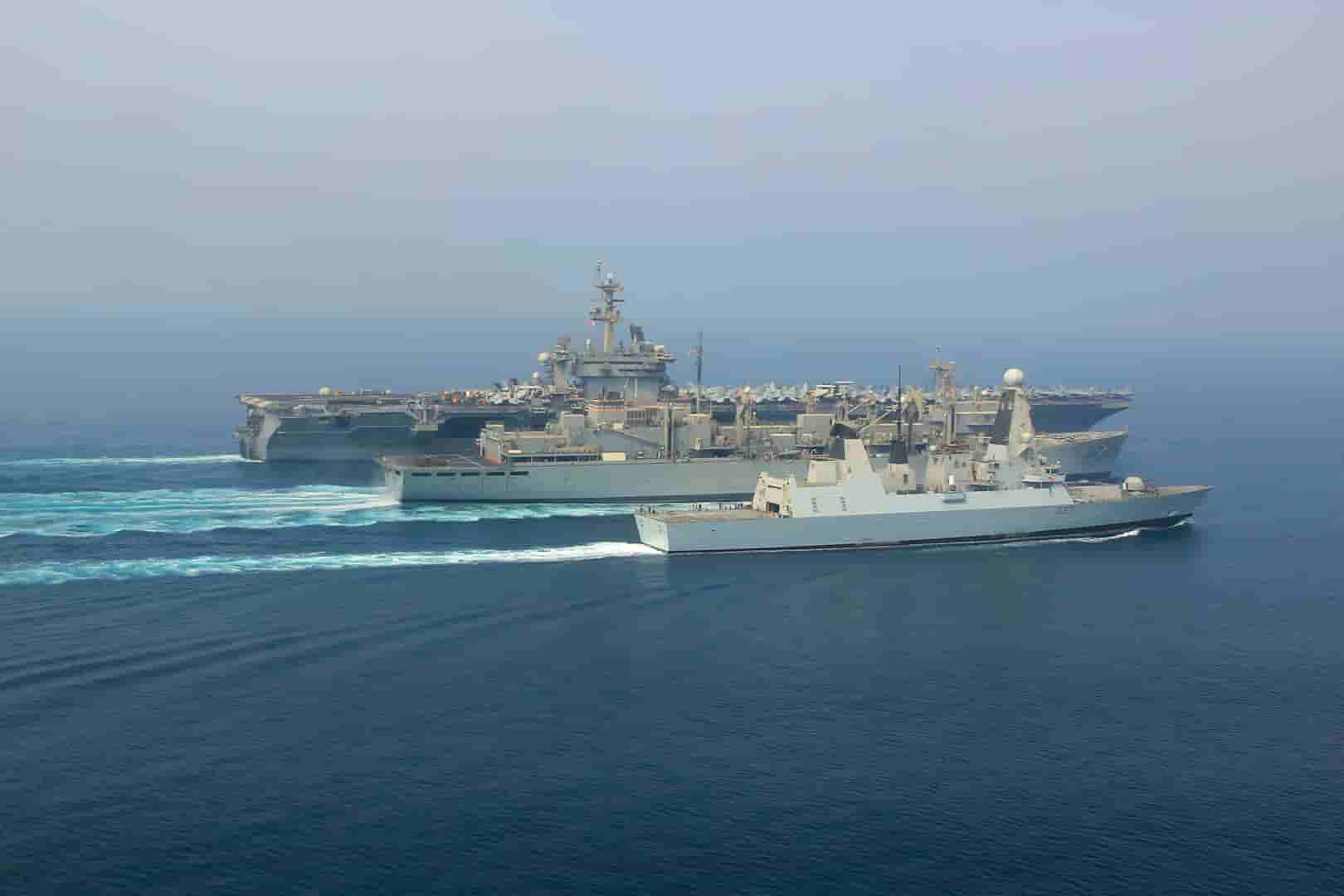
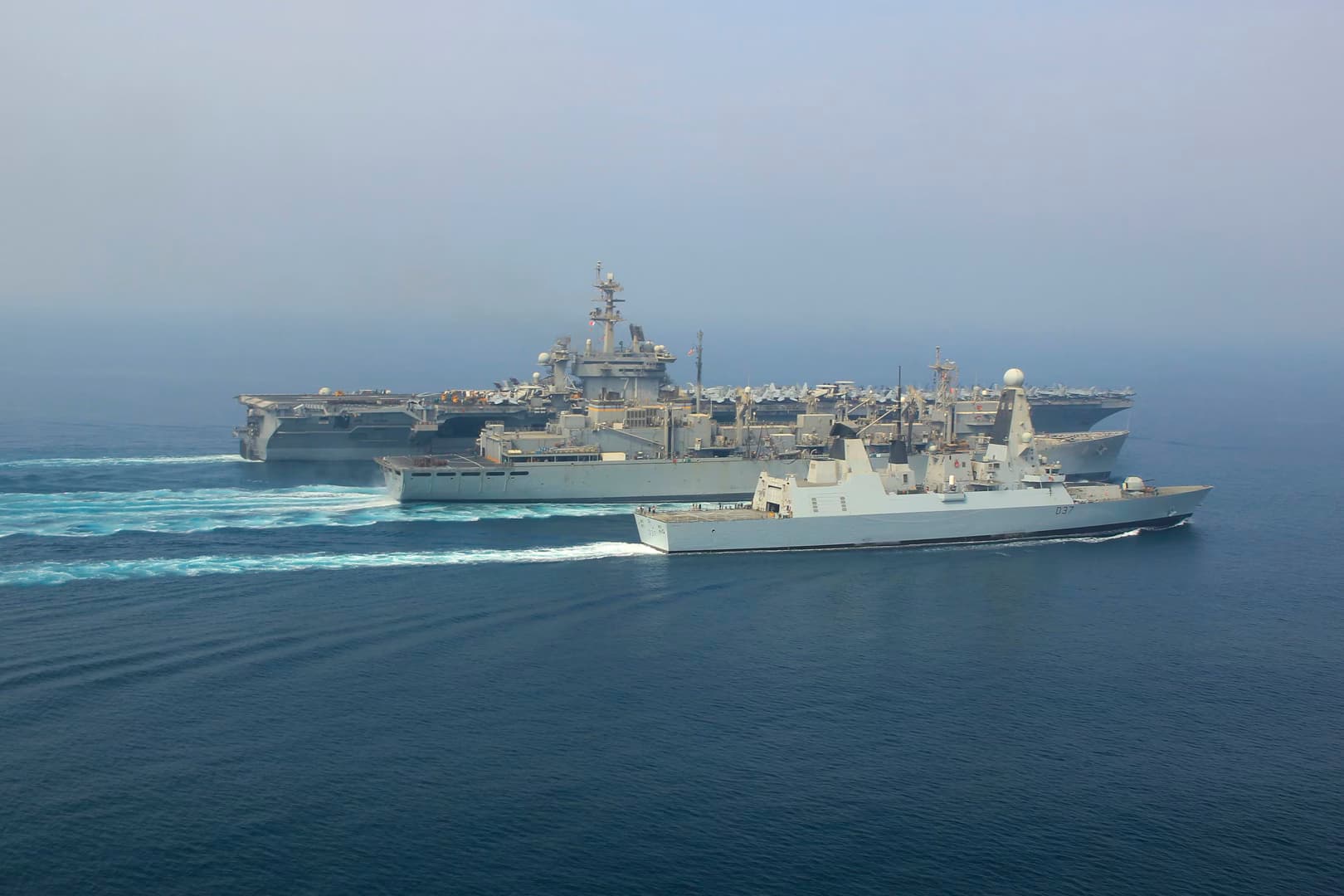
Rezaei’s remarks came amid rising tensions between Tehran and Washington since the United States joined Israel’s war against Iran in February. Rezaei was appointed secretary of the council by President Masoud Pezeshkian on August 9, replacing Mohammad Bagher Zolqadr. Trump recently ordered a third aircraft carrier to be sent to the Middle East, while U.S. reports said Washington was preparing for a short, intensive campaign against Iran after the midterm elections scheduled for November 3.
Cover image: Mohsen Rezaei’s official website
Have a story, event or announcement of your own?Send us your news on WhatsApp
Spotted an error in this story?Report it on WhatsApp
Share on all social platforms
Sponsored Ads
Featured Listings
Loading featured properties...
Stay Updated with Hilal Times
Subscribe to be informed about special news, developments and announcements. We will keep you informed.
By signing up, you agree to our Privacy Policy