On Thursday, limited but notable military activity took place in Southern Lebanon. Hezbollah announced it responded to an Israeli force's attempt to advance towards Kfartibnit, while Israeli attacks caused casualties and injuries in the region.
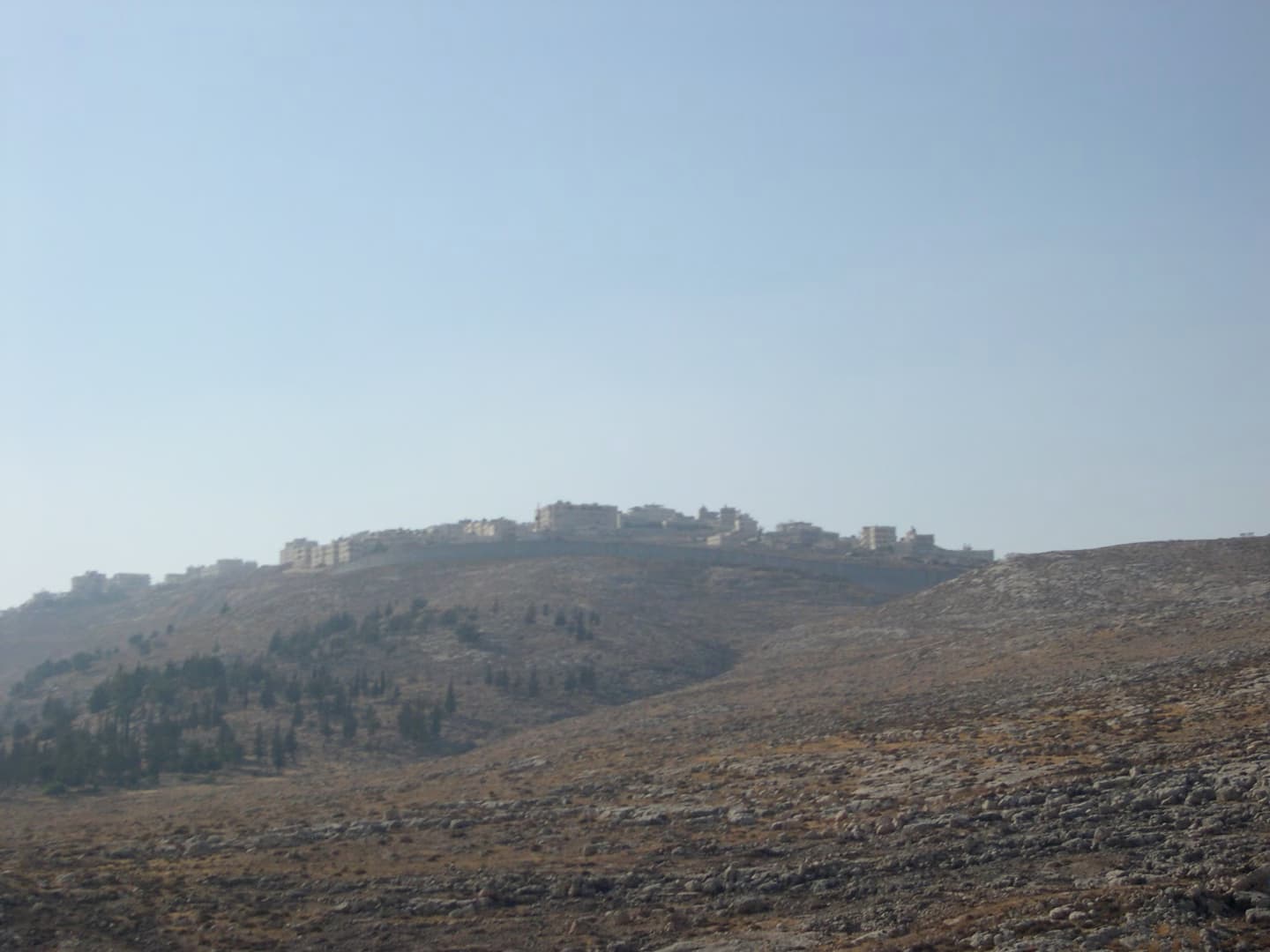
Hezbollah stated that from 5:30 PM onwards, they engaged in clashes with an Israeli force advancing from the town of Arnun towards the Kfartibnit area using appropriate weapons. The group described this intervention as "resistance against occupation" and a "response to ceasefire violations."
Earlier the same day, Hezbollah reported that it had prevented similar advance attempts towards Kfartibnit and the Ali Tahir area over the past four days. The statement claimed that the attacking forces suffered both personnel and material losses.
Since resuming operations on March 2, the group made two separate military announcements after nearly 48 hours of silence. This indicated a relatively reduced but ongoing pattern of conflict on the southern front in recent days.
The Israeli army said its air defenses intercepted several rockets launched towards its units in southern Lebanon, although some rockets landed near its soldiers. Israel claimed no injuries among its ranks in the incident.
The violence on Thursday was not limited to mutual statements. According to local reports, there were 10 Israeli attacks on various towns in southern Lebanon, including airstrikes, artillery fire, and the detonation of a suspicious device.
These attacks resulted in a total of three deaths and several injuries. In a drone strike on a vehicle in Kfartibnit, Bilal Kemal Hayek and Ali Ismail Tüfeyli were killed. A young man also died in Zibdin from another drone attack.
Attacks were also carried out around Jebel al-Rafi‘, Nebatiye al-Fawqa, and Jebel al-Ahmar on the same day. The area surrounding Kfartibnit was subjected to intense artillery fire, with reports of phosphorus and illumination munitions used in some locations.
Artillery fire hitting a house in Kaakiyet al-Jisr caused injuries. In the town of Duvveir, a suspicious device left from Israeli attacks exploded for the second time during the day.
The Hadatha area in Bint Jbeil was targeted but no injuries were reported. A drone bomb dropped on Beit Yahun caused injuries to two people.
Although the attacks appeared more limited compared to recent intensity, they demonstrated that tensions in the region persist. It was also reported that alert levels in northern Israel have significantly decreased over the past three days compared to earlier periods of heightened activity.
Another notable aspect of the news was an agreement reportedly signed between Iran and the United States aiming to end the war across all fronts, including Lebanon. The text highlighted Lebanon as central to the agreement, aiming to guarantee the country's territorial integrity and sovereignty.
However, some far-right figures within the Israeli government opposed any arrangement with Iran that would include concessions on operations or security in Lebanon. These groups reportedly advocate maintaining Israel's presence and military activities in southern Lebanon.
Since March 2, Israel has conducted extensive attacks on Lebanon. According to the Lebanese Ministry of Health, these attacks have so far resulted in 3,912 deaths, 11,873 injuries, and displaced over one million people.
It was also noted that Israel holds some areas in southern Lebanon as part of an occupation that began decades ago, and during the recent conflict, advanced more than 10 kilometers into Lebanese territory. This advance represents the deepest ground movement since Israel's withdrawal in 2000.