Tensions between the United States and Iran around the Strait of Hormuz continue to reverberate, as Iranian officials strongly criticized U.S. President Donald Trump’s remarks about the strait.
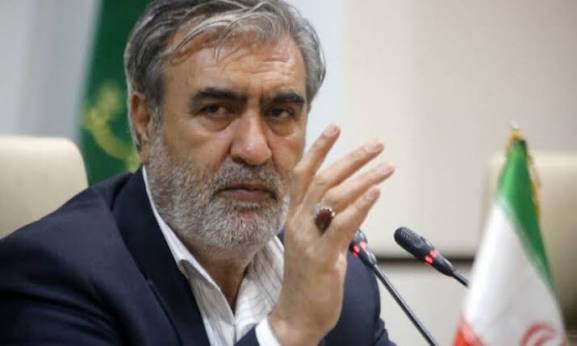
Ebrahim Azizi, chairman of the Iranian Parliament’s National Security and Foreign Policy Commission, responded in a post on the X platform on Saturday evening to Trump’s statement that he would soon declare the Strait of Hormuz U.S. territory. Azizi said Trump should be concerned about his own security instead of continuing his threats against the strait.
In remarks made the previous day, Trump claimed that the U.S. Navy was imposing a complete blockade in the Strait of Hormuz and said he would declare the strait U.S. territory shortly after completely defeating Iran. A White House official said Trump had made the remark jokingly.
Iranian Deputy Foreign Minister Kazem Gharibabadi also said the Strait of Hormuz could not be seized through a division, an aircraft carrier, an order or an election speech. Gharibabadi said Iran was not afraid of threats and would not bow to a show of force.
Search for safe passage in the Strait of Hormuz
As tensions around the Strait of Hormuz rise amid the effects of the war between the United States and Iran, concerns are mounting that maritime transport and global energy supplies could be disrupted.
The United States and Israel launched a war against Iran on February 28. Iran also carried out attacks on targets it identified as Israeli and U.S. facilities in the region. The parties later reached a ceasefire agreement.
The United States resumed its attacks against Iran between July 8 and 24. Iran, meanwhile, targeted U.S. military facilities and equipment in Arab countries. Following these developments, talks on safe-passage corridors for ships in the Strait of Hormuz resumed.
Washington and Tehran had previously signed a memorandum of understanding on freedom of navigation on June 18. However, the process did not advance because of disagreements over the strait’s security.