The Islamic World Educational, Scientific and Cultural Organization (ISESCO) has added the historic Al-Omari Mosque in the southern Syrian city of Deraa to its heritage list.
Syria’s General Directorate of Antiquities and Museums, in a statement via the official news agency SANA, said that the move reinforces the mosque’s historical and civilizational standing, which spans more than 13 centuries, and opens new avenues for international cooperation in documentation and restoration.
The head of the Deraa Antiquities Department, Mohammed Nasrallah, said that the mosque was first built during the era of Caliph Omar ibn al-Khattab, in the first half of the 7th century AD, atop archaeological remains from the Roman and Byzantine periods.
Nasrallah stated that the competent authorities, in cooperation with the local community, have begun implementing a comprehensive restoration and maintenance plan for the mosque, which is built from black basalt stone, and that the damage sustained in recent years, particularly to its historic square minaret and some architectural elements, will be repaired in accordance with international scientific and engineering standards.
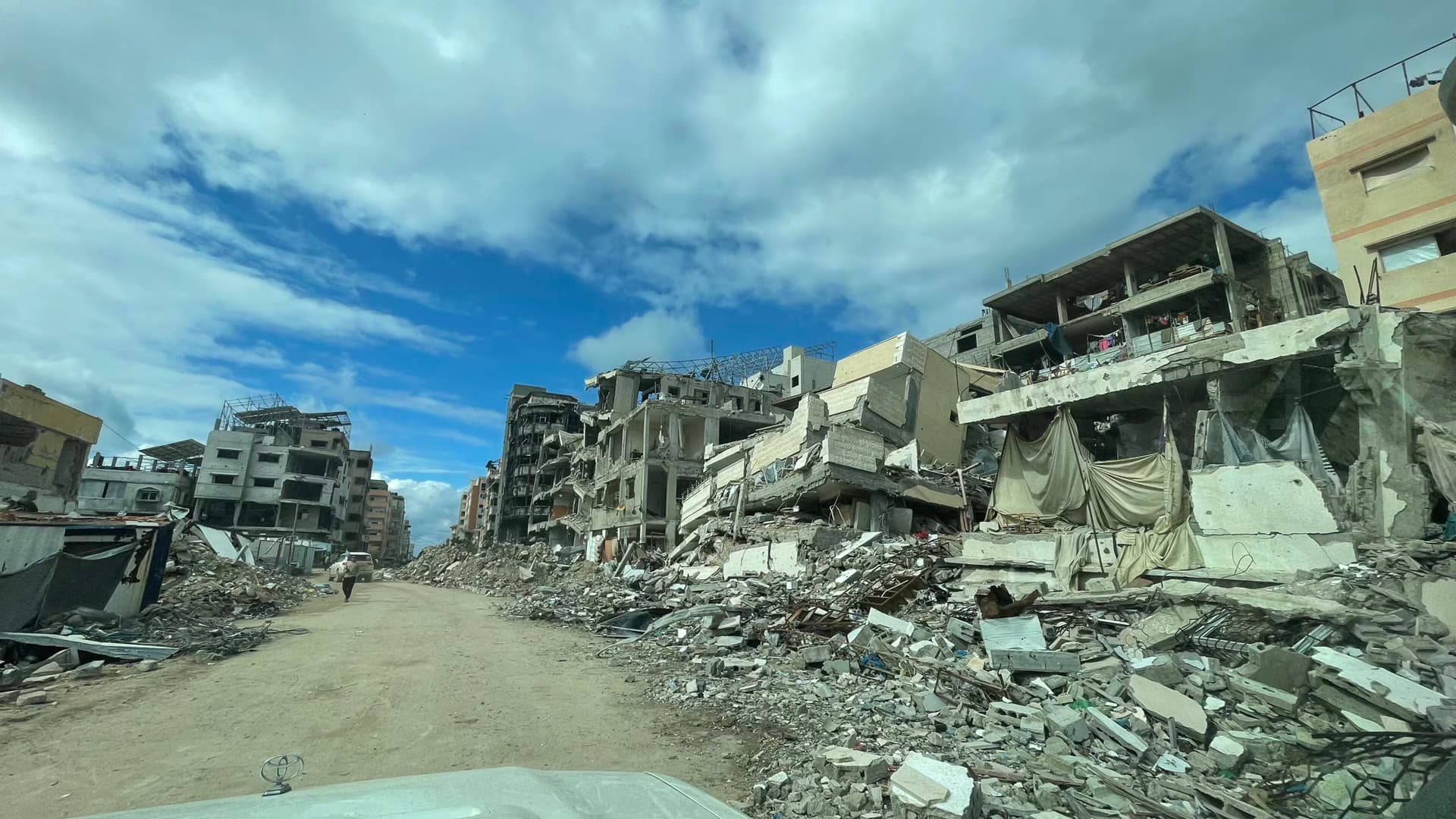
Al-Omari Mosque holds symbolic significance as the place where protests against the ousted Syrian regime first ignited in 2011. Because of this status, the mosque came under intense rocket and artillery fire after regime forces withdrew from the area in 2012, causing its historic square minaret to collapse and large sections of its basalt structure to be destroyed.
Syrian opposition groups entered the capital Damascus on December 8, 2024, toppling the regime of Bashar al-Assad, who had been in power since 2000 and inherited the rule from his father Hafez al-Assad (1971–2000).