- BIST10011,619-0.88%
- USD49.45+0.05%
- EUR55.62+0.37%
- GOLD4,199.00+0.43%
- INTEREST37.00%-1.00
- BITCOIN82,693+0.83%
- October 19, 202616°
- BIST10011,619-0.88%
- USD49.45+0.05%
- EUR55.62+0.37%
- GOLD4,199.00+0.43%
- INTEREST37.00%-1.00
- BITCOIN82,693+0.83%
- October 19, 202616°
Morocco’s King Mohammed VI receives cabinet of first female head of government
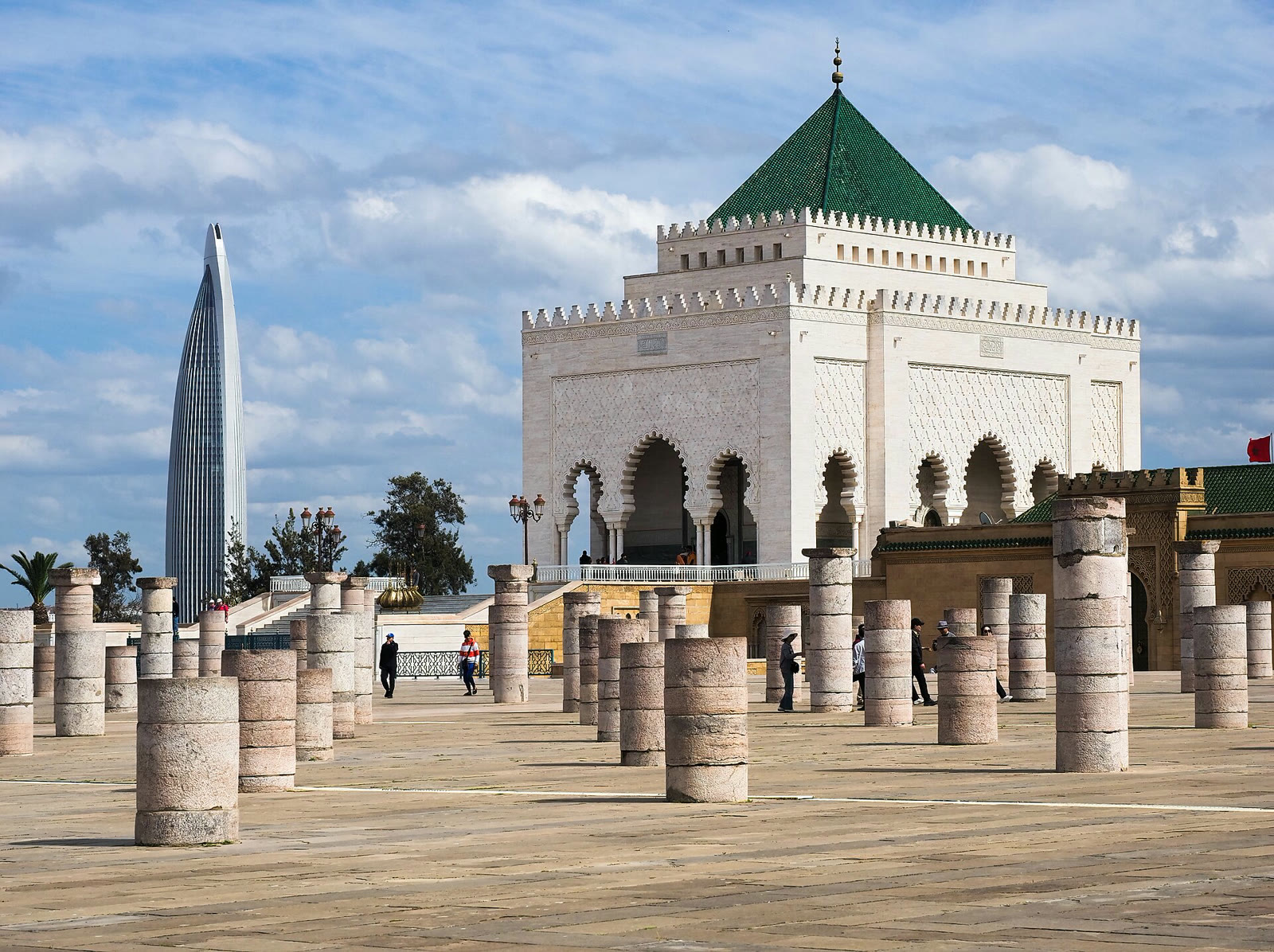
Morocco’s King Mohammed VI received the new cabinet led by the country’s first female head of government, Fatima Zahra Mansouri, at the Royal Palace in Rabat. The four-party coalition holds 207 seats in the House of Representatives.
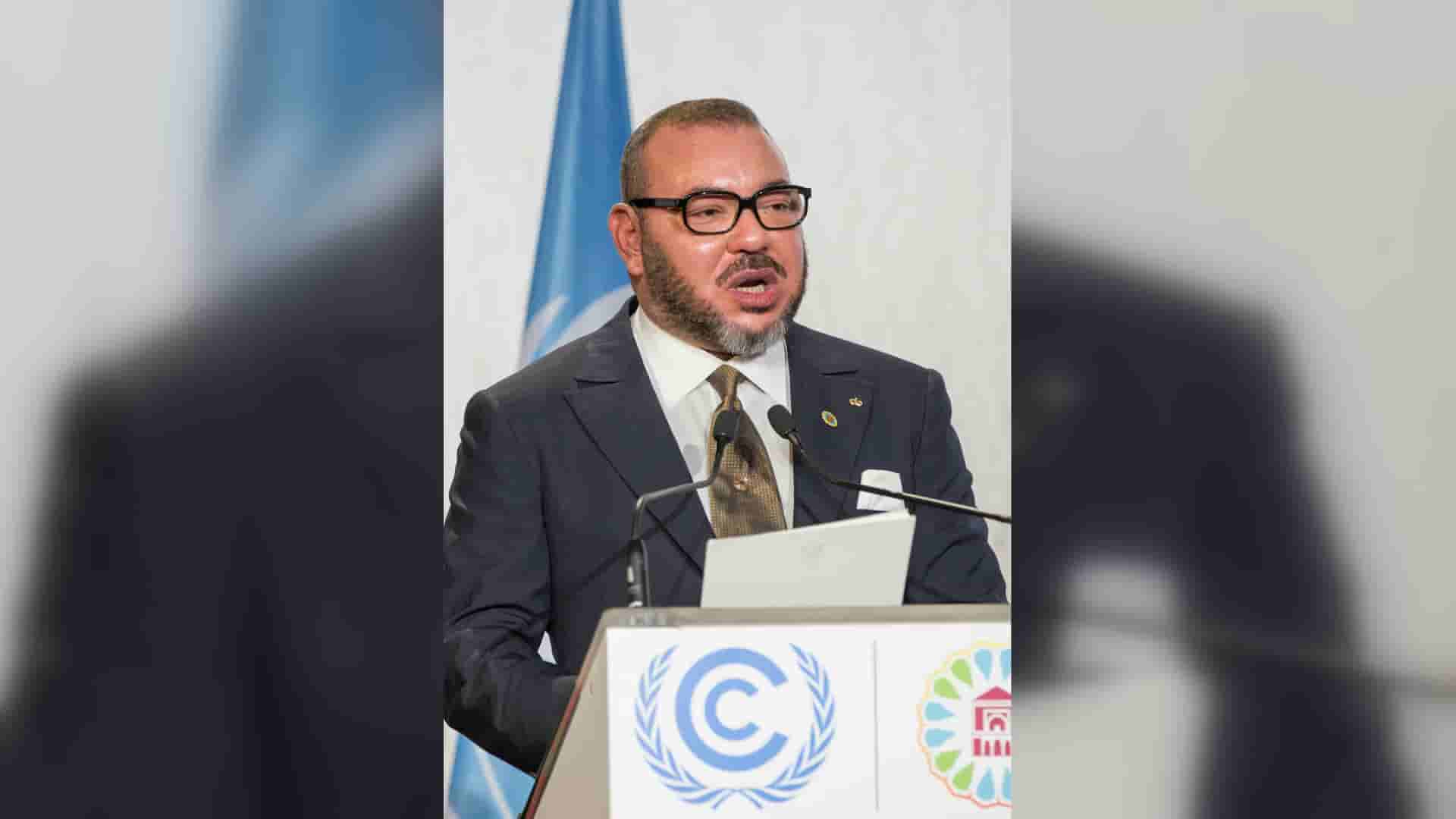
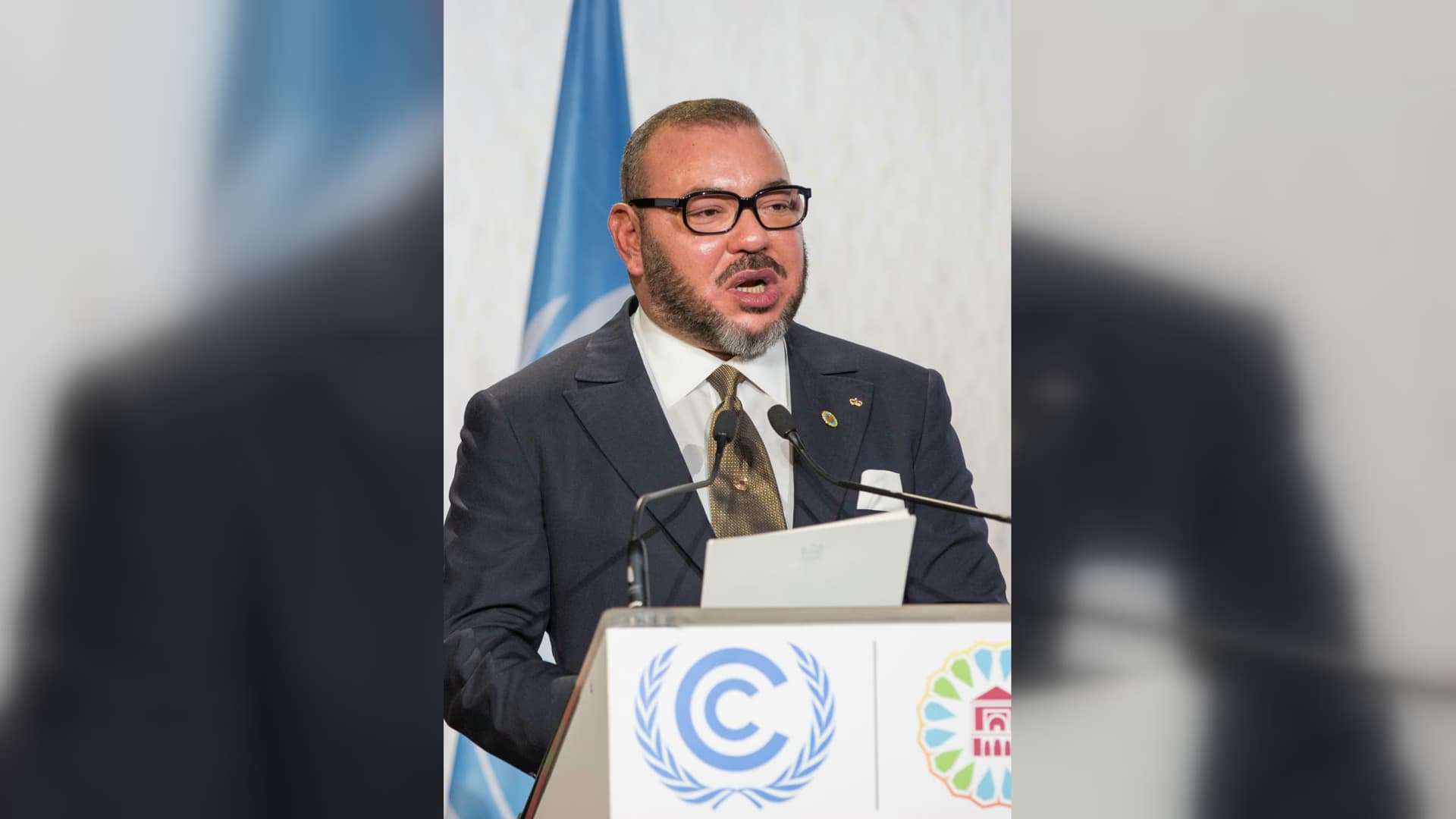
Morocco reached a historic first with the appointment of Fatima Zahra Mansouri as head of government. King Mohammed VI received the members of the new cabinet at the Royal Palace in the capital Rabat on Friday, while the government began its term.
Mansouri became the first woman in Morocco’s history to serve as head of government. The new cabinet was formed by a four-party coalition comprising the Party of Authenticity and Modernity, the Istiqlal Party, the Socialist Union of Popular Forces and the Party of Progress and Socialism.
Seven women join the cabinet
Seven women, including Mansouri, joined the new government. The previous Aziz Akhannouch government had six women. In the 31-member cabinet, Abdellouafi Laftit continued as interior minister, Nasser Bourita as minister of foreign affairs, African cooperation and Moroccans living abroad, Abdellatif Ouahbi as justice minister, and Ahmed Toufiq as minister of endowments and Islamic affairs.
The new government established a ministry responsible for artificial intelligence, digital transformation and public administration reform. Ahmed Raho was appointed to the post.
Four-party coalition reaches 207 seats
The four parties announced the formation of the coalition in a joint statement on Monday after completing the second round of talks on forming a government. The talks began on September 30.
The coalition’s Party of Authenticity and Modernity is described as liberal, while the Istiqlal Party is considered conservative. The Socialist Union of Popular Forces and the Party of Progress and Socialism are regarded as left-wing parties.
King Mohammed VI tasked Mansouri with forming the government on September 29. Mansouri’s party came first in the elections held on September 23, whose final results were announced on September 25, winning 97 seats.
The National Rally of Independents came second with 66 seats, the Istiqlal Party third with 65, and the Justice and Development Party fourth with 54. The Popular Movement won 29 seats, the Socialist Union of Popular Forces 26, and the Party of Progress and Socialism 19.
The coalition’s seat count rose to 207. At least 198 of the 395 seats in Morocco’s House of Representatives are required to secure a majority.
Members of the new government
- Fatima Zahra Mansouri: Head of government
- Abdellouafi Laftit: Minister of Interior
- Nasser Bourita: Minister of Foreign Affairs, African Cooperation and Moroccans Living Abroad
- Abdellatif Ouahbi: Minister of Justice
- Ahmed Toufiq: Minister of Endowments and Islamic Affairs
- Fawzi Lekjaa: Minister of Economy, Finance and Public Efficiency
- Nizar Baraka: Minister of Equipment, Water and Forests
- Nabil Benabdallah: Minister of National Education, Early Childhood Education, Vocational Training and Qualifications
- Younes Sekkouri: Minister of Health and Social Protection
- Khalid Ait Taleb: Minister of Agriculture, Fisheries and Food Sovereignty
- Ryad Mezzour: Minister of Industry, Trade, Investment and Economic Integration
- Mohammed Mehdi Bensaid: Minister of Youth, Culture and Sports
- Izzeddine El Midaoui: Minister of Higher Education, Scientific Research and Innovation
- Abdessamad Kayouh: Minister of Transport and Logistics
- Charafat Afilal: Minister of Energy, Mines and Sustainable Development
- Abderrahim Chahid: Minister of Employment and Social Dialogue
- Samir Goudar: Minister of National Planning, Urban Planning, Housing and City Policy, and government spokesperson
- Ahmed Raho: Minister of Artificial Intelligence, Digital Transformation and Public Administration Reform
- Jalal Chafik: Minister of Tourism, Traditional Arts and the Solidarity Economy
- Najwa Koukous: Minister of Family, Social Development and Equality
- Abdellatif Loudiyi: Minister Delegate to the Head of Government, responsible for national defense administration
- Kouloub Fitah: Minister Delegate to the Head of Government, responsible for relations with Parliament and civil society
- Omar Hejira: Minister Delegate to the Minister of Industry, Trade, Investment and Economic Integration, responsible for foreign trade
- Ahmed Mehdi Mezouari: Minister Delegate to the Minister of Agriculture, Fisheries and Food Sovereignty, responsible for fisheries
- Kamal Hašumi: Minister Delegate to the Minister of National Education, responsible for early childhood education and combating school dropouts
- Madiha Hayyir: Minister Delegate to the Minister of National Education, responsible for vocational training and qualifications
- Fatima Sadi: Minister Delegate to the Minister of National Planning, Urban Planning, Housing and City Policy, responsible for housing and city policy
- Salahaddin Abkari: Minister Delegate to the Minister of Youth, Culture and Sports, responsible for youth
- Rachid Hamouni: Minister Delegate to the Minister of Family, Social Development and Equality, responsible for social integration
- Aicha Kella: Minister Delegate to the Minister of Artificial Intelligence, Digital Transformation and Public Administration Reform, responsible for public administration reform
- Abdeljabbar Rachidi: Minister Delegate to the Minister of Tourism, Traditional Arts and the Solidarity Economy, responsible for traditional arts and the solidarity economy
- Hassan Tariq: Secretary-General of the Government
Stay Updated with Hilal Times
Subscribe to be informed about special news, developments and announcements. We will keep you informed.
By signing up, you agree to our Privacy Policy