- BIST10011,477-0.87%
- USD49.60+0.05%
- EUR55.68+0.11%
- GOLD4,089.90-1.45%
- INTEREST37.00%-1.00
- BITCOIN81,804-2.64%
- October 22, 202622°
- BIST10011,477-0.87%
- USD49.60+0.05%
- EUR55.68+0.11%
- GOLD4,089.90-1.45%
- INTEREST37.00%-1.00
- BITCOIN81,804-2.64%
- October 22, 202622°
Rat Infestation and Public Health Crisis in Gaza Refugee Camps
A rat infestation in Gaza's refugee camps, emerging from the destruction of war and collapse of basic services, forces people to struggle day and night. Rats enter tents, bite children, spoil food, and carry diseases.


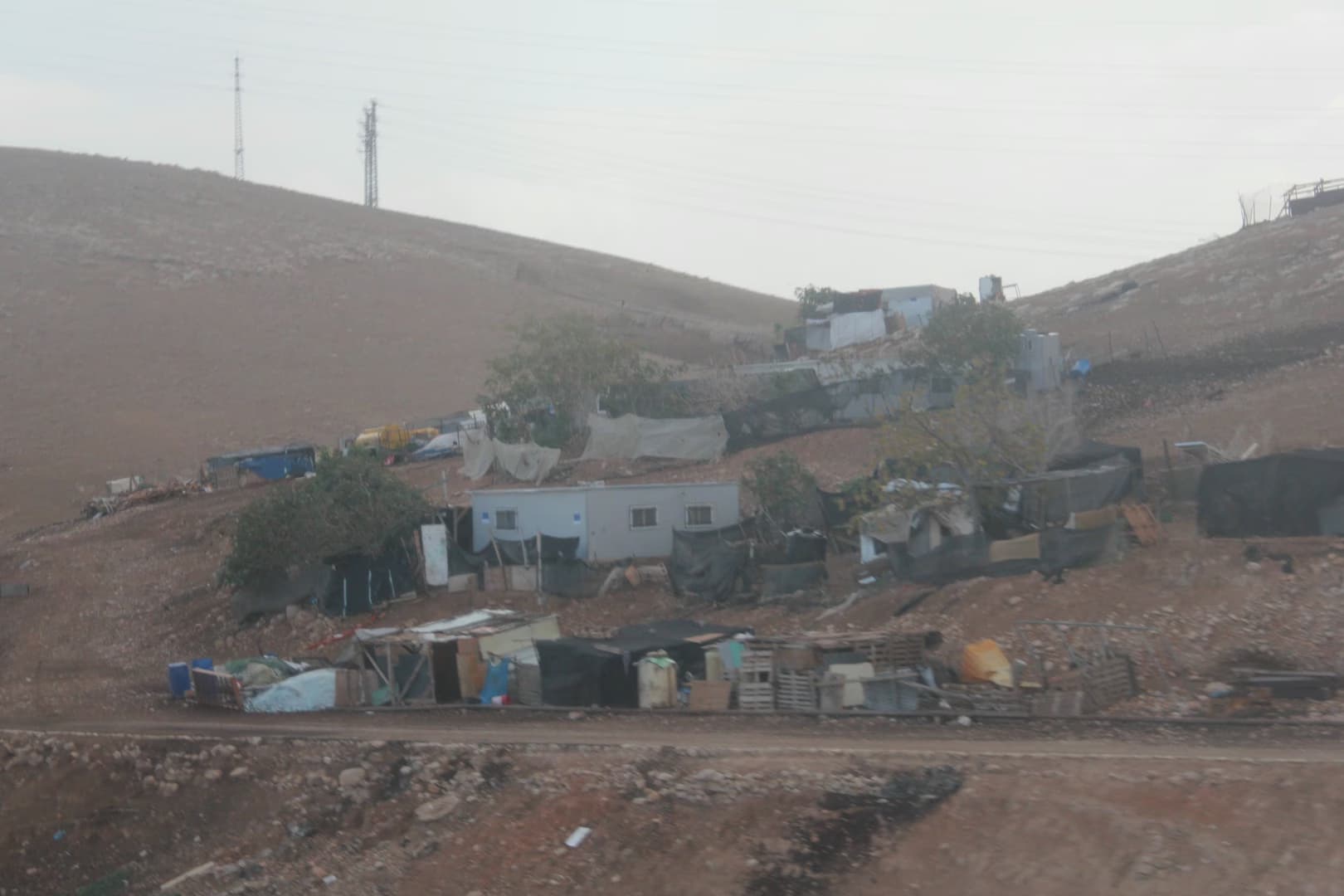
In Gaza's refugee camps, the infrastructure destroyed by Israel's war and accumulated rubble piles have led to a massive rat infestation. These rats infiltrate the tents in the camps, turning people's lives into a nightmare.
Spending Nights on Guard
When the sun sets, a new struggle begins for families living in tents in the camps. To protect against rat attacks, parents tightly seal the tent entrances and keep watch, holding their children close. However, these measures do not always work.
Ataf al-Nuayzi, who has lived in the camp for three years and has chronic illnesses, collects stones every day to prevent rats from entering the tent. He tries to seal the worn edges of the tent with these stones. He says he spends nights awake in fear.
Direct Attacks
A father named Ahmed Hirz recounts being directly attacked by rats. One night, he was bitten on the hand by a rat that came at him while he was protecting his baby. This was his third bite. During the day, he tries to buy rat poison with the money he earns from work.
The rats not only bite but also destroy families' meager food supplies. Umm Ahmed al-Buwab says the rats attack viciously throughout the night, tearing apart bags of rice and legumes, and even eating her child's shoe.
Infrastructure Collapse and Public Health Crisis
Abdurrahim Abu Kumbaz, General Director of the Gaza Municipalities Association, states that rat and pest control chemicals have run out due to the war, and regular control campaigns have stopped. He emphasizes that millions of cubic meters of rubble, garbage piles, and open sewage waters have created an ideal breeding environment for rats.
Abu Kumbaz says Gaza needs about 100 tons of chemicals, but so far only 15 tons have been able to enter. He warns that citizens using poisons from unknown sources also creates new health risks.
Disease Threat Grows
Dr. Abdurrahman Abu Rahme, General Director of Preventive Medicine at the Ministry of Health, says rats are a disease reservoir. He states that through bites, urine, and feces, diseases such as leptospirosis, salmonella, and rat-bite fever can be transmitted.
Dr. Abu Rahme adds that since the beginning of 2024, hundreds of rat bite cases have been recorded in the camps, with the risk higher for children, the elderly, and the malnourished. He calls for urgent international intervention.
United Nations data reveals that about 80 percent of refugee camps have rat and pest problems, and in half of these camps, skin diseases have become widespread.
Stay Updated with Hilal Times
Subscribe to be informed about special news, developments and announcements. We will keep you informed.
By signing up, you agree to our Privacy Policy