- BIST10011,661+2.02%
- USD49.55+0.21%
- EUR55.57-0.09%
- GOLD4,140.90-0.46%
- INTEREST37.00%-1.00
- BITCOIN81,503-0.42%
- October 20, 202621°
- BIST10011,661+2.02%
- USD49.55+0.21%
- EUR55.57-0.09%
- GOLD4,140.90-0.46%
- INTEREST37.00%-1.00
- BITCOIN81,503-0.42%
- October 20, 202621°
Syrian families welcome death sentences for Bashar and Maher al-Assad
Death sentences were handed down in Syria’s transitional justice cases against Bashar al-Assad, Maher al-Assad and senior figures from the regime. Families of the missing and those harmed under the regime welcomed the decision as an important step toward justice.


Death sentences were handed down in cases heard as part of transitional justice in Syria against senior figures from the ousted Bashar al-Assad administration. The sentences also included Bashar al-Assad’s brother, Maher al-Assad.
The Assad administration was accused of widespread attacks against civilians, particularly in areas controlled by the opposition, throughout the civil war that began in 2011. Civilians, healthcare workers, humanitarian aid workers and children were also killed during this period.
The decision brought relief to families who had received no news from their relatives for years and had suffered under the regime. The families described the development as an important step toward achieving justice.
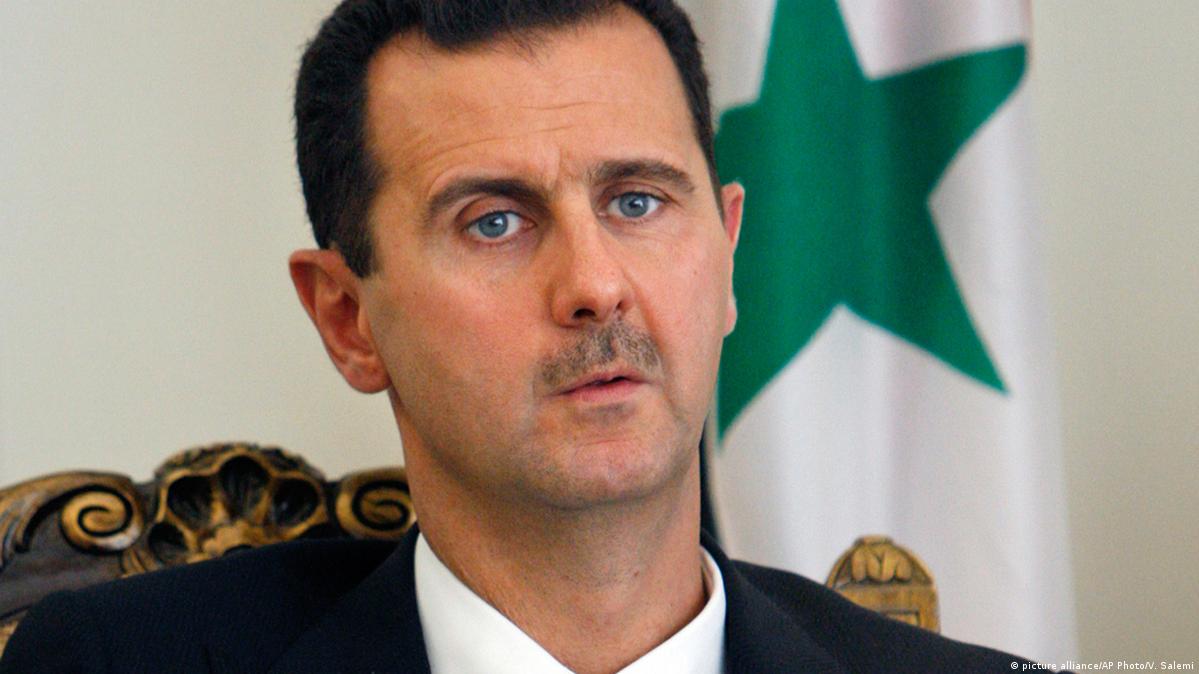
Families of the missing in Daraa welcome the decision
Safa Safedi, who lives in Daraa province, said her father was detained in 2011 and held at Sednaya Prison. Safedi said she had been unable to learn her father’s fate for years and felt great joy when she heard about the death sentences.
Safedi said her family had endured 15 difficult years and that their hopes for justice had largely faded. She said they did not know whether her father was still alive and viewed the decision as a development they had been waiting for a long time.
Naif Abu Sel, who lost his brother and nephew, said the decision was unexpected for his family. Abu Sel said the decision meant they had regained part of their rights in response to the losses they had suffered.
Families call for comprehensive trials
Fadi Sharaf, who lost five members of his family, said his father was executed at Sednaya Prison in 2014, while he had received no information about the fate of his mother and three siblings. Sharaf said the decision made him feel as though his family had been returned to him.
Sharaf called for everyone involved in crimes against civilians, the disappearance of children and deaths in prisons to be prosecuted. Salim al-Jehmani, a resident of Daraa who has a missing relative, also described the death sentences as an important step toward comprehensive justice.
Al-Jehmani said it could be said after the decision that the revolution had achieved victory. He called for everyone who had committed crimes against the Syrian people to be punished.
Stay Updated with Hilal Times
Subscribe to be informed about special news, developments and announcements. We will keep you informed.
By signing up, you agree to our Privacy Policy