- BIST10011,135-0.15%
- USD49.76+0.22%
- EUR55.75+0.28%
- GOLD4,064.30+0.64%
- INTEREST36.00%-1.00
- BITCOIN80,340+0.41%
- October 27, 202613°
- BIST10011,135-0.15%
- USD49.76+0.22%
- EUR55.75+0.28%
- GOLD4,064.30+0.64%
- INTEREST36.00%-1.00
- BITCOIN80,340+0.41%
- October 27, 202613°
Turkey accelerates efforts to extract shale oil across vast Diyarbakir area
Turkey is accelerating efforts to assess shale oil potential in Diyarbakir, where the promising area covers about 7,200 square kilometers. The project's first phase focuses on approximately 600 square kilometers, while horizontal drilling and hydraulic fracturing are planned for 2026.
Attention in Turkey's energy sector is turning to Diyarbakir province in the country's southeast as Ankara intensifies efforts to identify potential shale oil reserves, in a new step under its strategy to increase domestic energy production and reduce reliance on imports.
The Turkish Ministry of Energy and Natural Resources said the area in Diyarbakir believed to have promising shale oil potential covers about 7,200 square kilometers.
Turkish Energy and Natural Resources Minister Alparslan Bayraktar said the first phase of the work focuses on four blocks covering a total area of approximately 600 square kilometers, while the promising geological formation extends across a much larger area.
Horizontal drilling and hydraulic fracturing
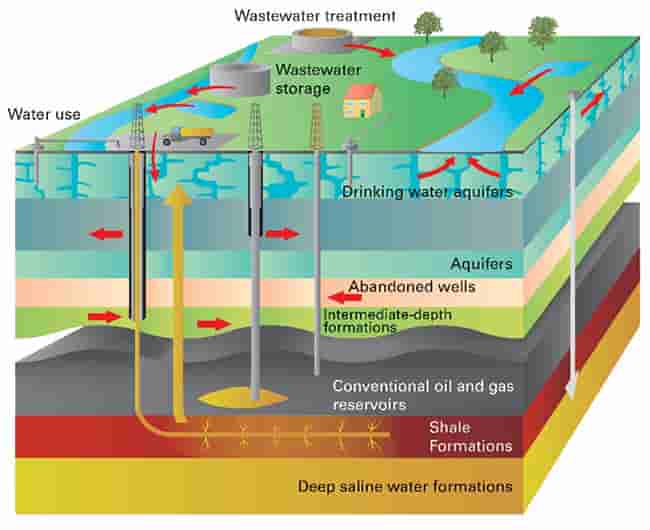
The Diyarbakir project differs from conventional oil extraction operations, as Turkey plans to use advanced technologies to reach oil trapped in underground rock formations.

The plan includes horizontal drilling and hydraulic fracturing in 2026. These techniques are used to extract oil and gas trapped in rocks that are difficult to produce using conventional wells.
These technologies were among the main factors behind the significant increase in shale oil production in the United States in recent years.
Bayraktar said the project's success could represent a major turning point for Turkey's oil sector, describing the potential resulting from the work as capable of significantly changing the country's energy production balance.
Potential area covers 7,200 square kilometers
The results of the first phase are particularly important because the current work covers only about 600 square kilometers, while the area with promising geological potential is estimated at about 7,200 square kilometers.

If the initial drilling proves that commercially recoverable quantities are present, exploration and production operations could be expanded to additional areas in later phases.
Oil research and exploration activities are also continuing in different parts of Diyarbakir, including the Silvan area, as part of Turkey's efforts to identify new oil sources within its territory.
Diyarbakir after Gabar's success
The new efforts follow the significant increase Turkey achieved in oil production from Mount Gabar in Şırnak province in the country's southeast.
According to data from Turkey's Energy Ministry, daily production from the Gabar fields exceeded 81,000 barrels of oil, making the area one of Turkey's most important onshore oil production centers.
Ankara hopes that the success of the shale oil project in Diyarbakir will add a new and substantial source to its domestic oil production.
However, the final volume of commercially recoverable reserves in Diyarbakir has not yet been determined. Claims circulating on social media that the project could “double or triple Gabar's reserves” therefore do not currently represent confirmed official figures.

The results of the horizontal drilling and hydraulic fracturing operations scheduled for 2026 are expected to be decisive in determining the true scale of Diyarbakir's shale oil potential and whether it can be converted into large-scale commercial production.
Have a story, event or announcement of your own?Send us your news on WhatsApp
Spotted an error in this story?Report it on WhatsApp
Share on all social platforms
Sponsored Ads
Featured Listings
Loading featured properties...
Stay Updated with Hilal Times
Subscribe to be informed about special news, developments and announcements. We will keep you informed.
By signing up, you agree to our Privacy Policy