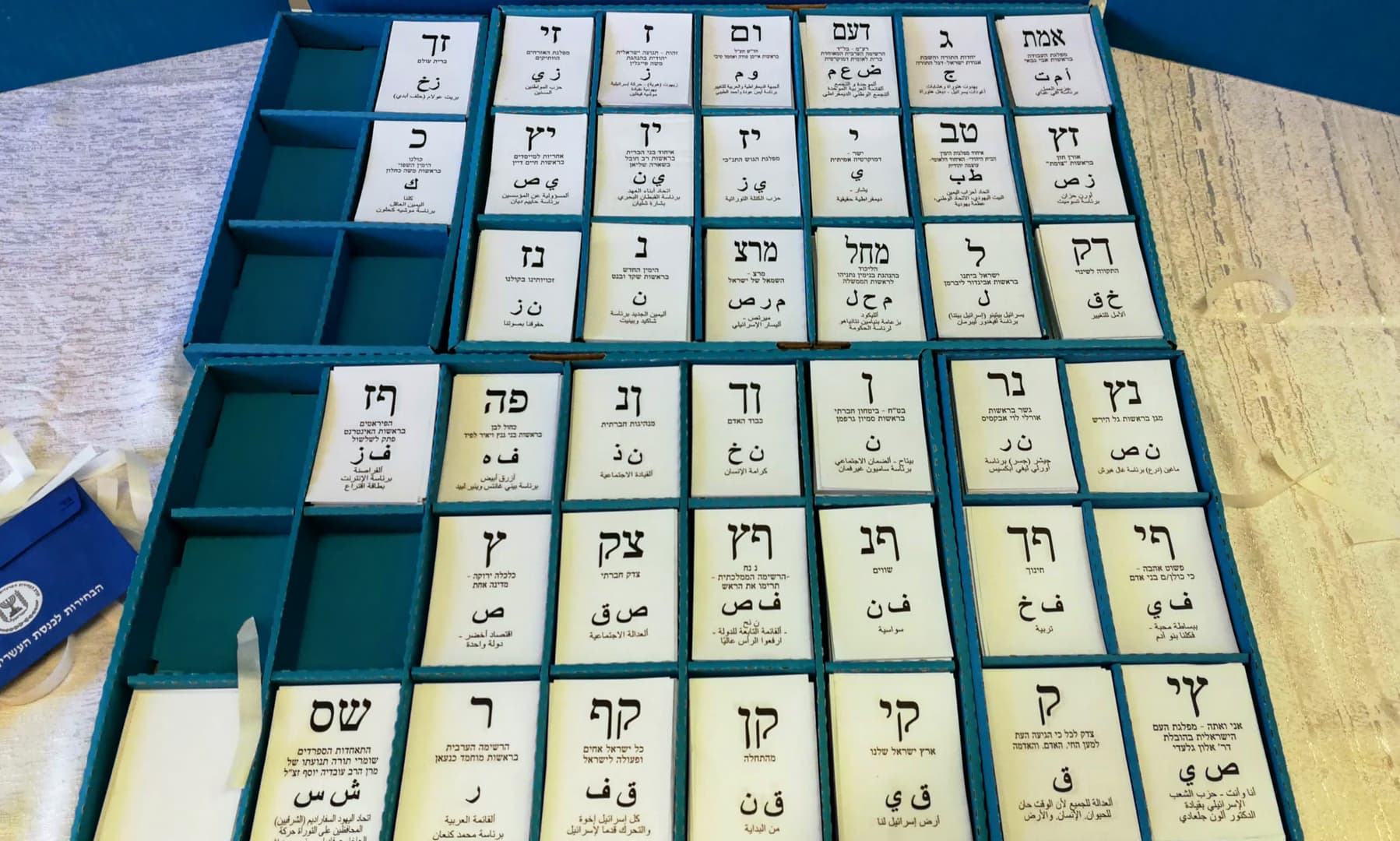
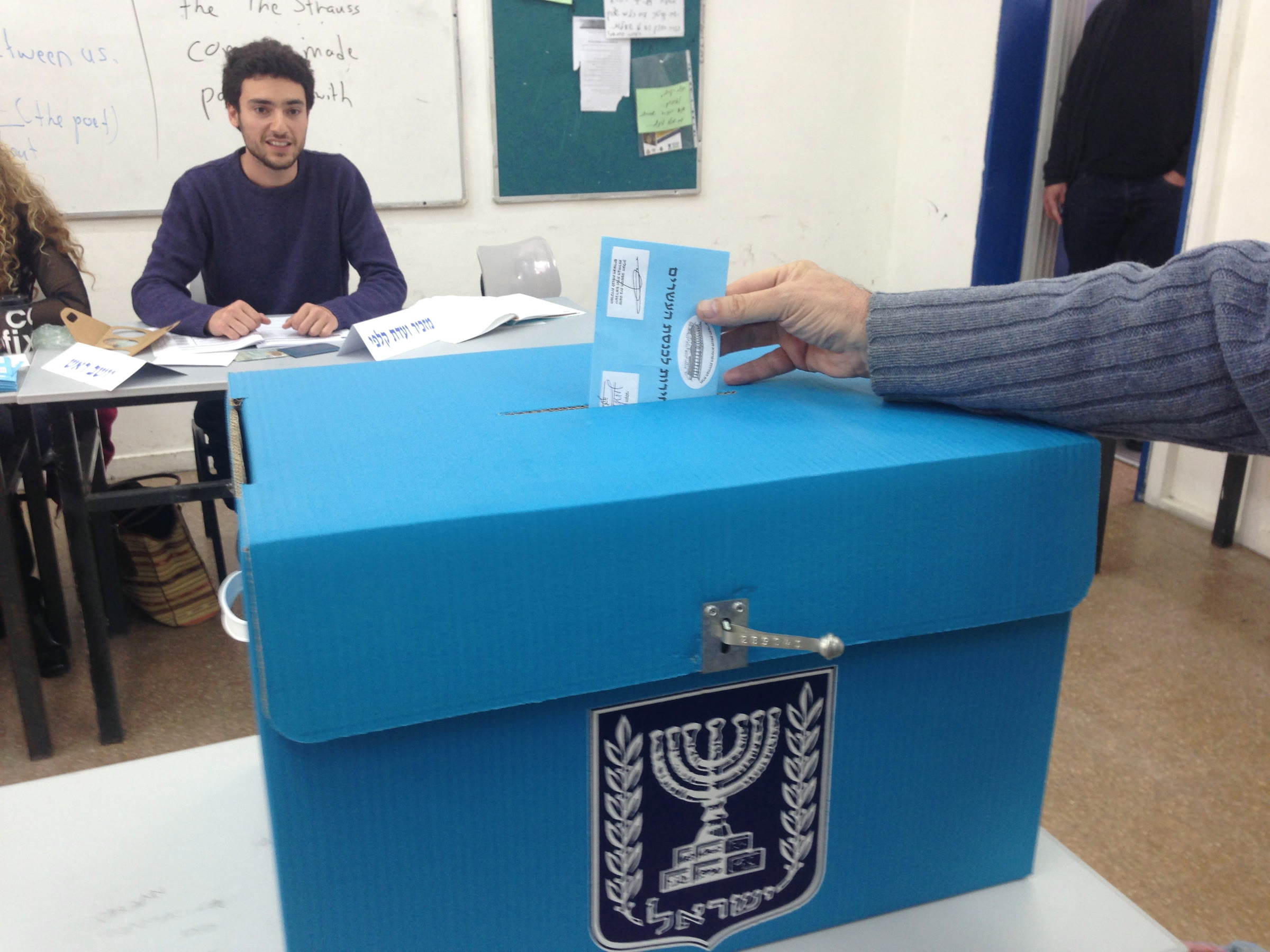
Polling stations in Israel opened Tuesday morning for voters to choose members of the Knesset, in the first general election since the October 7, 2023, attack and the ensuing war on the Gaza Strip, which lasted three years and claimed the lives of tens of thousands of Palestinians.
Voting will continue until 10 p.m. local time at more than 12,000 polling stations. About 7.33 million people are eligible to vote, while at least 35 party lists are competing for the Knesset’s 120 seats. Palestinians in the West Bank and Gaza Strip are not eligible to vote, and the Israeli military imposed a complete closure on the West Bank on election day.
Reuters reported that the election is being held on schedule for the first time since 1988.
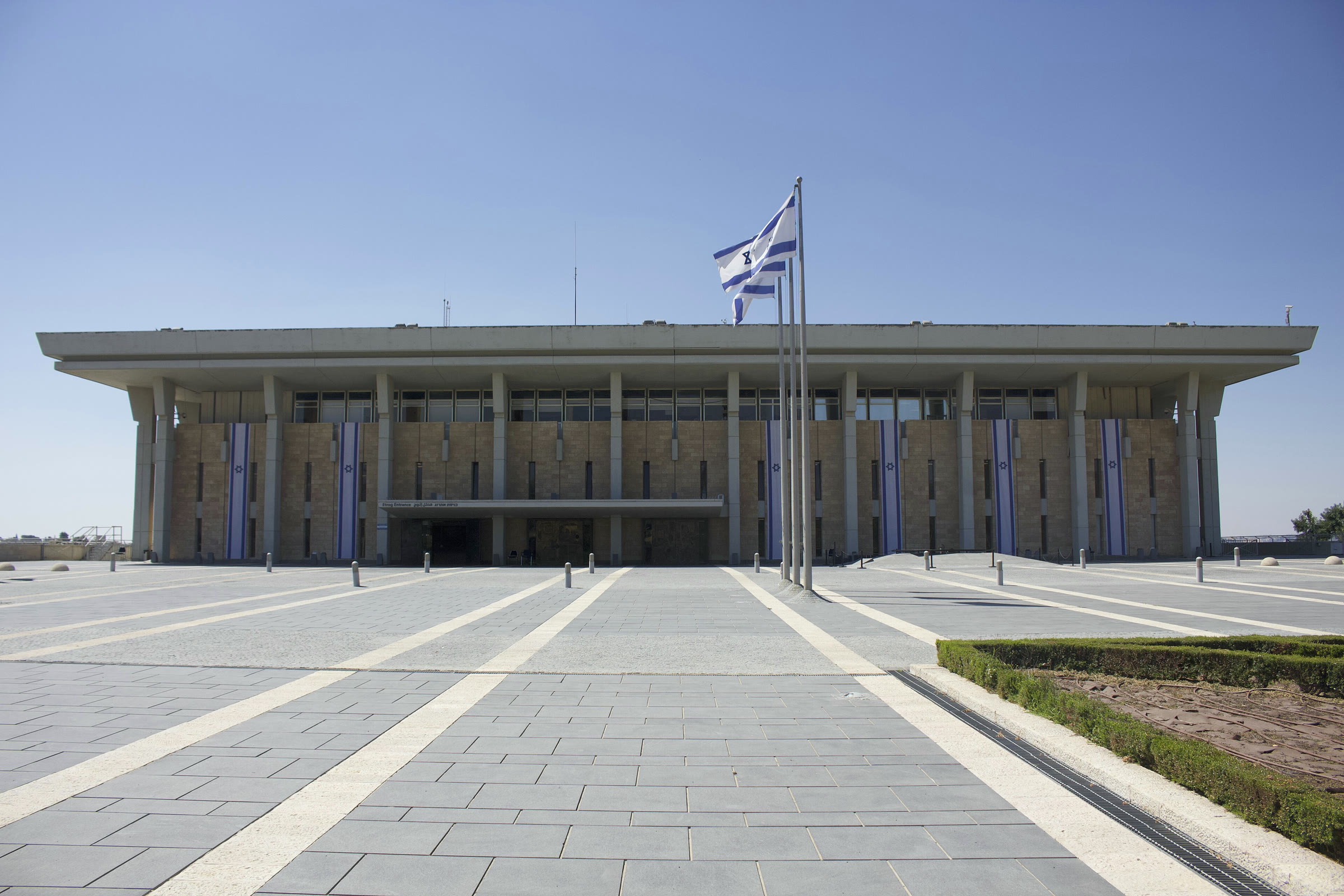
Netanyahu faces accountability test
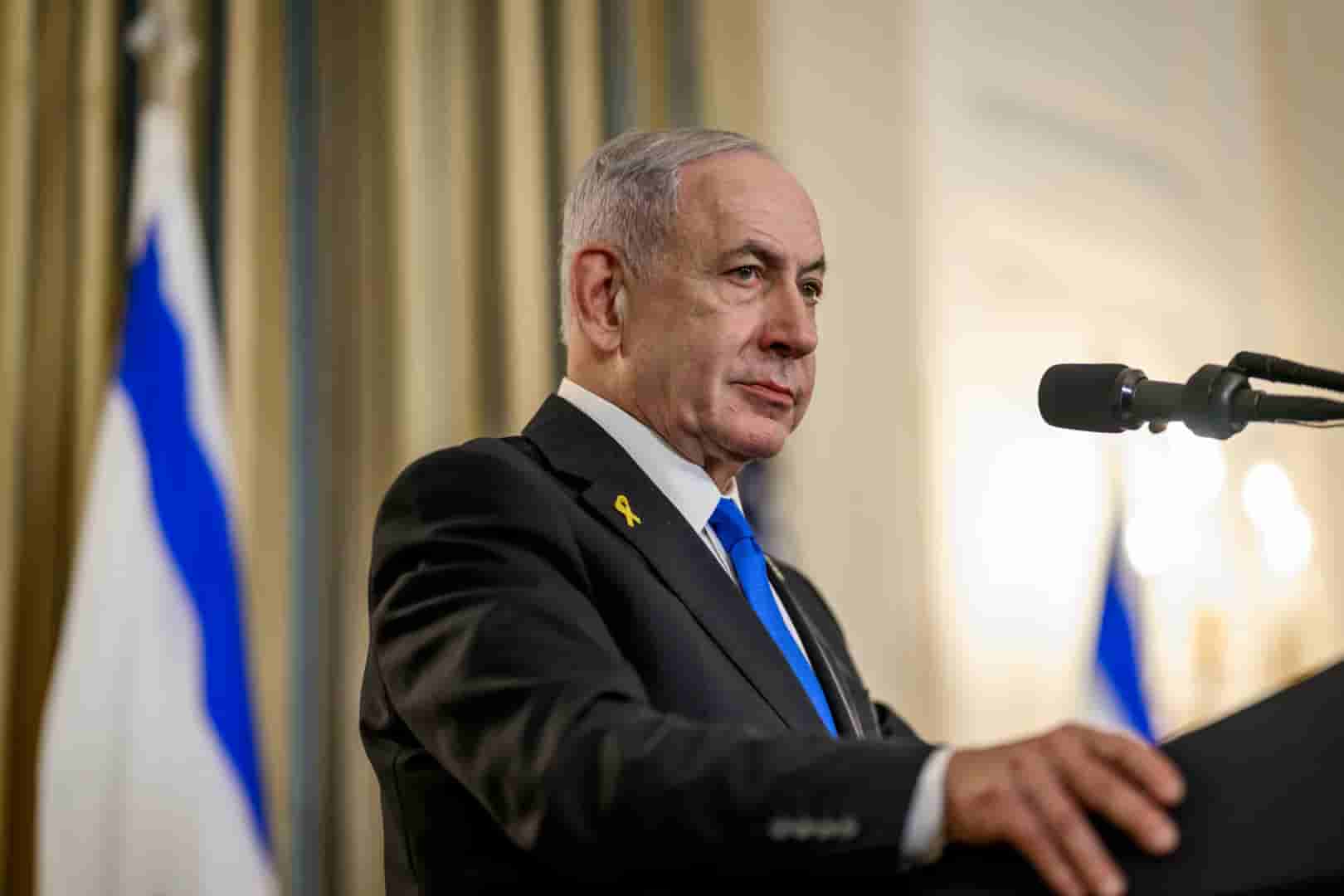
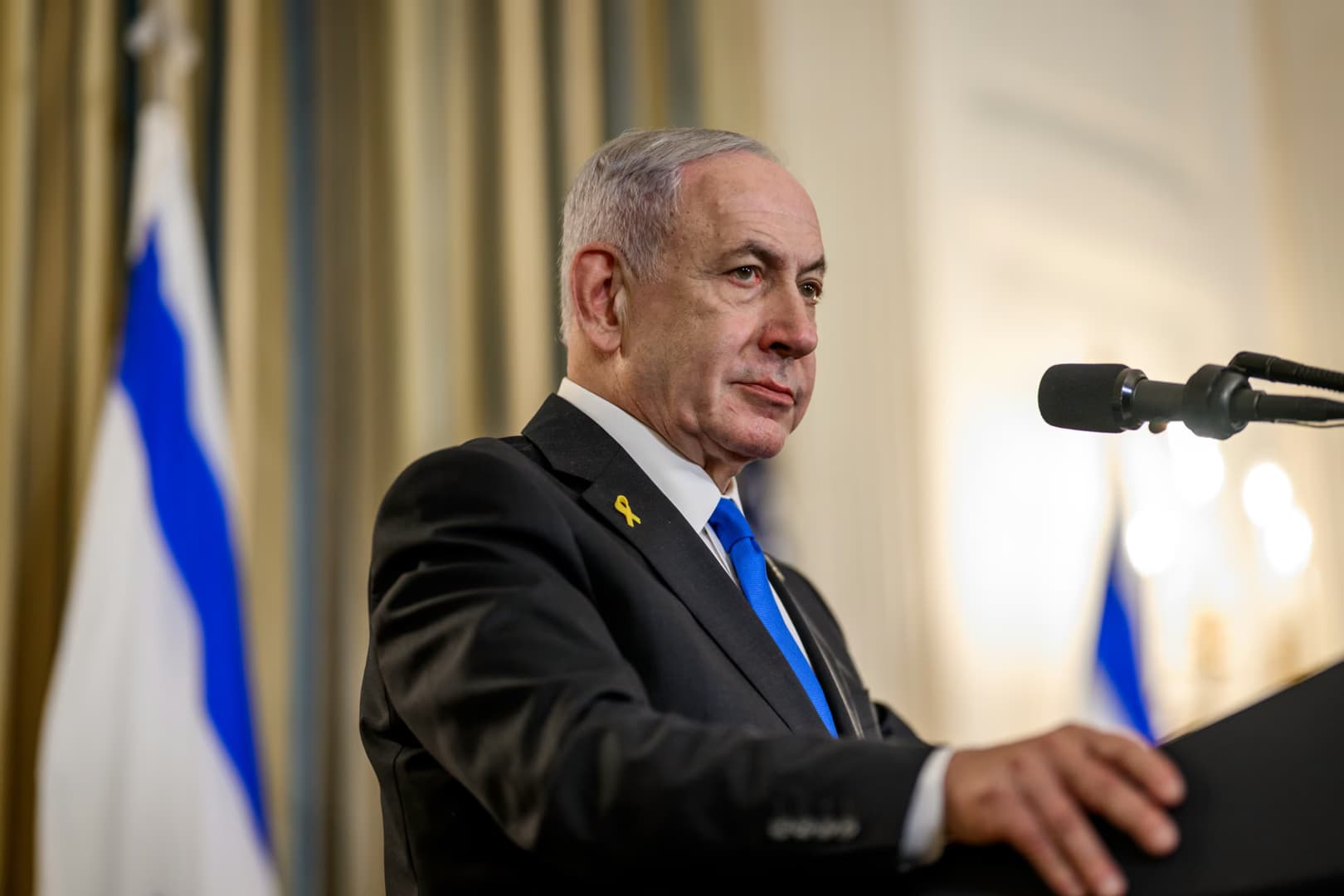
Many opponents of Prime Minister Benjamin Netanyahu see the election as a long-awaited opportunity to hold him accountable for Israel’s biggest security failure in generations. However, Reuters noted that the country’s longest-serving prime minister could evade the accountability sought by his opponents even if he loses his majority.
Netanyahu, 77, denies responsibility for the security failure and rejects calls for an independent commission of inquiry. He maintains that the wars Israel has fought against Hamas in Gaza and its allies in Lebanon and Iran will lead to a more peaceful Middle East. He also faces trial on charges of fraud, breach of trust and bribery, as well as an arrest warrant issued by the International Criminal Court.
The Times of Israel described the election as a moment of reckoning for Netanyahu, saying that his remaining in power would mean the shattering of many people’s “hearts and hopes.”
Key contenders
Netanyahu and his Likud party are competing against former army chief of staff Gadi Eisenkot, who served in the war cabinet during the first months of the war and leads the Yashar party, as well as former Prime Minister Naftali Bennett and opposition leader Yair Lapid.
A recent Maariv poll showed the opposition bloc leading with 54 seats to 48 for Netanyahu’s coalition. Eisenkot also led Netanyahu in a direct preference poll for prime minister, with 49% compared with 41%. Polls give the Yashar party between 21 and 23 seats, compared with 19 for Likud.
No majority expected
No single party is expected to win the 61 seats needed to form a government, something that has never happened in Israel’s history. Parties must surpass the 3.25% electoral threshold to enter the Knesset. Preliminary results are expected after the polls close, while official results will be announced within eight days. President Isaac Herzog will then task one of the lawmakers with forming a government within a period of up to seven weeks.
The conscription of ultra-Orthodox Jews, known as Haredim, and the rising cost of living are among voters’ main concerns. Health authorities in Gaza say that about 74,500 Palestinians have been killed since October 2023.