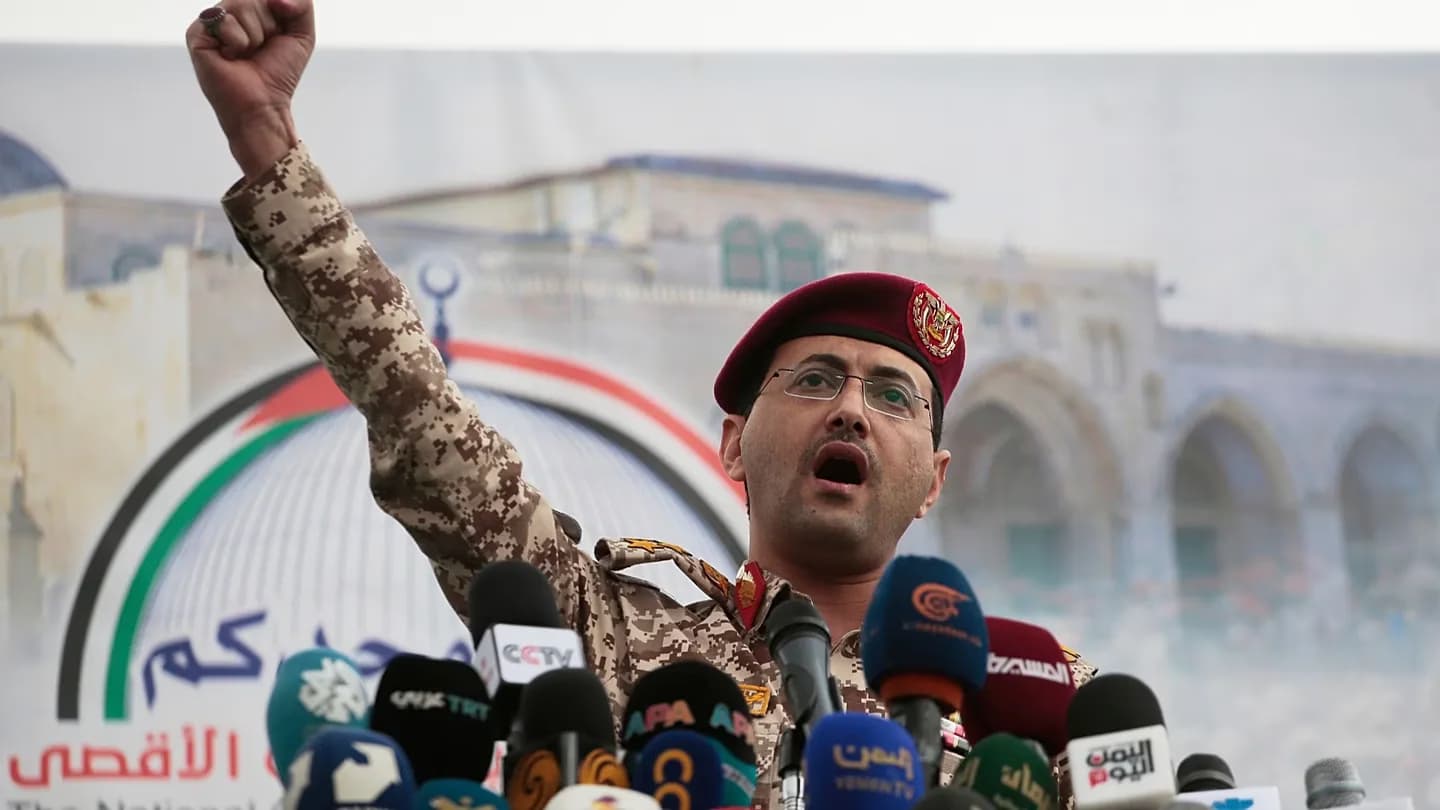
Majid al-Madhaji, president of the Yemen-based research organization Sana Center, argued that the Houthis’ military advance in the Bab al-Mandab Strait and the surrounding islands could have far-reaching consequences for Saudi Arabia’s national security.
According to al-Madhaji, while Iran is encircling Saudi Arabia’s oil shipments through the Strait of Hormuz, the Houthis’ ability to block shipments through Bab al-Mandab is weakening Riyadh. He said this situation was creating a dangerous security environment for the strategic projects of the Gulf states, including Saudi Arabia’s Vision 2030.
Risk to access to western ports
Al-Madhaji said the Houthi advance could limit Saudi Arabia’s ability to use its western ports as an alternative to its ports in the Persian Gulf, adding that the developments represented a threat Riyadh could not ignore.
Al-Madhaji argued that the Houthis could consolidate their gains in Bab al-Mandab and the islands in the area if Saudi Arabia and the Yemeni government did not receive military or political support. He said this could completely alter the regional balance of power.
Iran’s regional influence
Al-Madhaji argued that the Houthis’ military advance had increased Iran’s influence, through its proxies, over the two strategic straits surrounding the Arabian Peninsula. He said this could strengthen Tehran’s ability to harm Gulf states and steer economic interests.
Al-Madhaji warned that the Houthis could become a significant actor capable of establishing ties with non-state actors in the Horn of Africa. He said military activity in Yemen and the possibility of unpredictable escalation were sensitive issues for all parties in the region.

The Houthis’ military capacity
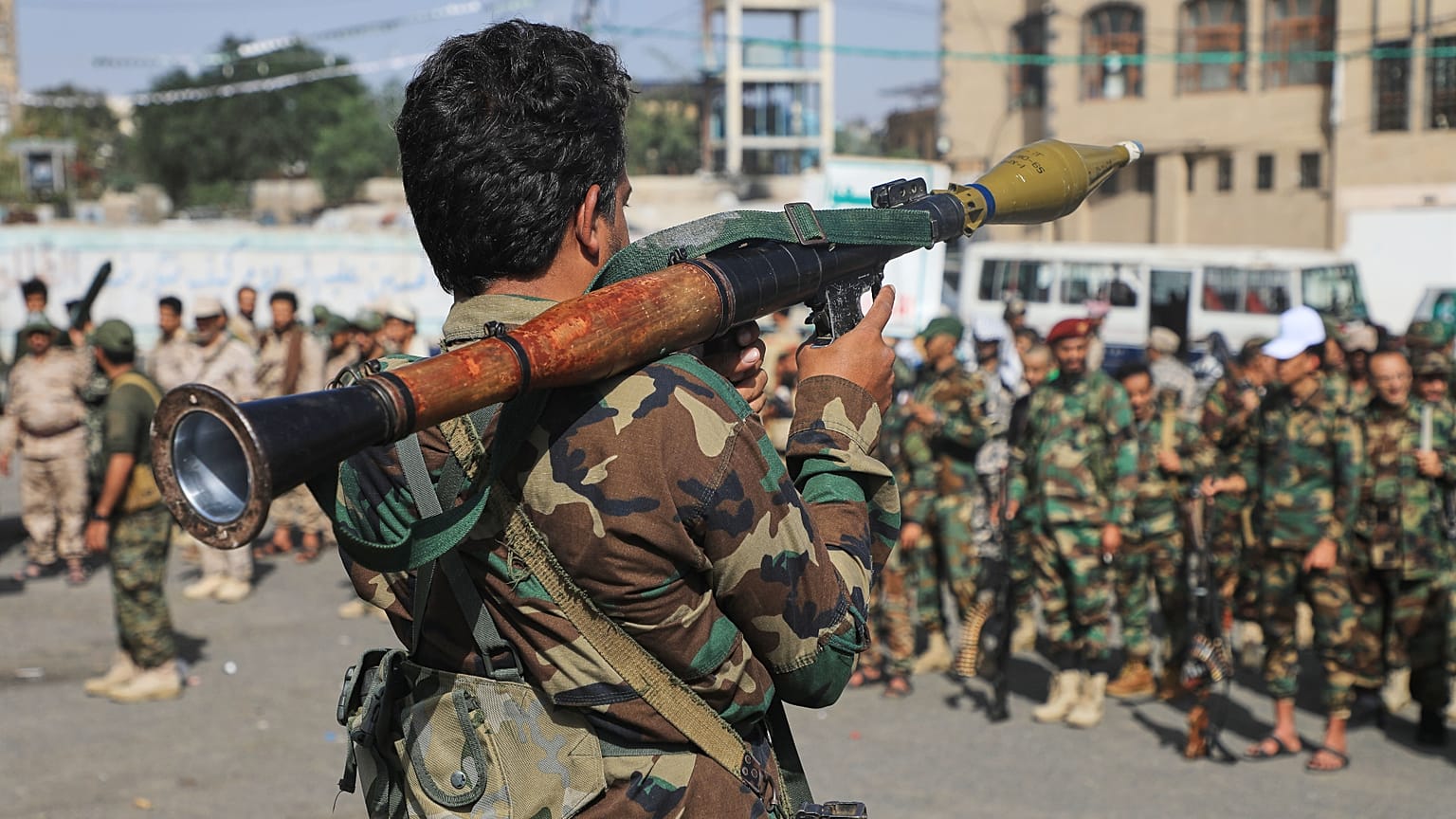
Al-Madhaji said the Yemeni government was seeking to increase its forces’ motivation to fight the Houthis with drones and similar weapons. He argued that the Houthis were directing resources in areas under their control toward military structures rather than public services.
Al-Madhaji said the conflict in Yemen was viewed by the Houthis as one of their fundamental strategic battles. He described the increasingly visible presence on the ground of Iran’s Islamic Revolutionary Guard Corps and the armed groups it supports as one indication of this approach.
Al-Madhaji said the Houthis had exploited Yemen’s political divisions, lack of coordination and weaknesses in operational management. He argued that, in addition to problems in the coalition’s management of military operations, delays in Saudi air support in recent days had also contributed to the advance.
According to figures cited by al-Madhaji, the front held by Yemeni government forces had approximately 40,000 personnel, while the Houthis had assembled around 80,000 fighters. Al-Madhaji said the Houthis’ use of heavy firepower and strategic weapons depots had facilitated their advance, adding that Iranian support had played an important role in the increased use of drones and ballistic missiles.

Impact of previous attacks
Al-Madhaji argued that the Houthis had drawn confidence from surviving previous attacks. He said past attacks on Sana’a and Tehran had given the Houthis greater room for maneuver, adding that earlier targeting of the Houthis by the United States, the coalition in Yemen and other actors had also contributed to the situation.
Al-Madhaji said the actors opposing the Houthis had interests they feared losing, while the Houthis were able to take more effective steps because of their room for maneuver and mobility. He added that the failure to review mistakes made in earlier stages had led to an accumulation of failures among those fighting the Houthis.
Possible U.S. stance
Al-Madhaji argued that the Trump administration was occupied with elections in the United States and that Washington had neither the intention nor the capacity to open a new front. He assessed that the United States could encourage regional forces to fulfill their responsibilities instead of becoming directly involved.
Al-Madhaji said developments in Bab al-Mandab were unfolding at a politically risky time for the United States. He argued that this could weaken U.S. naval power over Iran, adding that Iran had gained an alternative arena in which it could exert influence over the United States in response to pressure applied through naval dominance in the Strait of Hormuz.
Al-Madhaji said Washington’s stance could change if the effects of the closure of Bab al-Mandab began to reach the U.S. public. He said rising oil prices, higher shipping and insurance costs, or a sudden military escalation targeting ships in the Red Sea could trigger such a change.