- BIST10011,117-0.92%
- USD49.65+0.05%
- EUR55.60-0.19%
- GOLD4,007.90-1.29%
- INTEREST36.00%-1.00
- BITCOIN80,429-0.80%
- October 24, 202614°
- BIST10011,117-0.92%
- USD49.65+0.05%
- EUR55.60-0.19%
- GOLD4,007.90-1.29%
- INTEREST36.00%-1.00
- BITCOIN80,429-0.80%
- October 24, 202614°
Arab lists could hold key in Israel election as blocs miss majority
Two opinion polls ahead of Israel’s parliamentary elections planned for October 27 showed that the blocs led by Benjamin Netanyahu and Gadi Eisenkot failed to reach the 61 seats needed to form a government. Arab lists representing Palestinian citizens are expected to play a decisive role in the distribution of seats.


Two polls released ahead of Israel’s parliamentary elections planned for October 27 showed that no political bloc had reached the 61 seats needed to form a government in the 120-seat Knesset.
In the first poll, the opposition bloc led by Gadi Eisenkot was expected to win 54 seats, while the bloc led by Benjamin Netanyahu was projected to take 50. The second poll put the figures at 56 and 50, respectively.
Yashar leads the opposition bloc
According to the first poll, Yashar, led by Eisenkot, was expected to come first with 22 seats. Likud was projected to win 19 seats, while Beyahad was forecast to take 14, the Democrats 10 and Our Home Israel 8 seats.
Jewish Power, Religious Zionism and United Torah Judaism, parties in Netanyahu’s bloc, were each projected to win 8 seats, while Shas was expected to take 7.
Two Arab lists representing Palestinian citizens of Israel were expected to win a combined 16 seats. The United List was projected to take 9 seats and Raam 7, with the parties expected to play a decisive role in coalition talks.
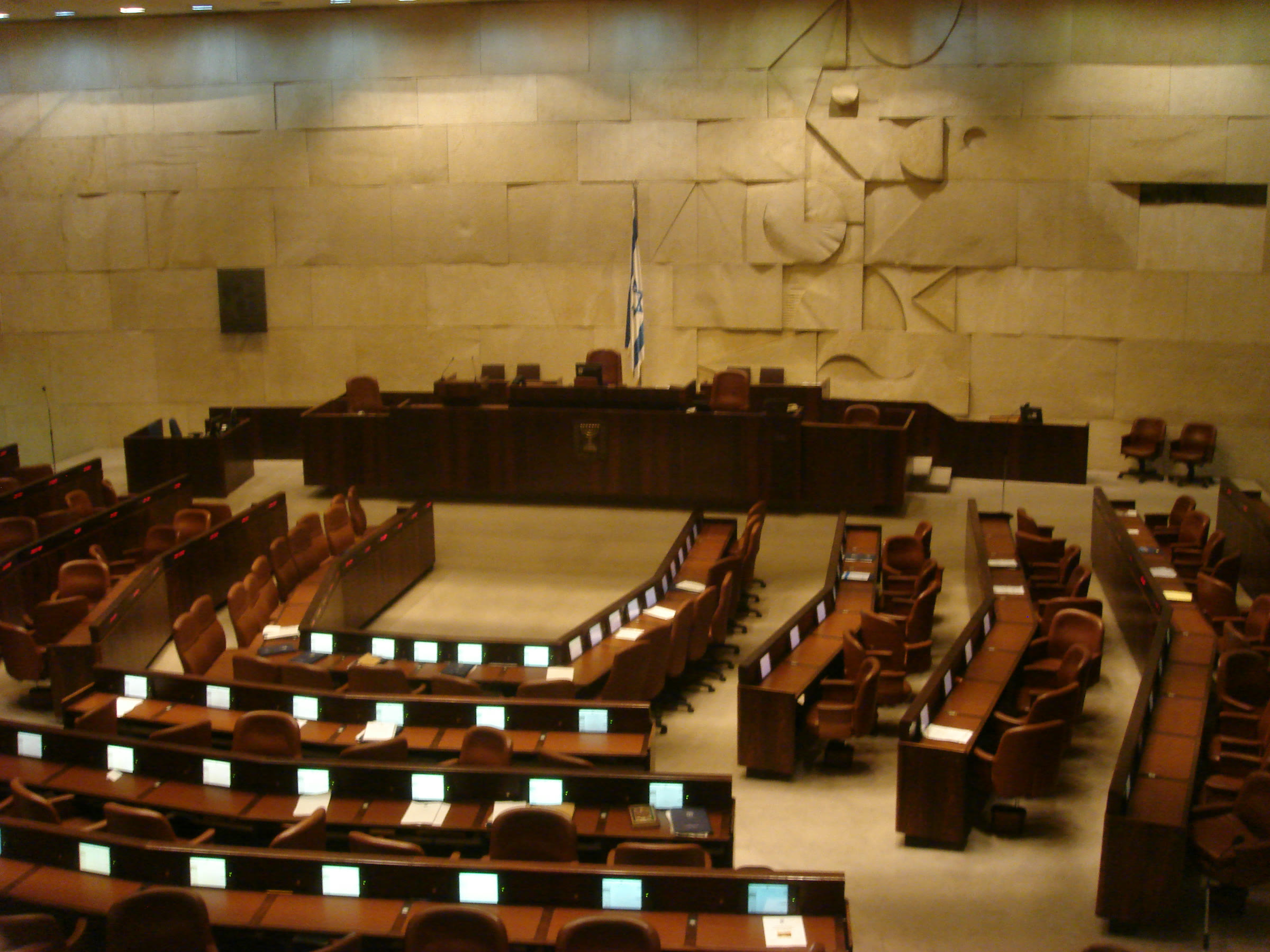
The parties of Ofer Winter, Yoaz Hendel and Mati Leitner were not expected to pass the 3.25 percent electoral threshold. A total of 1,875 people took part in the first poll, which had a margin of error of 2.3 percentage points.
Second poll also leaves blocs short of 61 seats
The second poll projected that the opposition bloc would win 56 seats, while Netanyahu’s bloc was expected to remain at 50. Yashar was projected to take 23 seats, Likud 21, Beyahad 15 and the Democrats 10.
Our Home Israel, Jewish Power and Shas were each projected to win 8 seats, while United Torah Judaism was expected to take 7 and Religious Zionism 6. The two Arab lists representing Palestinian citizens were expected to win a combined 14 seats.
The second poll also projected that the parties of Ofer Winter, Yoaz Hendel and Mati Leitner would fail to win enough votes to enter parliament. A total of 1,018 people took part in the poll, which had a margin of error of 4.4 percentage points.
The seat projections in the polls indicate that difficult coalition talks may be needed to form a government after the election.
Source: Anadolu Ajansı
Have a story, event or announcement of your own?Send us your news on WhatsApp
Spotted an error in this story?Report it on WhatsApp
Share on all social platforms
Sponsored Ads
Featured Listings
Loading featured properties...
Stay Updated with Hilal Times
Subscribe to be informed about special news, developments and announcements. We will keep you informed.
By signing up, you agree to our Privacy Policy