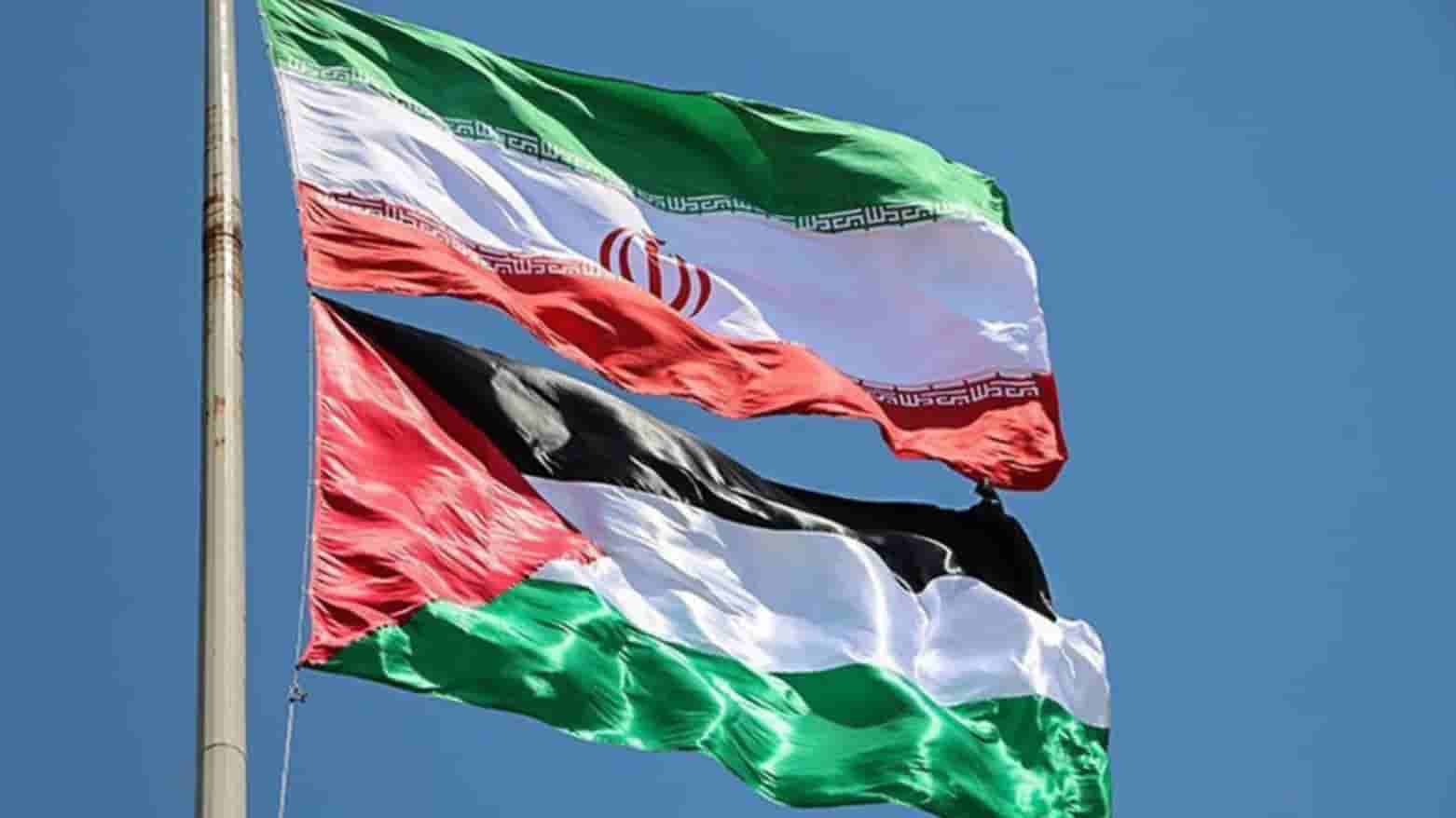
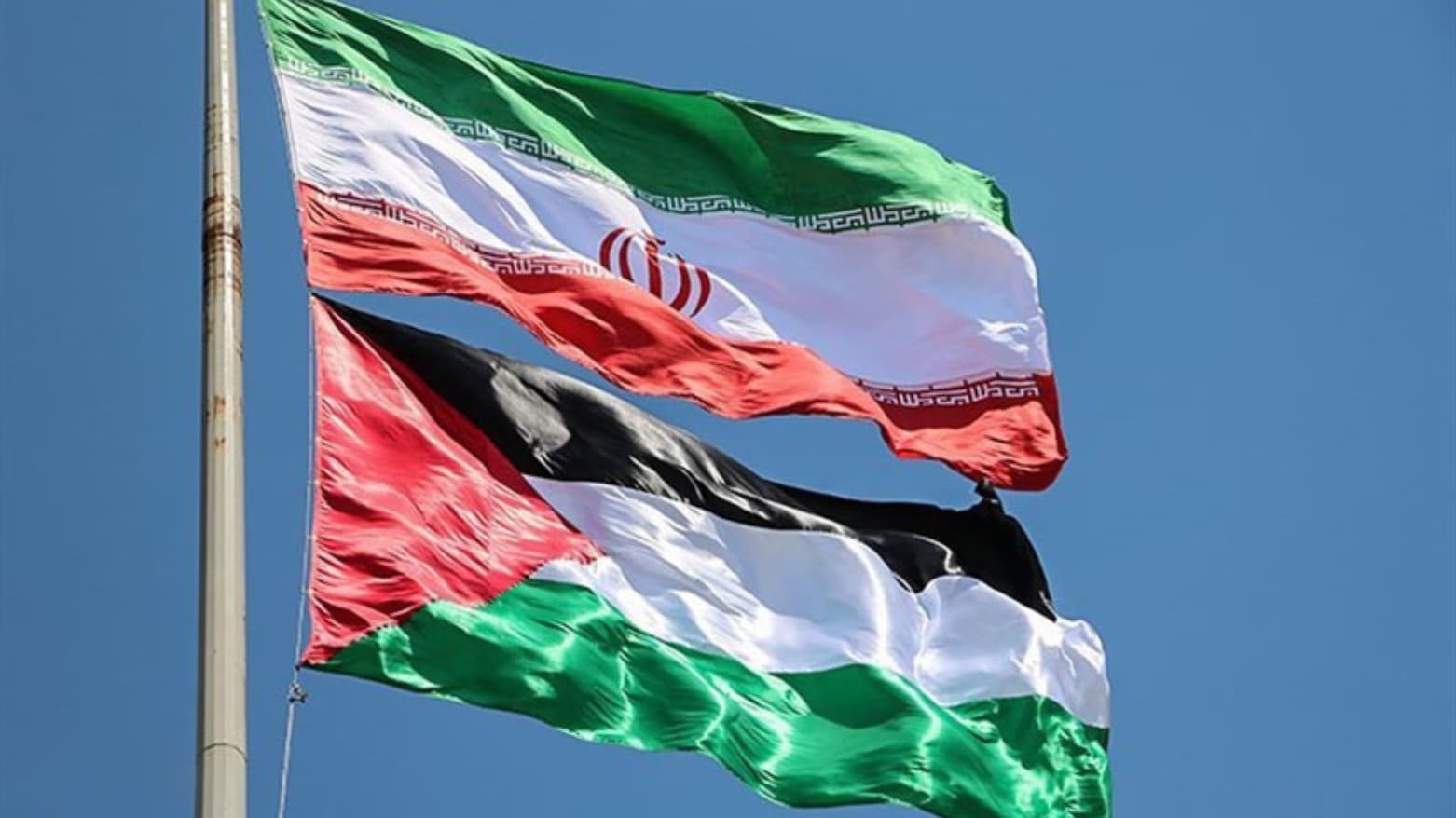
Iranian President Masoud Pezeshkian held a phone call with Hamas's new political bureau chief, Khalil al-Hayya. According to a written statement from Hamas, Pezeshkian congratulated Hayya on his appointment, saying, 'We stand by you and support you in every step you take despite the attacks we face.'
Iran's message of support came right after US President Donald Trump announced a historic deal foreseeing the complete disarmament of Hamas. The Trump administration is pursuing a roadmap through the Peace Council to remove Hamas from governance in Gaza and secure the handover of heavy weapons.
However, Hamas states that it favors a conditional process regarding disarmament. The group says it could agree to store weapons if Israel halts its attacks, withdraws its forces, and allows more aid into Gaza. Hamas avoids using the word 'disarmament' in its statements and stresses that weapons would remain under Palestinian control.
Trump said in a statement in recent days that 'a historic agreement' was signed for the complete disarmament of Hamas and other armed groups. The Peace Council consists of figures such as US Secretary of State Marco Rubio, special envoy Steve Witkoff, Jared Kushner, and former British Prime Minister Tony Blair, and will oversee the reconstruction of Gaza under Trump's presidency.
The council is reported to have also caused tension on the Israeli side. The council's High Representative for Gaza, Nickolay Mladenov, and advisor Aryeh Lightstone met with Israeli Prime Minister Benjamin Netanyahu and demanded a halt to the attacks. Israel, however, rejected the demand, saying, 'We will not withdraw from the current line; we will continue to prevent threats to our civilians and soldiers.'
Michael Milstein, head of the Palestinian Studies Center at Tel Aviv University, said that the full disarmament of Hamas is a very low probability. Milstein stated that Hamas might be willing to hand over day-to-day governance to a technocratic government but aims to maintain its military structure, similar to Hezbollah's model in Lebanon.
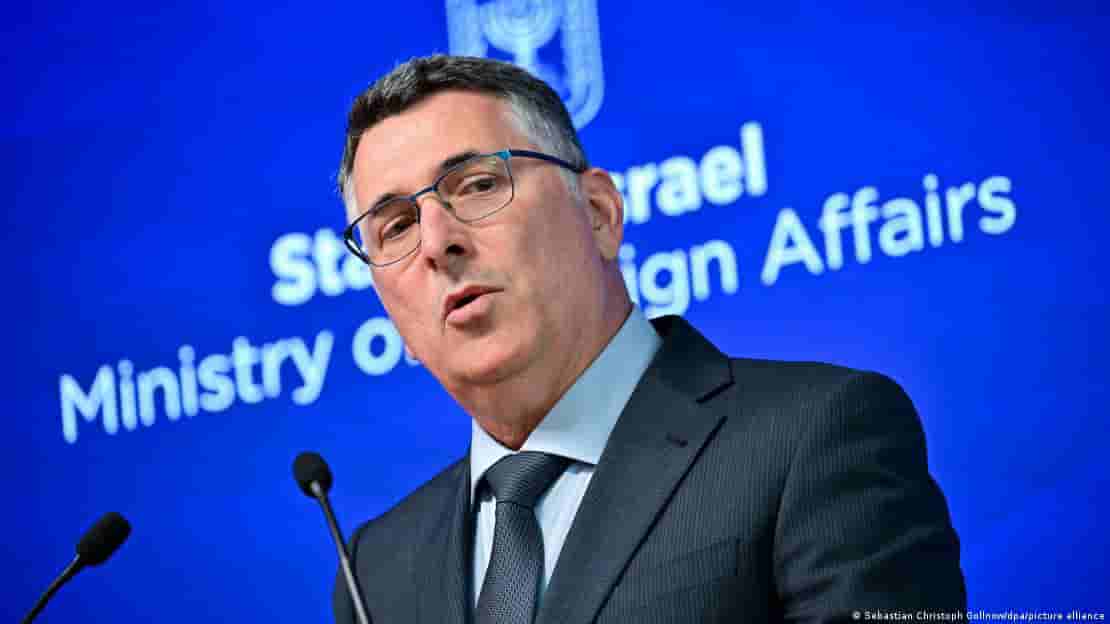
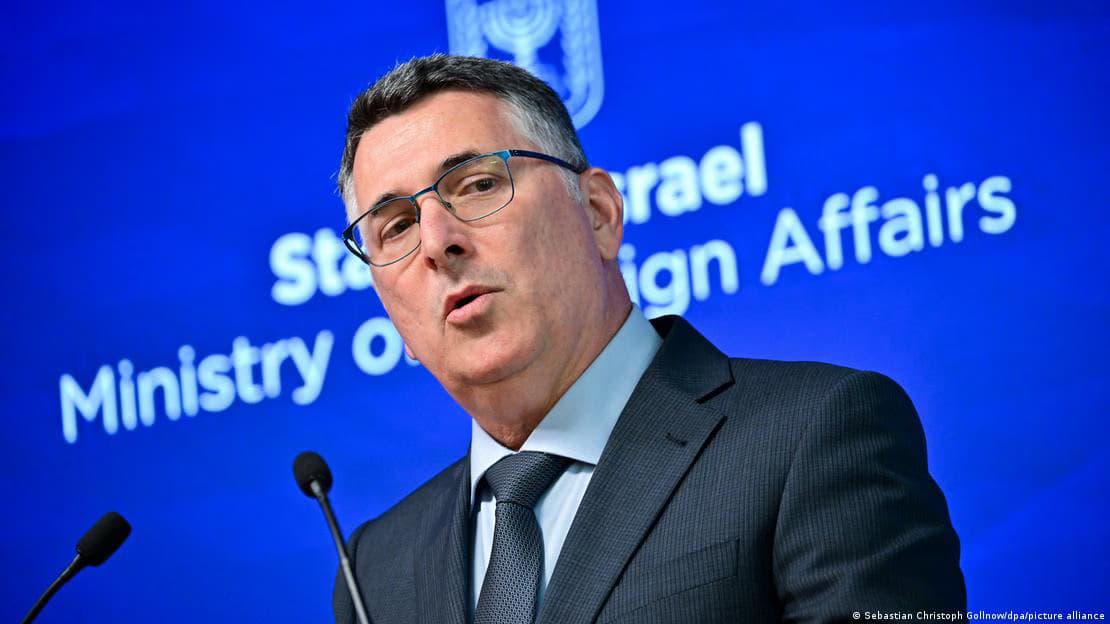
There is also resistance to the deal within the Israeli government. Finance Minister Bezalel Smotrich and Settlement Minister Orit Strock called on Netanyahu to convene an urgent security cabinet meeting and demanded that the entry of an international stability force into Gaza be prevented. The ministers argued that the roadmap is 'dangerous' for Israel and does not guarantee the complete disarmament of Hamas.
Palestinian lawyer Mumin al-Natur, a founder of the anti-Hamas 'We Want to Live' movement, said that civilians want the deal to succeed but do not trust that Hamas will give up power. Al-Natur, who was previously imprisoned by Hamas, argued that the group would continue to stay in Gaza through delay and violation tactics.
Although Trump's announced deal is seen as a critical step for Gaza's reconstruction, the question of whether Hamas will lay down its weapons remains unanswered. Iran's support and internal opposition highlight the fragility of the process.