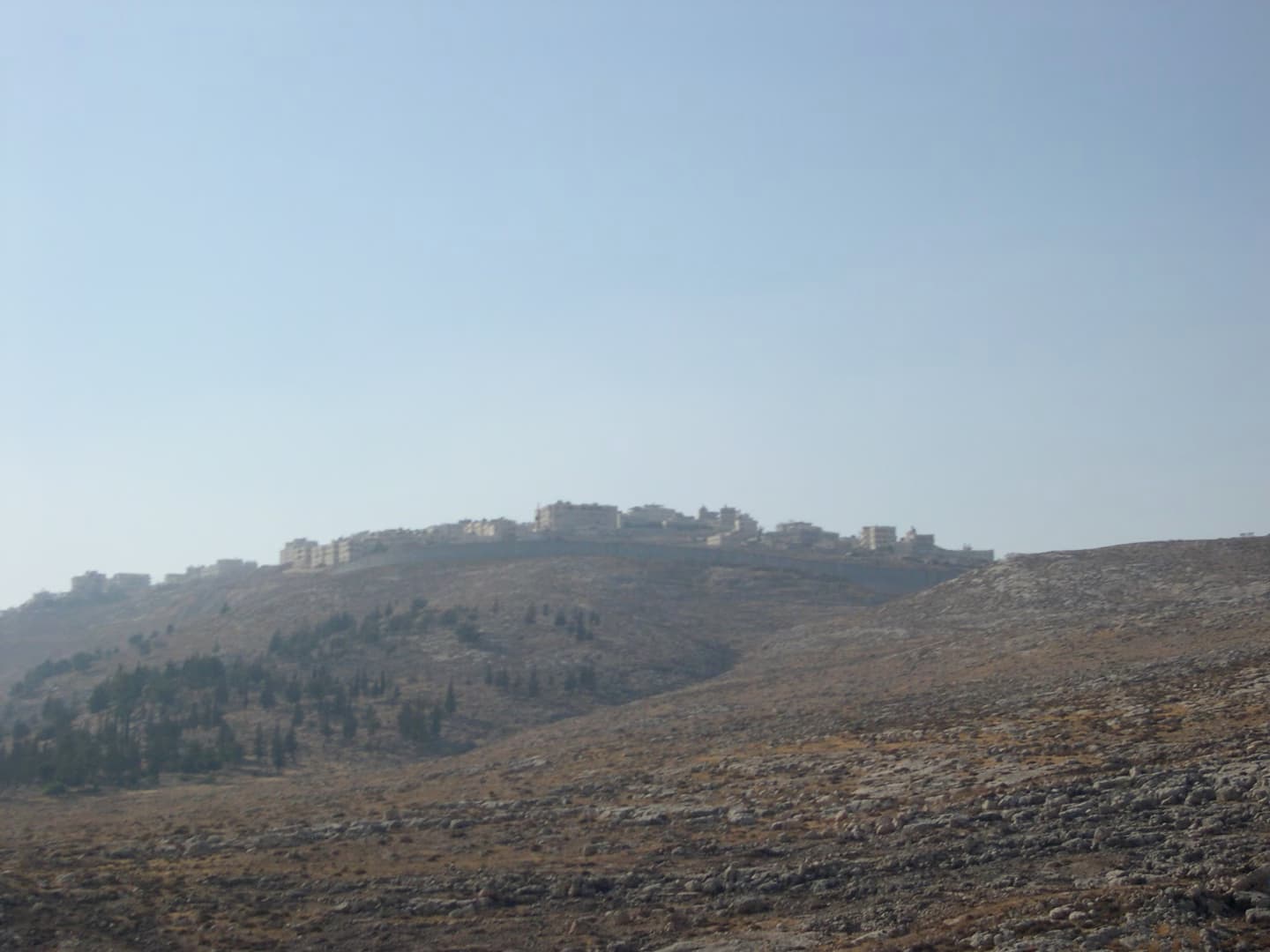
Israel plans to destroy in the coming days two underground routes beneath the Ali al-Taher Hills in southern Lebanon. Israeli forces are expected to withdraw gradually from the area after the routes are detonated.
The plan forms part of an arrangement for Israel’s withdrawal from the area it defines as a security zone. Israel has claimed that no armed elements remain in the underground routes.
The plan will be submitted first to military and then political authorities
The proposal is expected to be presented to the Israeli army’s Northern Command this week before being sent to the political leadership. Under the plan, forces would withdraw from their current position, defined as the yellow line, to the gray line, about 2 to 4 kilometers from the Israeli border.
The Israeli army plans to establish about 20 permanent military positions along the gray line. The army also claimed on Thursday that it had established operational control above and below ground around the Ali al-Taher Hills.
The return of displaced people will be discussed in talks in Rome
In a message Israel conveyed to the Lebanese government through the United States, it said that displaced people would not be allowed to return for now to the areas from which Israeli forces withdraw. The issue is expected to be discussed in direct Israeli-Lebanese talks scheduled to resume in Rome this month.
Tensions in southern Lebanon have risen as Israeli attacks intensified in recent days. The Israeli army said it had intercepted an unmanned aerial vehicle that it claimed Hezbollah had sent toward its forces operating in the area it defines as a security zone in Lebanon.
Attacks continue despite the June 26 agreement
Attacks have continued despite the framework agreement signed by Israel and Lebanon on June 26 with U.S. support. The agreement calls for the deployment of the Lebanese army in the area in exchange for the gradual withdrawal of Israeli forces from Lebanese territory.
Lebanese authorities said that Israeli attacks on Lebanon had killed 4,362 people, wounded 12,378 and displaced more than 1 million people since March 2. Israeli forces continue to maintain a presence in some areas of southern Lebanon, and the current conflict has seen them advance more than 10 kilometers into Lebanese territory.