- BIST10011,151-0.01%
- USD49.76+0.22%
- EUR55.75+0.28%
- GOLD4,075.20+0.01%
- INTEREST36.00%-1.00
- BITCOIN80,756+0.93%
- October 28, 202613°
- BIST10011,151-0.01%
- USD49.76+0.22%
- EUR55.75+0.28%
- GOLD4,075.20+0.01%
- INTEREST36.00%-1.00
- BITCOIN80,756+0.93%
- October 28, 202613°
Netanyahu's bloc loses majority as Arab parties win record 17-18 seats
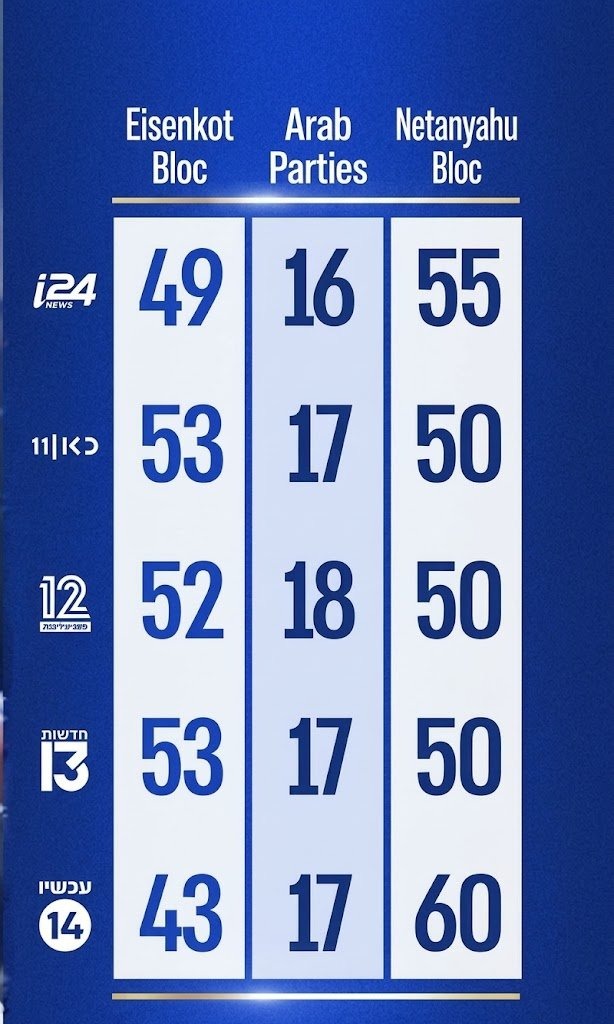
Exit polls in Israel's elections showed Netanyahu's bloc falling to 50 seats and losing its majority, while Gadi Eisenkot's bloc led with 53 seats and Arab parties won a record 17 to 18 seats. No bloc reached the majority threshold.
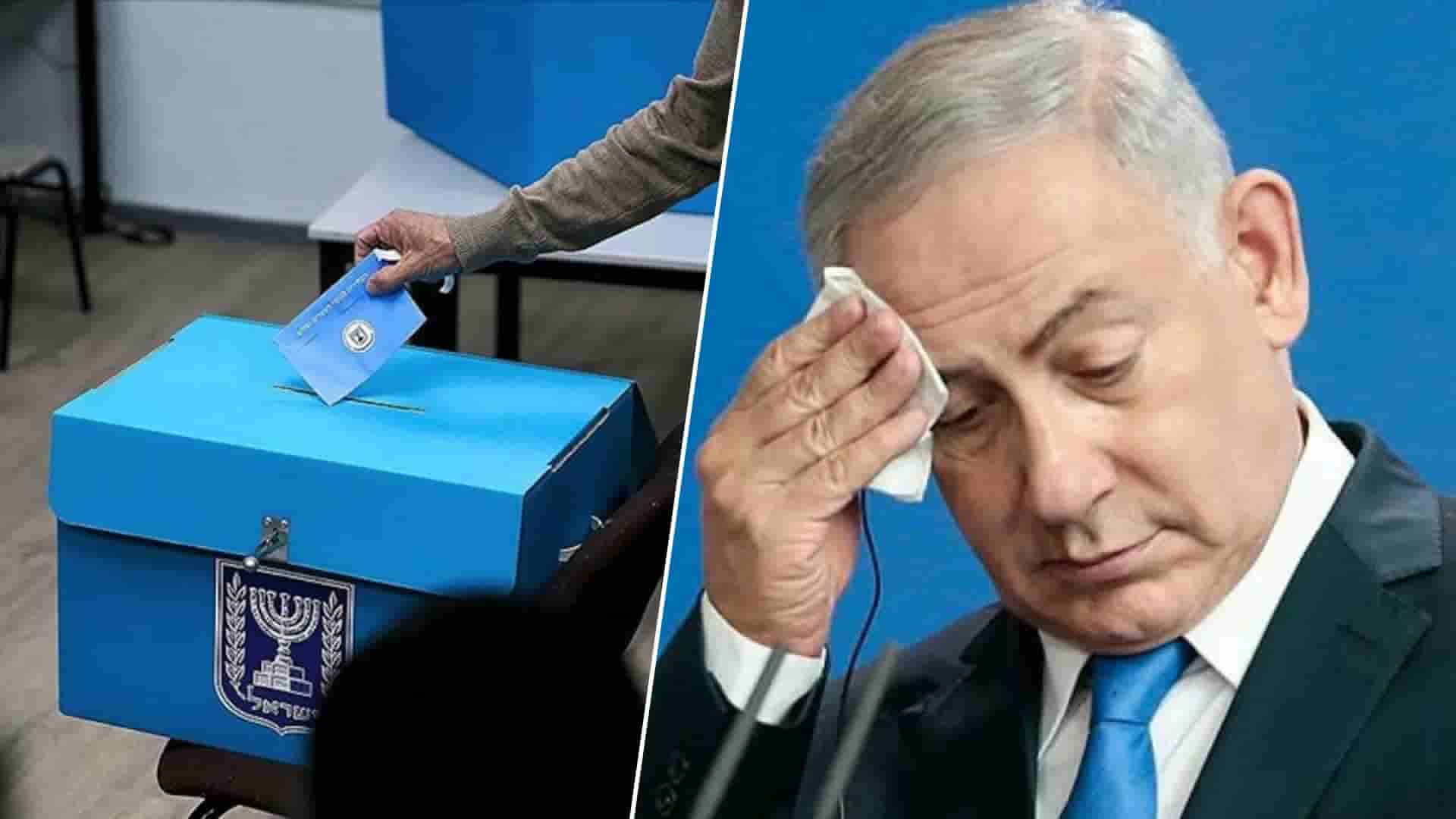
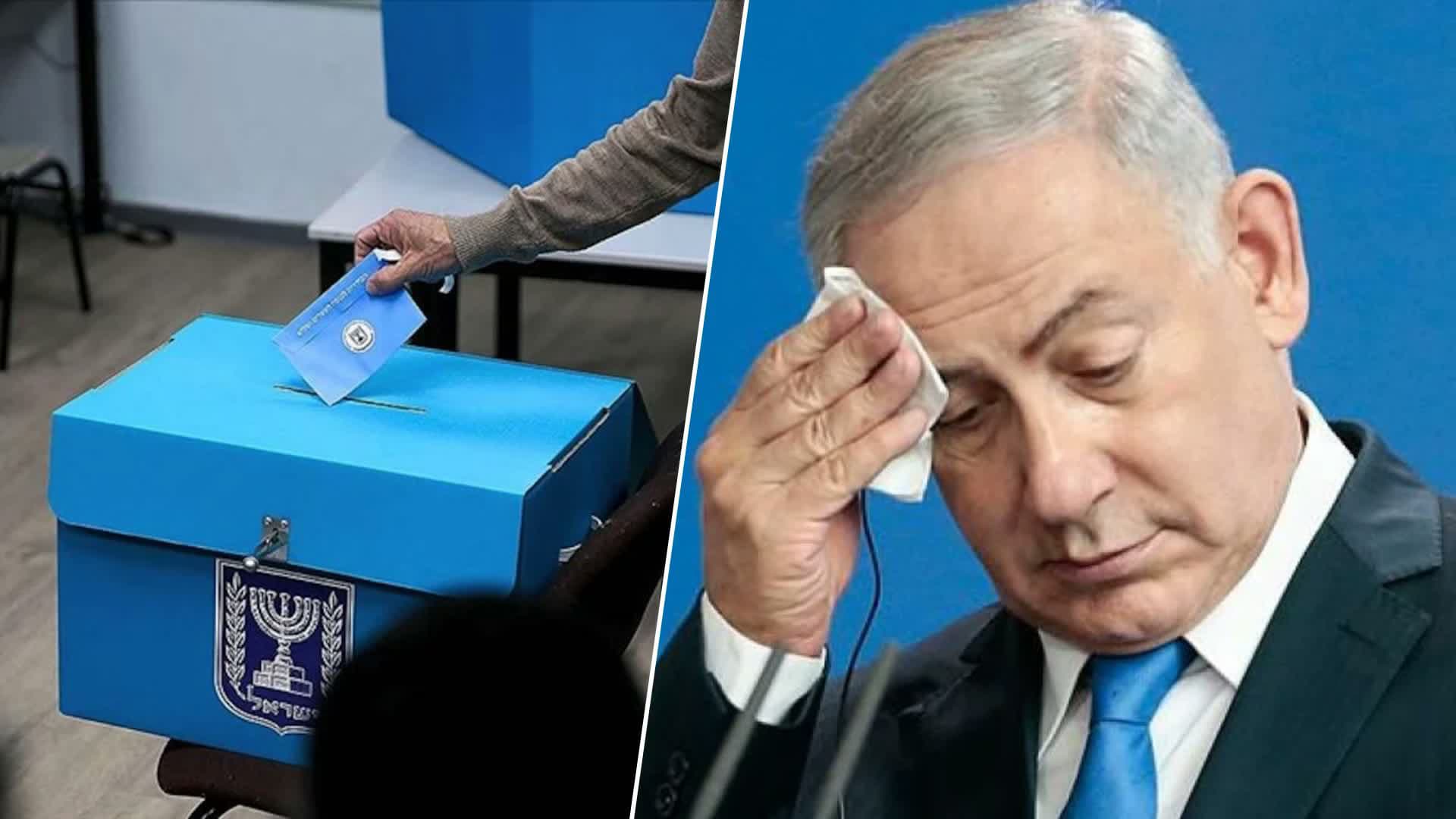
Israeli Prime Minister Benjamin Netanyahu's bloc lost its majority in the Knesset, according to exit polls broadcast by Israeli channels immediately after polling stations closed. The bloc that led the war on Gaza fell to just 50 seats, down from the 64 it won in the 2022 election, while opposition leader Gadi Eisenkot's bloc advanced to 52-53 seats. Neither bloc reached the 61 seats needed for a majority.
According to the public broadcaster Kan and Channel 13, Eisenkot's bloc won 53 seats, compared with 50 for Netanyahu's bloc and 17 for the Arab parties, while Channel 12 gave Eisenkot's bloc 52 seats and the Arab parties 18. The Likud came first with between 24 and 25 seats, followed by the Yashar party, led by Eisenkot, with between 21 and 23 seats. The i24 channel and Channel 14, which is close to Netanyahu, gave his bloc 55 and 60 seats, respectively.
Arab parties achieve record result
The Joint List and the United Arab List won a combined 17 to 18 seats, the highest representation for Arab parties in the history of the Knesset. The election day saw long queues in Arab towns, while Bedouin voters in Shaqib al-Salam waited more than four hours to cast their ballots. Overall turnout reached 74.3% by 8 p.m., the highest at that hour in an election since 1988.
In remarks to his supporters broadcast by Channel 12, a leader of the Arab parties said: "We will continue our campaign to send the far-right government, Netanyahu, Ben-Gvir and Smotrich, to their homes," describing it as a "government of blood" and a "Kahanist government" that "started the wars." He added: "We will continue the struggle for equality among all citizens, Jews and Arabs, and for a just peace based on the establishment of a Palestinian state along the 1967 borders."
Netanyahu's call with the Haredim
In the final hours before the polls closed, Channel 12 journalist Amit Segal published a recording of a call Netanyahu made with a figure from the Haredi community. Netanyahu asked why Haredi voters were staying away from the polls, saying: "Have they gone mad? Do they want a left-wing government here?" His interlocutor replied that the Haredim were "not convinced that anyone will keep their promise" after four years of unfulfilled pledges concerning military enlistment. Netanyahu responded: "How can I give them guarantees now, with an hour and a half left?"
Throughout election day, Netanyahu had urged voters to oppose Arab voters, warning of a "Mansour Abbas and Ahmad Tibi government" and saying that some people were "trying to steal the election." In response, United Arab List leader Mansour Abbas said Netanyahu was using his party as a "bogeyman," stressing that his party "will bring down Netanyahu, Smotrich and Ben-Gvir."
Opposition: crushing defeat
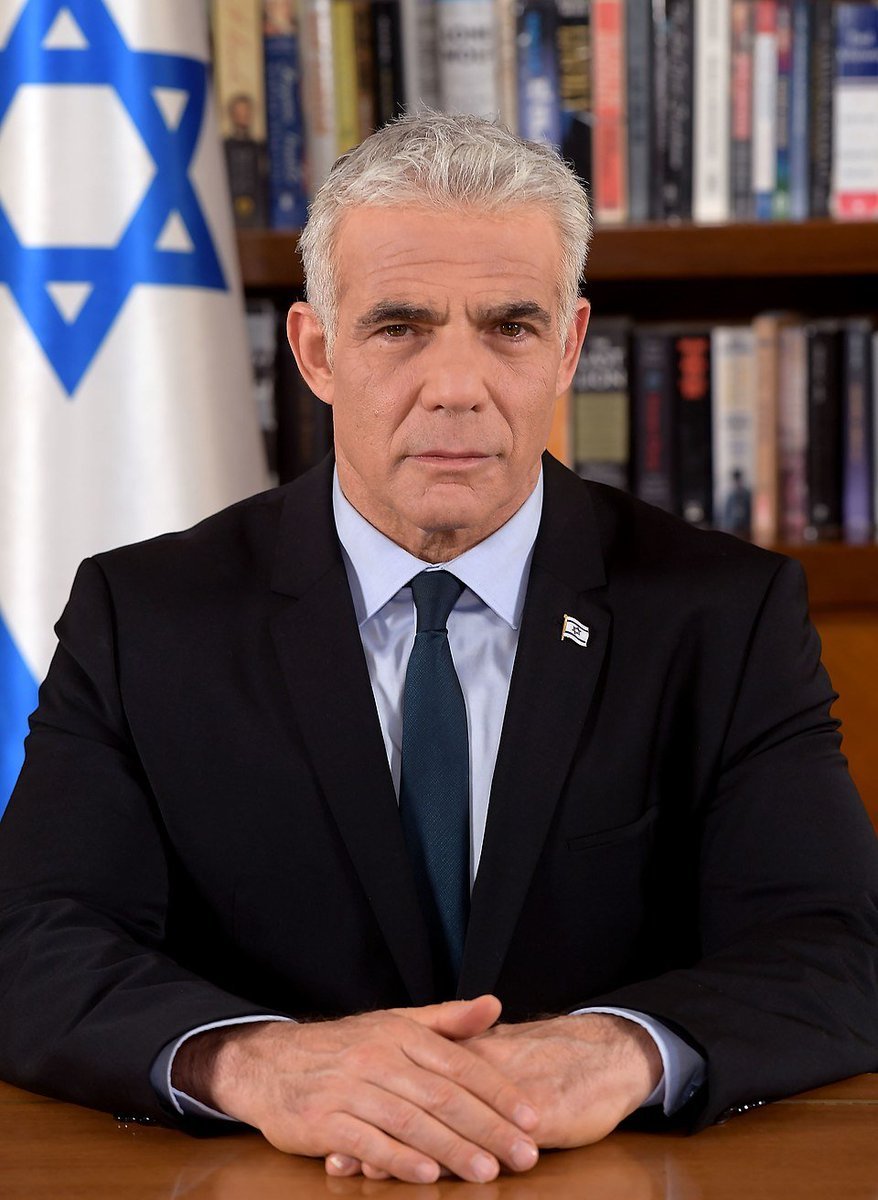
Opposition leader Yair Lapid said Netanyahu had suffered a "crushing defeat," while Democratic Party leader Yair Golan said: "The people have spoken; they have dismissed Netanyahu's government. We have a historic opportunity to establish a genuine government of change, and we do not intend to give it up." Eisenkot said the results reflected a lack of confidence in Netanyahu and the "October 7 government," pledging to move quickly to form an alternative "Zionist government."
Eisenkot is not a Palestinian alternative
However, Eisenkot's rise does not signal a change in policy toward the Palestinians. He served as chief of staff and took part in the war cabinet during the war on Gaza, and his name has been associated with the "Dahiya doctrine," which is based on using excessive force against civilian areas. His pledge to form a "Zionist government" also means excluding Arab parties from government. Around 391,000 Palestinians in occupied East Jerusalem remain unable to vote because Israel does not consider them citizens.
The Central Elections Committee is expected to announce the official results in the coming days. President Isaac Herzog will then begin consultations with the parties to task a candidate with forming a government, while Netanyahu could remain prime minister of a caretaker government throughout the coalition negotiations.
Have a story, event or announcement of your own?Send us your news on WhatsApp
Spotted an error in this story?Report it on WhatsApp
Share on all social platforms
Sponsored Ads
Featured Listings
Loading featured properties...
Stay Updated with Hilal Times
Subscribe to be informed about special news, developments and announcements. We will keep you informed.
By signing up, you agree to our Privacy Policy