- BIST10011,577-1.87%
- USD49.58+0.05%
- EUR55.62+0.09%
- GOLD4,151.70+0.22%
- INTEREST37.00%-1.00
- BITCOIN84,488+1.87%
- October 21, 202615°
- BIST10011,577-1.87%
- USD49.58+0.05%
- EUR55.62+0.09%
- GOLD4,151.70+0.22%
- INTEREST37.00%-1.00
- BITCOIN84,488+1.87%
- October 21, 202615°
Sudan's gold sector hit by US, EU sanctions; 4 million miners at risk
US sanctions imposed over chemical weapons allegations and the EU's ban on gold imports are further squeezing Sudan's war-weakened economy. Experts say the sanctions threaten gold mining, which supports 4 million people, and have cut off financing channels.


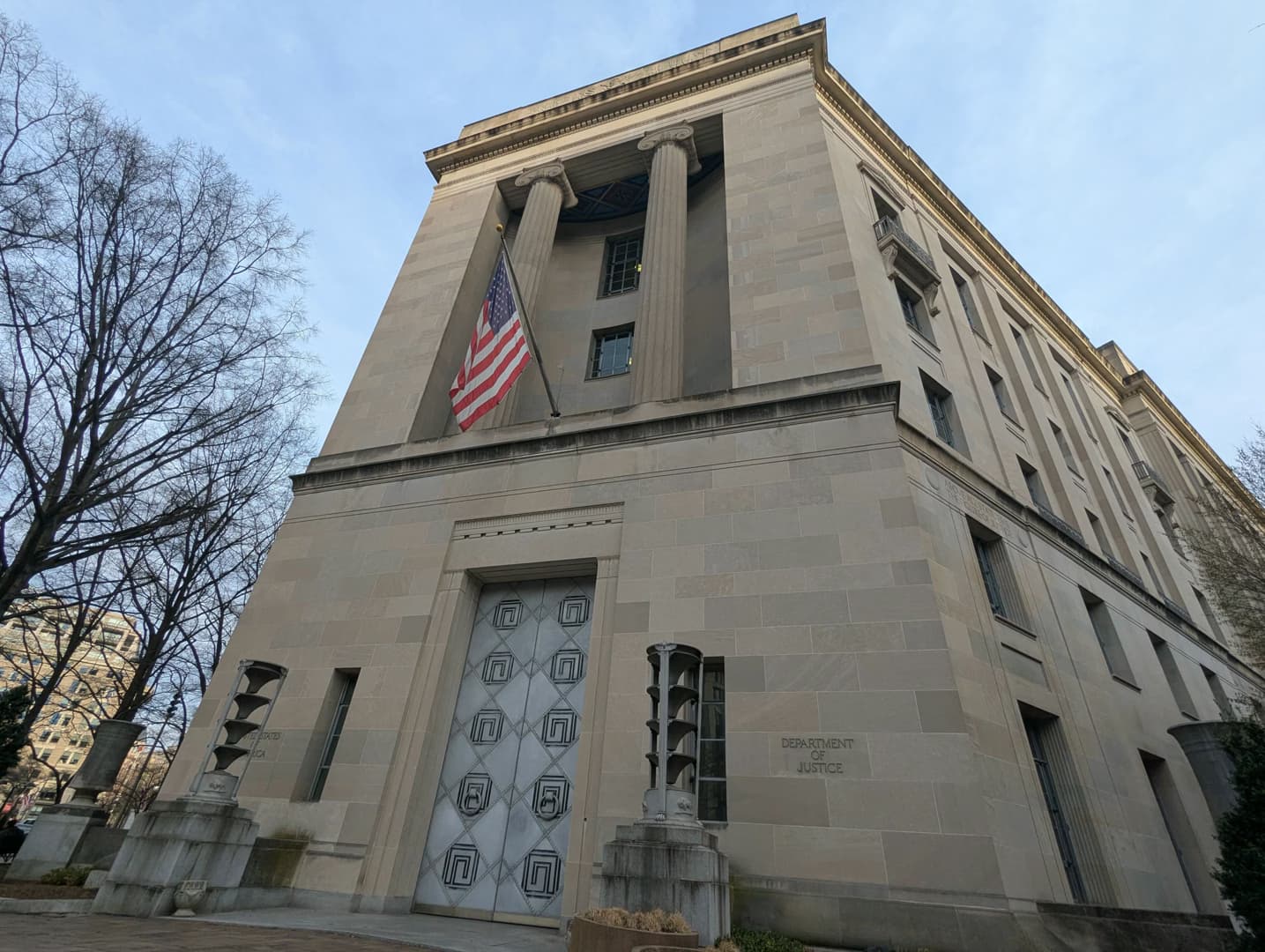
Sudan's gold sector, a crucial pillar of the economy, is being shaken by successive Western sanctions. The US, accusing Sudan of using chemical weapons, imposed new sanctions on July 20, while the European Union banned the purchase and import of Sudanese-origin gold on July 13.
The Khartoum government denies the chemical weapons allegations and has set up a national commission to investigate the claims. Sudan's government has demanded that the US disclose the evidence it holds.
Multilateral blow to the economy
The US sanctions prevent Sudan from receiving loans or aid from international financial institutions. Exports of most US goods to Sudan are also banned, except for food and humanitarian supplies. Banking analyst Walid Dalil said these moves will cut off multilateral development financing channels for at least a year and push them toward less transparent and more costly alternatives.
Dalil noted that correspondent banking relations, already weakened by war, would deteriorate further, payment infrastructure projects would be disrupted, and the Central Bank of Sudan's ability to manage liquidity and the exchange rate would weaken. The analyst suggested strengthening alternative arrangements, such as correspondent accounts in yuan, to mitigate the impact.
Gold ban and UK action
The Council of the European Union banned Sudanese gold on the grounds that it is a significant revenue source for financing the conflict. The same decision also halted the sale, supply, and export to Sudan of mercury and cyanide used in gold mining. On July 16, the UK imposed sanctions on illegal gold trading networks said to be fueling the war in Sudan, targeting 11 individuals and entities alleged to be financing both the Rapid Support Forces and the Sudanese army.
Livelihoods of 4 million at risk
After losing most of its oil revenues following South Sudan's secession in 2011, traditional gold mining in Sudan grew rapidly. The sector employed 4 million workers after the war broke out. According to official data, Sudan's gold production peaked at 107 tons in 2017 before plummeting to 6.4 tons in 2023 with the war. Output surpassed 64 tons in 2024 and 70 tons last year, while 36 tons were extracted in the first half of this year.
Minister and exporters alarmed
Sudanese Finance Minister Gibril Ibrahim said during a meeting with European Parliament officials that they reject the sanctions on the gold sector. Ibrahim stressed that the private sector holds around 80% of gold mining, meaning the sanctions will directly affect a broad segment of the population and lead to job losses.
Abdulmunim al-Siddiq, head of the Gold Exporters Association, said the European ban will negatively impact gold exports, encourage smuggling and reduce revenue from official channels. Al-Siddiq noted that the restriction on mercury and cyanide supplies will drive up prices, raise production costs and reduce producers' earnings while global prices are falling.
UN warning on war economy
On July 15, the United Nations warned that Sudan's war economy has become the main factor prolonging the conflict. The UN noted that the exploitation of natural resources, including gold and gum arabic, funds military operations and exposes global supply chains to human rights risks. Meanwhile, gum arabic had been exempted as a humanitarian good during US sanctions in the 1990s; this exemption effectively continued despite changes in government in Khartoum.
Stay Updated with Hilal Times
Subscribe to be informed about special news, developments and announcements. We will keep you informed.
By signing up, you agree to our Privacy Policy