- BIST10011,117-0.92%
- USD49.65+0.05%
- EUR55.60-0.19%
- GOLD4,007.90-1.29%
- INTEREST36.00%-1.00
- BITCOIN80,549-0.27%
- October 25, 202616°
- BIST10011,117-0.92%
- USD49.65+0.05%
- EUR55.60-0.19%
- GOLD4,007.90-1.29%
- INTEREST36.00%-1.00
- BITCOIN80,549-0.27%
- October 25, 202616°
Iraq PM Al-Zaidi says all weapons will be under state control by 2027
Iraqi Prime Minister Ali Faleh Al-Zaidi said no U.S. troops, including advisers, remain in the country and that no weapons will remain outside state control by June 30, 2027. Baghdad said it would not join regional wars while maintaining its strategic partnership with Washington and would diversify its oil export routes.


Iraqi Prime Minister Ali Faleh Al-Zaidi said no U.S. troops, including advisers, remain in his country following the withdrawal of the U.S.-led coalition forces. Al-Zaidi said Iraq would not join regional wars and would continue serving as a meeting point for opposing sides.
The prime minister said the government’s decision to place all weapons in the country under the control of state institutions was final and irreversible. June 30, 2027, was set as the target date for ensuring that no weapons remain outside the state structure.
Al-Zaidi said an agreement had been reached on the weapons held by three armed groups, while talks with four other groups were continuing.
Iraq is a state with groups; groups do not own the state.
The coalition’s withdrawal and the new security arrangement
The Iraqi prime minister said the departure of foreign forces from the country had removed the justification for armed groups to possess weapons. Al-Zaidi said Western countries believed that some armed groups effectively controlled the Iraqi state, adding that his government had overcome this threat.
Baghdad and Washington agreed in September 2024 on the phased withdrawal of U.S.-led coalition forces from Iraq. While the military mission was scheduled to end this September, Iraq announced on September 30 that the coalition’s military mission in the country had ended.
The U.S. Department of Defense confirmed that coalition forces and military equipment had left Erbil Air Base. Following the withdrawal, security cooperation shifted from a military mission against the terrorist organization ISIS to an arrangement covering training and intelligence sharing.
Baghdad-Washington partnership to be maintained
Al-Zaidi said Iraq would continue strengthening its strategic partnership with Washington despite the departure of U.S. troops, adding that the United States had been chosen as a strategic partner because of its technological and economic capabilities.
The Iraqi prime minister said U.S. companies had begun operating in the country and implementing projects under bilateral cooperation. He said developments in the energy sector, along with the partnership with Washington, would increase Iraq’s regional and international influence compared with previous years.
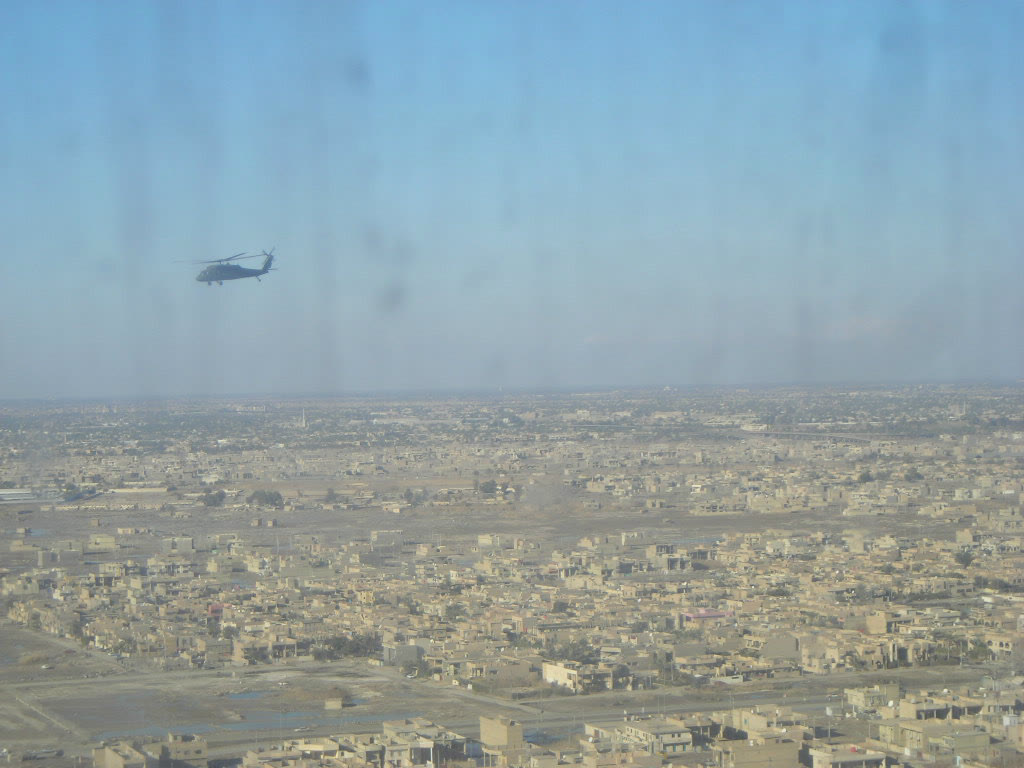
Iraq to stay out of regional conflicts
Al-Zaidi said the regional crisis should ultimately end in an agreement, regardless of how events develop. Reiterating that Iraq would not join any war, the prime minister said his country would continue serving as a meeting point for opposing sides.
The Iraqi prime minister rejected the possibility of closing the border with Iran. Al-Zaidi warned that such a step would harm both countries and said closing the border would amount to economically besieging Iraq.
Closing the border with Iran would mean economically besieging ourselves.
Plan to reduce reliance on the Strait of Hormuz for oil exports
Following disruptions to maritime transport in the Persian Gulf, Iraq is seeking to build a network of oil export pipelines to reduce its reliance on the Strait of Hormuz. Al-Zaidi said the government aimed to diversify its export channels.
The prime minister spoke of a plan to reactivate the oil export route through Türkiye’s Ceyhan Port. He said Iraqi oil exports had occasionally been halted and then resumed because of regional conditions.
Al-Zaidi said the crisis in the Strait of Hormuz had prevented Iraq from benefiting from rising oil prices. Iraq plans to increase its oil production capacity to 10 million barrels per day by 2032.
Development Road described as a third river
The Iraqi prime minister described the Development Road Project, which is planned to connect the country’s southern ports to European markets through Türkiye, as Iraq’s “third river.”
Construction of the project is scheduled to begin after Parliament approves the budget. The Development Road Project aims to create a major transport corridor extending from Iraq’s southern ports to Türkiye and European markets.
Stay Updated with Hilal Times
Subscribe to be informed about special news, developments and announcements. We will keep you informed.
By signing up, you agree to our Privacy Policy