- BIST10011,165+0.13%
- USD49.79+0.05%
- EUR55.52-0.41%
- GOLD4,038.10-0.33%
- INTEREST36.00%-1.00
- BITCOIN80,158-1.36%
- October 29, 202617°
- BIST10011,165+0.13%
- USD49.79+0.05%
- EUR55.52-0.41%
- GOLD4,038.10-0.33%
- INTEREST36.00%-1.00
- BITCOIN80,158-1.36%
- October 29, 202617°
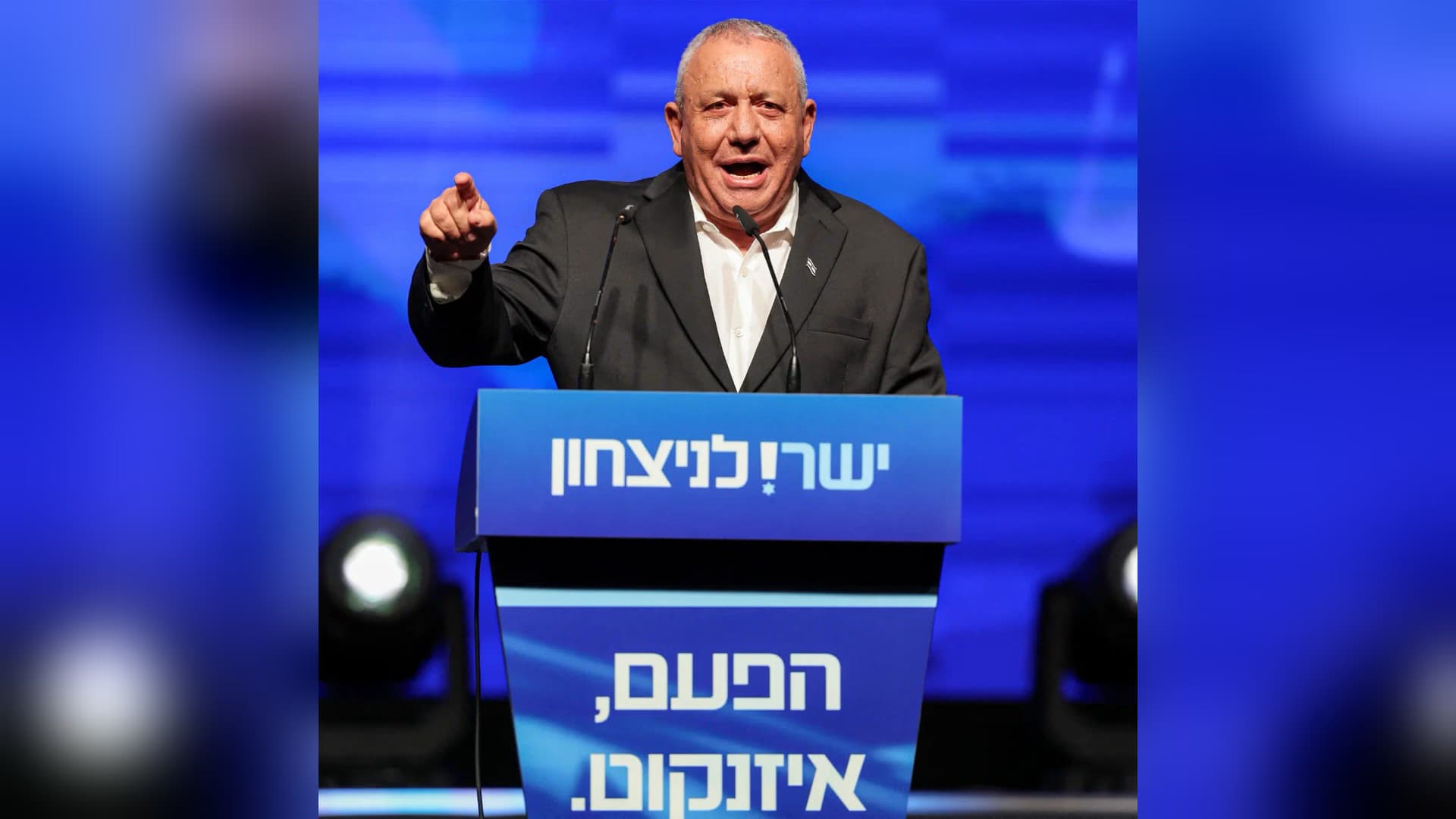
Israel’s ultra-Orthodox partners leave opposition cooperation open as Golan seeks Arab support
Two ultra-Orthodox parties allied with Israeli Prime Minister Benjamin Netanyahu did not rule out cooperating with the opposition led by Gadi Eisenkot after exit polls showed that no bloc had won a majority. Yair Golan, leader of the Democrats Party, called for Arab parties’ support to change the government.
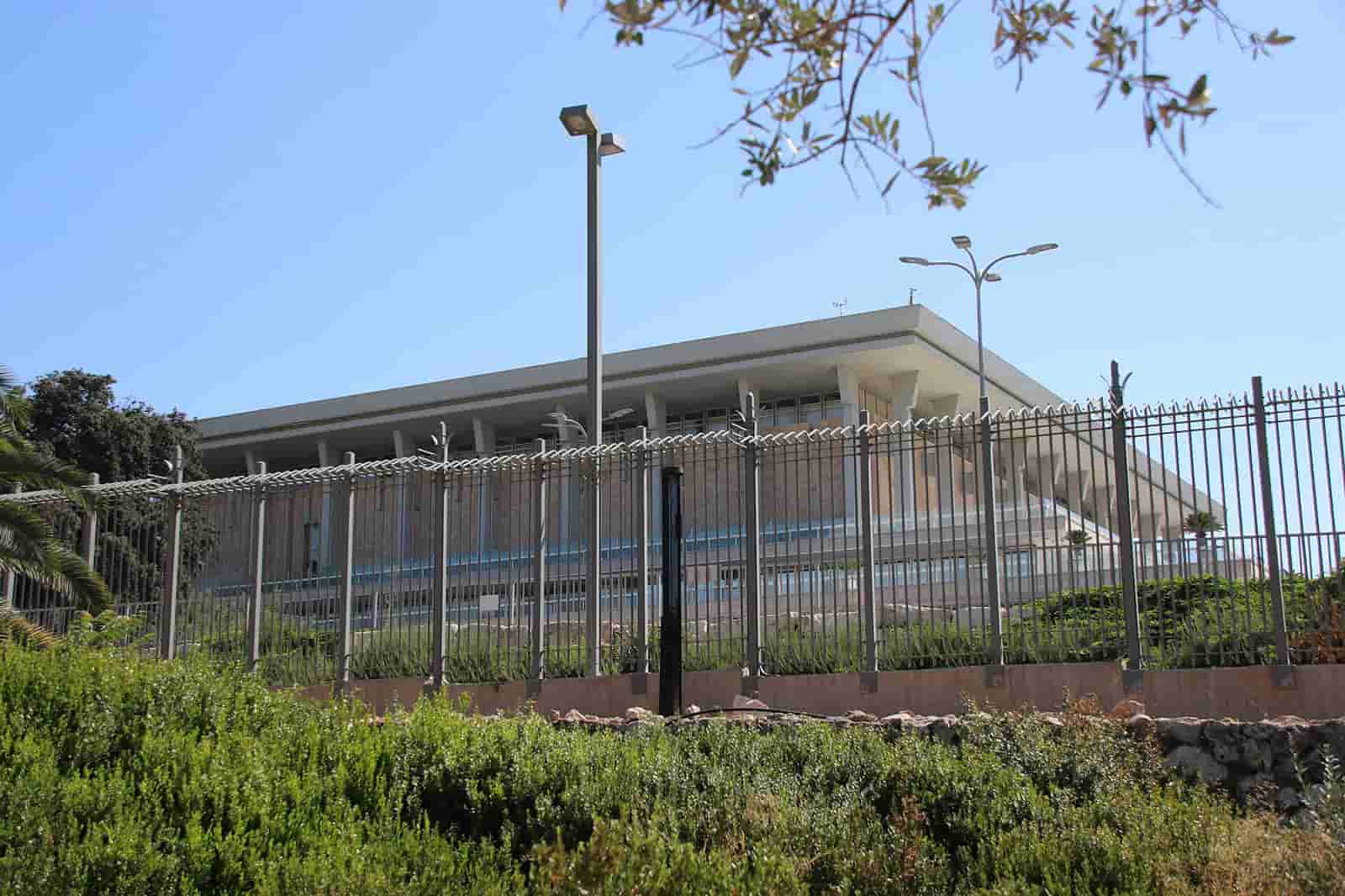
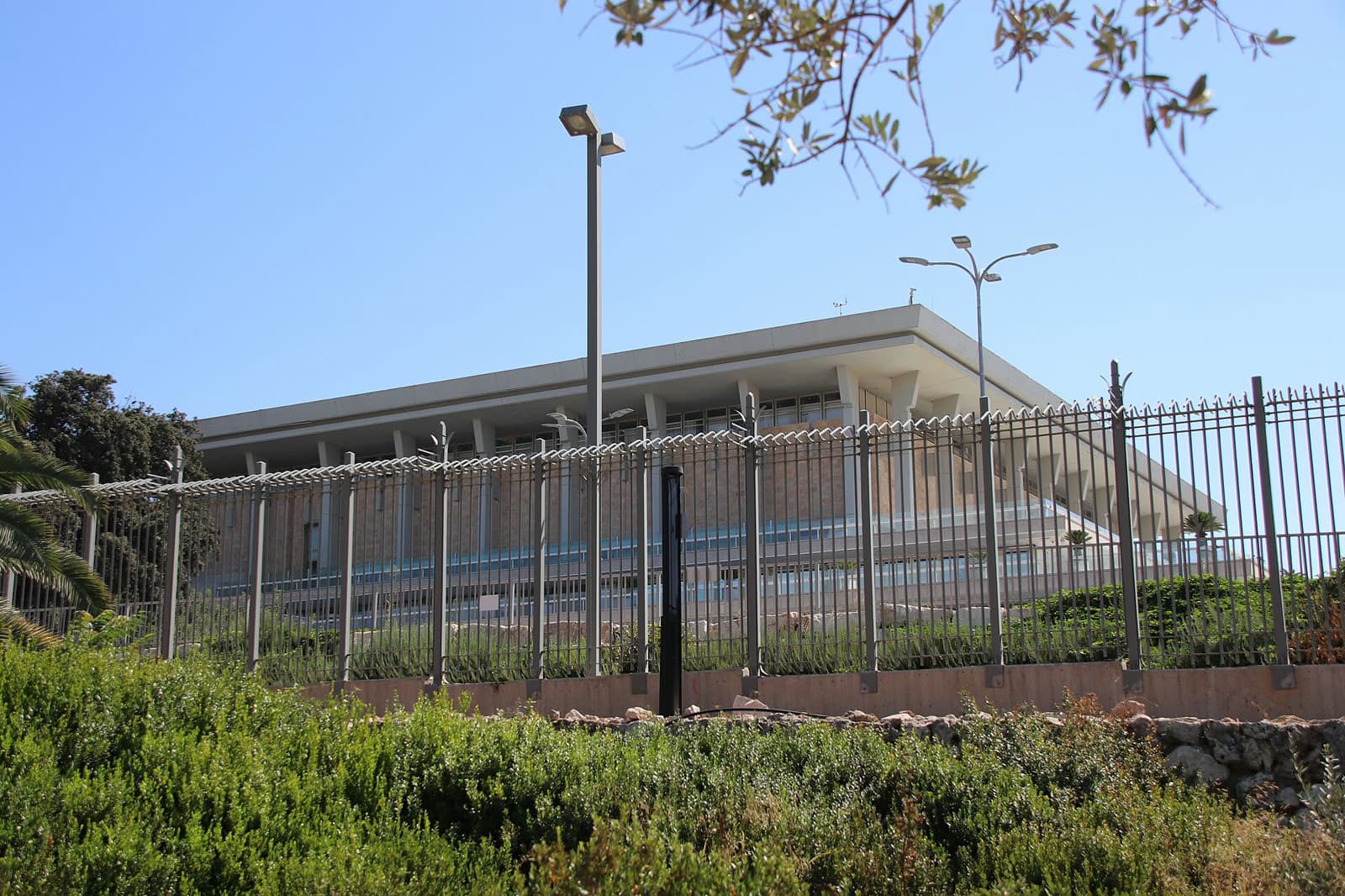
As no major bloc in Israel reached the 61 seats needed for a majority in the 120-member parliament, Benjamin Netanyahu’s coalition partners kept open the option of cooperating with the opposition in efforts to form a government after the election.
Shas ties support to military service law
An unnamed official from the Shas party said Shas could join the government at a later stage if the Yashar party, led by Gadi Eisenkot, formed a government.
The official said such a step would depend on the military service law containing terms acceptable to Shas. The official also said Eisenkot would need to leave ministries important to Shas vacant initially.
The party could join the government later if a “reasonable” military service law were drafted.
Religious authorities will determine United Torah Judaism’s position
Yitzhak Goldknopf of the United Torah Judaism alliance also did not rule out cooperation with Eisenkot’s bloc.
Goldknopf said the option would be submitted to senior religious authorities, who would decide how the party should proceed.
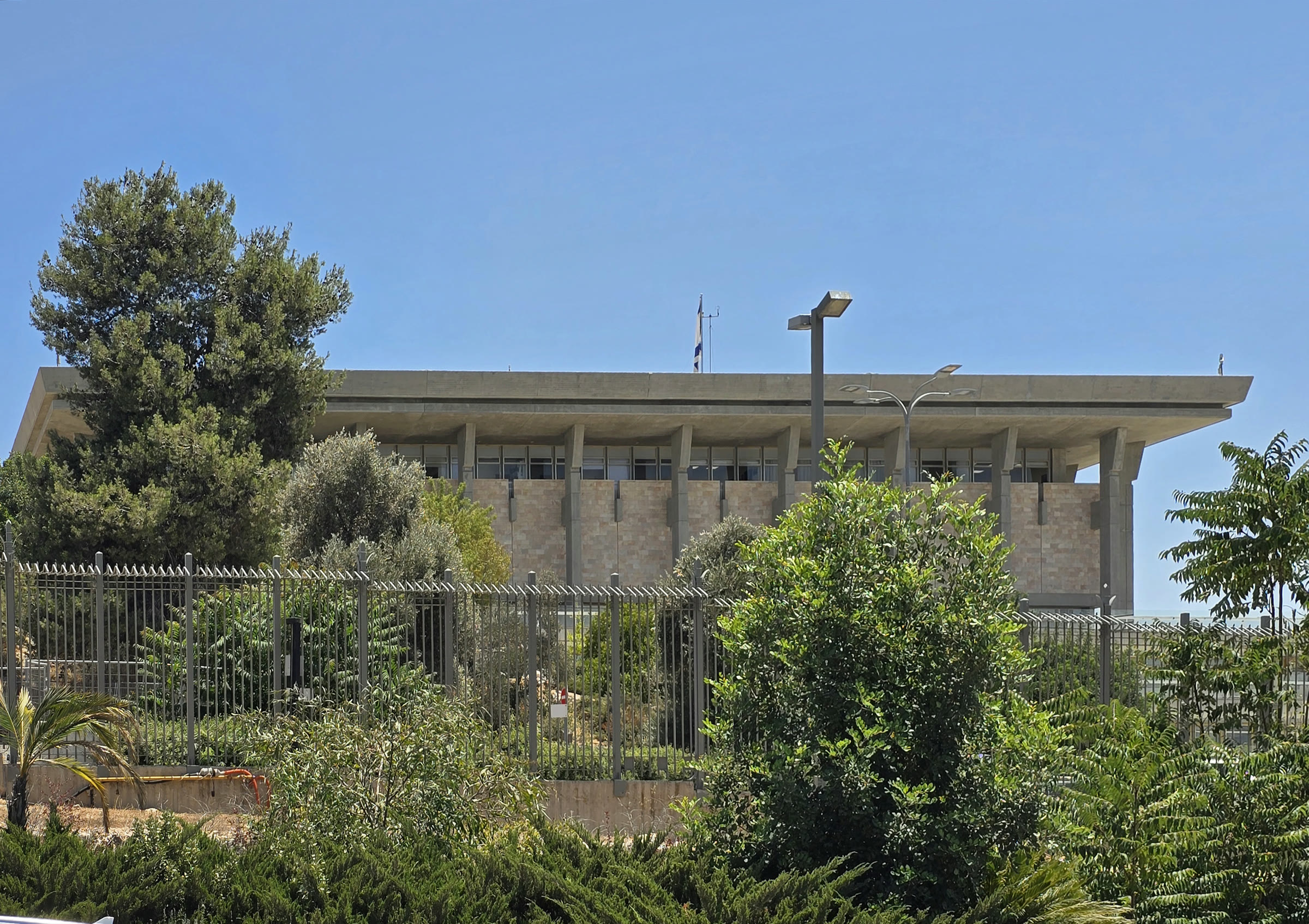
Golan backs support from Arab parties
Yair Golan, leader of the Democrats Party, said Arab parties’ support should be used to form a new government in place of Netanyahu’s government.
Golan said every lawmaker elected through a democratic and legal process was a legitimate part of the political system. He said the opposition should change the government if it had enough of a democratic majority to do so.
Seat distribution in exit polls
An updated exit poll projected 52 seats for Netanyahu’s bloc, 49 for Eisenkot’s bloc and 19 for Arab parties. Updated polls published by Israel’s public broadcaster and another television channel projected that each of the two main blocs would win 51 seats, while Arab parties would take 18.
None of these projections put either of the two main blocs above the 61-seat majority threshold.
The Central Elections Committee announced that turnout was 77.7 percent. The turnout was the highest recorded since 1999.
Stay Updated with Hilal Times
Subscribe to be informed about special news, developments and announcements. We will keep you informed.
By signing up, you agree to our Privacy Policy