- BIST10011,165+0.13%
- USD49.79+0.05%
- EUR55.52-0.41%
- GOLD4,049.60-0.05%
- INTEREST36.00%-1.00
- BITCOIN79,728-1.89%
- October 29, 202616°
- BIST10011,165+0.13%
- USD49.79+0.05%
- EUR55.52-0.41%
- GOLD4,049.60-0.05%
- INTEREST36.00%-1.00
- BITCOIN79,728-1.89%
- October 29, 202616°
Pezeshkian says Iran attacks threaten global energy security
Iranian President Masoud Pezeshkian said at the 8th Summit of the Gas Exporting Countries Forum in Moscow that attacks by the United States and Israel against Iran threaten global energy security and the world economy. Pezeshkian called for stability in energy markets and stronger cooperation among gas producers.


Iranian President Masoud Pezeshkian said in a speech at the 8th Summit of the Gas Exporting Countries Forum in Moscow that attacks by the United States and Israel against Iran pose a threat to energy security and the global economy.
Russian President Vladimir Putin also attended the summit in the Russian capital. Pezeshkian said geopolitical developments had created unprecedented challenges for global energy security.
Pezeshkian criticizes attacks and sanctions
Pezeshkian claimed that the United States and Israel had carried out two military attacks on Iran while political talks were ongoing. He said the destruction of Iran’s energy infrastructure and the imposition of artificial barriers to the transit of energy resources directly threatened the world economy and global energy security.
Addressing the United States’ sanctions on Iran as well as its naval and air blockade, Pezeshkian argued that Washington was forcing other countries to join these measures. Describing these practices as “economic terrorism,” Pezeshkian said the steps constituted serious violations of international law and had caused instability in energy markets.
Pezeshkian said U.S. military activities in the Persian Gulf were undermining regional stability. He said these activities had caused dangerous fluctuations in energy prices and negatively affected the stability of energy supplies and transit. Pezeshkian added that the developments had also weakened global economic growth.
Iran calls for investment in its energy sector
Pezeshkian said Iran had increased production in its energy sector despite sanctions imposed over many years, adding that the country ranked second in the world in proven natural gas reserves.
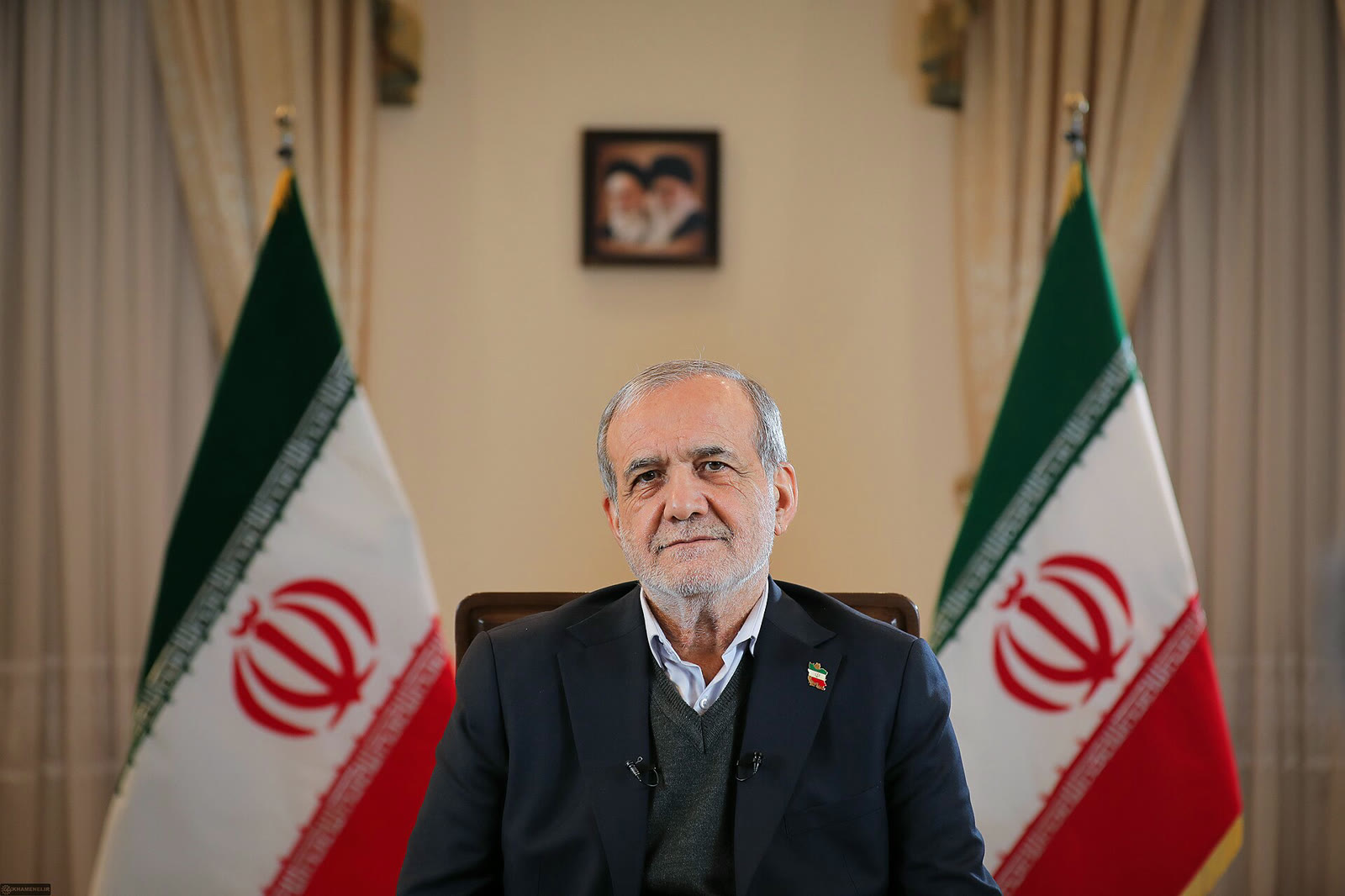
Pezeshkian announced that Iran’s natural gas production had reached 300 billion cubic meters and that the country retained its position as the world’s third-largest natural gas producer. Saying that Iran was among the world’s largest natural gas consumers, Pezeshkian said natural gas accounted for approximately 70 percent of the country’s energy balance and that 95 percent of the population had access to natural gas.
Pezeshkian said Iran wanted to attract more foreign investment in its energy infrastructure, adding that they were ready to offer support, incentives and various facilities to international investors in the oil, natural gas and petrochemical sectors.
Call for joint projects among gas producers
Calling for greater cooperation among members of the Gas Exporting Countries Forum, Pezeshkian listed stability in gas markets and expanded trade among the priorities. He called for the joint development of technologies for the exploration, production, processing and transport of natural gas.
Pezeshkian said the technological capabilities of member countries should be turned into concrete projects that provide mutual benefits. He emphasized the importance of increasing efficiency in energy production and reducing its environmental impact.
Pezeshkian said constructive and equitable cooperation was needed to ensure security of supply and demand in the natural gas sector, establish fair pricing and strengthen natural gas’s role in the global energy balance. He said Iran, one of the founding members of the Gas Exporting Countries Forum, was ready to play a more active role in multilateral energy diplomacy, technology transfer and joint investment projects focused on natural gas infrastructure.
Stay Updated with Hilal Times
Subscribe to be informed about special news, developments and announcements. We will keep you informed.
By signing up, you agree to our Privacy Policy