- BIST10011,165+0.13%
- USD49.79+0.05%
- EUR55.52-0.41%
- GOLD4,049.60-0.05%
- INTEREST36.00%-1.00
- BITCOIN79,728-1.89%
- October 29, 202616°
- BIST10011,165+0.13%
- USD49.79+0.05%
- EUR55.52-0.41%
- GOLD4,049.60-0.05%
- INTEREST36.00%-1.00
- BITCOIN79,728-1.89%
- October 29, 202616°
Qatar urges Iran to halt threats against Gulf states
Qatar called on Iran to show goodwill and stop threatening Gulf states. The statement in Doha said this step was necessary for mediation efforts aimed at peacefully ending the crisis between the United States and Iran.


Ibrahim al-Hashimi, director of the Media and Communications Department at Qatar's Ministry of Foreign Affairs, made a statement in Doha on the regional effects of the crisis between the United States and Iran. Speaking at a press conference on Tuesday, al-Hashimi called on Tehran to show goodwill and stop threatening Gulf states.
Al-Hashimi said Iran needed to take these steps for mediation efforts to produce results. The Qatari official said the ongoing efforts aimed to reduce tensions and pave the way for a peaceful end to the crisis between the United States and Iran.
Regional mediation efforts
Al-Hashimi said consultations among regional and international partners were continuing with the aim of bringing the crisis to a complete end. He said the efforts of Saudi Arabia and the countries of the Mecca Alliance complemented the initiatives led by Qatar and Pakistan.
Al-Hashimi said the Qatari delegation's visit to Tehran was also intended to support mediation efforts to ease the current crisis. He added that the region needed a new regional security system that took the sovereignty of its countries into account.
The countries of the Mecca Alliance held talks in Tehran on Monday to reduce regional tensions and support mediation between the United States and Iran. The alliance delegation met with Iranian officials, including Iranian President Masoud Pezeshkian.
Qatar and Iranian leaders meet in Moscow
Qatar's Emir Tamim bin Hamad Al Thani and Iranian President Masoud Pezeshkian discussed the latest status of negotiations with Washington, the Strait of Hormuz and energy supplies in Moscow on Tuesday. The meeting took place as the two leaders attended the eighth summit of the Gas Exporting Countries Forum.
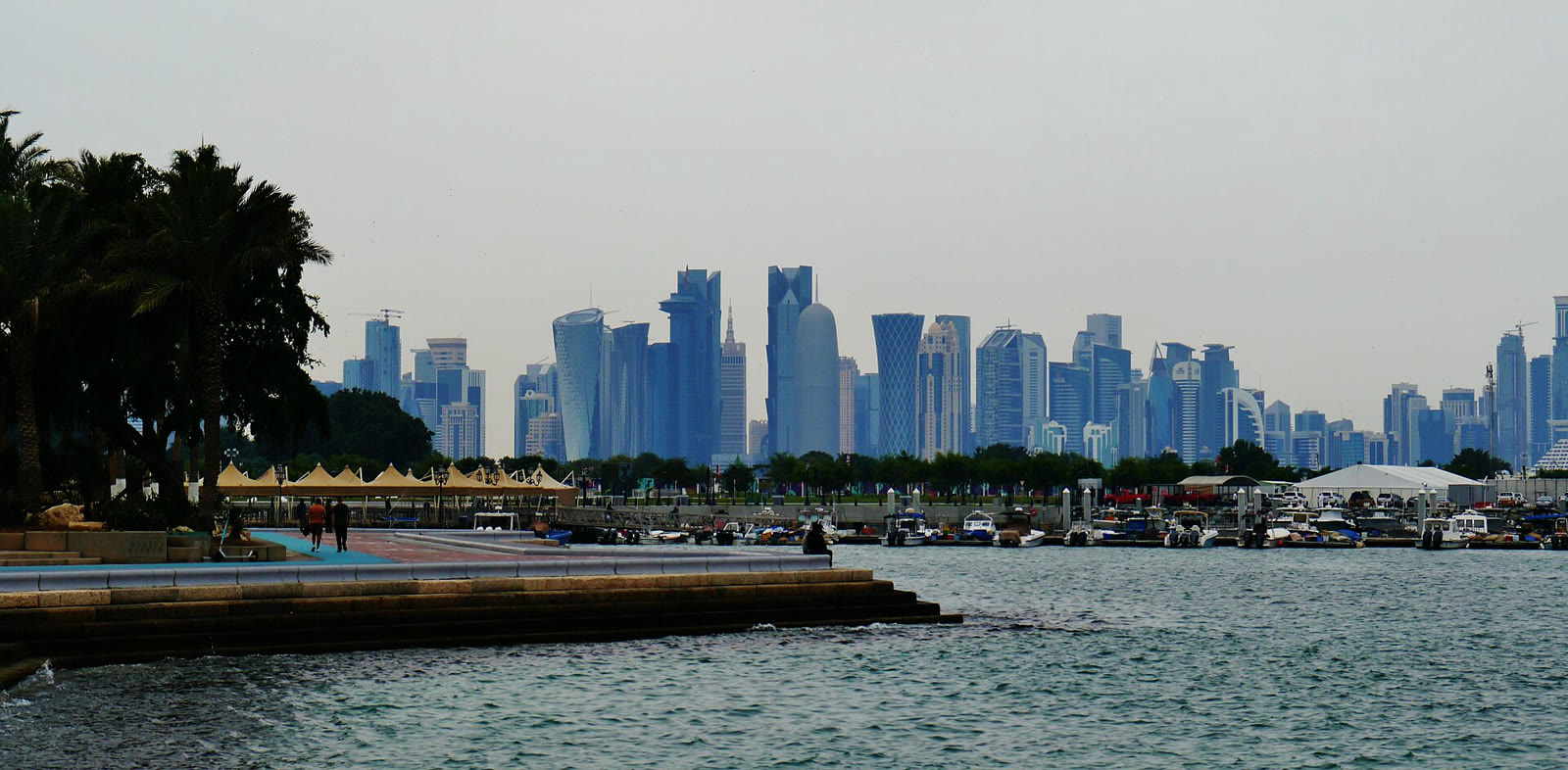
Türkiye's President Recep Tayyip Erdoğan, Pakistan's Prime Minister Shehbaz Sharif and Saudi Crown Prince Mohammed bin Salman signed the Mecca Alliance agreement, aimed at joint defence, on August 7.
Break in US-Iran negotiations
Negotiations between the United States and Iran began after the two countries signed a memorandum of understanding on June 18. However, the talks later broke down over various disputes, including maritime traffic in the Strait of Hormuz.
On February 28, a war against Iran launched by the United States and Israel began. Tehran responded by carrying out attacks on Israel and military facilities in Arab countries that it said belonged to the United States.
The Strait of Hormuz is considered a strategic route for energy and commodity shipments.
Stay Updated with Hilal Times
Subscribe to be informed about special news, developments and announcements. We will keep you informed.
By signing up, you agree to our Privacy Policy